Citizen science lets anyone contribute real, usable pollinator data — a photo of a bumblebee, a tagged monarch, or a simple flower-visit count — to programs that professional researchers actually rely on, not just symbolic participation. Several established programs make this genuinely easy to start this week, and one peer-reviewed study now shows exactly how much real scientific value volunteer observations add.
Key Takeaways
- Bumble Bee Watch, run by the Xerces Society since January 2014, has contributed data now analyzed in a peer-reviewed study: its volunteer photo submissions accounted for 25.06% of all North American bumblebee records logged between 2010 and 2020, and documented 41 of the 48 species tracked by the continent’s main bumblebee database.
- The Great Sunflower Project, founded in 2008 by Dr. Gretchen LeBuhn at San Francisco State University, has grown to over 100,000 members who contribute pollinator counts from their own gardens, building one of the longest-running community pollinator datasets in North America.
- Monarch Watch, founded in 1992 by University of Kansas professor Chip Taylor, tags individual monarch butterflies so volunteers anywhere along the migration route can report a recovered tag — the data source behind much of what’s known about the monarch’s fall migration to Mexico.
- iNaturalist (and its simplified Seek app) works for any pollinator, not just bees and monarchs — a photo upload gets crowd- and AI-assisted species identification and automatically feeds research-grade observations into the Global Biodiversity Information Facility.
- None of these require special equipment or expertise to start — a smartphone camera and 10-15 minutes is enough for a first real contribution to each one.
Table of Contents
- Why Citizen Science Data Actually Matters
- The Programs, Compared
- Bumble Bee Watch: Photograph, Submit, Get Verified
- The Great Sunflower Project: Count What Visits Your Garden
- Monarch Watch: Tag a Butterfly, Track a Migration
- iNaturalist and Seek: The General-Purpose Option
- Nature’s Notebook: Tracking Bloom Timing, Not Just Sightings
- Getting Started This Week
- Frequently Asked Questions
Why Citizen Science Data Actually Matters
It’s fair to be skeptical that an amateur’s backyard photo is genuinely useful to real research — but for pollinators specifically, the numbers say otherwise. A 2024 peer-reviewed study analyzing Bumble Bee Watch’s dataset found that volunteer-submitted, expert-verified photo records made up 25.06% of all North American bumblebee occurrence records logged between 2010 and 2020, out of 44,134 verified observations analyzed. The same study found BBW documented range extensions for 39 of 41 species compared to the continent’s main professional bumblebee database, and identified 5,948 unique geographic grid cells with bumblebee activity that weren’t otherwise recorded. That’s not a token contribution — it’s a substantial share of what’s actually known about where North American bumblebees currently live.
The reason volunteer data scales so well for pollinators specifically is coverage: professional researchers can survey a limited number of sites with real funding and time constraints, while thousands of volunteers checking their own yards, parks, and trails collectively cover far more ground, far more often, than any funded survey could alone.
The Programs, Compared
| Program | Founded | Run by | What you do | Best for |
|---|---|---|---|---|
| Bumble Bee Watch | 2014 | Xerces Society (with regional partners) | Photograph a bumblebee, submit with location; an expert verifies the ID | Anyone who sees bumblebees regularly and wants expert-confirmed IDs |
| The Great Sunflower Project | 2008 | Dr. Gretchen LeBuhn, San Francisco State University | Count pollinator visits to a chosen plant or site on a regular schedule | Gardeners who want to track a specific site over time |
| Monarch Watch | 1992 | University of Kansas (Chip Taylor) | Apply a numbered tag to a monarch, or report a tag you find | Anyone along the monarch migration corridor in fall |
| iNaturalist / Seek | 2008 (iNaturalist) | California Academy of Sciences & National Geographic Society | Photograph any organism; get crowd- and AI-assisted ID | General wildlife observers, not pollinator-specific |
| Nature’s Notebook | USA-NPN, ongoing since 2007 | USA National Phenology Network | Log plant life-stage timing (first leaf, bloom, seed set) at a chosen site | Tracking when local nectar sources actually bloom, year to year |
Bumble Bee Watch: Photograph, Submit, Get Verified
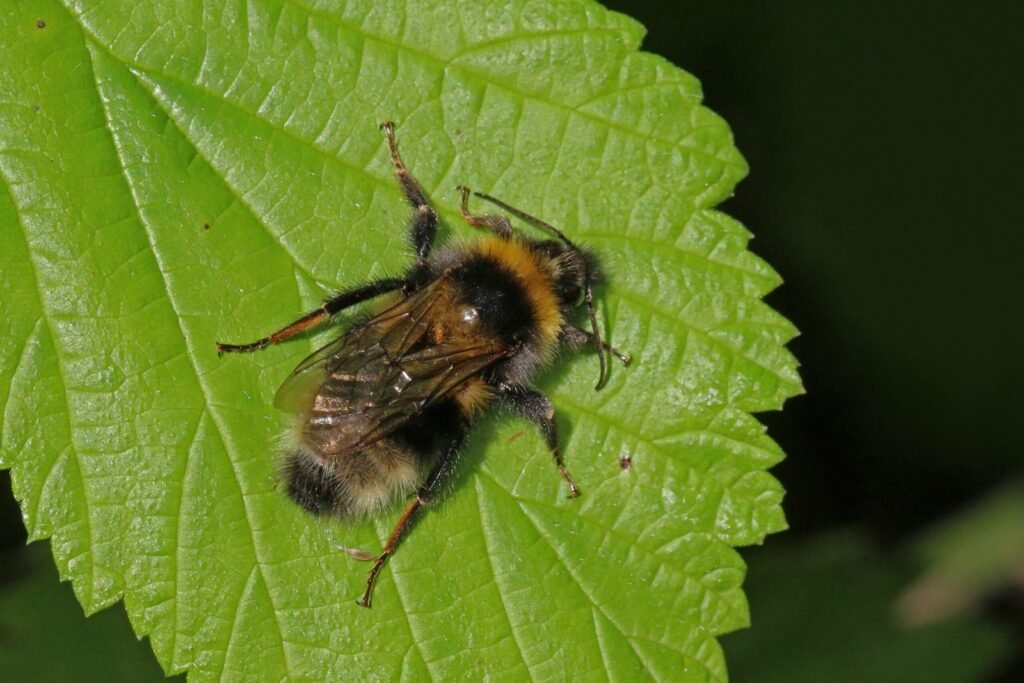
Bumble Bee Watch works through a straightforward submission process: take a clear photo of a bumblebee (ideally showing the face, side, and top, since bumblebee species are often distinguished by subtle color-band patterns), submit it through the website or app along with the date, location, and the plant it was visiting, then suggest a species ID if you can. A network of bumblebee experts reviews and confirms or corrects every submission, which is exactly why the resulting dataset is reliable enough to appear in peer-reviewed research rather than just an informal photo log. As of the study above, the program had already logged enough verified activity to meaningfully expand what’s known about 39 of 41 tracked species’ actual ranges.
The Great Sunflower Project: Count What Visits Your Garden
Unlike programs built around single dramatic sightings, the Great Sunflower Project asks for something more methodical: pick a plant or a small area, then return to count pollinator visits on a consistent schedule, building a real time-series for that specific site. The flagship version has participants plant Lemon Queen sunflowers specifically (a standardized plant choice that makes counts comparable across thousands of different yards), though the project has expanded into a “Pollinator Friendly Plants & Places” track for counting on plants you already grow, and a “Habitat Challenge” for evaluating a space’s overall pollinator-friendliness (flowers, nesting sites, water, shelter, pesticide exposure). With over 100,000 members contributing, it’s less about any single exciting observation and more about the cumulative, longitudinal picture that only shows up when the same sites get checked repeatedly over years.
Monarch Watch: Tag a Butterfly, Track a Migration
Monarch Watch takes a different approach entirely: instead of photographing what’s already there, participants apply a small, lightweight numbered tag to a live monarch’s wing (a technique refined specifically to avoid harming the butterfly), then release it. If that same butterfly is later found — sometimes thousands of miles away at an overwintering site in central Mexico — whoever finds it reports the tag number and location back to the program. That simple mechanism is the actual data source behind much of what’s publicly known about the monarch’s fall migration timing and routes. Tagging season runs during the fall migration window, and the program supplies tagging kits and instructions to volunteers who sign up.
iNaturalist and Seek: The General-Purpose Option
iNaturalist isn’t pollinator-specific — it’s a general biodiversity-observation platform, run jointly by the California Academy of Sciences and the National Geographic Society, where any photographed organism gets a crowd-sourced and AI-assisted identification suggestion from the broader community. Once an observation reaches “research grade” (verified by the community to species level with supporting evidence), it flows automatically into the Global Biodiversity Information Facility, the same open dataset professional researchers query. Seek, iNaturalist’s companion app, is built for a more casual, kid-friendly experience — it identifies species from the camera in real time without requiring an account or public data submission, which makes it a good on-ramp for families before graduating to full iNaturalist observations.
Nature’s Notebook: Tracking Bloom Timing, Not Just Sightings
The USA National Phenology Network’s Nature’s Notebook program takes a different angle entirely: instead of tracking pollinators directly, it tracks the timing of plant life stages — first leaf, first bloom, peak bloom, seed set — which matters enormously for pollinators even though it’s not pollinator data itself. The program has amassed more than 30 million observation records from upward of 15 million participants across more than 1,750 tracked plant and animal species, making it one of the largest phenology datasets in the world. Its “Nectar Connectors” campaign specifically tracks bloom timing in key nectar plants for monarchs and other pollinators — milkweed, cardinal flower, and buttonbush among them — because knowing exactly when peak nectar availability actually occurs, year to year and region to region, is what lets researchers and land managers match new pollinator plantings to real local bloom windows rather than a generic calendar date. Participants sign up for a specific site, choose which species to monitor, and log observations on a regular schedule through the website or app.
Getting Started This Week
- Only have a few minutes and a phone? Download Seek or iNaturalist and photograph the next pollinator you see — no signup required for Seek.
- Want expert-verified bumblebee IDs? Create a free Bumble Bee Watch account and submit your next clear bumblebee photo with location and plant details.
- Have a garden you visit regularly? Sign up for the Great Sunflower Project and commit to counting visits on one plant on a consistent schedule — the site has guidance for exactly how to structure a count.
- Live along the monarch migration route in fall? Order a Monarch Watch tagging kit ahead of the fall season and learn the tagging technique from their instructional materials before your first attempt.
- More interested in plants than animals? Sign up for Nature’s Notebook and start logging bloom-timing observations for one or two plant species already growing on your property.
None of these programs compete with each other — a single pollinator-watching session can genuinely feed all four if you photograph what you see, note it in iNaturalist, and separately log a bumblebee sighting to Bumble Bee Watch.
Frequently Asked Questions
Do I need any special training or equipment to participate in pollinator citizen science?
No. A smartphone camera is enough for Bumble Bee Watch, iNaturalist, and Seek. The Great Sunflower Project needs nothing beyond a garden or green space you can visit regularly, and Monarch Watch supplies tagging kits with instructions to registered volunteers.
Is my backyard photo actually useful to real scientists?
Yes, demonstrably. A 2024 peer-reviewed study found Bumble Bee Watch’s volunteer-submitted, expert-verified records made up over a quarter of all North American bumblebee occurrence data logged between 2010 and 2020, and extended the known range for 39 of 41 tracked species.
What’s the difference between Bumble Bee Watch and iNaturalist?
Bumble Bee Watch is bumblebee-specific, with a dedicated network of expert reviewers verifying every submitted ID. iNaturalist covers any organism and relies on a broader crowd-sourced identification community, with observations reaching “research grade” once the community confirms a species-level ID with supporting evidence.
How does monarch tagging actually work, and does it hurt the butterfly?
Monarch Watch’s tagging technique places a small, lightweight numbered sticker on a specific wing cell, refined specifically to avoid harming the butterfly’s ability to fly or migrate. Volunteers apply tags during the fall migration season, and the data comes from whoever later finds and reports a tagged butterfly, sometimes at overwintering sites in Mexico thousands of miles from where it was tagged.
Can kids participate in these programs?
Yes — Seek (iNaturalist’s companion app) was specifically designed for a more casual, kid-friendly experience that identifies species from the camera without requiring an account, making it a good starting point before trying full iNaturalist or Bumble Bee Watch observations.
Which program should I start with?
If you want the lowest-effort starting point, Seek requires no signup and works for any pollinator. If you’re specifically interested in bumblebees and want expert-confirmed identifications, Bumble Bee Watch is the more specialized option. Gardeners who want to track one site over time are better served by the Great Sunflower Project’s structured counting approach.
More detail on this is available from Xerces Society.
Related Reading
For a related deep dive, check out our article on community-based pollinator stewardship.
You can find more background in our guide to cross-training beekeepers for effective pollinator outreach.