National Pollinator Week, June 22-28 in 2026, is a real U.S. Senate-designated observance covering every kind of pollinator — bees, butterflies, moths, bats, beetles, and birds — not just honeybees, which makes it genuinely distinct from World Bee Day (a UN observance specific to bees) and National Honey Month (specific to honey as a product). It started with a unanimous 2007 Senate resolution and is organized every year by a real nonprofit, not a marketing invention.
Key Takeaways
- Pollinator Week traces to U.S. Senate Resolution 580 in the 109th Congress, sponsored by Senator Saxby Chambliss of Georgia, which designated June 24-30, 2007 as the first National Pollinator Week by unanimous approval.
- It’s organized annually by the Pollinator Partnership (P2), a nonprofit founded in 1997, which has since expanded the observance’s reach into a broader “Pollinator Month” with international participation beyond the original U.S. Senate designation.
- In 2026, Pollinator Week runs June 22-28 — the exact week shifts slightly year to year since it’s tied to the fourth full week of June, not a fixed calendar date.
- Unlike World Bee Day (a UN observance on the fixed date of May 20, honoring pioneering beekeeper Anton Janša, and specifically bee-focused) or National Honey Month (September, focused on honey as a food product), Pollinator Week explicitly covers the full range of pollinating species: bees, butterflies, moths, bats, beetles, wasps, flies, and hummingbirds.
- Real, concrete ways to participate exist beyond social media awareness — including a genuine citizen-science project (the Pollinator Week Bioblitz) that feeds actual observation data to researchers, the same kind of program covered in this site’s guide to pollinator citizen science.
Table of Contents
- Where Pollinator Week Actually Comes From
- How It’s Different From World Bee Day and National Honey Month
- Real Ways to Participate
- Why Covering All Pollinators (Not Just Bees) Matters
- Frequently Asked Questions
Where Pollinator Week Actually Comes From
National Pollinator Week isn’t a marketing creation — it has a real, documented legislative origin. In 2007, the U.S. Senate unanimously approved Resolution 580 (109th Congress), sponsored by Senator Saxby Chambliss of Georgia, designating June 24 through June 30, 2007 as the first National Pollinator Week. The resolution recognized the importance of pollinators to both ecosystem health and U.S. agriculture, and the value of coordinated awareness efforts to support and sustain pollinator populations.
The observance is organized every year by the Pollinator Partnership (often abbreviated P2), a nonprofit founded in 1997 by a coalition of researchers, beekeepers, and conservation advocates. Since that first Senate-designated week, P2 has expanded the observance beyond a single U.S. week — activities now run through much of June, with international participation well beyond the original American Senate resolution’s scope. In 2026, the specific observed dates are June 22-28, since the week is tied to a recurring late-June placement rather than a single fixed calendar date, so the exact dates shift by a few days from year to year.
How It’s Different From World Bee Day and National Honey Month
It’s easy to conflate this with the other two major bee-and-pollinator observances already covered on this site, but each one has a genuinely distinct origin and scope:
| Observance | Date | Origin | Scope |
|---|---|---|---|
| National Pollinator Week | Late June (June 22-28 in 2026) | 2007 U.S. Senate Resolution 580; organized by Pollinator Partnership | All pollinators: bees, butterflies, moths, bats, beetles, wasps, flies, hummingbirds |
| World Bee Day | Fixed: May 20 | United Nations designation, honoring beekeeping pioneer Anton Janša | Bees specifically, honeybees in particular |
| National Honey Month | September | U.S. National Honey Board observance | Honey as a food product and the beekeeping industry |
The practical distinction matters for anyone planning content, events, or outreach around these dates: Pollinator Week is the right one to reference for anything about wild pollinator conservation broadly (native bees, butterflies, moths, bats), World Bee Day is the right fit for content specifically about honeybees and beekeeping practice, and National Honey Month is the right fit for honey-as-a-product content. Treating them as interchangeable — which a lot of casual coverage does — misses genuinely different origins, organizers, and intended scope.
Real Ways to Participate
- Join the Pollinator Week Bioblitz. This is a genuine, ongoing community-science project (organized alongside Pollinator Partnership’s annual observance) where participants document pollinators and the flowering plants they visit — real observation data, not a symbolic gesture. It works the same way as the citizen-science pollinator programs (Bumble Bee Watch, iNaturalist, the Great Sunflower Project) covered in more depth elsewhere on this site.
- Plant something that actually blooms in late June. Rather than a generic “plant for pollinators” suggestion, check what’s already flowering in your region during the exact week and fill any real gap in your own yard’s bloom calendar.
- Host or attend a garden tour or ID workshop. Pollinator Partnership’s own site lists these as real annual activities, along with registering local events on their public event map.
- Request a local landmark lighting. A specific, real, low-effort action Pollinator Partnership itself suggests: asking a local building or landmark to illuminate in yellow and orange for the week, a visible, low-cost form of public awareness some cities and organizations already participate in annually.
- Skip the purely symbolic gestures. A social media post alone doesn’t feed any real data or funding anywhere — pairing awareness with an actual action (a Bioblitz submission, a genuine planting change, attending a real local event) is what separates participation from simply noticing the week exists.
Why Covering All Pollinators (Not Just Bees) Matters
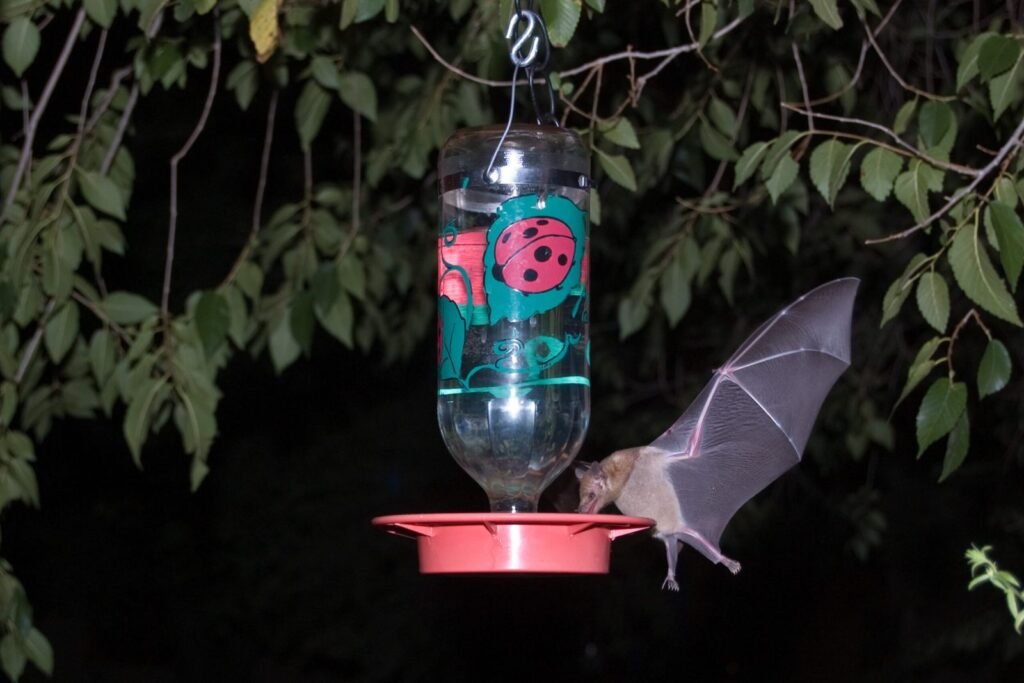
Framing an entire observance around “pollinators” rather than just “bees” is a deliberate, meaningful choice, not just broader marketing language. Bees — especially the honeybee — get an outsized share of public attention relative to their share of actual pollination work; butterflies, moths, beetles, flies, and even bats and hummingbirds do real, measurable pollination work for plants that bees visit rarely or not at all. A pollinator-conservation message that only ever talks about bees risks leaving out species with genuinely more precarious conservation status than the honeybee, which — unlike most native bee species — is a managed agricultural animal with populations actively maintained by beekeepers rather than a wild species at risk of disappearing on its own.
The scale of what’s actually at stake is real and worth citing precisely rather than gesturing at vaguely: managed honeybees alone are commonly credited with pollinating an estimated $15 billion worth of U.S. crops annually, from almonds to zucchini, and the most recent national beekeeper survey (2024-2025, run by Auburn University and the Apiary Inspectors of America with USDA support) recorded an estimated 40.2% winter colony loss rate — the highest since the survey began tracking losses after the heavy 2006-2007 die-offs. That figure covers only managed honeybees, though — it says nothing about the separate, and in several cases more precarious, conservation status of wild native bees, butterflies, moths, and bats, which is exactly the gap an all-pollinator observance is positioned to address that a bee-only one structurally can’t.
Frequently Asked Questions
When is National Pollinator Week in 2026?
June 22-28, 2026, according to Pollinator Partnership’s own published schedule. The exact dates shift by a few days each year since the observance is tied to a late-June placement rather than a fixed calendar date.
Who created National Pollinator Week?
It originated with U.S. Senate Resolution 580 in 2007, sponsored by Senator Saxby Chambliss of Georgia and approved unanimously, designating the first National Pollinator Week. It’s organized annually by the Pollinator Partnership, a nonprofit founded in 1997.
What’s the difference between Pollinator Week and World Bee Day?
Pollinator Week covers all pollinating species — bees, butterflies, moths, bats, beetles, and more — and originated from a 2007 U.S. Senate resolution. World Bee Day is a United Nations observance on the fixed date of May 20, specific to bees, honoring beekeeping pioneer Anton Janša.
Is Pollinator Week the same as National Honey Month?
No. National Honey Month, observed in September, focuses specifically on honey as a food product and the beekeeping industry. Pollinator Week, in late June, focuses on pollinator species and conservation broadly, independent of honey production.
What can I actually do to participate in Pollinator Week?
Real options include joining the Pollinator Week Bioblitz citizen-science project, planting species that bloom during the actual observed week, attending or hosting a local garden tour or ID workshop, and requesting a local landmark illuminate in yellow and orange — all activities Pollinator Partnership itself organizes or suggests.
Why does Pollinator Week include bats and other non-insect species?
Because they’re genuine, documented pollinators for many plant species — nectar-feeding bats pollinate agave and certain cacti, for instance — and a conservation observance focused only on bees would leave out species that do real pollination work and often face more precarious conservation status than managed honeybee populations.
Readers interested in the underlying source can consult Pollinator Partnership.
Related Reading
You can find more background in our guide to how to prepare bees for live demonstrations.
This connects closely with what we cover in our guide on community-based pollinator stewardship.
We go deeper into this topic in our post on cross-training beekeepers for effective pollinator outreach.
Image credits: Photo: Brocken Inaglory, CC BY-SA 3.0, via Wikimedia Commons.