Last Updated September 17, 2026
The best bee-friendly plants are native, single-flowered, and staged so something is blooming from late winter to first frost — and “native first” is not a slogan here: roughly 4,000 native bee species live in the U.S. and Canada, and about a quarter of them are pollen specialists tied to a handful of plant species, sometimes only one. A garden built purely around honey bee favorites feeds honey bees and generalist bumblebees well and can miss that specialist quarter entirely.
This guide covers what actually makes a flower useful to bees, the plant groups that do the most work for the widest range of species, the best perennials, shrubs, annuals, and herbs by category, how to stage bloom across the season, the nesting habitat that has nothing to do with flowers, and the common mistakes that quietly repel the bees you planted for.
Key Takeaways
- About 4,000 native bee species live in the U.S. and Canada; roughly 75% are pollen generalists, while the rest are specialists dependent on a narrow range of native plants.
- Colorado State University Extension puts native plants at four times more attractive to native bees than introduced ornamentals — plant natives first, ornamentals second.
- Native sunflowers (Helianthus), goldenrod (Solidago), Penstemon, asters, and, in the West, Ceanothus are the genera with the broadest documented support across native bee groups.
- Choose single, open flowers over doubles; blue-purple and yellow-white blooms in drifts of three or more are found fastest.
- Stage bloom in three layers — late winter/early spring, summer, and fall — so there is never a gap; fall asters and goldenrod fill the window most gardens leave empty.
- At least three-quarters of native bees nest in the ground and most of the rest in stems, so bare soil and stems left standing through winter matter as much as flower choice.
Table of Contents
- Generalists vs. specialists: why the distinction matters
- What makes a flower truly bee-friendly
- Native plant groups that do the most work
- Top bee-friendly plants by category
- Why region and site matter
- Season-long bloom plan
- Beyond flowers: nesting, water, and sun
- Small spaces and containers
- Common mistakes that repel bees
- Care practices that protect nectar and pollen
- FAQ
Generalists vs. specialists: why the distinction matters
Roughly three-quarters of native bee species in the U.S. and Canada are pollen generalists: they will forage on a wide variety of flowers and are reasonably well served by any diverse, pesticide-free garden. The remaining quarter are pollen specialists, evolved to rely on a narrow set of plants — in documented cases a single plant species covers essentially all of a specialist bee’s pollen needs. This is the group most likely to be missed by a garden planted only with popular ornamentals or honey-bee-focused choices, because a specialist simply cannot use a flower outside its evolved relationship the way a generalist can.
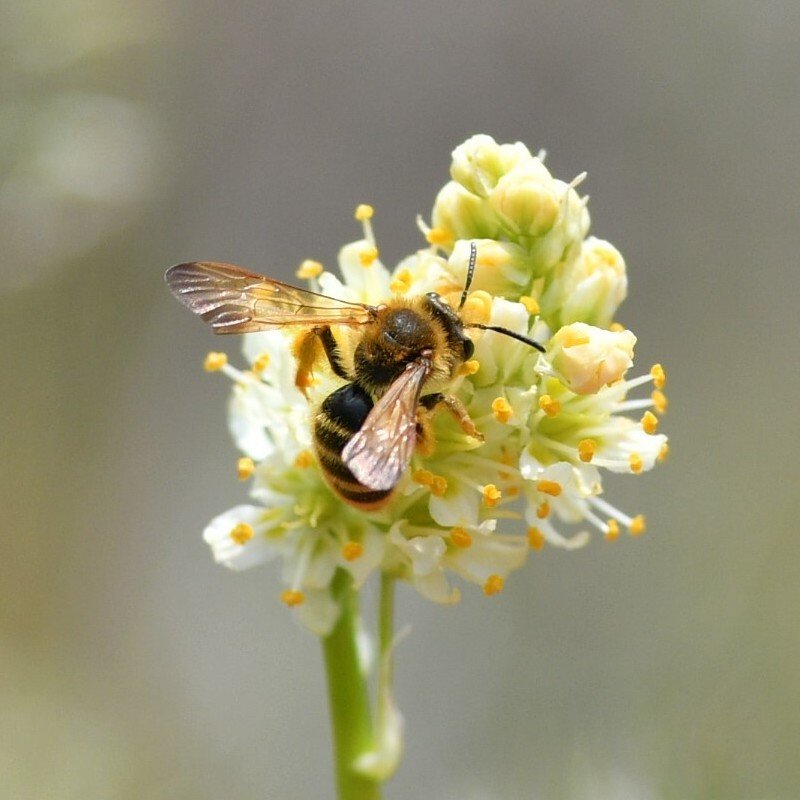
Honey bees, for the record, are generalists everywhere they are kept, which is why honey-bee forage lists translate across regions and native-bee lists do not. If your goal is honey production specifically, our guide to the best plants for honey production in the U.S. is built around nectar yield rather than native-bee support.
What makes a flower truly bee-friendly
A useful bloom supplies both high-energy nectar and protein-rich pollen, and puts them where a bee can reach. Nectar fuels adult flight; pollen provides the protein and fats that feed larvae, so a garden needs both rewards across the season.
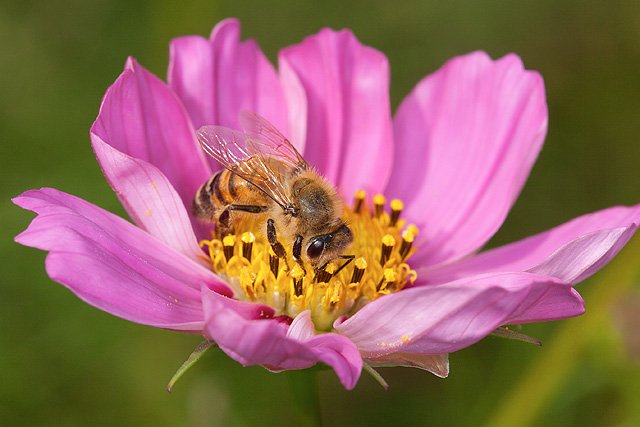
Bees see blue and purple best and use ultraviolet nectar guides to home in on rewards. Long-tongued species (bumblebees, many mason bees) can work tubular flowers; short-tongued bees (sweat bees, many mining bees) need open disks and shallow clusters. Single blooms outperform doubles because doubles often replace reproductive parts with extra petals — pretty, but empty.
| Feature | Benefit to bees | Examples |
|---|---|---|
| Nectar (carbohydrate) | Fuels adult flight and foraging | Salvia, borage, anise hyssop |
| Pollen (protein) | Feeds larvae; colony and nest growth | Native sunflowers, asters, coneflower |
| Flower shape | Matches bee tongue length | Tubular (bee balm, penstemon) vs. open disk (coneflower, single zinnia) |
| Single form | Accessible rewards | Single zinnia, single sunflower, species roses |
| Color | Visibility from a distance | Blue-purple first, then white and yellow |
Native plant groups that do the most work
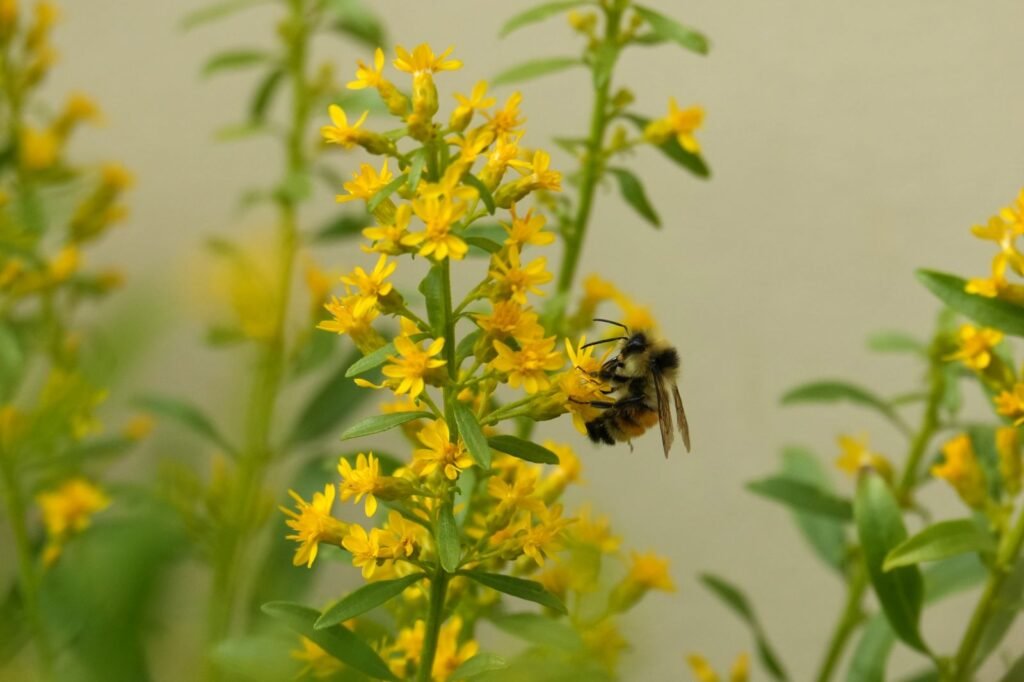
Certain native genera show up again and again in native bee research as supporting an unusually wide range of species. Native sunflowers (Helianthus) and close relatives like blanketflower (Gaillardia), Penstemon species, and goldenrod are consistent standouts across multiple regions, and goldenrod is particularly valuable for the late-season window most other plants have already finished. In western regions, Ceanothus (California lilac) draws an especially broad range of visitors — bumblebees, mining bees, mason bees, and sweat bees have all been documented on it. Colorado State University Extension’s native-bee fact sheet sums up why natives come first:
“Native plants are four times more attractive to native bee species than introduced ornamentals which makes sense because they would have co-evolved together.”
| Plant genus | Common name | Bloom season | Bee groups documented using it |
|---|---|---|---|
| Helianthus | Native sunflower | Summer–fall | Generalists, specialist sunflower bees (Melissodes and others) |
| Solidago | Goldenrod | Late summer–fall | Bumblebees, sweat bees, many generalists |
| Symphyotrichum | Native asters | Fall | Bumblebees, sweat bees, mining bees |
| Penstemon | Beardtongue | Spring–summer | Mason bees, bumblebees |
| Monarda | Bee balm | Summer | Bumblebees, long-tongued bees |
| Ceanothus | California lilac (western U.S.) | Spring | Bumblebees, mining bees, mason bees, sweat bees |
| Salix / Acer | Willow, maple (trees) | Early spring | Emerging queens, mining bees, honey bees |
The Xerces Society’s regional pollinator plant lists and the site’s own 22 best U.S. native plants for pollinators expand this table region by region, and the best trees for bees covers the woody early-season sources most gardens overlook.
Top bee-friendly plants by category
A smart palette pairs long-blooming native perennials with shrubs, quick annuals, and flowering herbs so there is always something open.
Gardener-run channel Garden Moxie walks through several of the strongest pollinator-plant picks, and one common one worth skipping, a useful visual companion to the picks below.
Perennial powerhouses
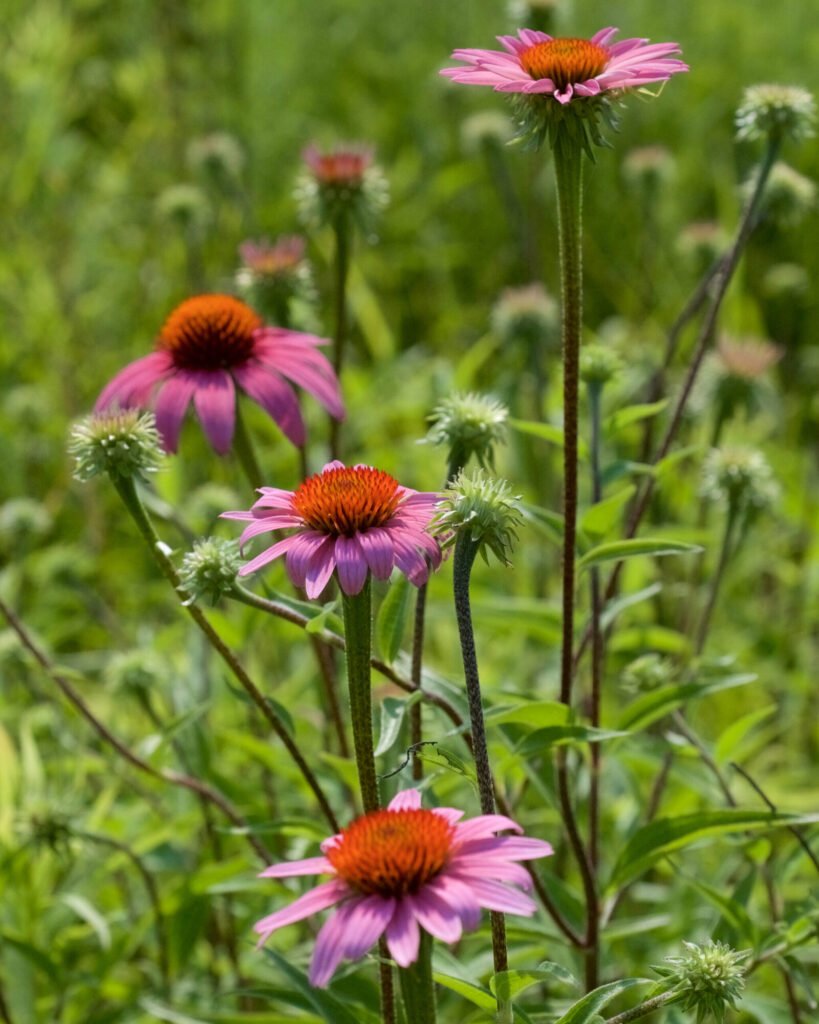
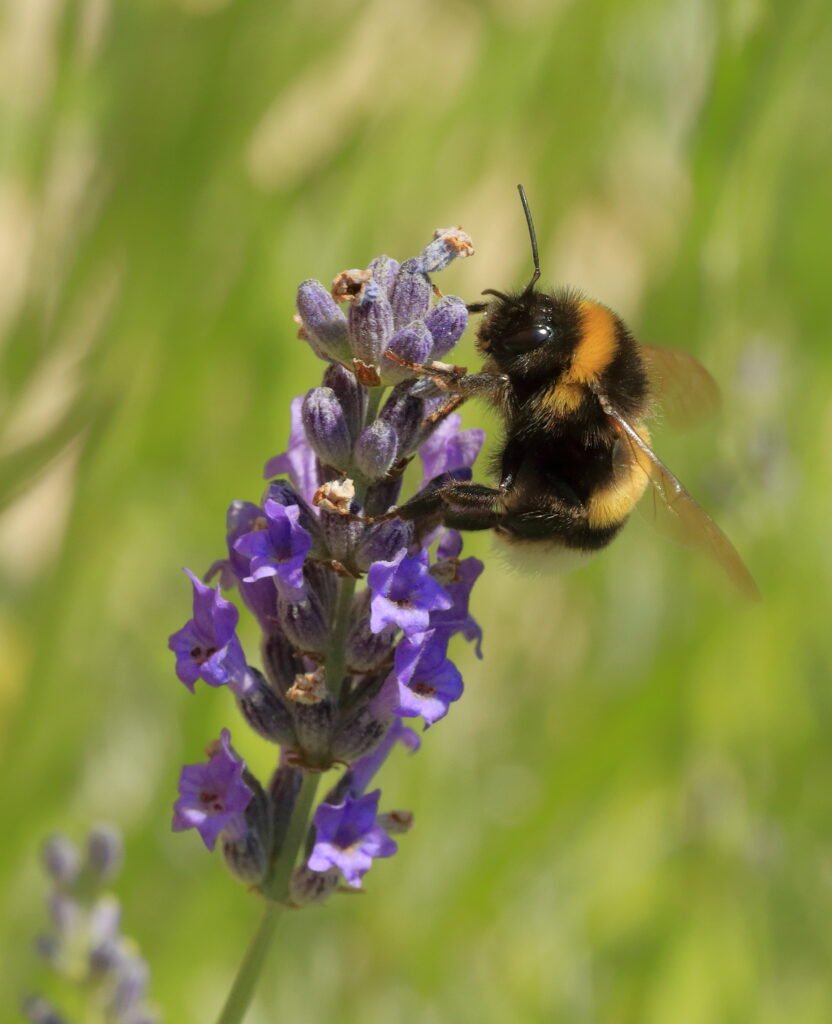
Bee balm (Monarda) makes vibrant drifts, grows 2–4 feet, and its two-lipped blooms draw bumblebees and other long-tongued species; contain its mint-family spread in a raised bed if that worries you (see our bee balm growing guide). Purple coneflower and black-eyed Susan tolerate dry sites and leave seed heads that feed birds through winter. Asters, goldenrod, and yarrow are the late-season anchors. Liatris (blazing star) sends up purple spires bees work from the top down. For moist corners, Joe Pye weed, boneset, and turtlehead thrive and leave hollow stems for overwintering bees. Ornamentals worth including alongside natives: catmint and lavender, which bloom for months and, as our lavender guide shows, are reliably worked by bumblebees and honey bees.
Shrubs and small fruits
Blueberries bloom in spring with bell-shaped flowers that early foragers — including specialist blueberry bees in the Southeast — depend on; they need acidic soil, so use amended beds or pots. Lowbush types suit small spaces, highbush cultivars make an edible hedge. Milkweeds (common, butterfly weed, swamp milkweed) support bees as well as monarchs. Shrubs that flower in the shoulder seasons — late spring and early fall — do disproportionate work keeping bees foraging when little else is open.
Annuals for quick color and continuous bloom
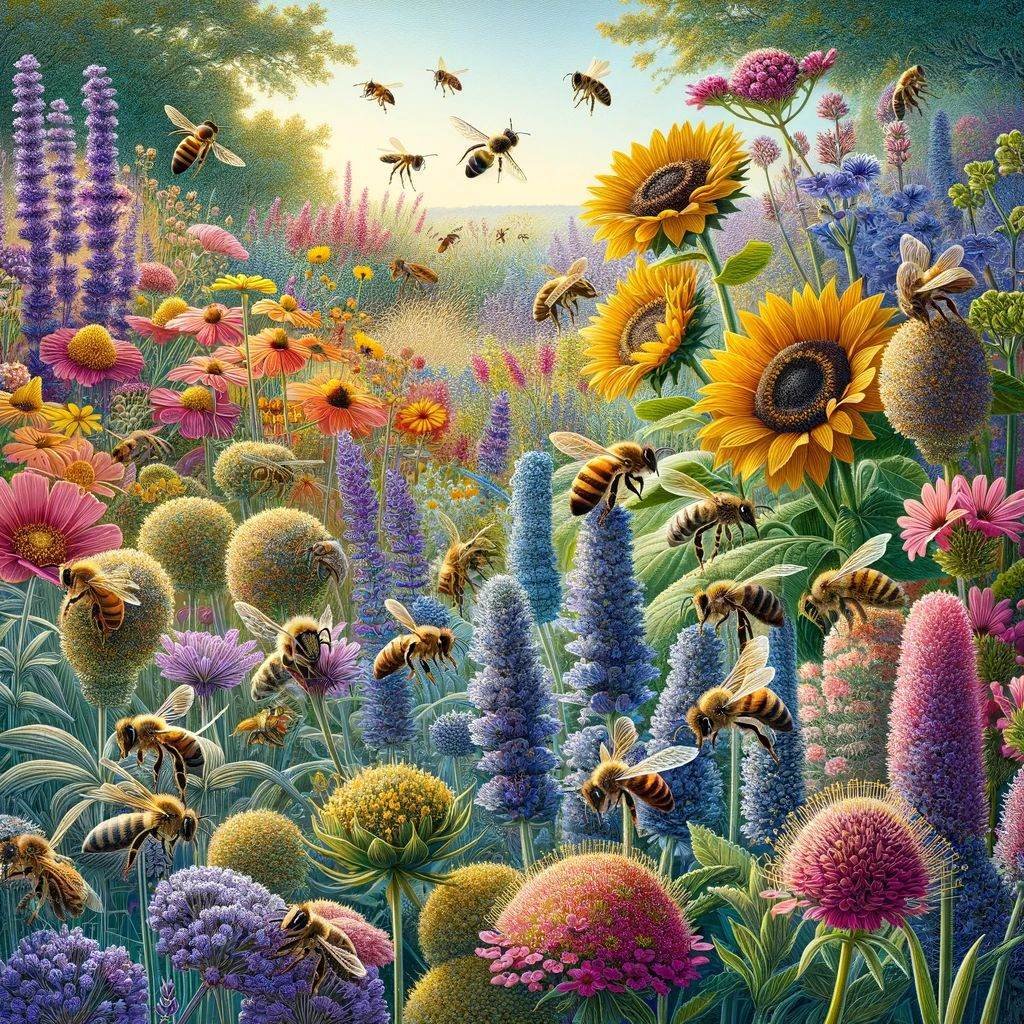
Open-pollinated sunflowers (avoid pollenless florist varieties), zinnias, and cosmos are easy to grow and reflower fast; deadhead cosmos to keep it going. Borage refills its nectar quickly and is edible, cornflower is a bumblebee favorite, and snapdragons and sedum bridge the spring and fall shoulders. Direct-sow sunflowers, zinnias, and borage; start snapdragons indoors for an earlier bloom, and sow in blocks rather than singles.
Herbs that feed bees and your kitchen
Anise hyssop pairs licorice-scented leaves with purple blooms from midsummer to fall and is one of the most reliable bee plants you can grow. Let some sage, chives, and thyme flower — creeping thyme makes a low carpet of small blooms — and add mountain mint, a well-behaved native mint that blooms late and draws everything.
| Herb | Bloom time | Attracts | Kitchen use |
|---|---|---|---|
| Anise hyssop | Midsummer to fall | Solitary bees, bumblebees, honey bees | Tea, garnish |
| Chives | Spring to summer | Honey bees, small bees | Salads; flowers edible |
| Creeping thyme | Late spring | Small bees | Seasoning, groundcover |
| Mountain mint | Late summer | Bumblebees, wasps, sweat bees | Tea, fresh leaves |
| Borage | Summer, reseeds | Honey bees, bumblebees | Edible flowers |
Why region and site matter more here than for honey bee forage
Honey bee forage recommendations translate reasonably well across regions, since honey bees are generalists everywhere. Native bee specialist relationships do not work that way — a specialist in the Southwest may depend on a plant that does not grow, or does not support the same bee, in the Northeast. Regional extension resources and native plant societies are a better source for locally accurate specialist pairings than any single national list; the USDA Natural Resources Conservation Service’s pollinator resources include region-specific technical notes built around exactly this kind of local plant-bee matching.
Match plants to the site’s moisture and light
Wet corners and rain gardens: Joe Pye weed, turtlehead, swamp milkweed, boneset, and blue lobelia thrive in damp spots and leave hollow stems for overwintering. Dry, sunny beds: purple coneflower, butterfly weed, yarrow, blazing star, and native sunflowers tolerate drought and shine in full sun. Group each set in drifts so flowers read as a single block and bees move efficiently between blooms. Larger projects — converting turf or seeding a meadow — are covered in how to turn a lawn into pollinator habitat and how to build a pollinator meadow.
Season-long bloom plan for continuous nectar
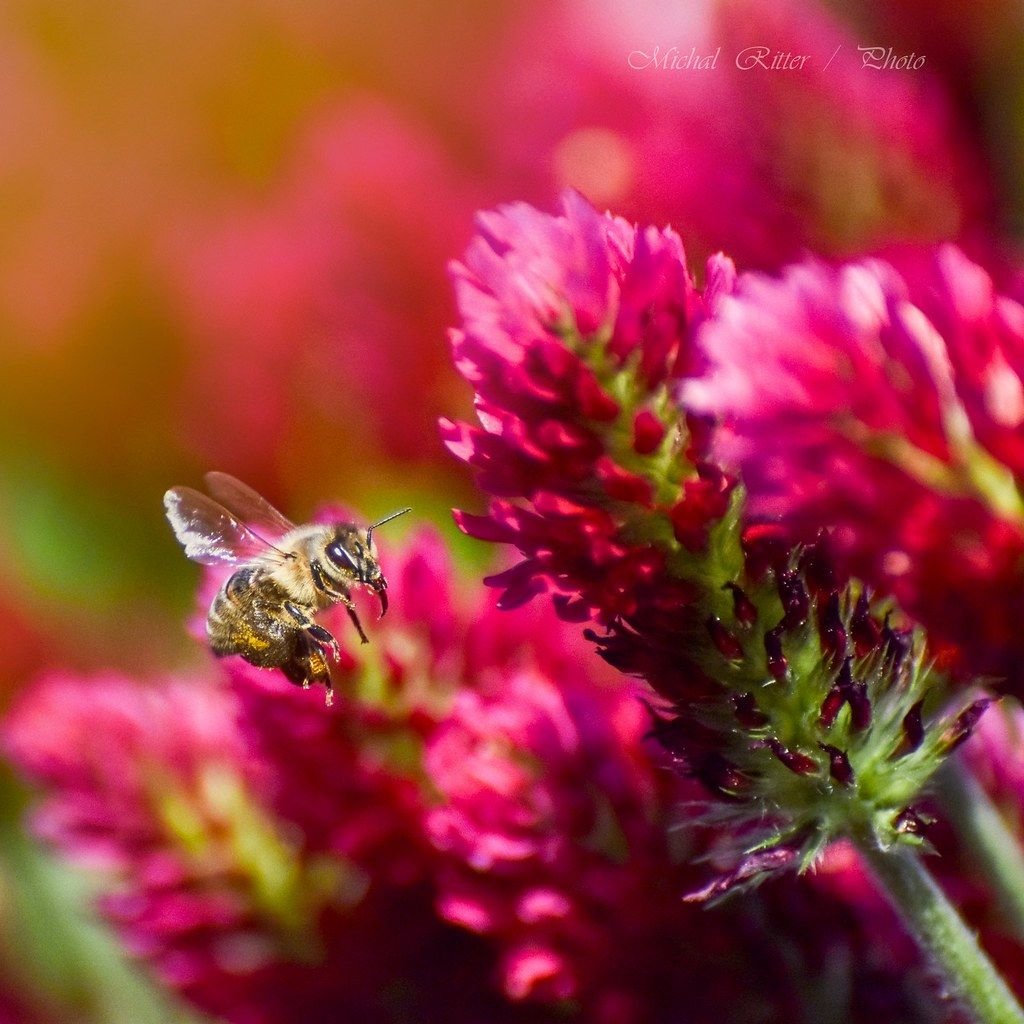
Plan bloom in layers so nectar and pollen appear without gaps from late winter through fall. The two gaps most gardens leave are early spring, when queens emerge from hibernation with nothing open, and fall, when the last summer perennials fade before asters and goldenrod are planted.
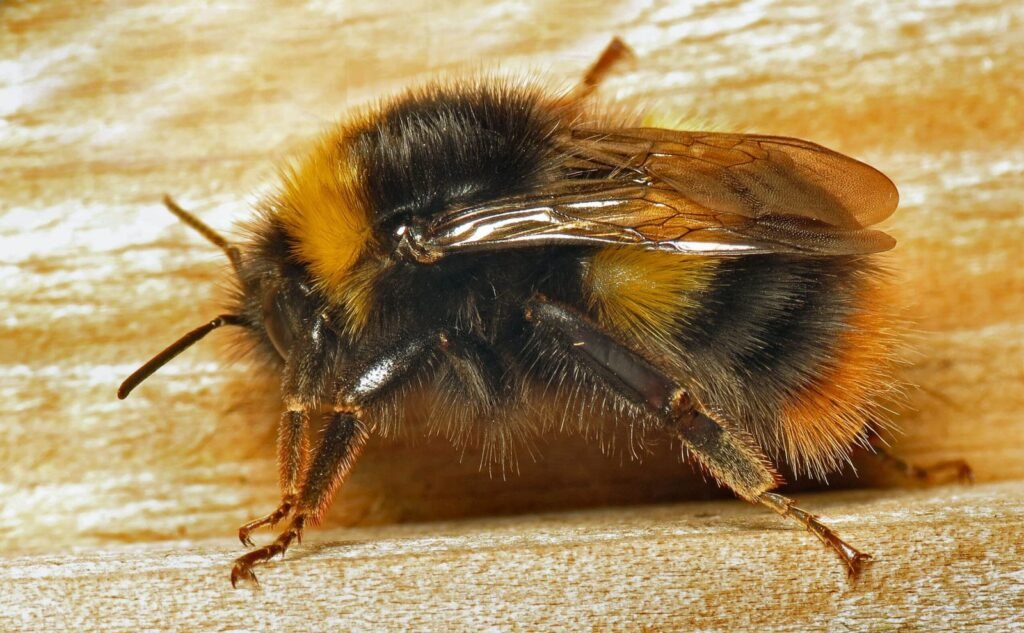
Late winter to early spring starts with willow and maple catkins, crocus, and snowdrops, with dandelions as an informal stopgap. Summer stacks bee balm, coneflower, catmint, lavender, sunflowers, and zinnias. Fall finishes with asters, goldenrod, sedum, and anise hyssop so bees build reserves before dormancy.
| Season | Key species | Benefit |
|---|---|---|
| Late winter–early spring | Willow, maple, crocus, snowdrops, Ceanothus (West), blueberry | Feeds emerging queens and spring specialists |
| Late spring–early summer | Penstemon, bee balm, catmint, chives, borage, milkweed | Peak nesting season for most native bees |
| Midsummer | Coneflower, black-eyed Susan, lavender, sunflowers, zinnias, anise hyssop | Long bloom and easy access |
| Late summer–fall | Goldenrod, asters, Joe Pye weed, sedum, mountain mint | Builds reserves before winter; feeds late specialists |
- Overlap blooms: aim for two or three concurrent species during every transition.
- Track a bloom calendar each year and swap underperformers for quick annuals if a gap opens.
- Reserve at least one native in each time slot so specialists as well as generalists are served.
Beyond flowers: nesting, water, and sun
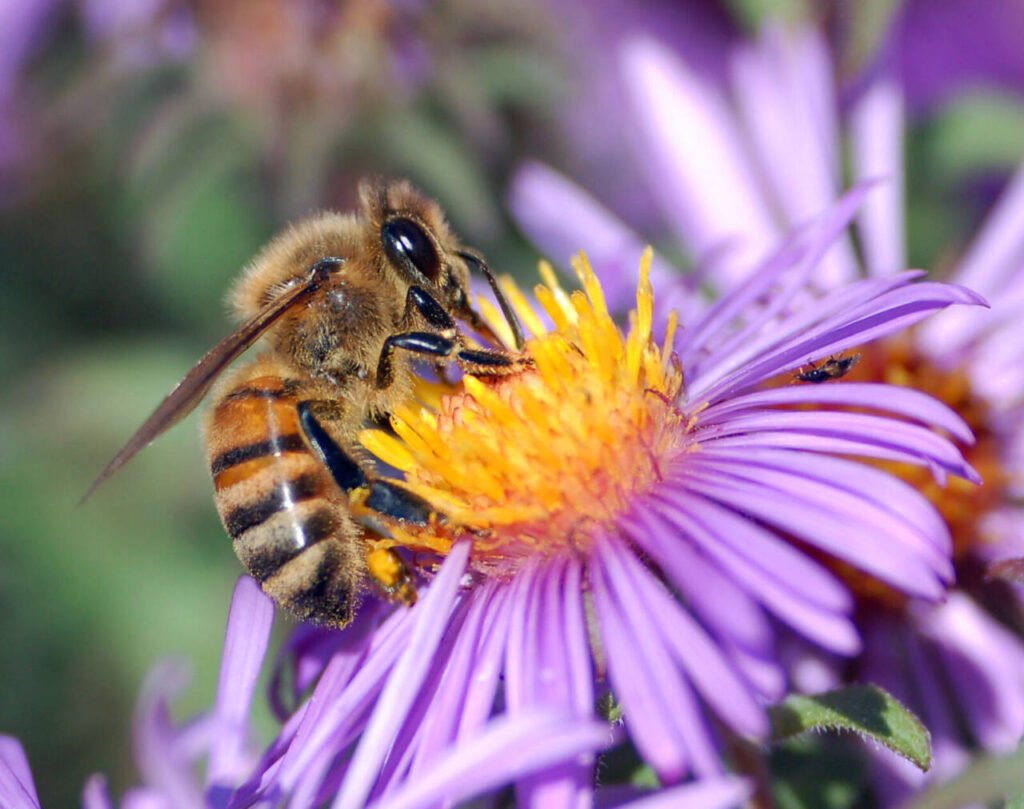
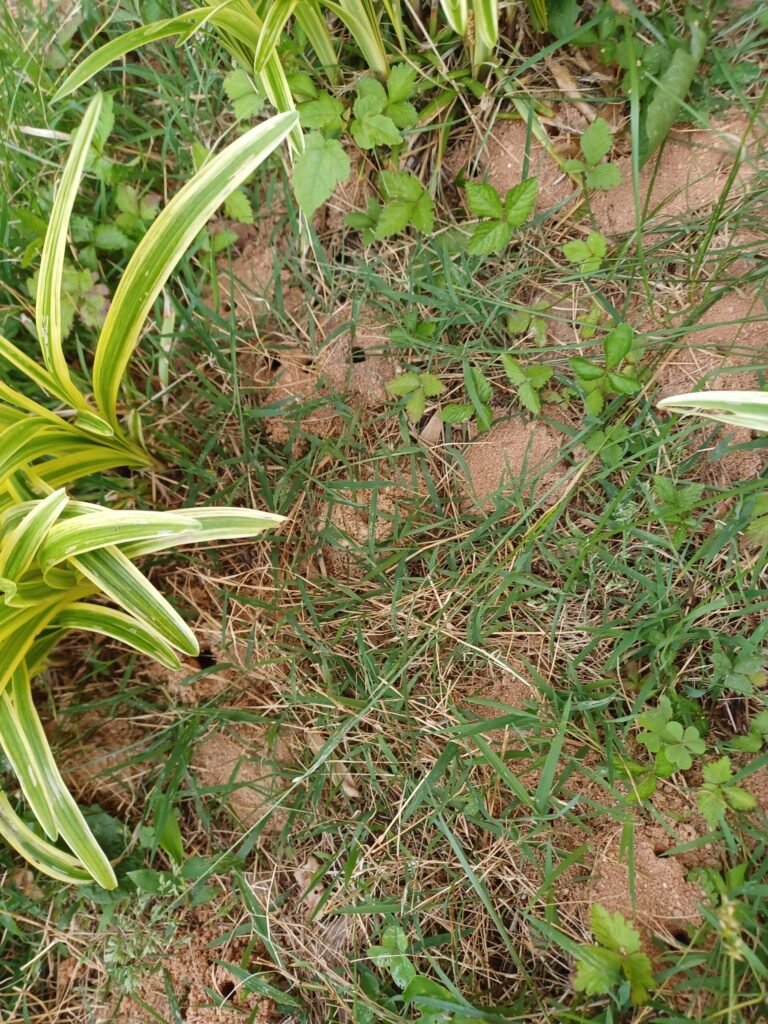
Most native bees are solitary, not colonial like honey bees, and the great majority nest in the ground while most of the rest nest in hollow or pithy stems and existing cavities. A garden genuinely built for native bees therefore needs more than the right flowers. Utah State University Extension’s guide to gardening for nesting native bees, written by USDA-ARS research entomologist James H. Cane, puts the proportion bluntly:
“At least three-fourths of our native bee species nest in the ground.”
Nesting: bare soil and standing stems
Leave some patches of bare, well-drained, sunny soil unmulched for ground-nesters, and avoid daytime sprinkler irrigation over active nest sites, since a sudden soaking can cause abandonment. For cavity-nesters, the same guide’s advice is the opposite of a tidy fall cleanup:
“Instead of cutting dead stems to the ground when pruning or thinning, leave a foot-long stub for the bees.”
Delay spring cleanup until temperatures are reliably warm, keep a few dead stems and small logs, and if you add a bee hotel, clean or replace the tubes each season so parasites do not build up.
Water and sun
Provide a wide, shallow dish or a rock-lined birdbath with pebbles so bees can land and sip without drowning, refreshed often. Site pollinator beds in full sun where possible; most nectar-rich species need at least half a day of direct sun to bloom well. For the broader mechanics of a garden that supports the full range of beneficial insects, see pollinator gardens: how to attract beneficial insects.
Small spaces and containers
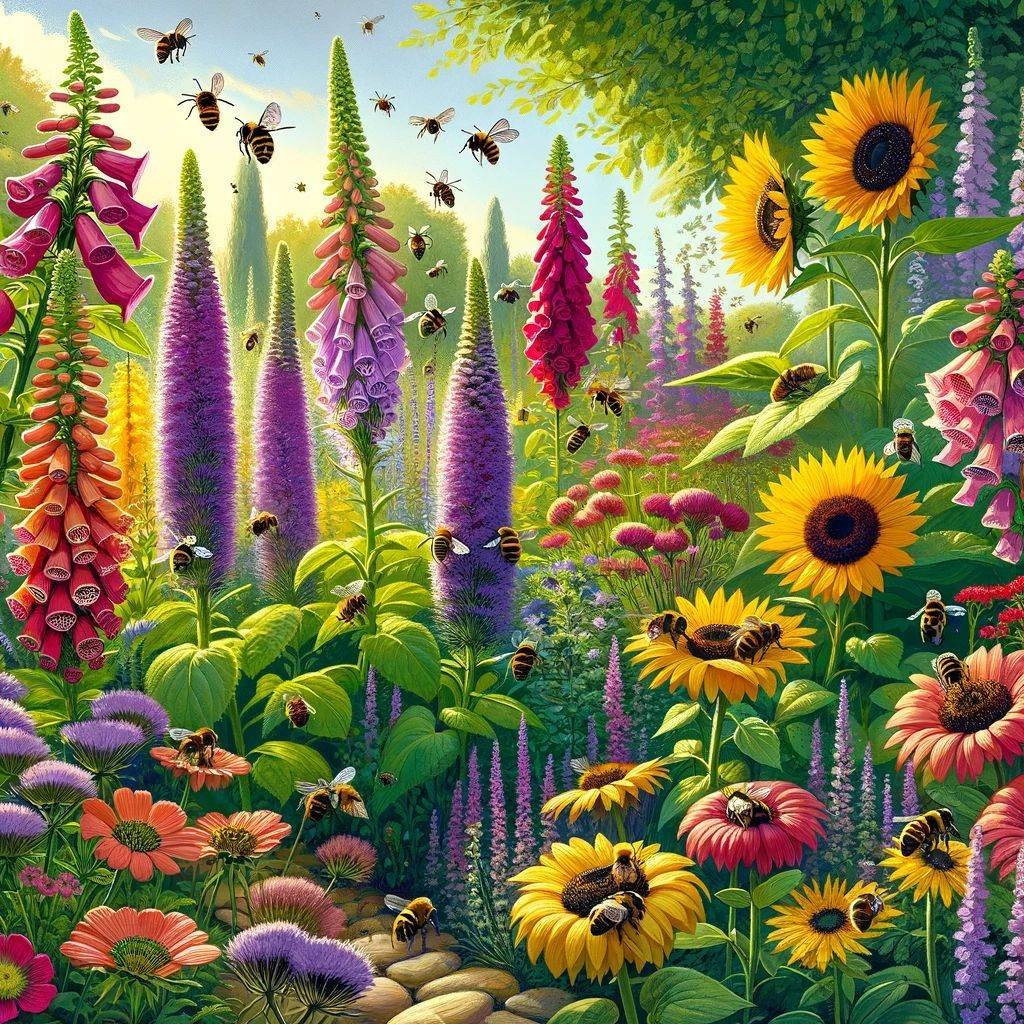
Balcony boxes and containers deliver real rewards when you choose high-nectar species and give them full sun. Build compact planters with catmint, dwarf sunflowers, creeping thyme, and zinnias, layering short and tall stems. Edible containers — blueberries in an acidic mix, chives, sage, thyme — yield food and forage at once. Add a pebble-filled saucer of water among the pots, rotate containers to follow the light, and refresh potting mix yearly. The full no-yard approach is in balcony and container pollinator gardens.
Common mistakes that repel bees
Simple choices — buying pretreated stock, picking showy doubles, blanket-spraying — cut nectar and pollen rewards and raise the risk to every visitor. Systemic insecticides in particular move into flower tissues and nectar, so a “pest-free” nursery plant can poison the bees it was bought to feed.
| Mistake | Why it harms bees | Better option |
|---|---|---|
| Pretreated or systemic-treated nursery stock | Chemicals persist in nectar and pollen | Buy untreated stock; ask the nursery directly |
| Double-flowered or pollenless cultivars | Reproductive parts replaced or removed | Single-flowered forms, open-pollinated seed |
| Blanket spraying, especially in bloom | Kills beneficial insects along with pests | IPM, spot treatment at dusk, never on open bloom |
| Heavy mulch everywhere | Buries ground-nesting sites | Leave bare, sunny patches unmulched |
| Tidy fall cleanup | Removes stem nests and overwintering insects | Leave stems and seed heads until late spring |
| Generic wildflower mixes | Often non-native, sometimes invasive | Regional native mixes; see our wildflower seed mix buying guide |
Care practices that protect nectar and pollen sources
Cluster plantings of three or more of the same species shorten flight time and give bees a stronger visual target. Use succession sowing for annuals like zinnias and cornflower every 2–4 weeks, deadhead perennials selectively to extend bloom while leaving some seed heads, and put a reliable midsummer nectar plant such as anise hyssop in every bed.
- Keep beds in full sun where most bee-attractive plants thrive.
- Mulch 2–3 inches to save water and protect soil life, but leave bare pockets for ground-nesting species.
- Water deeply and less often; stressed plants cut back on nectar.
- Commit to no synthetic insecticides; use hand removal, trap cropping, and targeted biologicals, and if a spray is genuinely necessary, apply it as a spot spray at dusk after bees have stopped foraging, never on a plant in open bloom.
- Seeds give you heirloom and native variety at low cost; transplants bloom sooner in year one. Order bare-root perennials in late winter, start annual seeds 6–8 weeks before last frost, and time everything to your USDA zone rather than a generic date.
Conclusion
Plant natives first — the specialist quarter of native bees depends on them — then fill with the ornamentals and herbs that bloom longest, stage the three seasonal layers so nothing is ever gapped, and treat bare soil and standing stems as part of the planting. Check a regional list for the specialist pairings a national list will miss, and let clover flower in the lawn while you decide what else to plant.
FAQ
How is planting for native bees different from planting for honey bees?
Honey bees are generalists well served by a wide range of flowers. About a quarter of native bee species are specialists tied to a narrow set of native plants, so a garden built only around honey bee favorites feeds honey bees and generalists but can miss that group entirely.
What are the best plants for supporting the widest range of bees?
Native sunflowers, goldenrod, asters, Penstemon, bee balm, and, in the West, Ceanothus are consistently documented as supporting many bee families. Add lavender, catmint, anise hyssop, borage, and open-pollinated sunflowers for long bloom, and willow or maple for the earliest spring forage.
Which early-spring flowers matter most to emerging bees?
Willow and maple catkins, crocus, snowdrops, blueberry, Ceanothus in the West, and even dandelions. Bumblebee queens and spring mining bees emerge when little else is open, and those first blooms decide whether a nest gets founded.
Do native bees need anything besides flowers?
Yes. At least three-quarters nest in the ground and most of the rest in stems or cavities. Leave some bare, sunny soil unmulched, keep dead stems standing through winter (a foot-long stub when you do prune), and provide a shallow pebble-filled water dish.
What percentage of native bees are pollen specialists?
Roughly a quarter of the approximately 4,000 native bee species in the U.S. and Canada are pollen specialists dependent on a narrow range of plants — sometimes a single species — rather than foraging generally like the majority.
Why does region matter so much for plant choices?
Many specialist bee-plant relationships are geographically specific: a plant that supports a specialist in one region may not grow, or support the same bee, elsewhere. Regional extension and native plant society lists give more accurate local guidance than a single national list.
Can small spaces and containers really support bees?
Yes. A few sunny containers of catmint, dwarf sunflowers, creeping thyme, chives, and zinnias make a visible food source that bees visit steadily; add a pebble-filled saucer of water and refresh the potting mix each year.