Last Updated September 15, 2026
Long before a young beekeeper ever considers pursuing a formal adult certification, thousands of American kids get their actual start in apiculture through a structured, university-backed youth program most people associate with livestock and cooking, not honey bees. With the traditional Boy Scouts beekeeping merit badge long discontinued, 4-H beekeeping projects, offered through Cooperative Extension programs at land-grant universities across the country, have become the most structured, widely available path for a young person to learn apiculture seriously — a genuine, hands-on, mentored introduction to hive management years before they’d typically qualify for adult certification pathways. This guide covers what 4-H beekeeping projects actually involve, how the program is structured through local clubs and Extension offices, what a typical project year looks like, and how it complements the more advanced certification paths already covered on this site.
Table of Contents
- Key Takeaways
- What 4-H Beekeeping Programs Actually Are
- How the Program Is Actually Structured
- The Three Progressive Divisions
- Project Record Books: The Core Learning Tool
- Fair Exhibits and Judging Contests
- The Role of Adult Volunteer Leaders
- Age Range and Getting Started
- How 4-H Differs From Adult Certification Programs
- The Broader Life Skills 4-H Deliberately Builds In
- A Genuine Connection to University Apiculture Research
- Safety and Adult Supervision Built Into the Model
- A Genuinely Accessible Entry Point Cost-Wise
- Common Mistakes
- Frequently Asked Questions
Key Takeaways
- 4-H beekeeping projects, delivered through the Cooperative Extension System at land-grant universities, give American youth (roughly ages 5-19) a genuine, mentored, hands-on introduction to hive management.
- The model centers on a project record book, an adult volunteer leader who fills a real mentor role, and often a county or state fair exhibit or judging contest at the end of the project year.
- Many state programs structure the project as three progressive divisions — starting with foundational knowledge before a colony is even required, then hands-on hive management, then advanced topics like splits and disease management.
- It’s a genuinely different track from adult Master Beekeeper certification — experiential and skill-building rather than a formal credentialing exam — though it provides a strong practical head start for anyone who later pursues adult certification.
- Because state curricula are developed with university apiculture extension specialists, participants get research-backed material, not informal or outdated information.
- It’s a genuinely low-cost entry point — record books commonly run around $15 a year, and shared equipment, hive access, and mentorship are often provided through the local club rather than requiring a family’s own full setup.
What 4-H Beekeeping Programs Actually Are
4-H is a well-established national youth development program delivered through the Cooperative Extension System at land-grant universities across the United States, and many state 4-H programs offer a dedicated beekeeping or apiculture project area alongside more traditional livestock and agricultural projects. Unlike a formal certification exam, a 4-H beekeeping project is fundamentally an experiential, mentored learning program built around a full season, or often multiple years, of hands-on hive management, documentation, and community presentation.
How the Program Is Actually Structured
A young person typically enrolls in a beekeeping project through their local county 4-H club and Extension office, gaining access to state-specific project curriculum materials, often developed by university apiculture extension specialists, covering everything from basic bee biology to hands-on hive inspection technique. Many states organize project work around a full beekeeping season, with structured learning milestones tied to real seasonal hive management tasks, giving participants a genuinely practical, calendar-based framework for their learning rather than an abstract, disconnected curriculum. Many participants continue a beekeeping project across several consecutive years, building progressively more advanced skills, responsibility, and hive-management independence each season rather than treating it as a single one-time activity. Most states structure project participation through an organized local 4-H club or group setting specifically to provide access to shared curriculum, mentor guidance, and peer learning, though some states also offer independent or “Cloverbud” style options for younger or geographically isolated participants, so checking specific local options with the county Extension office remains the most reliable way to confirm what’s actually available.
The Three Progressive Divisions
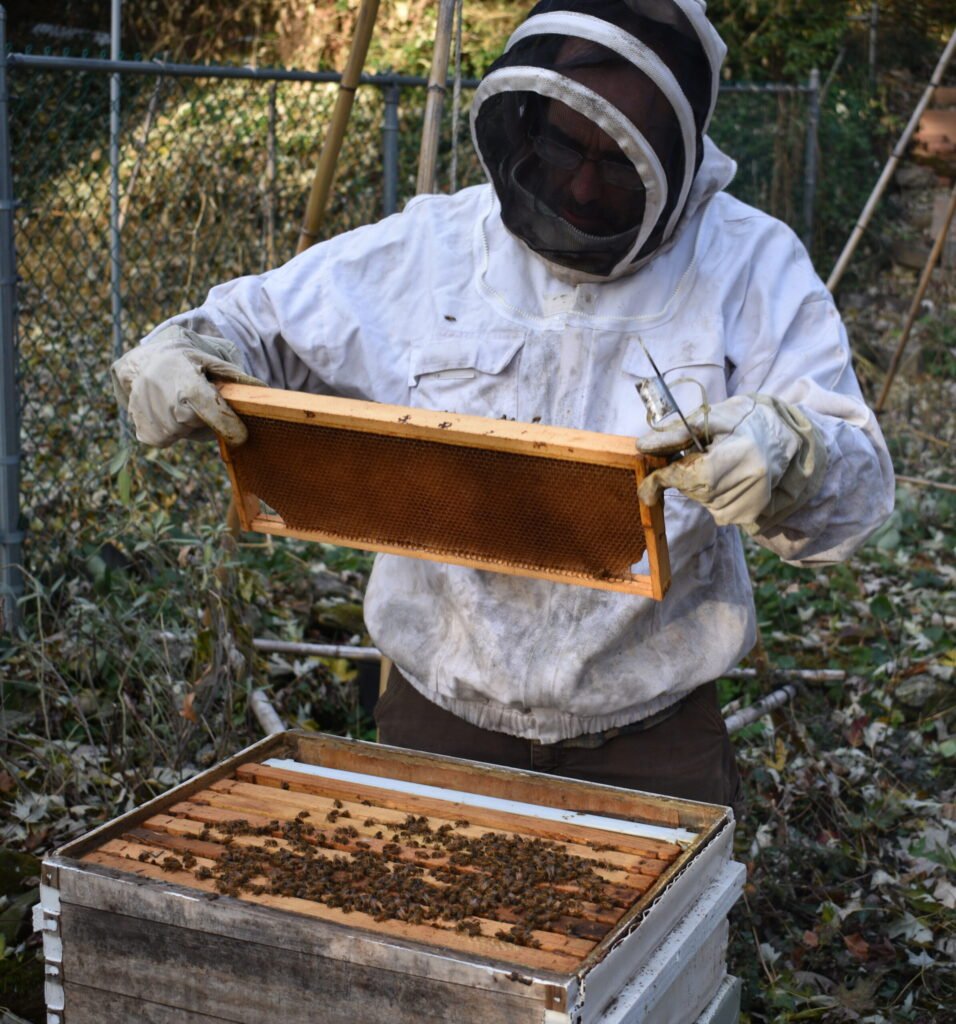
In several state programs — Ohio and Indiana among them — the beekeeping project is organized into three progressive divisions rather than a single undifferentiated curriculum, each building directly on the last. Per Purdue Extension’s 4-H beekeeping manual, Division I, Understanding the Honey Bee, covers foundational knowledge — bee castes, honey and wax production, bee-friendly plants, and the equipment a beekeeper needs — without requiring the young person to actually own a colony yet, a deliberate accessibility feature that lets a curious kid build real foundational knowledge before a family commits to the cost of an actual hive.
Division II, Working with Honey Bees, is where the project becomes genuinely hands-on: youth acquire a colony and manage a real beehive throughout a full season, including basic operations that lead to producing extracted, chunk, or cut-comb honey. This is the point where a family needs to have made a real decision about hosting a hive — whether on their own property (subject to the same local zoning and HOA considerations that apply to any residential beekeeping setup) or through an arrangement with a mentor’s or relative’s apiary. Division III, Advanced Beekeeping, is intended for a young beekeeper already experienced in basic hive care, covering splits, boosting honey production, specialty honey types, and disease management — real, substantive apiculture knowledge, not a simplified youth version of the subject. Members who complete Division III often become informal mentors themselves for younger participants joining the program.
Project Record Books: The Core Learning Tool
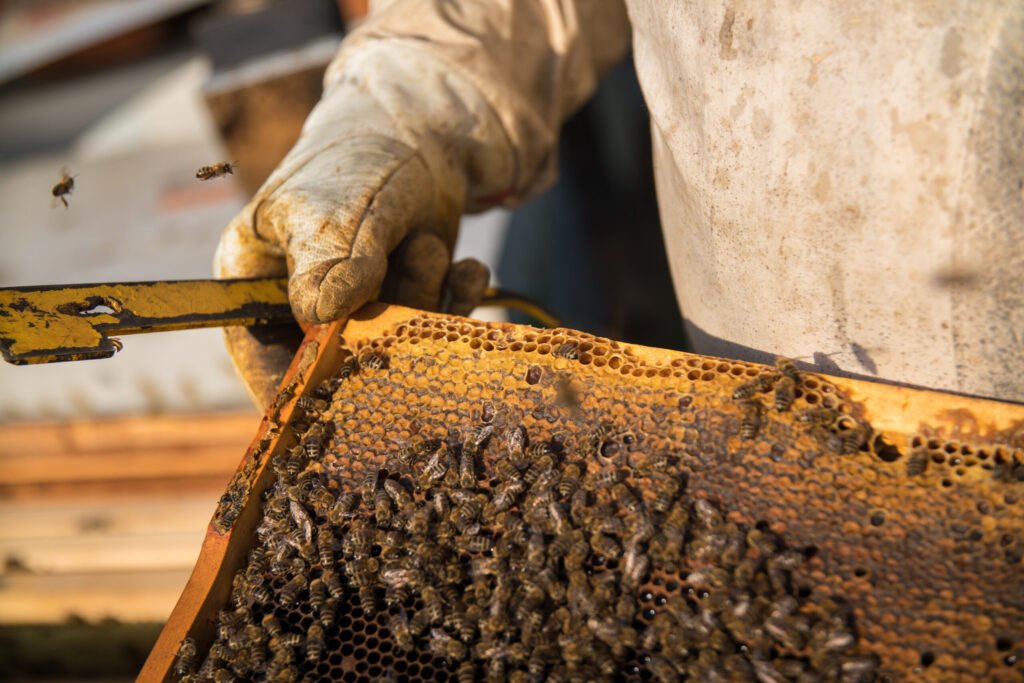
Central to the 4-H model generally, and beekeeping projects specifically, is the project record book, where participants document their activities, observations, expenses, and lessons learned throughout the project year, with a different record book typically corresponding to each division level. These record books commonly cost in the range of $15 and are usually a prerequisite for exhibiting at a county or state fair. This record-keeping requirement is a genuinely deliberate part of the educational design, teaching young beekeepers habits of careful observation and documentation that mirror the record-keeping practices experienced adult beekeepers rely on for effective long-term colony management. Beyond the fair itself, a well-maintained record book becomes a genuinely useful document later — the kind of concrete, sustained project history that stands out on a college application or scholarship essay years down the line.
Fair Exhibits and Judging Contests
Many state and county 4-H programs culminate a beekeeping project year with exhibits at county or state fairs, where participants present honey, beeswax products, educational displays, or documented hive management results for evaluation, alongside more specialized competitive events like entomology or apiculture judging contests offered in some states. In states that offer a dedicated apiculture or beekeeping judging contest, the format generally follows the same general competitive-judging model used across other 4-H project areas, testing participants’ ability to evaluate hive health, identify equipment and bee biology concepts, and answer applied knowledge questions under contest conditions. These public presentation components give young beekeepers genuine experience communicating what they’ve learned to others, a skill that extends well beyond beekeeping itself and reflects 4-H’s broader mission of developing communication and public speaking confidence alongside subject-specific knowledge. Many state 4-H programs also offer project-related awards, recognition, and in some cases scholarship opportunities tied to sustained project achievement and record-book quality, giving dedicated young beekeepers a genuine additional incentive beyond the direct educational value of the project itself.
The Role of Adult Volunteer Leaders
4-H beekeeping projects typically rely on adult volunteer leaders, often experienced local beekeepers, who guide participants through hands-on hive work and help interpret the state curriculum materials in a real apiary setting. This volunteer mentor relationship is genuinely central to how the program functions in practice, connecting directly to the broader mentor-finding process covered in more general depth in this site’s guide to finding a beekeeping mentor, since a 4-H beekeeping leader effectively fills that mentor role specifically for a youth participant. Some counties formally pair members with a mentor as part of the program structure; others rely on informal connections through the local beekeeping community. Where a county doesn’t have an established mentor-matching process, reaching out through a beekeeping internship or apprenticeship program often works just as well — many experienced beekeepers are genuinely enthusiastic about working with a motivated young person even without a formal 4-H connection prompting them.
Age Range and Getting Started
4-H programs generally serve participants from around age five through nineteen, though specific beekeeping project eligibility and activity level typically scale with age, with younger participants often starting with more supervised, foundational activities before progressing to more independent hive management as they gain experience and maturity. 4-H programs, including beekeeping projects where offered, are generally available to youth across both rural and urban or suburban counties, since the Cooperative Extension System maintains offices covering essentially every county in the country, though specific project availability and local club activity can still vary by area — searching your state’s 4-H program plus “beekeeping” (for example, “Ohio 4-H beekeeping” or “Indiana 4-H beekeeping”) is a quick way to find state-specific project manuals and county contact information directly. Families interested in a hands-on youth introduction to beekeeping, including those pursuing homeschooling specifically, can find 4-H project enrollment through their local county Extension office, a natural complement to the broader home-education approach covered in this site’s guide to beekeeping and homeschooling.
How 4-H Differs From Adult Certification Programs
| Trait | 4-H Beekeeping | Adult Master Beekeeper Certification |
|---|---|---|
| Primary audience | Youth (roughly ages 5-19) | Adult beekeepers |
| Format | Experiential project + record book + fair exhibit | Formal exams and/or practical assessments |
| Outcome | Skill-building, project completion, exhibits | Formal certification credential |
| Delivery | County Extension office + local 4-H club | University or regional association |
The Broader Life Skills 4-H Deliberately Builds In
Beyond the technical beekeeping content itself, the 4-H model is deliberately designed around what the organization describes as its core “Head, Heart, Hands, Health” framework, meaning a beekeeping project is intentionally structured to build genuine life skills, responsibility, public speaking confidence, and community engagement alongside the specific apiculture knowledge. A young beekeeper presenting a fair exhibit or explaining their project record book to a judge is practicing real communication and self-advocacy skills that extend well beyond the specific subject matter, which is a genuinely deliberate part of the program’s broader educational philosophy rather than an incidental side effect.
A Genuine Connection to University Apiculture Research
Because 4-H operates through the Cooperative Extension System at land-grant universities, state beekeeping project curricula are often developed or reviewed by the same university apiculture extension specialists who conduct professional bee research and advise commercial beekeepers, giving young participants access to genuinely current, research-backed information rather than outdated or informal material. This university connection also means some states offer young 4-H beekeepers opportunities to interact directly with university extension apiarists through workshops, field days, or judging contest preparation, a genuinely valuable point of access to professional-level expertise most youth programs in other subject areas can’t offer.
Safety and Adult Supervision Built Into the Model
Given that participants are minors working directly with a stinging insect, 4-H beekeeping projects are structured with genuine safety and supervision expectations built directly into the program, typically requiring an adult volunteer leader or parent present for hands-on hive work, particularly for younger or newer participants. This structured supervision approach aligns closely with the broader age-appropriate safety guidance already covered in this site’s guide to beekeeping safety rules for kids, and in practice a 4-H beekeeping leader’s supervisory role serves much the same function as the general adult-supervision framework that guide describes.
A Genuinely Accessible Entry Point Cost-Wise
Compared to the cost of a full personal apiary setup, including hives, protective gear, and tools, a 4-H beekeeping project generally represents a genuinely lower-cost entry point into hands-on beekeeping, since much of the shared equipment, mentorship, and even hive access is often provided through the local club or volunteer leader rather than requiring a family to make a full independent investment upfront. Some 4-H clubs and county programs specifically maintain shared equipment or club apiaries to reduce this barrier for families not ready to invest in a full personal setup right away — it’s worth asking your local program directly whether such resources exist before assuming a complete individual setup is required from day one. Beyond the record book fee, the real financial commitment begins once a member reaches Division II and needs a starter hive, protective equipment, and a package or nuc colony of their own. This accessibility is a genuinely deliberate feature of the 4-H model overall, aimed at removing cost as a barrier to youth participation in agricultural and life-skills education broadly, not beekeeping specifically.
Common Mistakes
The most common mistake is assuming 4-H beekeeping is simply a watered-down or informal activity without real educational structure, when state programs typically involve genuinely developed university-backed curriculum materials and meaningful hands-on hive management responsibility. Another mistake is treating 4-H project completion as equivalent to a formal adult certification, when the two serve genuinely different purposes and audiences rather than one being a junior version of the other. Families also sometimes assume 4-H beekeeping requires their own hive and equipment from day one, when many programs specifically accommodate participants without personal equipment through mentor-provided or club-shared hive access, especially at the introductory level.
Sources and Further Reading
This guide draws on the official 4-H youth development program, and state Extension beekeeping project curricula including Ohio State University Extension’s 4-H beekeeping program and Purdue Extension’s 4-H beekeeping project, including Purdue’s Understanding the Honey Bee project manual.
Frequently Asked Questions
Do families need to already own bees or hive equipment to join a 4-H beekeeping project?
Not necessarily; many programs and volunteer leaders provide access to shared or mentor-owned hives for participants who don’t yet have their own equipment, particularly at the introductory project level, making initial participation more accessible than assuming full personal equipment is required from the start.
How is 4-H beekeeping funded or accessed by families?
4-H membership and project enrollment is typically low-cost or free through the local county Extension office, with the annual project record book commonly running around $15, reflecting the program’s broader mission of accessible youth agricultural and life-skills education rather than functioning as an expensive specialty program.
Can 4-H beekeeping project experience help a young person later pursue formal adult certification?
Yes, the hands-on hive management experience and foundational knowledge gained through a 4-H beekeeping project genuinely provides a strong practical head start for anyone who later chooses to pursue an adult certification pathway, even though the two programs aren’t formally connected or equivalent.
Are 4-H beekeeping programs available in every US state?
Availability and specific program structure vary by state, since each state’s Extension system develops and administers its own project curriculum, so families should check with their specific state’s 4-H program or county Extension office to confirm local beekeeping project availability.
How does a family actually find out if their county offers a 4-H beekeeping project specifically?
The most direct approach is contacting the local county Cooperative Extension office directly, since project availability is managed at that local level and Extension staff can confirm current beekeeping project offerings, connect families with an active club, and outline enrollment steps specific to that county and state.
How long does it take to complete the full curriculum where a program is divided into progressive levels?
Where a state structures the project as progressive divisions, it’s a genuine multi-year curriculum rather than a single-session program — most members progress through the levels over several years of active participation, from foundational knowledge through hands-on hive management to advanced topics.
Do 4-H beekeeping participants ever go on to become professional or commercial beekeepers as adults?
While comprehensive tracking of long-term outcomes varies, it’s a genuinely documented pattern within agricultural youth programs generally that early hands-on project experience, including beekeeping, can meaningfully shape a young person’s later career interests, and some commercial and hobbyist beekeepers do trace their initial exposure to the field back to a 4-H project.
Do 4-H beekeeping projects address colony health topics like Varroa mites and disease at an age-appropriate level?
Yes, state curricula generally introduce colony health and pest management concepts appropriate to the participant’s age and experience level, building toward the same kind of practical hive-health awareness experienced adult beekeepers rely on, though presented in a genuinely accessible, developmentally appropriate way for younger participants rather than the full technical depth an adult certification program might cover.