Last Updated September 16, 2026
Yes, public schools can and do keep bees — real, funded programs exist specifically to help schools do this safely, and Washington DC’s own school district publishes an official FAQ confirming honeybees are present in district schools today. This is a genuinely different question from homeschooling with bees, covered elsewhere on this site, since a school apiary involves institutional liability, district approval, and managing a large group of students who didn’t individually choose to be near hives, rather than one family’s own decision on their own property.
This guide covers how school districts actually approach approval, the liability and insurance picture, allergy and safety protocols, and where to find curriculum and funding support built specifically for school apiary programs.
This is distinct territory from a single family deciding to keep bees, and it deserves to be treated that way rather than approached with the same casual confidence a backyard hobbyist hive might warrant – a school apiary answers to an institution, a broader group of parents, and a much larger and more varied group of students than any individual household ever needs to consider. That added complexity is real, but it’s also genuinely manageable with the right preparation, which is exactly what the rest of this guide walks through.
Key Takeaways
- School beehives are a real, established practice — Washington DC Public Schools, among others, maintains an official public FAQ addressing honeybees in district schools directly.
- District approval typically requires a formal proposal (why the program matters, how it will be run, a genuine risk-versus-benefit case) presented to a principal and superintendent, and in some states, local school board approval.
- General liability insurance sized for institutional use — commonly structured around $1 million per claim and $2 million aggregate — is standard for a school apiary, distinct from a homeowner’s policy that wouldn’t apply here anyway.
- Allergy management is non-negotiable: parental permission forms specifically asking about known bee allergies, an on-site EpiPen, and a staff member trained to use it are standard requirements, not optional extras.
- Dedicated nonprofit and curriculum resources exist specifically for school apiaries — the Bee Cause Project’s grant program and NGSS-aligned curricula from organizations like Planet Bee Foundation remove much of the “figure it out alone” burden.
Table of Contents
- Getting District Approval
- Liability and Insurance
- Allergy Management and Safety Protocols
- Curriculum and Funding Resources
- The Managed-Service Option
- Frequently Asked Questions
Getting District Approval
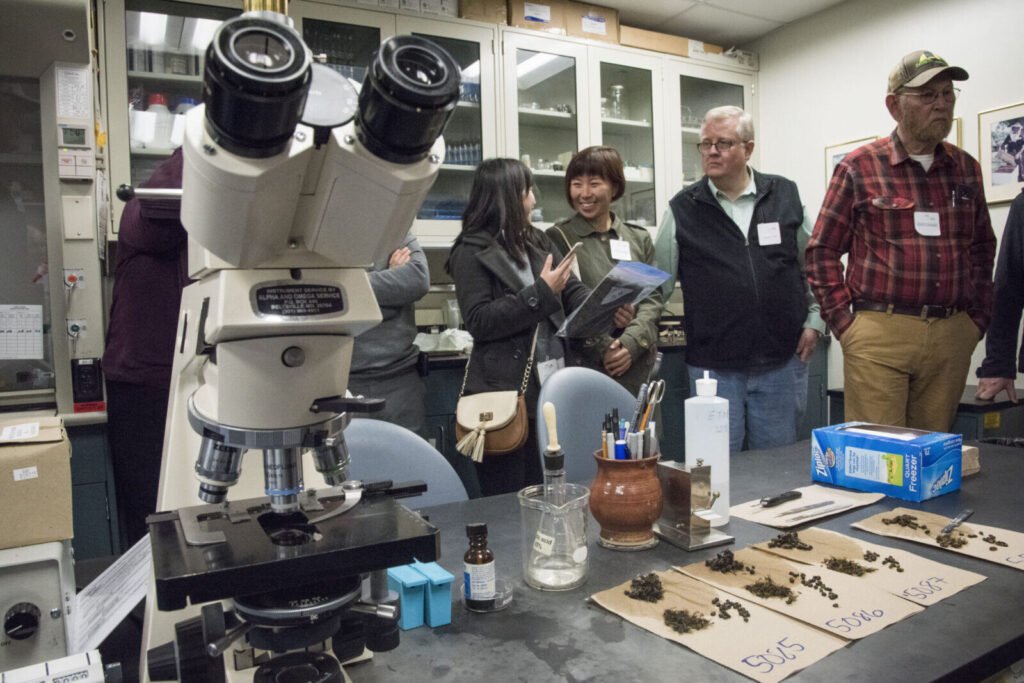
A school apiary proposal typically starts with a formal written case presented to a principal and, often, a superintendent — explaining why the program matters educationally, exactly how it will be run day-to-day, and an honest accounting of risks alongside the genuine educational and ecological benefits. In some states, implementing a program like this requires local school board approval rather than just building-level sign-off, so it’s worth checking your specific state and district’s requirements before assuming principal approval alone is sufficient. Reaching out to a neighboring district that already runs an apiary program, if one exists, can also shortcut a lot of this research – borrowing an already-approved proposal template or risk assessment as a starting point is far more efficient than drafting one entirely from scratch. A real, existing example: Washington DC’s Office of the State Superintendent of Education maintains a public FAQ page directly addressing honeybees in DC Public Schools, confirming this isn’t a fringe or unprecedented request — it’s an established, documented practice with real institutional support behind it in at least one major school district.
The strongest proposals frame the hive as a genuine curriculum asset rather than a novelty – tying it explicitly to specific science standards, a garden or agriculture program already in place, or an existing sustainability initiative the school or district has already committed to. A proposal that answers “what will students actually learn, and how does this connect to what we’re already teaching” tends to move through approval more smoothly than one that leans primarily on enthusiasm for bees as a general concept.
Liability and Insurance
A school apiary needs institutional general liability coverage, not a personal homeowner’s policy, which typically excludes beekeeping activity entirely and wouldn’t cover a school setting regardless. Coverage structures commonly seen for apiary operations run around $1 million per claim with a $2 million aggregate limit for third-party injury or property damage — figures worth having in mind when discussing coverage options with a district’s risk management office or insurance broker. United Educators, a risk-management and insurance provider focused specifically on educational institutions, publishes dedicated guidance on beekeeping-on-campus risk management, reflecting that this is a recognized, planned-for category of institutional risk rather than an unusual edge case insurers haven’t considered before.
Hive placement itself is part of the practical risk picture insurers and district risk offices will want addressed directly: siting the hive away from high-traffic areas like playgrounds and main walkways, using a barrier or fencing to direct bee flight paths upward and away from foot traffic, and restricting hands-on access to supervised, scheduled times rather than leaving the area freely accessible. These placement decisions meaningfully reduce both the actual incident risk and the insurance conversation’s complexity, since a well-sited hive with controlled access is a genuinely lower-risk proposition than one placed casually near a busy area.
| Requirement | Typical Detail |
|---|---|
| Liability coverage | ~$1 million per claim / $2 million aggregate, institutional policy |
| Approval needed | Principal and/or superintendent; school board in some states |
| Allergy protocol | Parental disclosure form, on-site EpiPen, trained staff member |
| Funding source | Bee Cause Project Bee Grant program |
| Curriculum source | NGSS-aligned resources (e.g., Planet Bee Foundation) |
Allergy Management and Safety Protocols
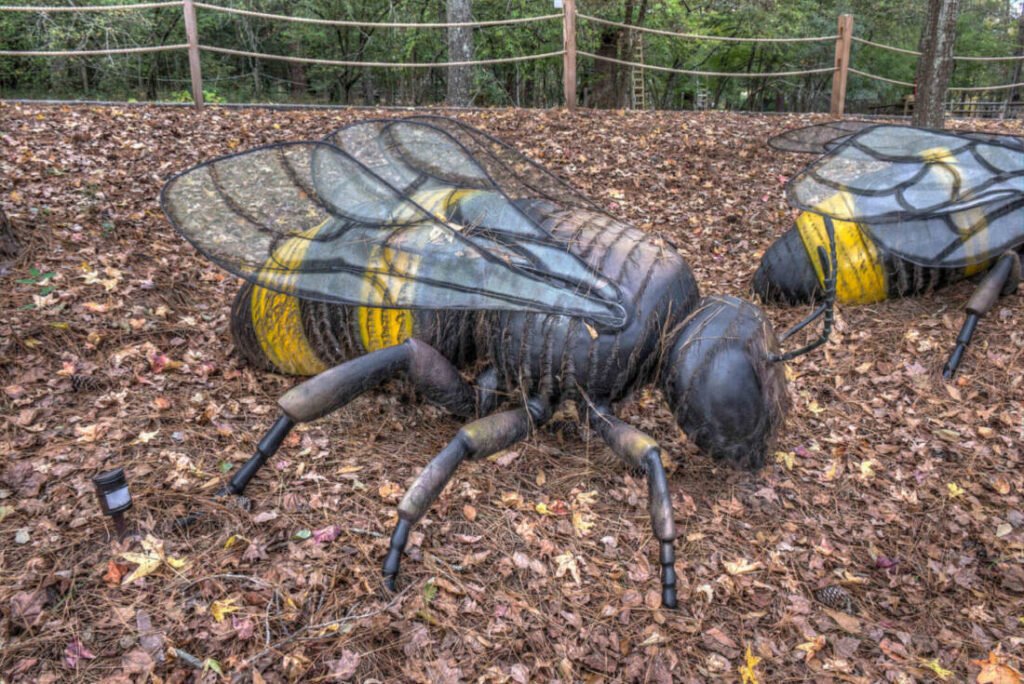
Allergy management is the single most important safety layer for a school apiary, and it needs to be genuinely built into the program rather than treated as an afterthought. Parental permission forms should specifically ask whether a student has a known bee or wasp sting allergy, not just generic liability language, so staff know in advance which students need to be kept away from the hive area entirely. An EpiPen should be on-site whenever the hive is accessible to students, along with at least one staff member trained and authorized to administer it — this combination (specific allergy disclosure plus on-site emergency medication and trained staff) is the standard baseline, not an optional enhancement, given that some students in any group of this size may have an undiagnosed allergy even with careful screening.
Beyond allergy management, basic hive-area rules matter too: no loose clothing or strong perfume near the hive during scheduled visits, calm and quiet movement rather than running or sudden gestures, and full protective gear (at minimum a veil) for any student in close proximity during an actual hive opening. These rules are simple enough for elementary-age students to follow consistently with brief, repeated reminders, and establishing them clearly from the first session sets expectations before students have any reason to test them.
Curriculum and Funding Resources
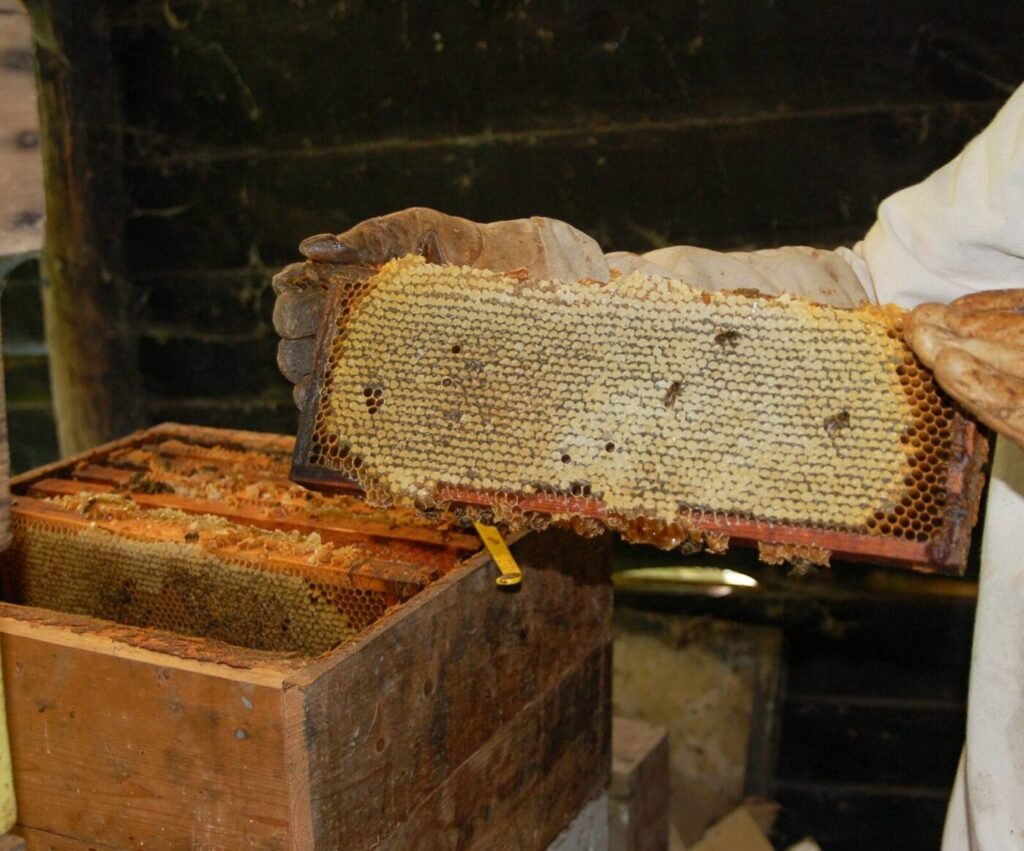
Several organizations exist specifically to remove the “figure this out entirely alone” burden from a school considering an apiary program. The Bee Cause Project’s Bee Grant program provides real funding support specifically for school and community apiary programs, while organizations like Planet Bee Foundation offer NGSS-aligned STEM curriculum built for diverse learning styles rather than a generic beekeeping course repurposed for a classroom setting. Using an established curriculum and funding pathway, rather than building a program entirely from scratch, meaningfully lowers the barrier for a school or teacher without personal beekeeping experience trying to get a program approved and genuinely well-run.
Local beekeeping associations are a further, often free resource worth approaching directly – many are genuinely eager to support school programs and can provide volunteer mentorship, donated or discounted equipment, or a guest presenter for classroom sessions even before a school commits to hosting its own hive. Combining a national curriculum resource with a local association connection tends to produce a more sustainable program than relying on either alone, since the national resource provides structure while the local connection provides the region-specific, hands-on expertise a curriculum document can’t replace.
The Managed-Service Option
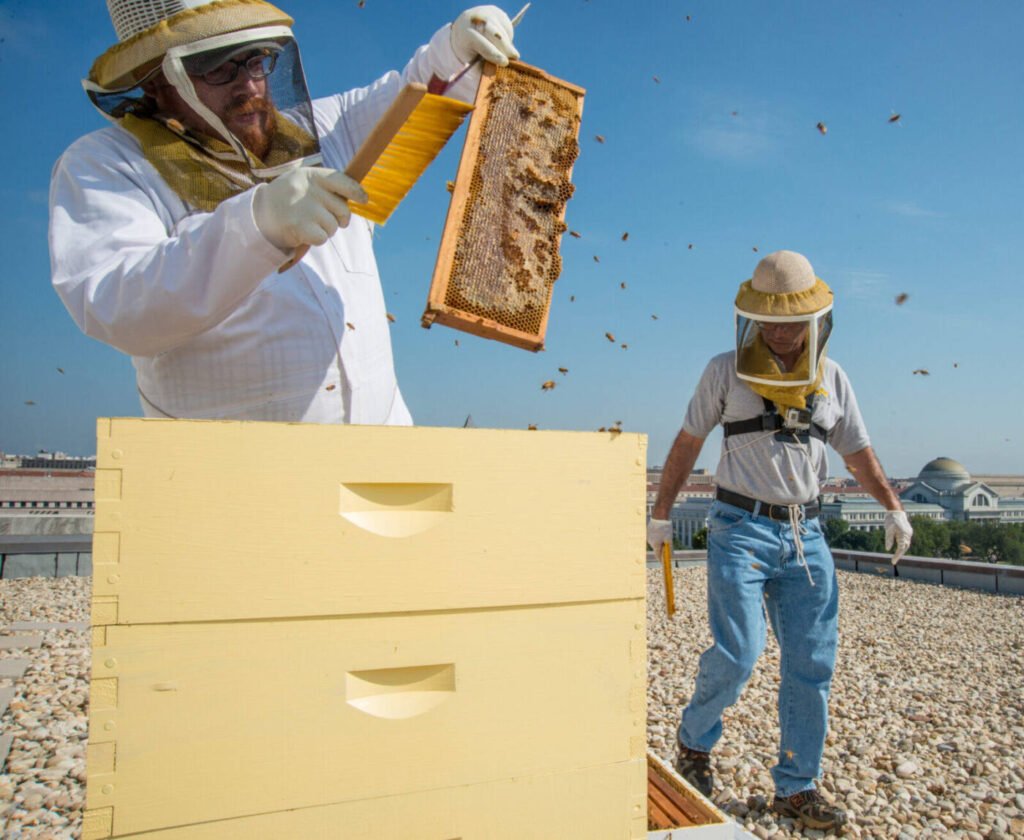
For a school without in-house beekeeping expertise on staff, a professional managed beekeeping service — the same kind of turn-key arrangement covered in our guide to absentee-owner beekeeping — is a genuine option specifically marketed to schools and campuses, handling installation, ongoing hive management, and providing the insurance documentation a district’s risk office will want to see. This removes the requirement that a teacher or staff member personally become a skilled beekeeper before a program can start, letting the educational and curriculum side move forward on a realistic timeline independent of in-house beekeeping skill development.
The trade-off is cost and a degree of reduced direct student involvement in actual hive management, since a managed service handles the hands-on beekeeping work rather than training a teacher or student group to do it themselves. For a school specifically prioritizing deep, hands-on student involvement in colony management, an in-house program built around a knowledgeable staff member or community volunteer may better serve that specific educational goal, even though it demands more upfront organizational effort. Neither approach is universally better – the right choice depends on whether the school’s primary goal is exposure and general science education or genuine hands-on apiary skill-building for a smaller group of deeply engaged students.
If your school gets the go-ahead, our guide to designing a classroom apiary covers how to set one up for hands-on learning.
Frequently Asked Questions
Can a public school legally keep beehives?
Yes — this is an established, documented practice; some school districts, including Washington DC Public Schools, maintain official public information addressing it directly.
What insurance does a school need for a beehive?
Institutional general liability coverage sized for the school setting, commonly structured around $1 million per claim and $2 million aggregate — not a personal homeowner’s policy, which wouldn’t apply.
How does a teacher get a school beekeeping program approved?
A formal proposal to a principal (and often a superintendent) covering the educational case, program logistics, and an honest risk-versus-benefit assessment — some states also require school board approval.
What allergy precautions does a school apiary need?
Parental disclosure forms asking specifically about known bee sting allergies, an on-site EpiPen, and at least one staff member trained to administer it whenever the hive area is accessible to students.
Are there grants available for school beekeeping programs?
Yes, the Bee Cause Project’s Bee Grant program provides funding specifically for school and community apiary programs.