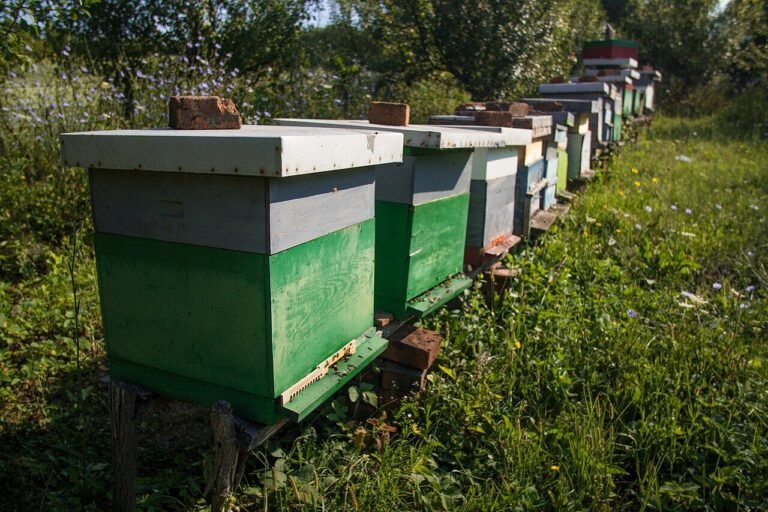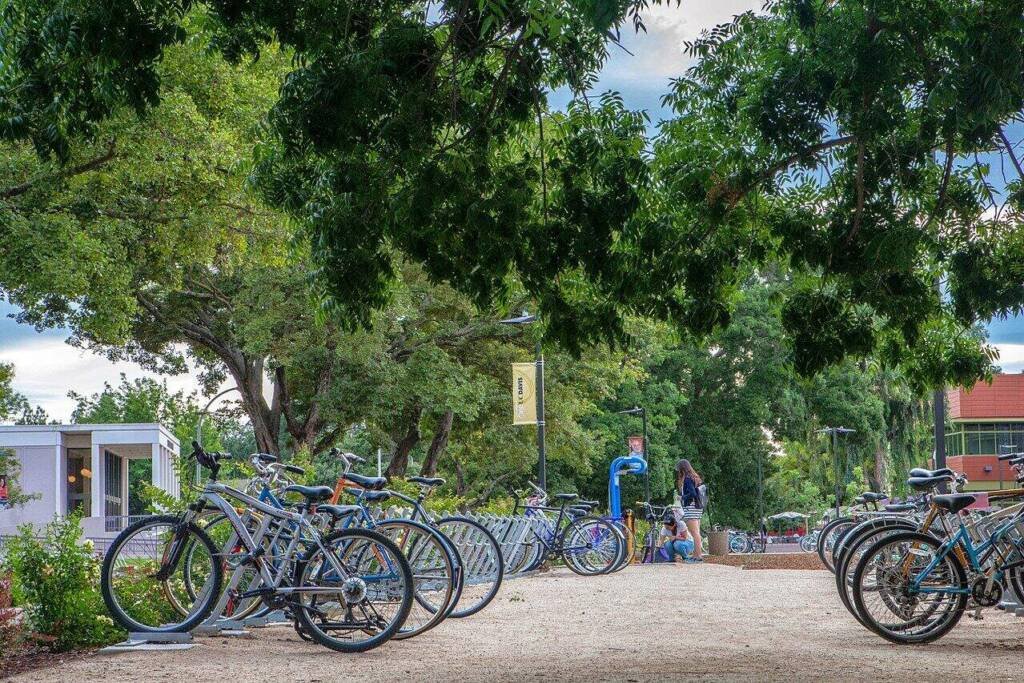
University campus apiaries are working research and teaching facilities, not decorative gardens — the largest, like UC Davis’s Harry H. Laidlaw Jr. Honey Bee Research Facility, manage 80+ colonies year-round to support faculty research, graduate training, and public extension work. At least a dozen major U.S. universities run a dedicated bee-research apiary, and most predate the current corporate-beekeeping trend by decades. Here’s what these programs actually do, how they differ from a corporate or municipal hive program, and how students and the public can actually get involved.
Key Takeaways
- UC Davis’s Harry H. Laidlaw Jr. Honey Bee Research Facility, founded in 1969, is described by the university as the largest and most comprehensive state-supported apiculture facility in North America, managing more than 80 colonies at its main apiary plus six satellite apiaries.
- Cornell’s Dyce Laboratory for Honey Bee Studies, named for Professor Eldon J. Dyce (who led Cornell’s honey bee program from 1947–1966 and patented a commercial creamed-honey production method), is one of the oldest continuously operating university bee labs in the country.
- The University of Massachusetts Amherst’s Apiary Laboratory, built in 1911–1912, is credited as the first building in the United States constructed exclusively for teaching beekeeping.
- University apiaries generally serve three overlapping functions: peer-reviewed research, graduate and undergraduate training, and public-facing extension education — a mix no corporate or municipal apiary program replicates.
- Most campus apiaries are open to some level of public engagement — extension short courses, volunteer days, or citizen-science data collection — even though they’re primarily working research infrastructure, not tourist attractions.
Table of Contents
- What a University Apiary Actually Does
- UC Davis: The Largest State-Supported Facility
- Cornell’s Dyce Lab and the Oldest Programs
- How These Programs Are Actually Funded
- How a Campus Apiary Differs From a Corporate or Municipal One
- How Students and the Public Can Get Involved
- Frequently Asked Questions
What a University Apiary Actually Does
A university apiary is fundamentally different from a corporate or municipal one in purpose, even when the hives themselves look identical. Three functions typically run in parallel at any serious program:
- Research infrastructure. Faculty and graduate researchers need a controlled, consistently managed colony population to study Varroa resistance breeding, nutrition, pesticide exposure, and colony behavior — questions that require dozens of genetically tracked colonies, not the two or three hives a typical hobbyist or corporate client hosts.
- Formal training. Entomology and agricultural science students get hands-on apiary experience as part of degree coursework, distinct from the hobbyist short courses covered in this site’s guide to college degrees and programs in apiculture.
- Public extension. Land-grant universities in particular have a formal mandate to translate research into practical guidance for the state’s actual commercial and hobbyist beekeepers — which is why so many of the country’s most-cited beekeeping fact sheets originate from university extension offices rather than private companies.
UC Davis: The Largest State-Supported Facility
The University of California, Davis operates the Harry H. Laidlaw Jr. Honey Bee Research Facility, founded in 1969 and named for the professor who helped pioneer instrumental insemination techniques for honey bee queens. Per the facility’s own published description, it is the largest and most comprehensive state-supported apiculture facility in North America and the only one of its kind in California — an 8,200-square-foot building on Bee Biology Road, about two miles from the main campus, housing a wet lab, a multipurpose classroom, a machine shop, a honey-processing room, and graduate student space. The research and education apiary directly behind the building accommodates more than 80 colonies, supplemented by six additional satellite apiaries near campus.
That scale matters for a simple reason: genuine breeding and disease research needs a large, controlled colony population that a two-hive rooftop program can’t provide. It’s also why UC Davis later became host to a full USDA Agricultural Research Service bee lab directly on its campus, deepening the federal-university research pipeline in one location.
Cornell’s Dyce Lab and the Oldest Programs
Cornell University’s Department of Entomology runs the Dyce Laboratory for Honey Bee Studies in Ithaca, New York, named for Professor Eldon J. Dyce, who led Cornell’s honey bee program from 1947 to 1966 and is best known for patenting a method of producing creamed honey now used by commercial and hobbyist producers worldwide. Cornell’s entomology department itself is headquartered in Comstock Hall, named for pioneering entomologist John Henry Comstock — a reminder that several of today’s leading bee-research programs sit inside entomology departments with institutional histories stretching back over a century.
Even older is the University of Massachusetts Amherst’s Apiary Laboratory, constructed in 1911–1912 and credited as the first building in the United States built exclusively for teaching beekeeping — predating the modern land-grant extension system’s full build-out and underscoring that campus apiculture research is not a recent trend riding the current corporate-sustainability wave, but a program type with more than a century of continuous precedent.
“The size of your honey crop is determined by your autumn management, overwintering success, and early spring management.” — Dr. Jeffrey W. Harris, Associate Extension/Research Professor, Mississippi State University Extension Service
That kind of practical, field-tested guidance — the direct product of university apiary research being translated into extension publications — is the throughline connecting these programs across a century of institutional change.
How These Programs Are Actually Funded
Unlike a corporate program paying a flat annual service fee, university apiaries are typically funded through a layered mix: state land-grant appropriations (for public universities with an extension mandate), competitive federal research grants (USDA-NIFA and USDA-ARS funding is common for Varroa and colony-health work specifically), private philanthropic gifts often tied to a named professorship or facility, and modest self-generated revenue from honey and nucleus-colony sales. This layered funding model is one reason university programs have proven more durable over multi-decade timelines than either municipal programs (dependent on a single mayor’s initiative continuing under successors) or corporate programs (dependent on a vendor contract renewing).
How a Campus Apiary Differs From a Corporate or Municipal One
| University apiary | Corporate program | Municipal apiary | |
|---|---|---|---|
| Primary purpose | Research, teaching, extension | ESG reporting, employee engagement | Land use, civic education |
| Typical colony count | Dozens (UC Davis: 80+) | 1–10 per site | 1–5 |
| Funding source | State appropriations, grants, gifts | Corporate service contract | City budget or nonprofit partner |
| Public access | Extension courses, some tours | Usually employees/tenants only | Often visible but not staffed for visitors |
How Students and the Public Can Get Involved
Prospective students interested in the academic side should start with this site’s separate breakdown of actual degree programs and coursework in apiculture, since a research apiary appointment is normally tied to a specific graduate program or extension assistantship, not open enrollment. Members of the public without a university affiliation have more informal options: many land-grant bee labs run seasonal short courses and volunteer field days, and several also feed data into the same kind of citizen-science pollinator programs covered elsewhere on this site, which is often the lowest-barrier way to interact with a real research apiary’s data pipeline without needing an academic appointment. Students specifically interested in bee photography as a way to document research colonies can also see this site’s dedicated guide to bee macro photography gear and technique.
Frequently Asked Questions
What is the largest university bee research facility in the U.S.?
UC Davis’s Harry H. Laidlaw Jr. Honey Bee Research Facility is described by the university as the largest and most comprehensive state-supported apiculture facility in North America, managing over 80 colonies at its primary research apiary alone.
Can the public visit a university apiary?
Often yes, in a limited way — through extension short courses, scheduled open houses, or volunteer programs — but these are working research facilities first, so access is generally more structured than a municipal or tourist apiary, and not available on a drop-in basis.
How old is the oldest university beekeeping program in the U.S.?
The University of Massachusetts Amherst’s Apiary Laboratory, built in 1911–1912, is credited as the first U.S. building constructed specifically for teaching beekeeping, making campus apiculture programs more than a century old.
Do university apiaries sell honey to the public?
Some do, in small quantities, as one modest piece of a broader funding mix that also includes state appropriations, competitive research grants, and philanthropic gifts — but honey sales are not typically the facility’s primary revenue source.
What’s the difference between a university apiary and a college beekeeping club?
A university research apiary is formal, professionally managed infrastructure tied to faculty research and degree programs; a student beekeeping club is a separate, usually informal extracurricular group that may or may not have access to the research facility’s actual colonies.