Last Updated September 16, 2026
There’s no standalone “Bachelor’s in Apiculture” at any major US university — and knowing that upfront saves a lot of wasted searching. What actually exists is a real, legitimate academic path: an entomology degree, with apiculture as a specialization pursued through specific faculty, labs, and research programs focused on honey bees, plus a small number of genuinely named beekeeping-specific graduate credentials. This guide covers what a formal apiculture education path actually looks like, the specific programs worth knowing about, and how this differs from the certificate and mentorship options covered elsewhere on this site.
Key Takeaways
- No US university offers a standalone “apiculture” bachelor’s degree — the academic path runs through entomology, with bee-focused faculty and labs providing the specialization.
- The University of Florida offers a genuinely named 30-credit online Master’s in Entomology and Nematology with a beekeeping specialization — one of the most concrete “degree with a beekeeping name attached” options available.
- Several universities (Cornell, University of Georgia, Penn State, UC Davis, University of Montana, University of Minnesota) have strong honey bee research programs, but you join as an entomology graduate student working under a bee-specialist advisor, not a separate “apiculture major.”
- Cornell’s Master Beekeeping Certificate is a real, respected credential — but it’s a certificate program requiring a minimum of three years’ beekeeping experience, not an academic degree.
- This academic path is distinct from (and typically pursued alongside, not instead of) hands-on options like internships, apprenticeships, or a mentor relationship for practical field skill.
Table of Contents
- Why There’s No Standalone “Apiculture Degree”
- University of Florida’s Named Beekeeping Master’s
- The Entomology-Plus-Bee-Advisor Route
- Cornell’s Master Beekeeping Certificate: A Different Kind of Credential
- Which Path Actually Fits Your Goals
- What This Education Actually Leads To
- Frequently Asked Questions
Why There’s No Standalone “Apiculture Degree”
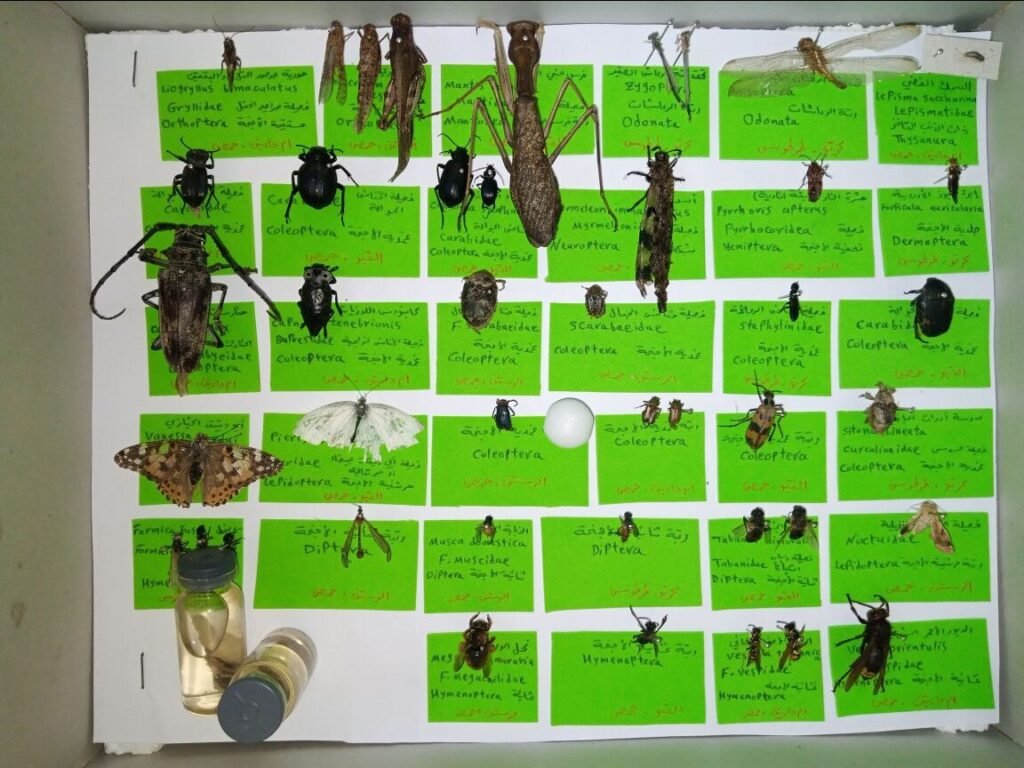
Honey bee research and education in the US is almost entirely housed within entomology departments, not as an independent academic discipline with its own dedicated undergraduate major. This isn’t a gap or an oversight — apiculture is a genuinely specialized research area within the broader field of insect science, and universities organize their programs accordingly, the same way there’s no standalone “beetle degree” or “butterfly degree” separate from entomology as a whole. Understanding this upfront prevents a frustrating search for a program that doesn’t exist under the name you might expect.
This structure also reflects something genuine about how the field actually works professionally: a working apiculture researcher or extension specialist is, formally, an entomologist whose research happens to focus on honey bees, not a graduate of some separate “apiculture” pipeline. Job postings for university extension apiculturists, state apiary program staff, and honey bee research positions almost universally list an entomology degree (often at the graduate level) as the actual credential required, which is worth knowing if you’re specifically trying to reverse-engineer what credentials a target career actually needs.
University of Florida’s Named Beekeeping Master’s

The clearest exception to the “no standalone degree” rule is the University of Florida’s online Master’s degree in Entomology and Nematology with a beekeeping specialization, a genuine 30-credit graduate program with beekeeping explicitly named in its focus, delivered online to accommodate students who aren’t relocating to campus. This is a real, legitimate academic credential — not a certificate or short course — for someone specifically wanting graduate-level formal education centered on honey bees rather than general entomology with bees as one topic among many.
The program covers honey bee biology, colony management, disease and pest management, and pollination science at a genuine graduate academic level, distinct from a hobbyist-focused course or a beekeeping club’s educational offerings. Because it’s delivered online, it’s specifically designed for working adults – including practicing beekeepers, extension professionals, or career-changers – who want a real graduate credential without relocating or pausing an existing career to attend in person.
The Entomology-Plus-Bee-Advisor Route
For most students, the realistic path into serious academic apiculture study is a standard entomology degree (bachelor’s, typically 120-128 credit hours over four years, followed by a master’s or PhD if pursuing research) combined with deliberately choosing a graduate advisor and lab whose research focuses on honey bees specifically. The University of Georgia’s honey bee graduate program is a strong example of this model: a real, active research program heavily focused on applied apiculture and pollination, housed within the university’s broader entomology structure rather than as its own separate degree track. Other universities with strong honey bee research programs and faculty worth researching directly for graduate study include Penn State (home to the Mid-Atlantic Apiculture Research and Extension Consortium), UC Davis, the University of Montana, the University of Minnesota, and Cornell’s Dyce Lab for honey bee research. Getting into this kind of program means identifying and reaching out to a specific bee-focused faculty member directly, not simply applying to a general entomology program and hoping for a bee specialization to be assigned.
In practice, this means reading recent publications from a target lab, understanding what specific research questions that faculty member and their students are currently working on, and reaching out directly – often before formally applying – to gauge whether the lab has funding and space for a new graduate student. This is standard practice across graduate science admissions generally, not something unique to apiculture, but it’s worth stating explicitly since prospective students unfamiliar with how graduate admissions in the sciences actually work sometimes assume a standard undergraduate-style application process will be sufficient on its own.
| Path | Prerequisite | Best For |
|---|---|---|
| Entomology bachelor’s/graduate degree | Standard college admission | Research, university extension, state apiary inspector careers |
| UF beekeeping-specialization Master’s | Bachelor’s degree, delivered online | A formally named graduate credential without relocating |
| Cornell Master Beekeeping Certificate | Minimum 3 years’ beekeeping experience | Experienced beekeepers wanting formal recognition |
| Internship/apprenticeship/mentorship | None | Most hobbyist and small-commercial beekeepers |
Cornell’s Master Beekeeping Certificate: A Different Kind of Credential
Cornell offers a genuinely respected Master Beekeeping Certificate through eCornell and its Department of Entomology — but it’s important to understand this is a professional certificate program, not an academic degree, and it requires a minimum of three years of prior beekeeping experience before enrollment. This makes it fundamentally different from the degree paths above: it’s designed for beekeepers who already have real field experience and want a structured, credentialed way to deepen and formalize that knowledge, not an entry point for someone starting from zero. It’s a genuinely different tool for a genuinely different stage of a beekeeper’s development.
Other universities offer similar certificate-style master beekeeper programs with their own prerequisites and structure – the Eastern Apicultural Society and several state beekeeping associations maintain their own certification tracks as well, covered in more depth in our broader guide to master beekeeper certification programs. The common thread across all of these certificate options is that they formalize and deepen existing practical knowledge rather than serving as an entry point for someone with no beekeeping background at all.
Which Path Actually Fits Your Goals
These options serve different goals, and it’s worth being honest about which one actually matches what you want. A formal entomology degree (with or without a named beekeeping specialization) makes sense if you want a career in research, university extension work, or a state apiary inspector role — the kind of position covered in our state apiary inspector guide, which often benefits from or requires formal entomology credentials. A certificate program like Cornell’s fits an experienced hobbyist wanting formal recognition and deeper knowledge without pursuing a full degree. And for many people, the practical path covered in our guides to beekeeping internships and apprenticeships or finding a mentor delivers the actual hands-on skill most hobbyist and small-commercial beekeepers need, without a multi-year academic commitment at all. None of these paths are mutually exclusive — many serious beekeepers combine formal coursework with hands-on mentorship over time.
It’s worth being honest about cost and time as a deciding factor too. A full entomology bachelor’s or graduate degree represents years and a genuinely significant financial investment, appropriate for someone pursuing this as a career rather than a hobby. A certificate program like Cornell’s or UF’s specialized master’s represents a smaller but still real commitment, better suited to someone already established in the field wanting formal recognition. An apprenticeship or mentorship relationship costs little beyond time and effort, making it the right starting point for the vast majority of people simply wanting to become a genuinely skilled beekeeper without a career change attached.
What This Education Actually Leads To
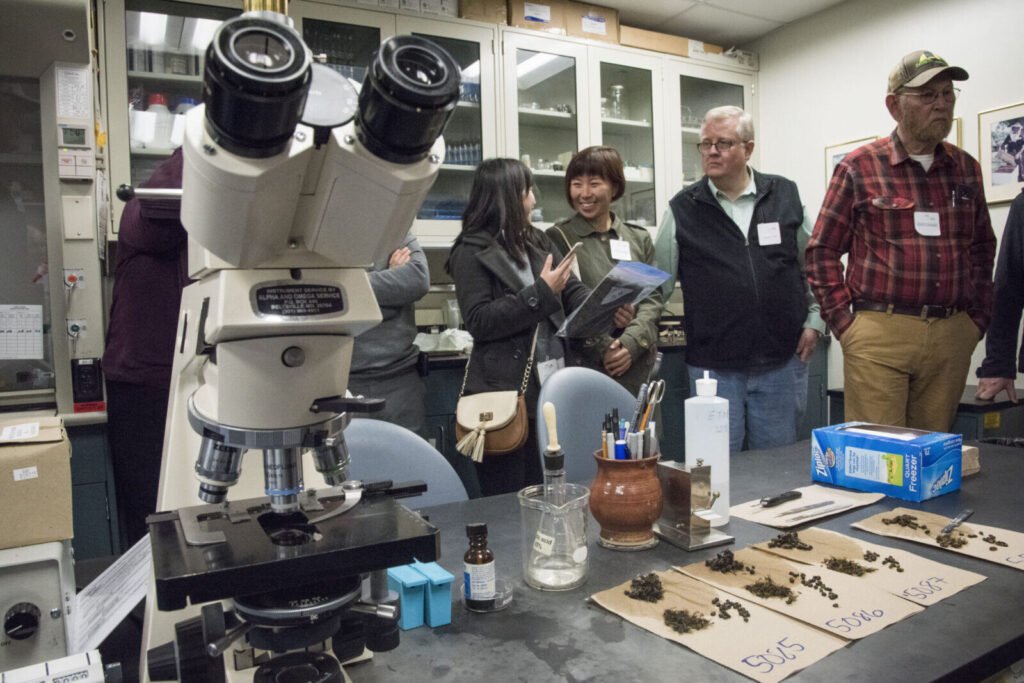
It’s worth being concrete about where a formal entomology-with-apiculture-focus education actually leads, since “beekeeping career” covers a wide range of genuinely different jobs. University research and extension positions are the most obvious outcome for graduate-level study – a faculty researcher, a cooperative extension apiculture specialist, or a lab technician supporting honey bee research all typically require at least a master’s degree in entomology. State apiary inspector roles, covered in more depth in our dedicated guide, often prefer or require formal entomology training, though requirements vary meaningfully by state. Private industry roles exist too – pesticide companies, agricultural biotech firms, and large commercial beekeeping operations sometimes hire entomology graduates specifically for their formal training in insect biology and pest management, even in roles that aren’t purely academic. None of these career paths are accessible through a beekeeping certificate or mentorship alone, which is the real distinguishing factor between the formal degree route and the practical-skill routes covered elsewhere on this site.
Frequently Asked Questions
Can I get a bachelor’s degree specifically in apiculture?
No US university offers a standalone apiculture bachelor’s degree — the path runs through an entomology degree, with bee-focused specialization available at the graduate level.
What’s the most direct “beekeeping degree” option available?
The University of Florida’s online Master’s in Entomology and Nematology with a beekeeping specialization is the clearest example of a formally named, dedicated beekeeping graduate credential.
Is Cornell’s Master Beekeeping Certificate a degree?
No, it’s a professional certificate program requiring a minimum of three years’ prior beekeeping experience, distinct from an academic degree and intended for already-experienced beekeepers.
Do I need a formal degree to become a serious beekeeper?
No — most hobbyist and small-commercial beekeepers build real skill through internships, apprenticeships, and mentorship rather than formal academic coursework.
How do I find a graduate program focused on honey bees?
Identify specific faculty members at universities with active honey bee research programs (Cornell, UGA, Penn State, UC Davis, Montana, Minnesota, among others) and apply through the entomology department, reaching out to that specific advisor directly.