Last Updated September 15, 2026
Limited mobility, arthritis, or a wheelchair don’t have to rule out beekeeping — they change how you approach it. A genuinely active adaptive-beekeeping community has developed practical solutions for nearly every common barrier: hive designs that eliminate heavy lifting entirely, tools built for reduced hand strength or grip, working heights that make inspections possible from a seated position, and monitoring technology that reduces how often a full hands-on inspection is even necessary in the first place. This guide covers the equipment and techniques that actually work, drawn from beekeepers and agricultural extension programs who’ve spent years refining accessible apiary setups. None of these adaptations require abandoning the parts of beekeeping that make it rewarding – they simply change how you get there.
This guide covers hive designs built around reduced mobility, tools and techniques for beekeepers managing arthritis or limited grip strength, back-friendly lifting approaches, and where to find more specialized guidance if your needs go beyond what’s covered here. Many of these adaptations are also genuinely useful for beekeepers who simply want to reduce wear and tear over a long beekeeping career, not only those managing a specific diagnosed condition today.
Key Takeaways
- Horizontal long hive designs (long Langstroth or top-bar style) eliminate the need to lift heavy boxes vertically, since frames are accessed by sliding rather than stacking.
- Tiltable hive stands let a seated beekeeper bring the hive to a comfortable working angle instead of bending or reaching over a fixed box.
- Longer-handled hive tools reduce the grip force needed to pry apart propolis-sealed boxes, a common barrier for beekeepers with arthritis.
- Splitting honey supers into smaller, lighter units, or using a mechanical lifting aid, avoids the heaviest single lift most beekeepers otherwise face during harvest.
- University AgrAbility programs specifically support farmers and beekeepers with disabilities and are worth contacting directly for guidance tailored to your specific situation.
Table of Contents
- Hive Designs Built for Reduced Mobility
- Tiltable and Rotating Hive Stands
- Getting the Working Height Right
- Tools for Reduced Grip Strength
- Lifting Techniques That Protect Your Back
- Splitting Supers Into Lighter Units
- Common Barriers and Adaptive Solutions
- Remote Monitoring to Reduce Physical Inspections
- AgrAbility and Where to Get Specialized Guidance
- Frequently Asked Questions
Hive Designs Built for Reduced Mobility
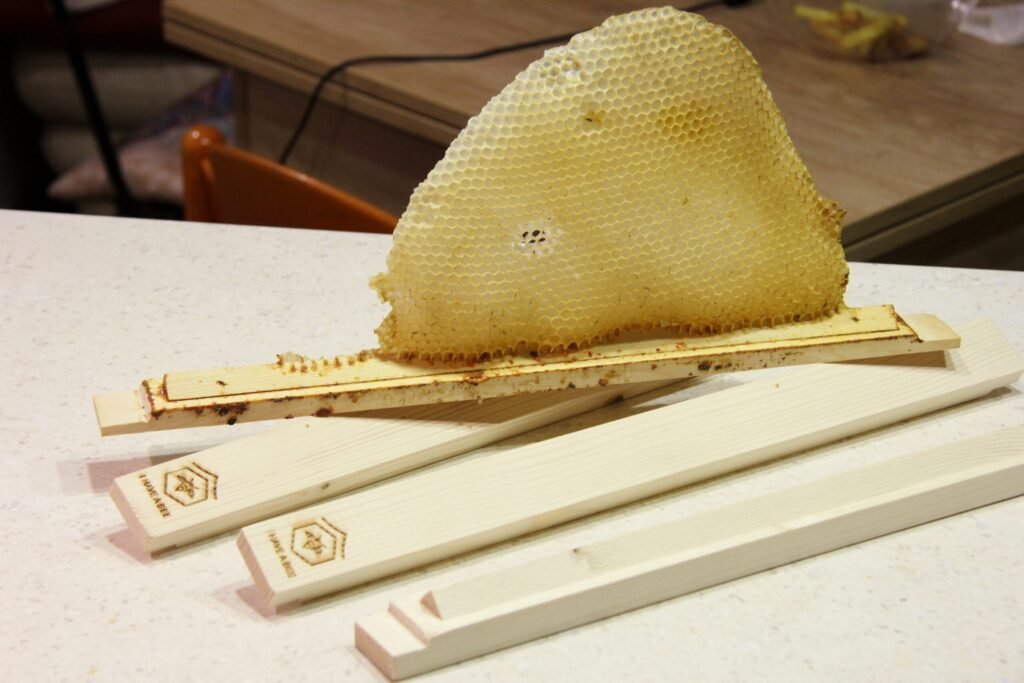
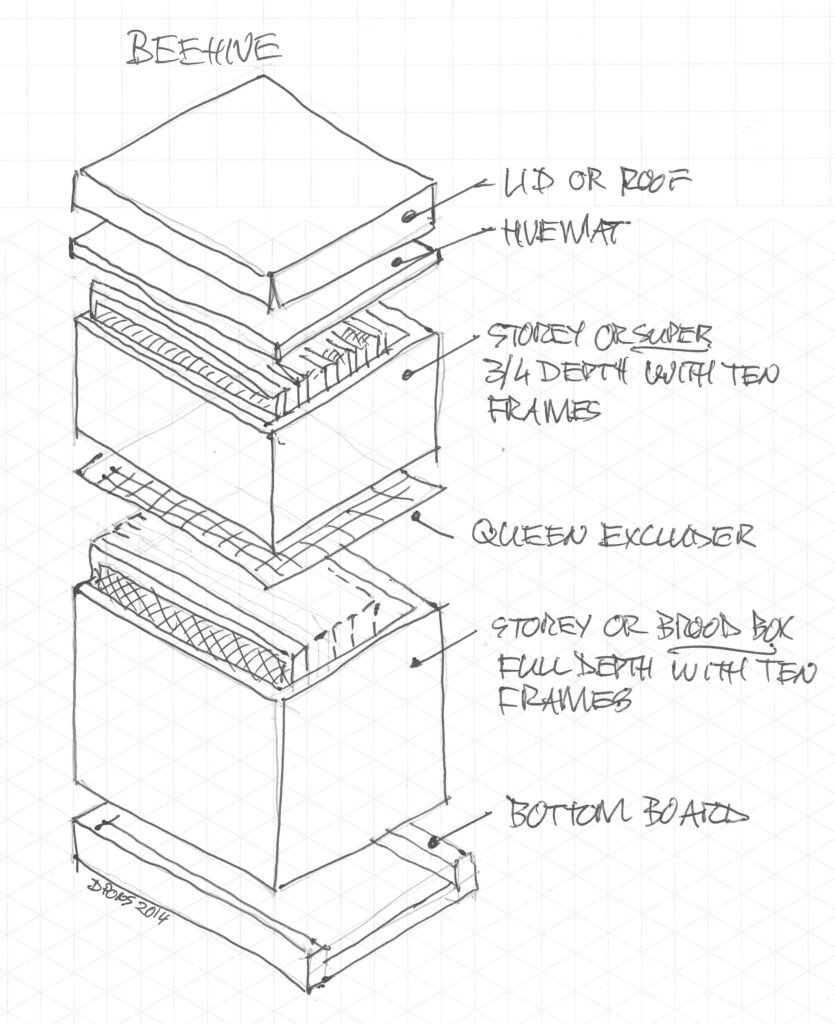
Traditional Langstroth hives require lifting entire boxes vertically to access lower frames, which is exactly the kind of movement that becomes difficult or impossible with many mobility limitations. Horizontal long hives — sometimes built on a long Langstroth frame system, sometimes as a horizontal top-bar design — solve this by keeping every frame at the same level, accessed by sliding rather than lifting. This single design choice removes the heaviest, most physically demanding part of conventional beekeeping almost entirely. A long hive can hold as many frames as a stack of two or three Langstroth boxes, so the tradeoff isn’t reduced colony capacity, just a different physical footprint that spreads horizontally instead of stacking vertically.
Tiltable and Rotating Hive Stands
Beyond horizontal hive bodies, specialized stands take accessibility a step further. A tiltable horizontal beehive, a design documented by the National AgrAbility Project, lets a beekeeper unlatch pegs at each end and tilt the entire hive toward themselves, bringing frames to a comfortable viewing and working angle without needing to lean or reach over a fixed box. This kind of design can often be built or retrofitted onto an existing hive stand rather than requiring an entirely new hive system from scratch, which makes it a genuinely realistic option for beekeepers who already have equipment they would rather adapt than fully replace. Rotating stand designs work on a similar principle, angling the whole colony roughly 45 degrees so it’s genuinely accessible from a seated position, including from a wheelchair or power scooter, without requiring the beekeeper to stand, lean forward, or twist to see into the box. Both approaches share the same underlying insight: rather than asking the beekeeper to adapt their body to the hive’s fixed position, the hive itself moves to meet the beekeeper.
Getting the Working Height Right
For beekeepers working from a wheelchair or power scooter, a commonly recommended working height puts the top of the hive somewhere between 2.5 and 3 feet off the ground — high enough to bring frames into a comfortable, reachable range without requiring the beekeeper to stand or lean forward. Building or buying a stand at this specific height, rather than settling for a generic hive stand positioned for a standing beekeeper, is one of the simplest and most cost-effective adaptations available, and it’s a change that benefits many beekeepers with back or hip limitations even without a wheelchair involved, since a hive built at standing-bend height forces nearly every beekeeper into some amount of repetitive forward flexion during a typical inspection. The same universal-design thinking that applies to wheelchair-accessible garden beds applies here: a firm, level path to the hive sloped no more than 1 foot of rise for every 12 feet of run, with roughly 44 to 50 inches of clearance between hives, keeps the apiary itself from becoming the real barrier before a beekeeper even reaches the box.
Tools for Reduced Grip Strength
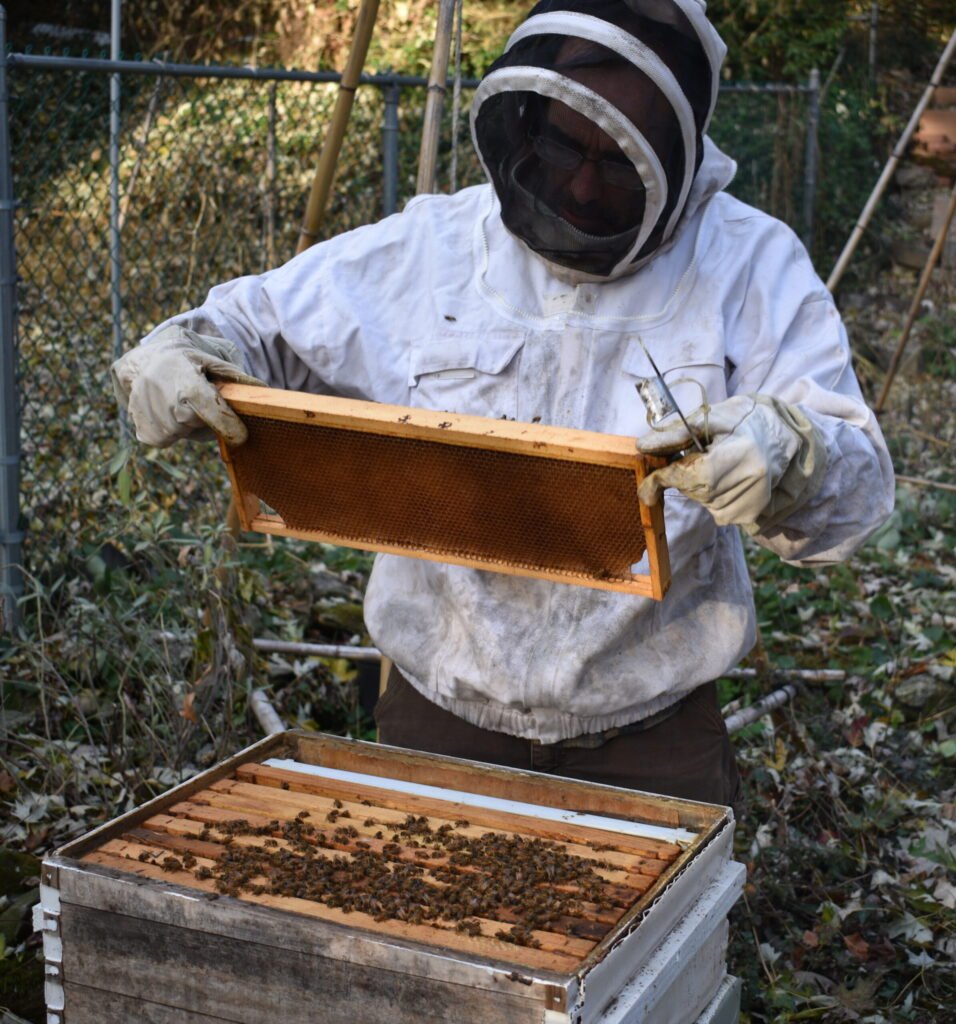
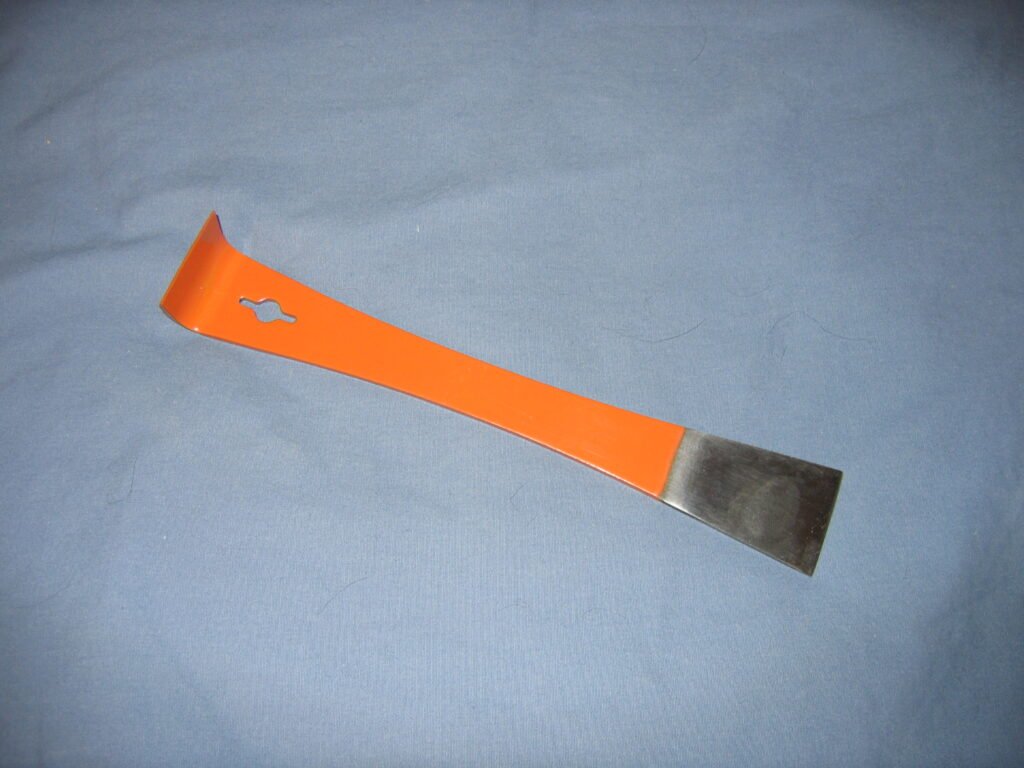
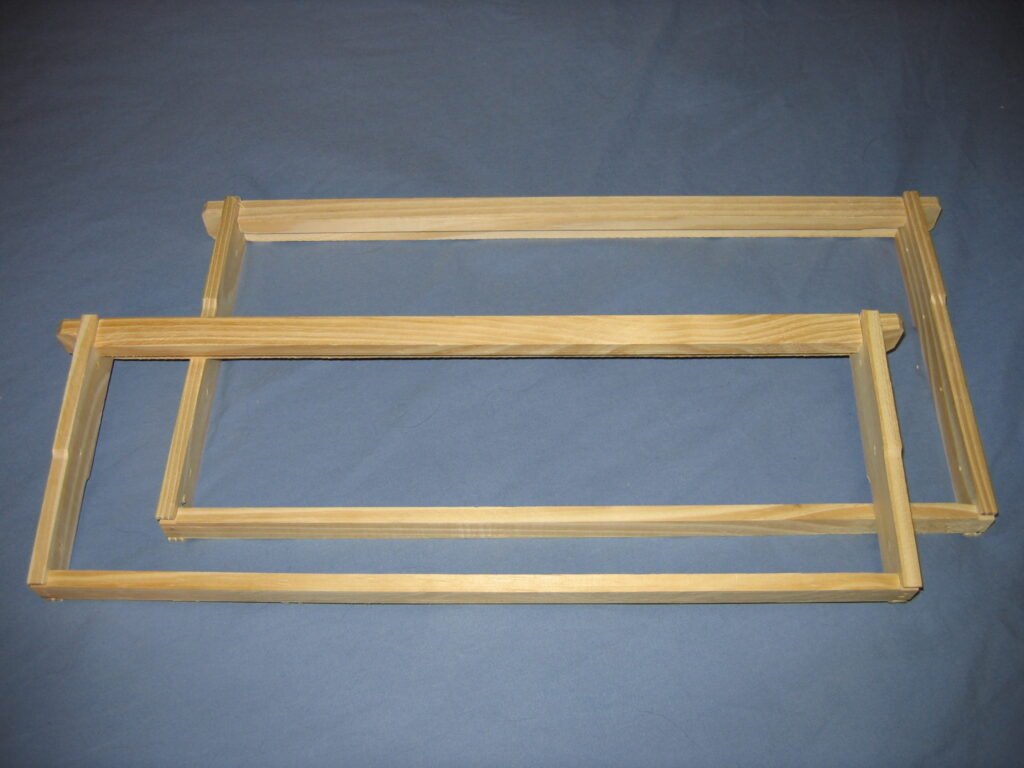
Propolis-sealed hive boxes require real prying force to separate, which is a genuine and frequently underestimated barrier for beekeepers with arthritis, carpal tunnel syndrome, or reduced hand strength generally. Longer-handled hive tools — sometimes called a “giant hive tool,” typically 14 inches or more in length — provide substantially more leverage than a standard tool, meaningfully reducing the raw force your hands and wrists need to supply on every single prying motion. Propping hive bodies apart with a small wood block during inspection, rather than fully re-separating propolis-sealed surfaces every single time, cuts down considerably on repetitive prying motions across a full apiary visit. Frame-lifting tools designed to grip and pull a frame with less hand strength required are another practical addition for beekeepers who find the standard pinch-and-lift motion difficult. Some beekeepers also switch to frames with slightly wider end bars, which are easier to grasp securely with a compromised grip than the standard thin edge most frames ship with.
Lifting Techniques That Protect Your Back
For beekeepers who can lift but need to protect a vulnerable back, proper technique matters just as much as any single piece of equipment: stand close to the hive with feet roughly shoulder-width apart, place one foot slightly ahead of the other for balance, bend at the knees rather than the waist, tighten your core, keep the load close to your body, and lift by straightening your legs rather than your back. Twisting while carrying a loaded box is one of the most common ways beekeepers strain their backs, so pivoting your whole body with your feet, rather than rotating at the waist while holding weight, is worth building into muscle memory early. Positioning hives on a stand or table at a height where you can access the top frames without bending over at all removes much of the need for this kind of careful lifting in the first place, which is why working height and lifting technique tend to work together as complementary solutions rather than substitutes for each other. Even a beekeeper without any diagnosed condition benefits from this pairing, since cumulative strain from years of improper lifting is a genuinely common, if under-discussed, occupational hazard in beekeeping.
Splitting Supers Into Lighter Units
A full honey super can weigh 40 to 90 pounds depending on size and how full it is, which is a genuinely difficult single lift for many beekeepers regardless of technique. A single loaded frame inside that super typically runs around 10 pounds on its own once capped with honey, per University of Maine Cooperative Extension figures — worth knowing if your plan is to unload a super frame by frame rather than lift it as one solid unit. One genuinely practical modification is running supers at half the standard width, using two side by side on the hive instead of one full-width box — when it’s time to carry honey in, the two half-supers can be stacked one on top of the other, keeping the combined weight much closer to your body and considerably easier to manage than a single large box. Mechanical lifting aids designed specifically for hive boxes are another option worth considering if repeated heavy lifting remains a barrier even with lighter individual units, particularly for beekeepers managing more than a handful of colonies where the cumulative lifting adds up quickly over a single harvest day.
Common Barriers and Adaptive Solutions
| Barrier | Standard Approach | Adaptive Solution |
|---|---|---|
| Can’t lift a stacked box | Vertical Langstroth boxes | Horizontal long hive or top-bar hive |
| Can’t bend or lean over the hive | Ground-level or waist-height stand | Tiltable/rotating stand, or a 2.5–3 ft stand |
| Reduced grip strength | Standard 8–10 inch hive tool | 14+ inch “giant” hive tool, frame-lifting tool |
| Can’t lift a full 40–90 lb super | Single full-width super | Two half-width supers, stacked for carrying |
| Limited stamina for frequent inspections | Weekly full hands-on inspection | In-hive sensors and entrance cameras |
| Recordkeeping with limited hand use | Handwritten inspection logs | Voice-recognition record-keeping software |
Remote Monitoring to Reduce Physical Inspections
Not every check on a colony requires physically opening the hive. Temperature and humidity sensors placed inside the hive can flag developing problems — a sudden temperature swing that might indicate a failing queen or a sudden colony loss, for instance — without a hands-on inspection, and a weatherproof camera positioned near the entrance can reveal a surprising amount about colony activity and health from a distance, including foraging activity levels and early signs of robbing or a swarm preparing to leave. University of Maine Cooperative Extension’s guidance for beekeepers with disabilities also points to voice-recognition software for hands-free record-keeping and electric or battery-operated honey extractors as further ways to reduce the physical demand of tasks that don’t need to happen at the hive itself. These tools don’t replace regular physical inspections entirely, but they can meaningfully reduce how often a full hands-on check is genuinely necessary, spacing out the more physically demanding visits to the times when they’re genuinely most useful, rather than defaulting to a fixed weekly schedule regardless of what the colony actually needs that week.
AgrAbility and Where to Get Specialized Guidance
A University of Maine Cooperative Extension bulletin co-authored by Richard Brzozowski (Food System Program Administrator), Leilani Carlson (Maine AgrAbility Coordinator), and Jennifer Lund (Maine’s State Apiarist and Bee Inspector) specifically documents beekeeping as a genuinely suitable enterprise for people with disabilities, including realistic figures worth planning around: expect roughly $300 to $500 in startup costs per hive, and typically at least 18 months before a new colony produces products actually ready to sell. As the bulletin puts it:
“Set your own schedule and plan necessary tasks around your abilities and availability.”
The broader AgrAbility network — a partnership between USDA and university extension programs across the country — exists specifically to help farmers, including beekeepers, with disabilities find equipment and techniques tailored to their own individual situation. Bee Culture Magazine has also covered adaptive beekeeping directly, drawing on real beekeepers’ documented experience rather than general assumptions about what should work, and the beekeeping community’s own online forums are another genuinely useful resource, since beekeepers actively managing similar limitations tend to share solutions that never make it into a formal publication. Reaching out to your state’s AgrAbility program directly is worth doing if your specific needs go beyond the general equipment and technique changes covered here. These programs typically offer on-site consultations, and in some cases can connect beekeepers with loaner equipment or funding assistance for adaptive tools that would otherwise be a significant upfront cost.
A J-hook can help; see hive tool types.
Frequently Asked Questions
Can someone in a wheelchair keep bees?
Yes. Horizontal long hives, tiltable or rotating hive stands, and a working height of roughly 2.5 to 3 feet off the ground make hive access genuinely practical from a seated position.
What tools help with arthritis or reduced grip strength?
Longer-handled hive tools (14 inches or more) provide more leverage with less hand force, and frame-lifting tools reduce the pinch-and-pull motion that can be difficult with arthritis.
How heavy is a full honey super, and how can I make it more manageable?
A full super can weigh 40 to 90 pounds. Running half-width supers side by side, then stacking them for carrying, splits that weight into two more manageable lifts.
How much does a single hive frame weigh?
A capped, honey-filled frame typically weighs around 10 pounds on its own, per University of Maine Cooperative Extension figures — useful to know if unloading a super frame by frame is more manageable than lifting it whole.
What is AgrAbility?
AgrAbility is a USDA and university extension partnership that helps farmers and beekeepers with disabilities find equipment and techniques suited to their specific needs.
Do I need to open the hive as often if I use monitoring sensors?
Sensors and cameras can reduce how often a full physical inspection is strictly necessary by flagging developing issues remotely, though they don’t fully replace regular hands-on checks.
What does it typically cost to get started with adaptive beekeeping equipment?
University of Maine Cooperative Extension estimates roughly $300 to $500 in startup costs per hive, with at least 18 months before a colony produces anything ready to sell — adaptive stands and tools add to that baseline cost but are a one-time investment.
Related reading: protective gear and hive essentials, grants and financing for beekeeping equipment.