Last Updated September 16, 2026
One of the more unusual lines that shows up in real state apiary inspector job postings: candidates must be able to tolerate being stung repeatedly. It’s a small detail, but it captures something genuine about the job — an apiary inspector spends their working hours opening hives, often without gloves so they can feel and see subtle signs of disease that thick protective gear would mask, checking for regulated pests and diseases like American foulbrood and varroa mites before they spread between colonies or across state lines. It’s a real, specific state government career path for someone whose interest in bees has grown well beyond a backyard hobby. Most people who eventually take this job started exactly where any hobbyist beekeeper starts – with their own hives in a backyard – and the path from there to a state paycheck is genuinely more concrete and well-documented than it might first appear.
This guide covers what an apiary inspector actually does day to day, the real education and experience requirements pulled from current state job postings, typical salary ranges, how to actually break into the field, and what a realistic career path looks like from hobbyist to state employee.
Key Takeaways
- Apiary inspectors monitor registered apiaries for regulated pests and diseases, working directly in the field opening and inspecting hives.
- Most states require either a bachelor’s degree in a relevant science field or a set number of college science credits combined with documented beekeeping or inspection experience.
- Salaries vary significantly by state and experience level, with entry-level trainee positions typically starting in the low-to-mid $20-per-hour range.
- Real job postings often require the ability to inspect hives without gloves and tolerate frequent stings — a genuinely distinctive job requirement worth knowing before applying.
- Hands-on beekeeping experience, whether through your own hives or a formal program, is treated as seriously as formal education by most state hiring agencies.
Table of Contents
- What an Apiary Inspector Actually Does
- Education Requirements From Real State Postings
- Experience Requirements and the No-Gloves Detail
- What Apiary Inspectors Actually Earn
- A Realistic Path From Hobbyist to State Employee
- Where to Actually Find These Jobs
- Frequently Asked Questions
What an Apiary Inspector Actually Does
Understanding the actual day-to-day work matters before pursuing this career seriously, since the job is meaningfully more physical and field-based than a typical government science role, and it’s worth confirming that reality genuinely appeals to you before investing years in the relevant coursework and experience.
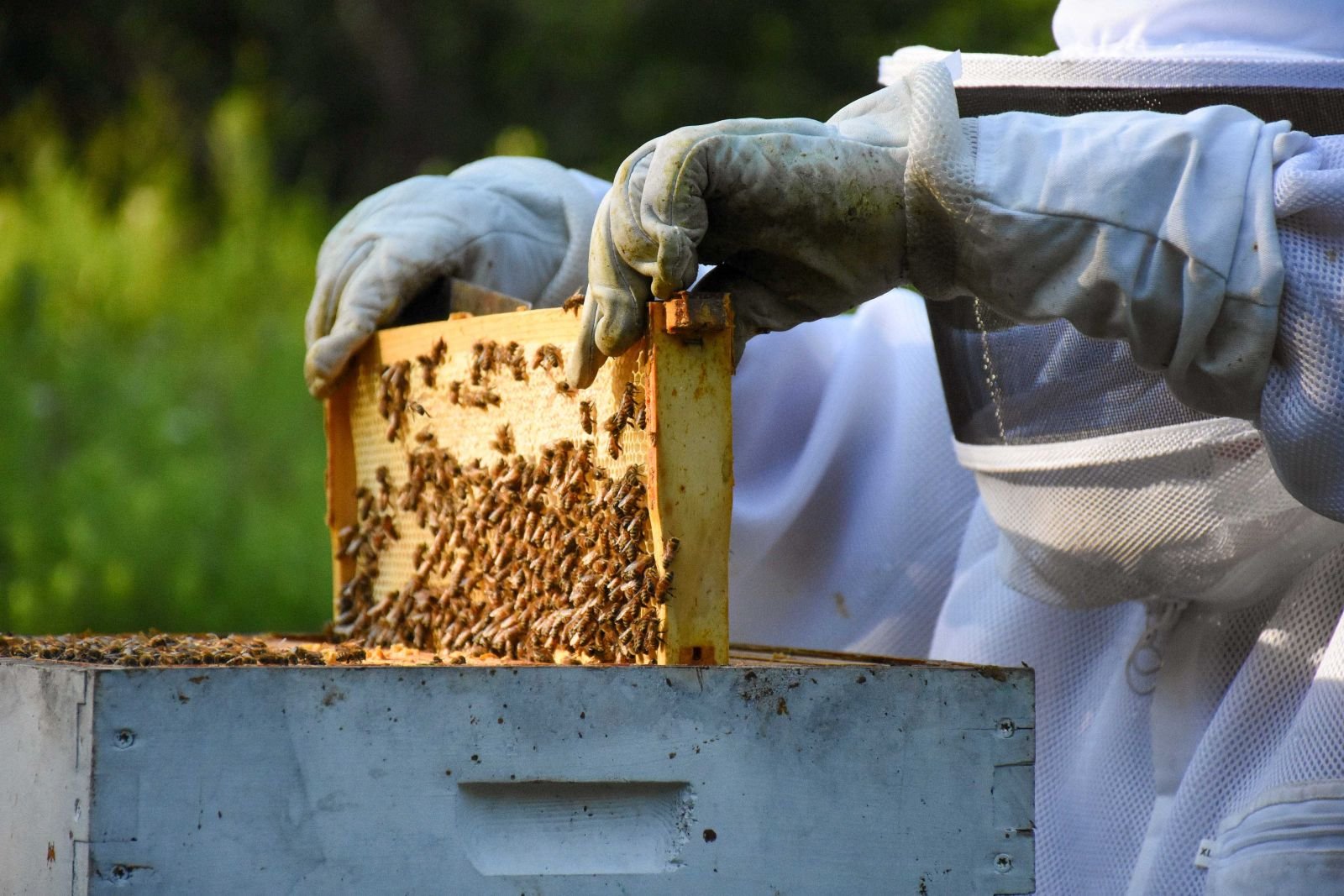
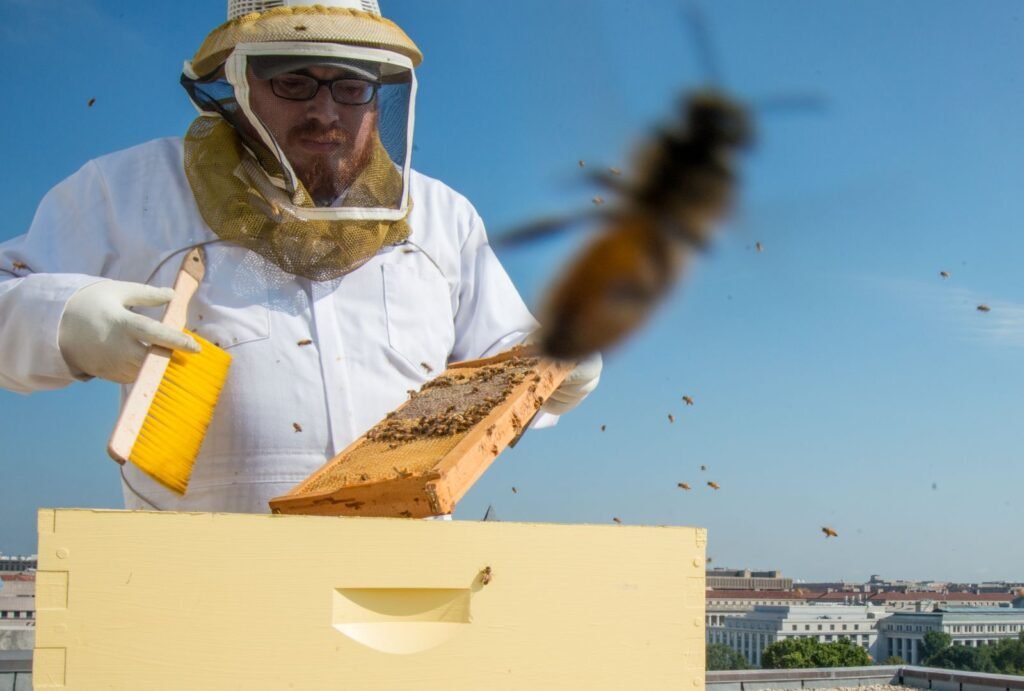
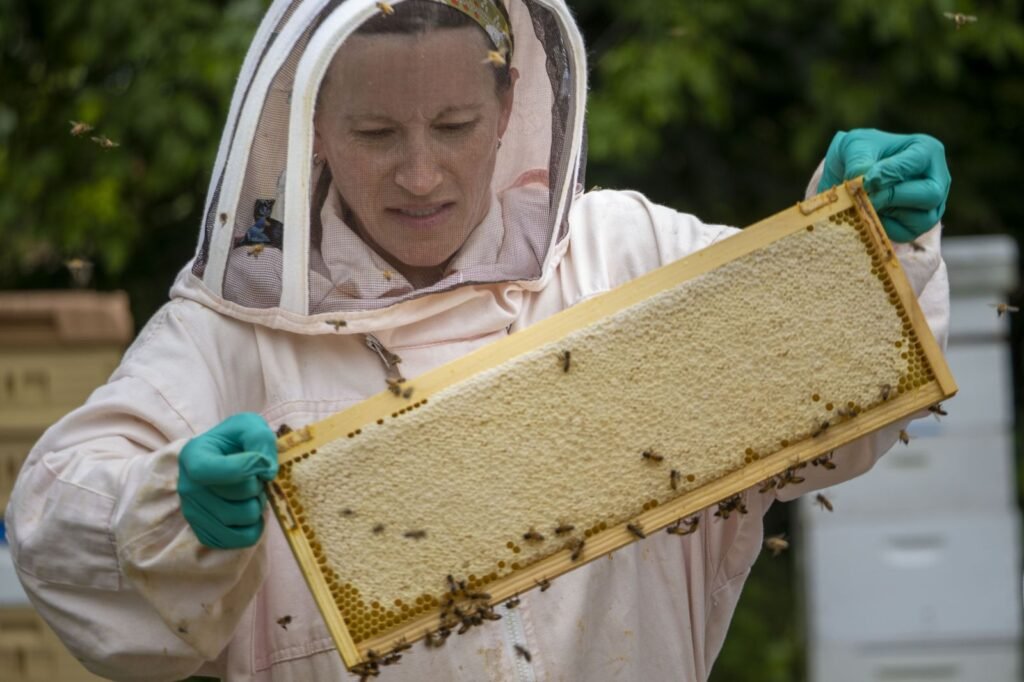
An apiary inspector’s core job is monitoring registered apiaries for regulated pests and diseases before they spread to neighboring colonies or across state lines. In practice, that means traveling between apiaries, opening hives and pulling frames to check for signs of disease like American foulbrood or infestations like varroa mites, documenting findings, advising beekeepers directly on management and treatment, and submitting reports back to the state agricultural agency. Several of our state beekeeping law guides reference the state apiary inspector as the actual person or office responsible for enforcing registration and disease-control requirements — this is the job behind that title. A single inspector can be responsible for covering a large geographic territory, which is part of why the job involves so much driving and why a valid license is treated as a genuine job requirement rather than an assumed formality.
Education Requirements From Real State Postings
Looking at actual current postings, rather than general career-advice guidance, gives a much more accurate picture of what state hiring managers are genuinely screening for at the application stage.
Requirements vary by state, but a clear pattern shows up across actual current postings. Many states require a bachelor’s degree with a major in agriculture, animal science, biological science, or a closely related field for a standard inspector position. Entry-level trainee roles often accept an alternative path: something like 60 college credits total, with at least 9 of those credits specifically in entomology, ecology, biology, agriculture, environmental studies, natural resources, or zoology, sometimes allowed to substitute for a set number of years of direct experience instead. There’s no single dedicated “apiary inspector” degree program anywhere — the path runs through general entomology, agricultural science, or biological science coursework rather than a specialized major. This flexibility is worth knowing if you’re choosing a degree program years before actually applying for an inspector position – a broad biological or agricultural science background keeps the door open to this career alongside several other related paths, rather than locking you into a single narrow track this early.
Experience Requirements and the No-Gloves Detail
This is the part of the job description that separates a genuinely qualified candidate from someone with strong academic credentials but limited real hive-side experience, and state hiring managers weigh it accordingly.
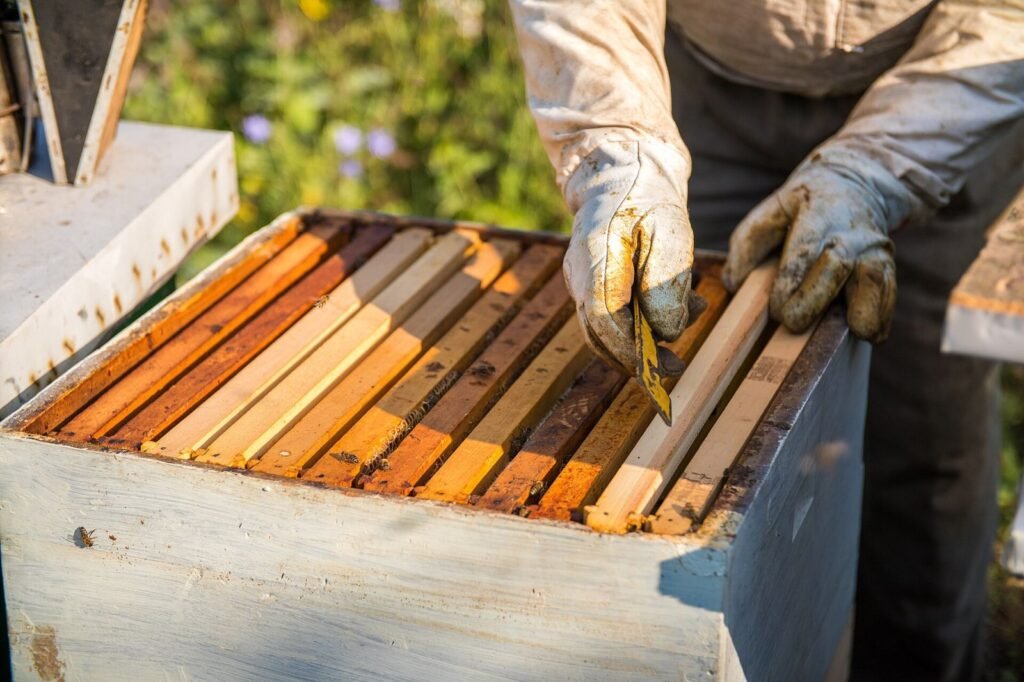
Real job postings consistently ask for both scientific knowledge and hands-on beekeeping experience, not one or the other. Requirements commonly specify several years of full-time or equivalent part-time experience in a state, federal, or university apiary program, or several years of progressively responsible experience in practical beekeeping or beekeeping inspection specifically. Beyond credentials, actual postings list some genuinely distinctive practical requirements: the ability to handle bees without gloves, since bare-handed inspection makes it easier to feel and see subtle signs of disease that thick gloves would obscure, and — stated plainly in more than one state posting — the ability to tolerate being stung repeatedly as a routine part of the job. This isn’t hyperbole or a joke line buried in a job description; it reflects the genuine physical reality of opening dozens of hives across multiple apiaries in a single day, where an occasional sting is simply part of doing the work thoroughly rather than a rare mishap to be avoided at all costs. A valid driver’s license is also standard, given how much of the role involves traveling directly between apiaries across a state or region.
What Apiary Inspectors Actually Earn
Compensation is a genuinely reasonable thing to weigh honestly before pursuing this path, particularly against the years of coursework and unpaid or low-paid field experience that often precede an actual paid inspector position.
Compensation varies meaningfully by state, experience level, and whether a position is a permanent, seasonal, or contractual role. Entry-level trainee positions in some state systems start in the roughly $23 to $25 per hour range, with average total compensation for the role landing in the mid-$30,000s annually in broader salary-tracking data, though this varies considerably by region and whether the position is full-time. Cost of living differences between states account for some of this variation, but so does the underlying structure of each state’s agriculture department – some states fund a larger, more established apiary inspection program than others, which shows up directly in how many positions exist and how they’re classified and compensated. Some states hire apiary inspectors on a seasonal or contractual basis tied to the active beekeeping season rather than as permanent year-round staff, which is worth confirming directly with a specific state’s agriculture department before assuming a posting represents a full-time, year-round role.
A Realistic Path From Hobbyist to State Employee
Framing this as a multi-year progression rather than a single application is the more honest way to think about the career, since almost no one arrives at a state inspector position without first building both the academic and hands-on foundation covered in the sections above.
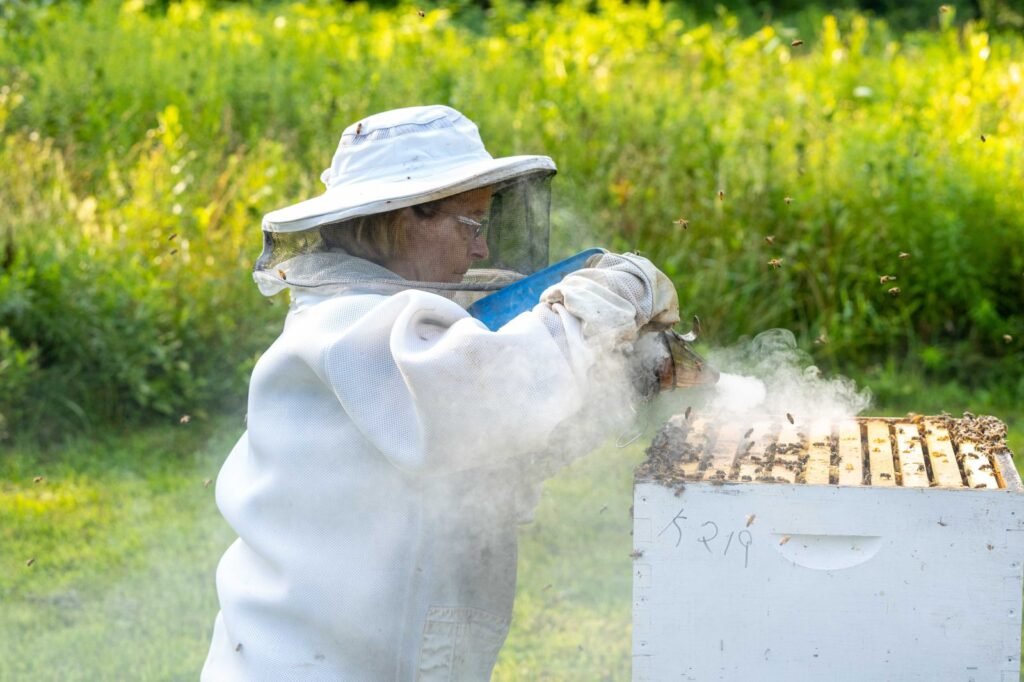
Most apiary inspectors follow a broadly similar progression rather than a single rigid track. It typically starts with building a genuine scientific foundation through entomology or biological science coursework, paired with real hands-on beekeeping experience — maintaining your own hives, assisting an established local beekeeper, or participating in a university extension or research program where you can observe colony health over an extended period rather than a single season. From there, many aspiring inspectors pursue additional formal training, sometimes at the graduate level, before actually applying to a state opening, since competitive candidates typically bring both the credentials and the field experience state agencies specifically screen for. Volunteering with a local beekeeping association’s education or mentorship program is a genuinely underused way to build exactly this kind of documented field experience, since it puts a candidate in front of multiple colonies and multiple beekeepers’ different management styles, rather than just their own single backyard operation.
| Entry Path | Typical Requirement | Best For |
|---|---|---|
| Degree-based | Bachelor’s degree in agriculture, animal science, or biological science | Candidates coming from a formal academic track |
| Experience-based (trainee) | ~60 college credits (9+ in a relevant science) plus documented beekeeping or inspection experience | Hobbyist beekeepers moving into the field without a full science degree |
Where to Actually Find These Jobs
Job searching for this particular role looks meaningfully different than searching for a typical private-sector position, since the relevant openings are scattered across dozens of individual state government systems rather than consolidated anywhere central.
State apiary inspector positions are posted through each state’s own civil service or agriculture department job board rather than a single national listing, so checking your specific state department of agriculture’s careers page directly tends to turn up openings faster than a general national job board search. General job aggregator sites do list some current apiary inspector postings alongside other agricultural roles, which is a reasonable way to get a sense of typical requirements and pay ranges across multiple states at once, but applying directly through the specific state agency’s own posting is usually the actual path to being considered. Reaching out directly to a current state apiary inspector or the state apiarist’s office, even before a position formally opens, is also a reasonable step – many state agriculture departments are relatively small teams, and a genuine, informed inquiry from someone with real beekeeping background tends to stand out favorably when a position does eventually open.
Frequently Asked Questions
The following questions address the specific points that come up most often once the general education, experience, and salary picture is clear.
Do I need a specific “apiary inspector” degree?
No. There’s no dedicated degree program for this role — most inspectors have a background in entomology, agricultural science, or a related biological science field instead.
Can beekeeping experience substitute for a college degree?
In many states, yes, at least partially. Documented practical beekeeping or inspection experience is often accepted as a substitute for some portion of the formal education requirement.
Why do some apiary inspector jobs require working without gloves?
Bare-handed inspection makes it easier to feel and see subtle signs of disease or colony stress that thick protective gloves would otherwise mask.
How much does an apiary inspector typically earn?
Entry-level positions often start in the low-to-mid $20-per-hour range, with average annual compensation reported in the mid-$30,000s, varying significantly by state and experience level.
Are apiary inspector jobs full-time or seasonal?
It varies by state — some positions are permanent and year-round, while others are seasonal or contractual, tied to the active beekeeping season.