Table of Contents
- What Master Beekeeper Certification Actually Means
- The EAS Master Beekeeper Program
- University-Affiliated Programs
- State and Regional Certification Programs
- Typical Requirements Across Programs
- What Certification Actually Gets You
- Certification vs. Years of Hands-On Experience
- Choosing the Right Program for You
- Who Should Pursue Certification
- Preparing for the Written and Practical Components
- Real Cost and Time Investment
- Maintaining Certification Over Time
- Career and Business Applications
- The Community Service Requirement at Higher Tiers
- Programs Outside the United States
- How to Actually Get Started
- If You Don’t Pass on the First Attempt
- The Networking Value Beyond the Credential
- Starting at a Lower Tier First
- Common Mistakes
What Master Beekeeper Certification Actually Means
“Master Beekeeper” isn’t a single, universally standardized credential — it refers to a category of formal certification programs run by different organizations (regional beekeeping associations, universities, and state agencies) that test and verify a beekeeper’s knowledge and practical skill through some combination of written exams, hands-on skill assessment, and often a service or mentorship component. Our broader guide to beekeeping courses and training covers education generally; this guide focuses specifically on formal certification programs and what pursuing one actually involves.
For related reading, see our guides to State Bee Inspector Programs and Apiary Registration: What Every Beekeeper Should Know, Pollinator Certification Programs: Bee City USA and Bee Better Certified Explained, and BBKA Certification: The UK’s Beekeeping Qualification System Explained.
The EAS Master Beekeeper Program
The Eastern Apicultural Society (EAS) runs one of the longest-established and most widely recognized Master Beekeeper certification programs in the United States, involving a multi-level progression (typically including written examination, a field/practical skills assessment, and a formal interview or oral defense component) that candidates work through over multiple years rather than a single weekend course. Its long track record and rigor have made it a genuinely respected credential within the U.S. beekeeping community specifically, recognized well beyond its home region.
University-Affiliated Programs
Several universities with strong apiculture research programs offer their own certification tracks, often structured as a multi-tier program (frequently something like apprentice, journeyman, master, and sometimes a further “master craftsman” level) combining coursework, hands-on skill verification, and a community service or teaching component at higher tiers. These programs benefit from direct connection to active academic apiculture research, meaning coursework often reflects current scientific understanding more directly than some independently run certification tracks.
State and Regional Certification Programs
Beyond EAS and university programs, various state beekeeping associations and regional organizations run their own certification tracks, generally similar in structure (tiered levels, written and practical components) but scoped to a specific state or region’s beekeeping conditions and regulatory environment. These programs can be a more locally relevant and accessible option than a program based in a different region, particularly for the practical skills-assessment portions, which often benefit from being evaluated under conditions similar to your actual local climate and management context.
Typical Requirements Across Programs
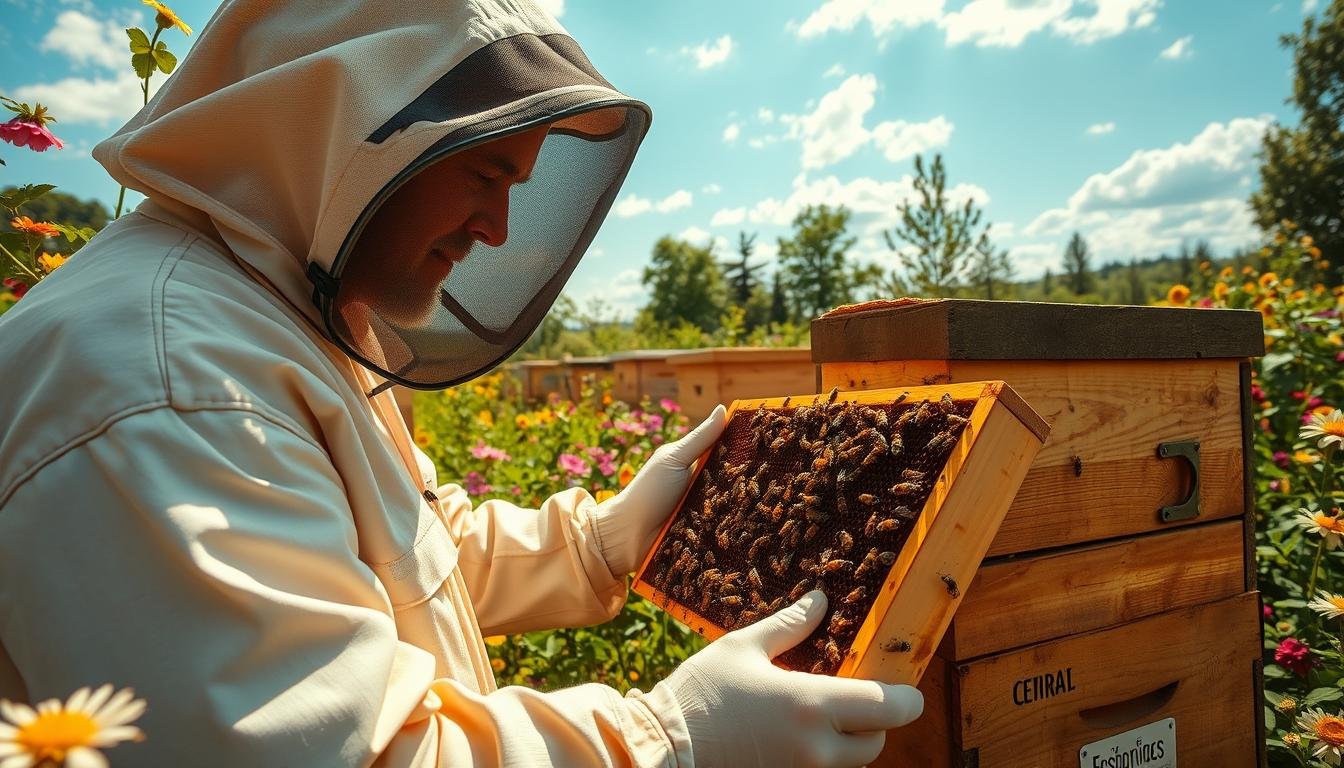
While specifics vary by program, most Master Beekeeper certifications share a common general structure: a written examination covering bee biology, colony management, and disease/pest identification; a hands-on practical assessment where an evaluator observes your actual hive-handling and inspection skills; and, at higher tiers, some form of community contribution requirement (teaching, mentoring newer beekeepers, or public education work). Programs typically require a minimum number of years of beekeeping experience before you’re eligible to test at all, reflecting that these credentials are meant to verify genuine accumulated skill, not just book knowledge.
What Certification Actually Gets You

Beyond personal satisfaction and verified skill recognition, a Master Beekeeper credential can open doors to teaching opportunities, extension work, speaking engagements, and added credibility for a commercial or educational beekeeping venture — real, tangible outcomes for beekeepers pursuing education, outreach, or a business built partly around demonstrated expertise. For someone keeping bees purely as a private hobby with no interest in teaching or public-facing roles, these specific benefits matter less, though the structured learning itself still has real value.
Certification vs. Years of Hands-On Experience
Certification and raw years of experience aren’t the same thing, and neither fully substitutes for the other — a beekeeper with a decade of hands-on colony management may have deep practical skill without ever pursuing formal certification, while a newer beekeeper working through a structured certification program gains a more systematic knowledge foundation than experience alone sometimes provides, but still needs the accumulated years of hands-on practice most programs require before testing. The strongest outcome generally combines both: real years of hands-on management alongside the structured knowledge verification a certification program provides.
Choosing the Right Program for You
Consider your specific goals (teaching and community involvement vs. personal skill verification), your region (a locally scoped program’s practical assessment may better reflect your actual conditions), and the program’s specific reputation and rigor within the beekeeping community before choosing where to invest the real time commitment these programs require. EAS’s national recognition makes it a strong default choice for a widely respected credential, while a state or university program may offer more direct local relevance or research connection depending on your priorities.
Who Should Pursue Certification
Beekeepers interested in teaching, mentoring, extension work, or building credibility for an education- or service-oriented beekeeping business are the clearest fits for pursuing formal certification. A beekeeper focused purely on personal hive management without interest in these public-facing roles may find the same knowledge gains through less formal continuing education — courses, conferences, mentorship — without the structured testing and multi-year commitment certification programs require.
Preparing for the Written and Practical Components
Effective preparation generally combines structured study (reviewing recommended reading lists, taking preparatory courses where offered) with genuinely deliberate hands-on practice specifically targeting the skills a practical assessment evaluates — inspecting frames, identifying disease and pest signs, demonstrating proper hive-tool technique, and articulating your reasoning clearly to an evaluator, since these programs test communication and judgment, not just correct action performed silently. Many successful candidates specifically seek out a mentor who has already completed the program they’re pursuing, since firsthand insight into what a specific evaluator or program actually emphasizes is difficult to replicate from written materials alone.
Real Cost and Time Investment
Beyond the multi-year experience prerequisite, expect genuine costs for exam fees, any required coursework, and travel to testing locations or conferences where practical assessments are conducted — these costs vary meaningfully by program, and a program requiring travel to a specific regional testing site adds a real logistical and financial consideration beyond the certification content itself. Budget both the time and money realistically before committing, since an abandoned certification attempt partway through wastes both without the credential to show for it.
Maintaining Certification Over Time
Some programs require ongoing continuing education or periodic renewal to maintain active certified status, rather than treating the credential as a one-time achievement that never needs revisiting — check your specific program’s maintenance requirements before assuming certification, once earned, requires no further action, since letting a renewal lapse can mean losing active status even after completing the original certification process.
Career and Business Applications
Beyond hobbyist and educational contexts, a Master Beekeeper credential carries real practical weight for beekeepers building a business around education (paid workshops, school programs), consulting work (helping other beekeepers or landowners with apiary management), or extension-adjacent roles, where the credential provides a verifiable signal of expertise to clients or employers who aren’t themselves beekeepers and need some external validation of qualification.
The Community Service Requirement at Higher Tiers
Higher-tier certifications (often the “master” level and above in tiered programs) commonly require documented community contribution — teaching beginner courses, mentoring new beekeepers, giving public talks, or contributing to local beekeeping association activities — reflecting these programs’ broader goal of building genuine community knowledge transfer, not just individual credentialing. This component often takes candidates by surprise if they haven’t researched program requirements thoroughly in advance, since it requires sustained community involvement over time rather than a single event or activity.
Programs Outside the United States
Beyond U.S.-based programs, several other countries with strong beekeeping traditions maintain their own formal certification systems, sometimes government-affiliated rather than run by an independent association — if you’re located outside the U.S. or considering international recognition, research your specific country’s or region’s established certification pathways rather than assuming EAS or a U.S. university program is the only credible option, since regional programs often carry more direct local recognition and relevance.
How to Actually Get Started
Begin by researching your regional options directly through EAS’s website, your state beekeeping association, or nearby universities with apiculture programs, comparing specific eligibility requirements, testing locations, and typical timelines before committing to one path. Reaching out directly to a program coordinator with specific questions about your situation — prior experience, location, and goals — often clarifies which option genuinely fits best faster than trying to compare programs entirely through published materials alone.
If You Don’t Pass on the First Attempt
Most established programs allow retesting after a failed attempt on either the written or practical component, generally with a required waiting period and sometimes an additional fee — a failed first attempt is a normal, common part of the process for many genuinely skilled candidates rather than a sign the credential isn’t achievable, and reviewing specific feedback from the evaluation (where programs provide it) helps target preparation more effectively for a retest than repeating the same general study approach.
The Networking Value Beyond the Credential
Working through a formal certification program, especially one involving in-person testing at conferences or regional events, connects candidates with other serious, committed beekeepers and program alumni in a way that’s harder to replicate through informal learning alone — many certified beekeepers cite this professional network, built through the shared experience of pursuing certification together, as a genuinely valuable outcome distinct from the credential itself.
Starting at a Lower Tier First
For tiered programs, entering at the apprentice or journeyman level first, rather than attempting to jump directly to the master-level assessment, generally serves candidates better even when they believe their experience might qualify them for a higher starting point — the progressive structure builds documented assessment history and program familiarity that tends to improve outcomes at the more demanding master-level testing later.
Common Mistakes
Assuming “Master Beekeeper” is a single standardized credential rather than a category of distinct programs with real differences in rigor and structure leads to confusion when comparing candidates’ or your own credentials against others. Underestimating the real multi-year time commitment most legitimate programs require, expecting a quick weekend certification, sets unrealistic expectations from the start. Pursuing certification purely for the title without genuine interest in the community-service or teaching components many programs require at higher tiers can make the process feel like an obligation rather than a genuinely rewarding pursuit.
Sources
Program structure and requirements reflect publicly available information from the Eastern Apicultural Society and various university and state-level Master Beekeeper certification programs across the United States. For current, authoritative detail, see the Eastern Apicultural Society’s Master Beekeeper Certification Program.
FAQ
Is Master Beekeeper certification the same everywhere?
No — it refers to a category of distinct programs run by different organizations (EAS, universities, state associations), each with its own specific structure, rigor, and requirements rather than one universal standard.
How long does it take to become a certified Master Beekeeper?
Most legitimate programs require a multi-year commitment, including a minimum years-of-experience prerequisite before testing, rather than being achievable through a single weekend course.
Do I need certification to be a good beekeeper?
No — certification and years of hands-on experience aren’t the same thing, and many skilled beekeepers never pursue formal certification; it’s most valuable for those interested in teaching, mentoring, or building credibility for an education-oriented role.
Which program should I choose?
Consider your goals (teaching vs. personal verification), your region (local programs may better reflect your actual conditions), and the program’s reputation — EAS is a strong nationally recognized default, while state or university programs offer more local relevance.
Are there Master Beekeeper programs outside the United States?
Yes — several countries with strong beekeeping traditions maintain their own certification systems, sometimes government-affiliated, worth researching directly if you’re located outside the U.S. rather than assuming only American programs are credible options.
Should I start at the master level if I have years of experience?
Generally no — entering at the apprentice or journeyman level first, even with substantial experience, tends to build documented assessment history and program familiarity that improves outcomes at the more demanding master-level testing later.