
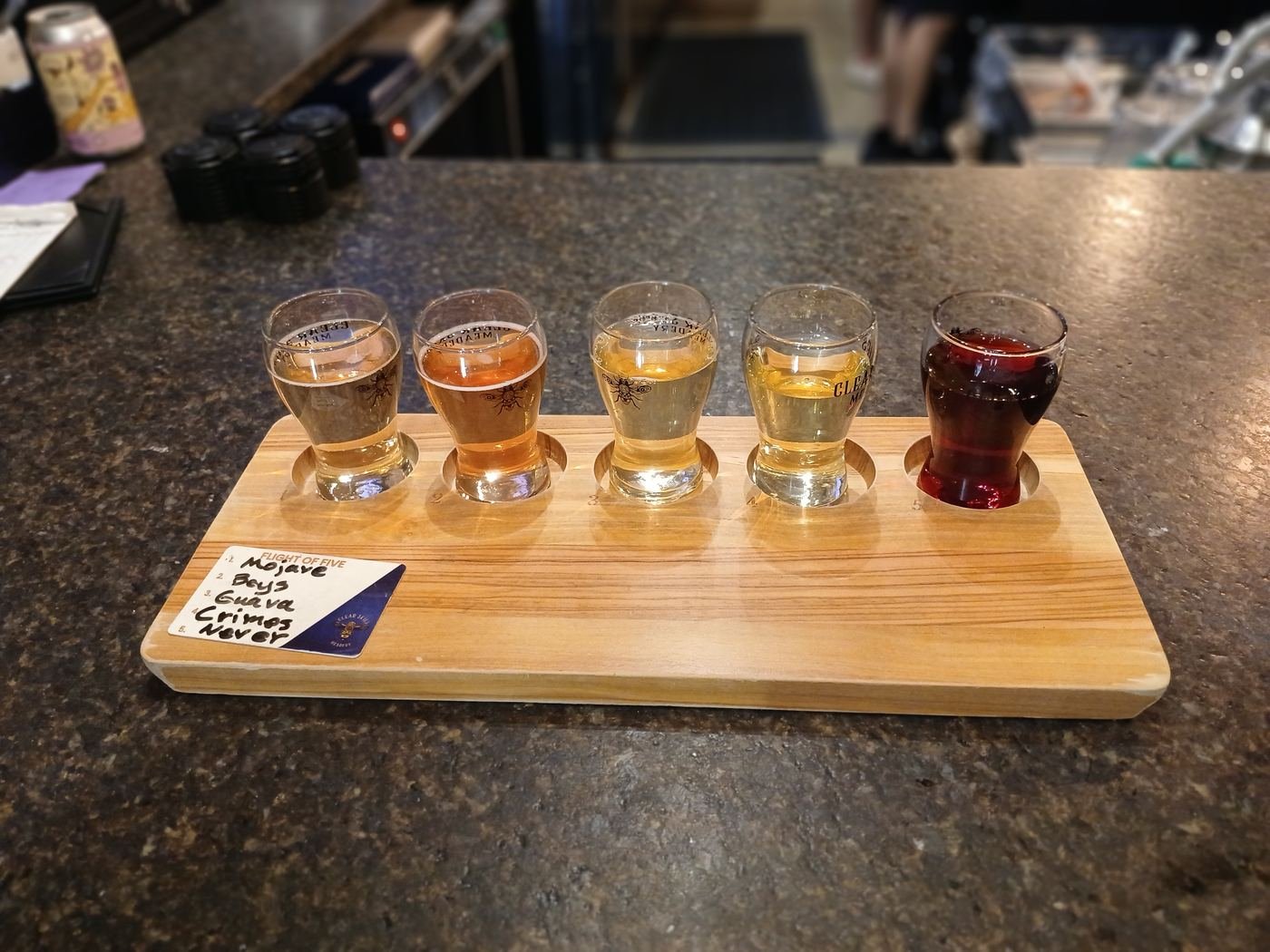
Homebrewed mead gets judged in competition through the Beer Judge Certification Program’s Mead Judge Program, a dedicated certification track the BJCP created in 2006 specifically because mead’s fermentation chemistry and style range didn’t fit neatly under beer judging standards. A certified mead judge scores entries on a structured scoresheet, in flights, against style-specific guidelines — the same basic scoring architecture serious homebrewers already know from beer competitions, adapted for a drink that behaves nothing like beer in the fermenter.
Key Takeaways
- The BJCP’s Board approved creating a dedicated Mead Judge Certification in March 2006, after concluding mead judging needed its own qualification track rather than folding into general beer judging.
- Becoming a certified BJCP Mead Judge requires passing a closed-book Mead Judging Exam that involves actually judging six meads as if at a real competition, with the resulting scoresheets evaluated for scoring accuracy, perception, descriptive ability, feedback quality, and completeness.
- An entrance exam (200 questions, 60 minutes) covers mead knowledge before a candidate sits the judging exam itself.
- Judges work in assigned teams at actual competitions, not solo — how a judge scores and communicates with teammates is part of what the certification track is built to standardize.
- Existing BJCP beer judges who pass the mead exam receive an “endorsement” added to their existing rank rather than a completely separate credential, while new mead-only judges receive their own BJCP Mead Judge pin and certificate.
Table of Contents
- Why Mead Needed Its Own Judging Track
- How the Certification Actually Works
- What Happens on the Judging Table
- Reading Your Own Scoresheet
- Entering a Competition for the First Time
- Frequently Asked Questions
Why Mead Needed Its Own Judging Track
For years, mead entered at homebrew competitions was judged under whatever generic framework a given competition adapted from beer judging, with no dedicated qualification standard behind the judges scoring it. The BJCP — the organization most U.S. homebrew competitions rely on for judge certification — recognized this as a real gap: mead’s base ingredient, fermentation behavior, and stylistic range (from a bone-dry traditional mead to a spiced metheglin or fruited melomel) don’t map cleanly onto beer style categories or beer off-flavor troubleshooting. In March 2006, the BJCP Board approved creating a dedicated Mead Judge Certification specifically to raise the skill level and consistency of the people scoring mead at competition, rather than continuing to treat it as an adjunct to beer judging.
That distinction matters to anyone who’s read this site’s own explanation of how traditional mead, melomel, and metheglin actually differ — a judge evaluating a spiced metheglin needs a genuinely different frame of reference than one evaluating a dry traditional mead made from a single honey varietal, and the pre-2006 system didn’t formally guarantee a judge had that frame of reference at all.
How the Certification Actually Works
Getting certified as a BJCP Mead Judge isn’t a one-step process. Candidates first sit the Mead Judge Entrance Examination — 200 questions to be completed in 60 minutes, covering mead ingredients, production, styles, and faults. Passing the entrance exam qualifies a candidate to sit the Mead Judging Examination itself, which is closed-book and structured around actually judging six meads as if the candidate were scoring them at a live competition. Evaluators don’t just check whether the final score looks reasonable — they assess the candidate’s scoresheets across several dimensions: scoring accuracy against the panel’s own reference scores, perception (did the judge actually detect the faults and characteristics present), descriptive ability, quality of feedback to the (hypothetical) meadmaker, and completeness of the scoresheet itself. That last point matters as much in practice as the score: a judge who scores a mead accurately but gives the entrant nothing usable to work with hasn’t done the job a competition scoresheet exists for.
Judges who pass earn a BJCP Mead Judge pin and certificate. For someone who’s already a certified BJCP beer judge, passing the mead exam adds a formal mead endorsement to their existing rank rather than creating a separate, disconnected credential — they keep operating within the BJCP’s existing structure, just with mead judging authority added.
What Happens on the Judging Table
At an actual competition, certified mead judges are assigned to judging teams rather than scoring alone — a structural choice the program treats as central, not incidental, to how consistent scoring gets achieved. A team typically works through an entire flight of mead entries within a single style category, tasting, scoring, and then conferring to reconcile any large gaps between individual scores before a final placement is settled. This is the same basic competition architecture familiar from BJCP beer judging (and from how this site’s own guide to making mead at home describes the finished product being evaluated), adapted specifically for mead’s much longer typical aging and conditioning timeline and its wider range of base sweetness and carbonation levels.
Reading Your Own Scoresheet
For a home meadmaker entering a competition for the first time, the scoresheet that comes back is the actual point of entering — more useful, in most cases, than the medal or ranking itself. A BJCP-trained judge’s evaluation records numerical scores across defined categories (typically aroma, appearance, flavor, mouthfeel, and overall impression, weighted specifically for mead rather than borrowed unmodified from a beer scoresheet), paired with written feedback meant to be genuinely actionable — what’s working, what’s holding the entry back, and often a specific guess at the likely cause of a fault. A meadmaker whose entry scored lower than hoped but got back a scoresheet flagging, say, unresolved fusel alcohols from a too-hot fermentation has more useful information than the ranking alone would ever provide — which connects directly to why this site’s own list of common first-batch mead mistakes tracks closely with the faults BJCP judges are specifically trained to identify and describe.
Entering a Competition for the First Time
A few practical points worth knowing before entering mead in a BJCP-sanctioned competition for the first time:
- Meads are judged by style category, so knowing which category an entry actually fits — traditional, melomel, metheglin, or another recognized category — matters before submission, not just at the tasting table.
- Most competitions require a minimum bottle count per entry (commonly two or three) so both a tasting panel and a possible mini-best-of-show round can be run without reopening a single bottle repeatedly.
- Because mead often benefits from significantly longer conditioning than beer, entering a mead that’s still very young can genuinely undersell it — this site’s guide to choosing honey for mead and general fermentation-timeline guidance are worth reviewing well before a competition deadline, not the week of it.
- Written feedback on the returned scoresheet is worth more long-term than the placement — treat a low score with specific, consistent feedback as a genuinely useful diagnostic, not just a disappointing result.
Frequently Asked Questions
When did the BJCP create a dedicated mead judging certification?
The BJCP Board approved creating the Mead Judge Certification in March 2006, specifically to raise the skill level and consistency of judges scoring mead, rather than continuing to judge it under general beer-judging standards.
What does it take to become a certified BJCP Mead Judge?
Candidates pass a 200-question, 60-minute entrance exam, then a closed-book judging exam that involves scoring six meads as if at a live competition, evaluated on scoring accuracy, perception, descriptive ability, feedback quality, and completeness.
Do certified beer judges need a separate credential to judge mead?
They need to pass the mead exam, but the result is an endorsement added to their existing BJCP rank rather than a fully separate certification track.
Do mead judges score competitions alone?
No. Judges are assigned to teams and typically work through a flight of entries together, comparing scores and reconciling significant differences before finalizing placements.
What’s the most useful part of entering a mead in a judged competition?
For most home meadmakers, it’s the written scoresheet feedback — a trained judge’s specific notes on aroma, flavor, and likely fermentation faults are typically more useful for improving the next batch than the placement or medal itself.
For additional context, see the Beer Judge Certification Program’s own site.


