Table of Contents
Mead — fermented honey and water, sometimes called honey wine — is one of the oldest alcoholic drinks humans have made, and it’s a natural next project for a beekeeper who already has a honey source most homebrewers have to buy. Unlike beer or grape wine, mead’s core ingredient list is short: honey, water, yeast, and time. What separates a good batch from a mediocre one is mostly patience and attention to detail, not exotic equipment or ingredients.
What Mead Actually Is
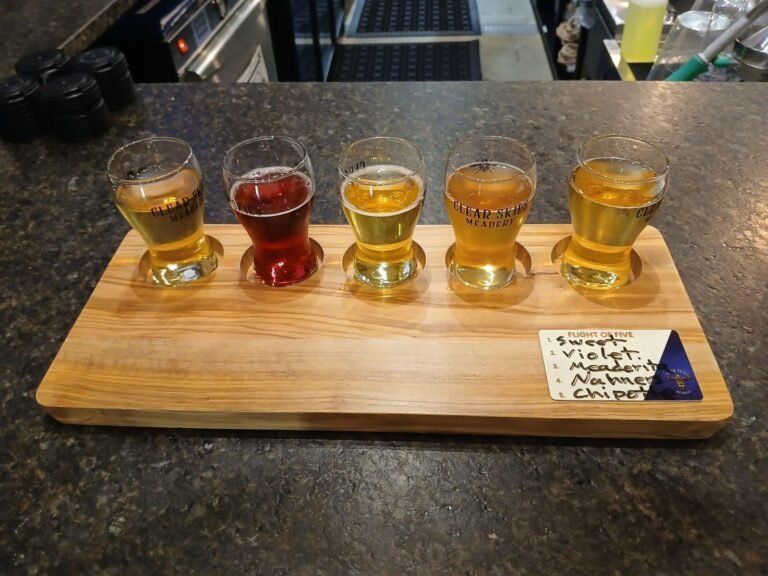
Mead is honey dissolved in water and fermented with yeast, which converts the honey’s sugars into alcohol and carbon dioxide over several weeks to months. It isn’t beer (no grain) and isn’t wine in the traditional sense (no grapes) — it occupies its own category, with a flavor and body that depends heavily on which honey you start with and what, if anything, you add to it. Traditional mead (just honey, water, and yeast) is called a “show mead” among mead-makers; add fruit and it becomes a melomel, add spices and it’s a metheglin — more on those variations below.
Equipment You’ll Need
| Item | Purpose |
|---|---|
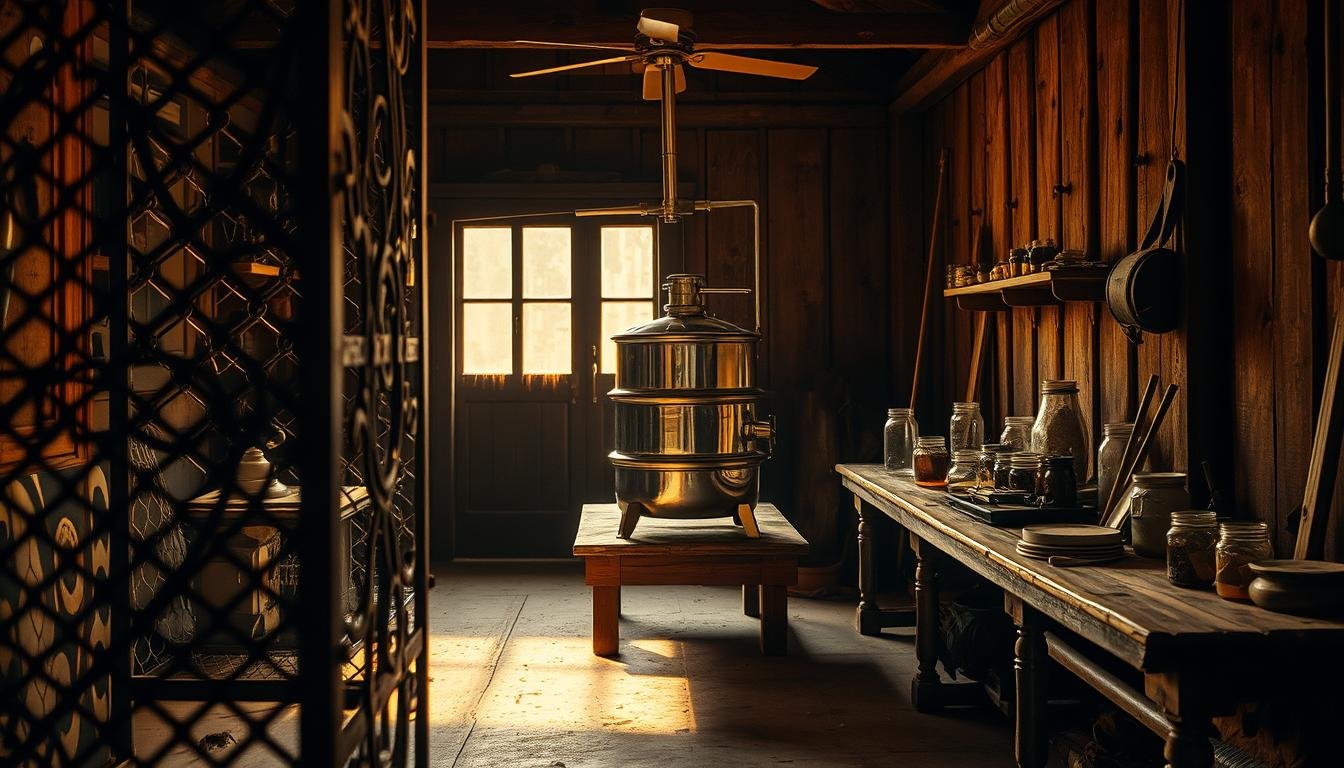
| Fermentation vessel (glass carboy or food-grade plastic bucket) | Where the must ferments; glass is easier to sanitize thoroughly and lets you see the batch |
| Airlock and stopper | Lets fermentation gas escape without letting contaminants in |
| Sanitizer (like Star San or a similar no-rinse sanitizer) | Every surface touching the must needs this — the single most important piece of equipment |
| Hydrometer (optional but recommended) | Measures sugar content before and after fermentation, so you know your starting and finished alcohol level |
| Racking cane and siphon tubing | Moves clearing mead off sediment without disturbing it |
| Bottles and corks or caps | For the finished, aged product |
None of this needs to be expensive — a basic homebrew starter kit covers everything above and is a one-time purchase that lasts for many batches.
Which Honey From Your Hives Works Best
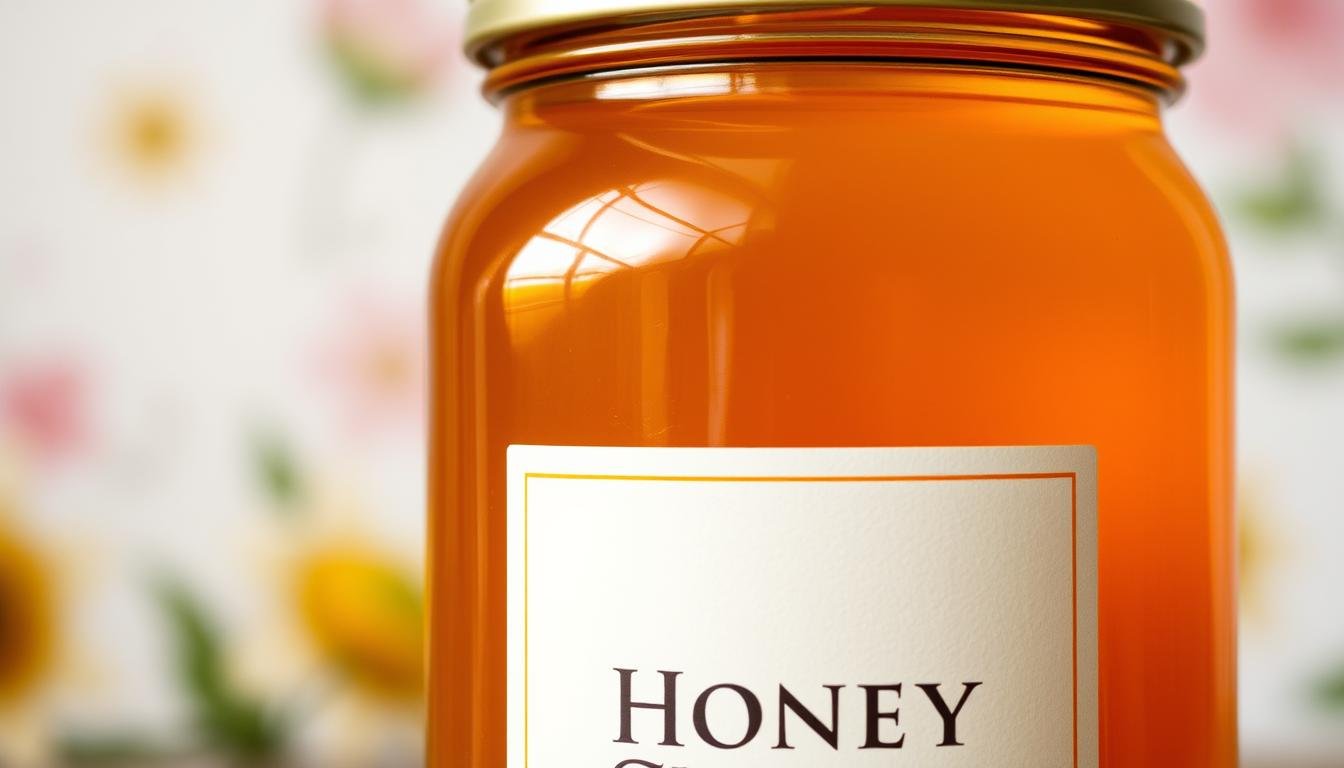
Light, mild varietal honeys (clover, orange blossom, wildflower) make a cleaner-tasting mead for a first batch, since their flavor doesn’t fight with the yeast character during fermentation. Darker, stronger honeys (buckwheat, some late-season wildflower blends) produce a more assertive, sometimes molasses-like mead that experienced mead-makers often prefer once they know what they’re doing, but it’s a harder starting point for judging whether a batch went right or wrong. If you’re keeping records on your own honey by source and season, see popular U.S. honey varieties and the main types of honey explained for how floral source shapes flavor before you commit a batch’s worth of harvest to a mead experiment.
Use raw, unheated honey where possible — heavy heating during processing can affect flavor compounds, though for mead-making you’ll be adding your own cultured yeast regardless, so this matters more for taste than for whether fermentation will work. See raw vs. processed honey for what that distinction actually changes.
Ingredients and Ratios
| Ingredient | Typical amount (per gallon batch) |
|---|---|
| Honey | About 2.5 lb (roughly 3 cups) for a medium-sweet mead |
| Water | Enough to reach 1 gallon total after honey is dissolved |
| Wine or mead yeast | About 1/5 to 1/2 of a standard 5-gram packet (one full packet is typically sized for a 5-gallon batch) |
| Yeast nutrient | Per product instructions — honey alone is often short on the nitrogen yeast needs for a clean fermentation |
More honey per gallon produces a sweeter, higher-alcohol mead; less produces a drier, lighter one. Beginners generally do better starting closer to the 2.5 lb mark and adjusting on the next batch once they know how their yeast and honey combination behaves. A hydrometer reading before fermentation (roughly 1.090-1.110 for a standard-strength mead) and after gives you an actual number for the alcohol produced, rather than guessing.
Step-by-Step Process
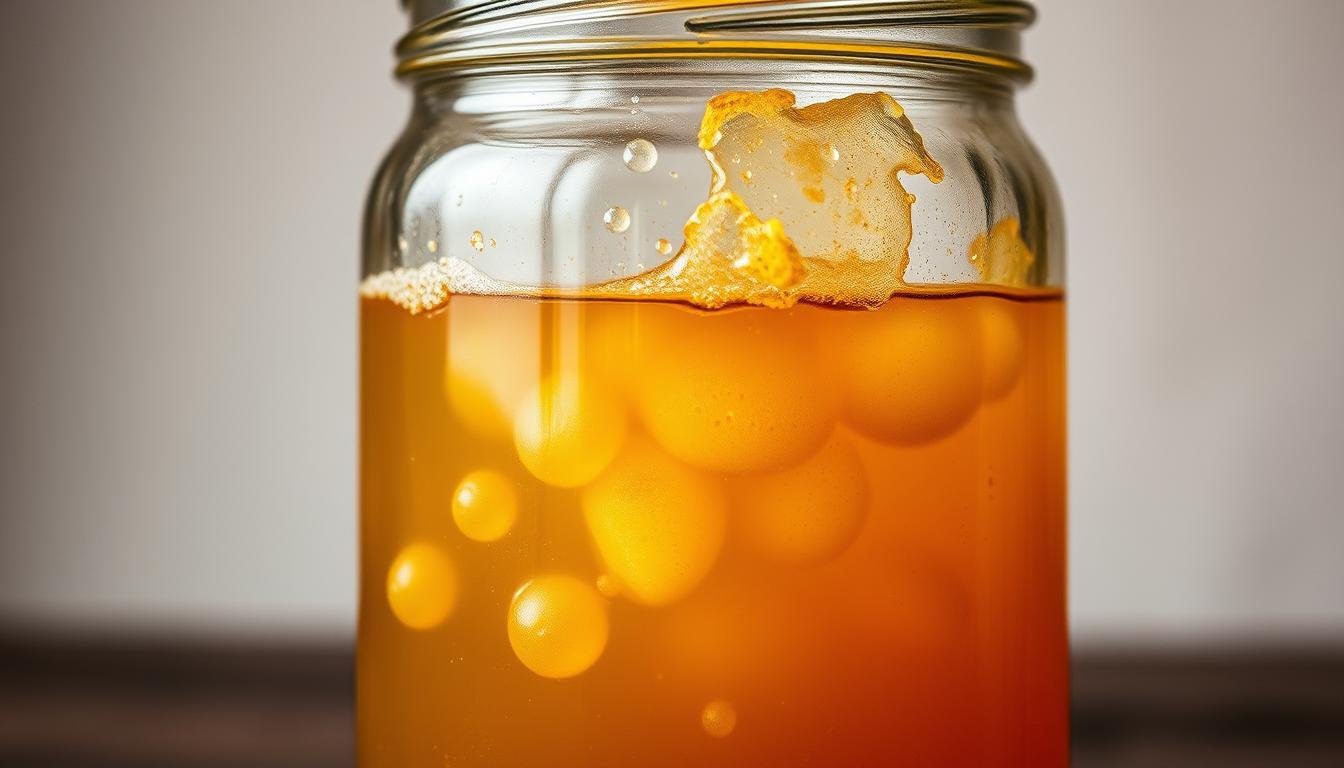
- Sanitize everything. Every vessel, spoon, and airlock that will touch the mixture needs to be properly sanitized first — wild yeast and bacteria on unsanitized equipment is the single most common cause of a spoiled batch.
- Warm the water, not the honey directly. Warm roughly half your water gently (do not boil) and stir in the honey until fully dissolved, then top up with the remaining water to reach your target volume.
- Cool before pitching yeast. Let the mixture (called “must” once honey and water are combined) cool below about 90°F before adding yeast — hotter than that can kill the yeast outright.
- Pitch the yeast and add nutrient. Follow the yeast packet’s rehydration instructions if it calls for them, then add yeast nutrient per its instructions.
- Seal with an airlock and record your starting gravity if using a hydrometer, before sealing.
- Ferment somewhere stable. A consistent room temperature, out of direct sunlight, gives the most predictable results.
Fermentation and Aging Timeline
Active fermentation (visible airlock bubbling) typically runs a few weeks. After that, the mead needs to clear and mellow — most mead-makers age a batch 3 to 12 months before it tastes its best, since young mead can taste harsh or overly yeasty compared to the same batch after several months of quiet aging. Once fermentation slows, rack the mead off the sediment (called lees) into a clean vessel to continue clearing, then bottle once it’s stable and clear. This is the part beginners most often rush, and it’s usually the single biggest improvement available for free: just waiting longer before tasting.
Flavor Variations: Melomel, Metheglin, and More
Once you’ve made a plain (traditional/show) mead successfully, the common next step is adding other ingredients:
- Melomel — mead made with fruit added, either during primary fermentation or after. Berries, stone fruit, and apples are common starting points.
- Metheglin — mead made with herbs or spices, such as cinnamon, ginger, or chamomile.
- Cyser — mead made with apple juice or cider in place of some of the water, a popular fall variation.
- Pyment — mead made with grape juice or wine grapes, blending mead and wine traditions.
Adding fruit or spice generally happens either at the start (steeped or blended into the must) or during secondary fermentation after racking off the first batch of lees, depending on how strong you want the flavor to come through.
Troubleshooting Common Problems
| Problem | Likely cause |
|---|---|
| Fermentation never starts (no bubbling) | Yeast was killed by hot must, yeast was old/inactive, or must temperature is too cold for the yeast strain |
| Sulfur or “rotten egg” smell during fermentation | Common with stressed yeast, often from insufficient nutrient — usually clears up with more aging, but adding nutrient earlier next time helps prevent it |
| Mead tastes harsh or overly hot/alcoholic | Usually just needs more aging time — this is the most common “problem” and the easiest to fix with patience |
| Cloudy mead that won’t clear | Needs more time settling, or a fining agent; racking carefully off sediment helps |
Selling Mead: What to Know Legally
Making mead for personal use is generally legal for home brewing in the same way homemade beer and wine are in most U.S. states, within home-production quantity limits. Selling mead is a different matter entirely — it requires federal and state alcohol production licensing (similar to a winery license), which is a substantially bigger undertaking than home fermentation. If turning a hobby batch into a commercial product is a real goal, that’s a separate regulatory process worth researching specifically before investing in equipment scaled for sale rather than personal batches.
Common Beginner Mistakes
- Skipping sanitation. Covered above, but it’s the most common cause of a failed or off-tasting batch by a wide margin.
- Adding yeast to hot must. Killing the yeast on contact means fermentation never really starts.
- Tasting too early and judging the batch by it. Young mead almost always tastes rougher than the same batch after proper aging.
- Skipping yeast nutrient. Honey alone often doesn’t give yeast enough nitrogen to ferment cleanly, which can produce off-flavors or a stalled fermentation.
- Bottling too soon. Bottling before fermentation and clearing are truly finished can lead to over-carbonation or even bottle pressure problems.
Sources
For additional authoritative detail on this topic, see a peer-reviewed study on mead fermentation science.
FAQ
How much honey do I need to make a gallon of mead?
About 2.5 pounds of honey per gallon of finished mead is a common beginner starting ratio, adjusted up for a sweeter mead or down for a drier one.
Can I use any honey from my hives for mead?
Yes, but lighter varietal honeys (clover, orange blossom, wildflower) are easier for a first batch since their flavor doesn’t compete as much with the fermentation character.
How long does mead take to make?
Active fermentation runs a few weeks, but most mead tastes noticeably better after 3 to 12 months of additional aging — the biggest quality jump for a beginner batch usually comes from patience, not technique.
Is it legal to make mead at home?
Home fermentation for personal use is generally legal in the same way home beer and wine brewing is, within your state’s home-production limits. Selling mead requires separate alcohol production licensing.