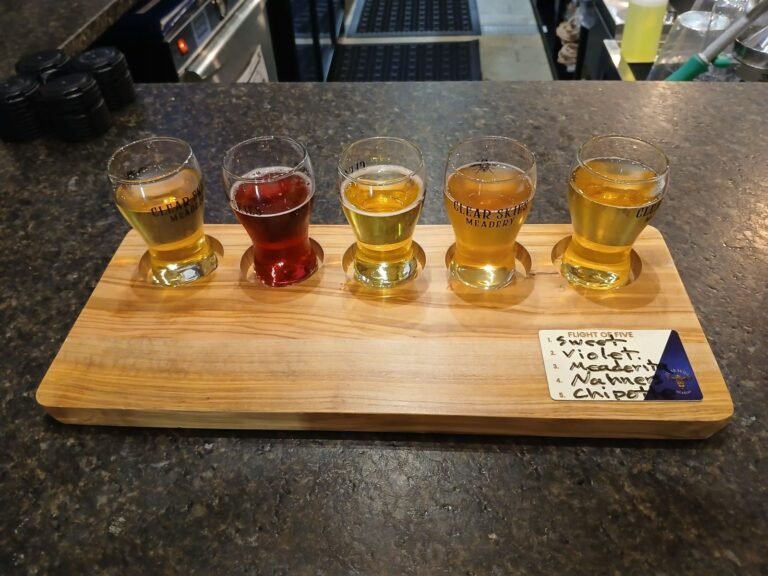
How to License a Meadery: TTB Bonded Winery Permits
Selling mead commercially requires a federal TTB Bonded Winery permit, since mead is legally regulated as wine. Real forms, bond thresholds, costs, and state-licensing steps most guides skip.

Homemade mead and honey wine: recipes, equipment, fermentation, and the law around making it at home. Mead is simply honey, water and yeast, which is exactly why it goes wrong so easily: honey contains almost none of the nutrients yeast needs, so an unattended batch ferments slowly, stalls, or throws harsh sulfur and fusel notes. What separates a clean first batch from a disappointing one is mostly nutrient timing, temperature control and patience.
The guides cover the whole path: a realistic beginner walkthrough, the equipment you actually need, choosing honey by variety, since dark buckwheat and pale clover make very different meads, and how long fermentation and aging really take. Style articles set traditional mead against melomel made with fruit and metheglin made with spices, and explain how mead differs from wine, beer and cider. Seasonal recipes and common first-batch mistakes follow.
The legal side gets its own treatment: whether homemade mead is legal under federal and state rules, and what a bonded winery permit involves for anyone considering a commercial meadery. Mead judging and non-alcoholic honey drinks round it out. It is written for beekeepers with surplus honey and for home brewers arriving from beer or wine.
Start here:
Selling mead commercially requires a federal TTB Bonded Winery permit, since mead is legally regulated as wine. Real forms, bond thresholds, costs, and state-licensing steps most guides skip.
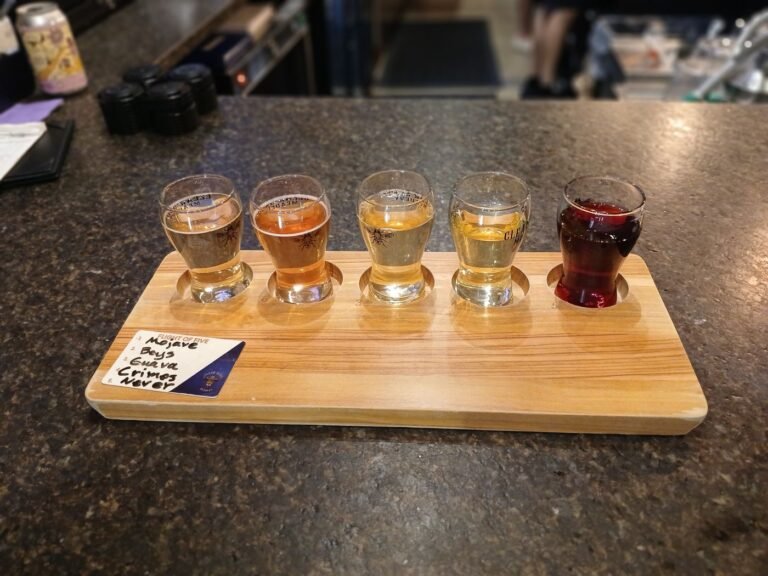
A look at how the BJCP's dedicated Mead Judge Program certifies competition judges and what actually happens on the judging table.

Mead isn’t the only honey drink with real history behind it — switchel, a vinegar-and-honey field drink, dates to the 1600s and gets a mention in both Herman Melville and…

Traditional mead-making follows the calendar for a practical reason that has nothing to do with romance: metheglins and plain traditional meads get made in the cooler months when warming spices…

Nine specific, avoidable mistakes behind most disappointing first mead batches - including the one with a real safety risk.

Fermentation takes 2-6 weeks, but a genuinely good mead takes 4-12 months. Here's what controls the timeline, and how to fix a stuck fermentation.

An honest equipment list, not a sales pitch: six real essentials for a first batch, what you can substitute from your kitchen, and a realistic cost breakdown.

Traditional, melomel, metheglin, cyser, pyment, bochet - the whole mead vocabulary explained as variations on one simple base process.

It comes down to one thing: what sugar source is fermented. See how that one difference drives ABV, timeline, gluten content, and even how mead is legally classified.

There's no single best honey for mead - it depends on the style. Here's how to match honey character to what you're actually making.

A real first mead batch: honest ingredient ratios, the step most beginners skip, and why patience matters more than the recipe.

Yes — making mead at home for personal or family use is legal under federal law in all 50 states, without a permit, registration, or tax, as long as you…
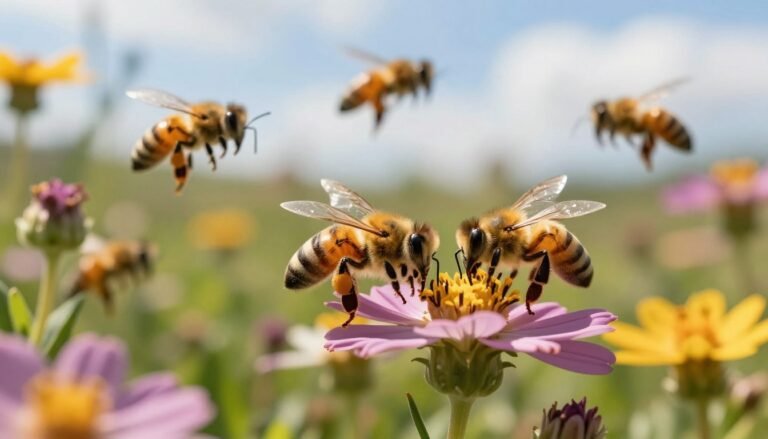
Honey vinegar needs two fermentations: yeast makes alcohol, then acetic acid bacteria turn it into vinegar. This guide gives source-checked ratios, temperatures and the acidity limits for canning and sale.
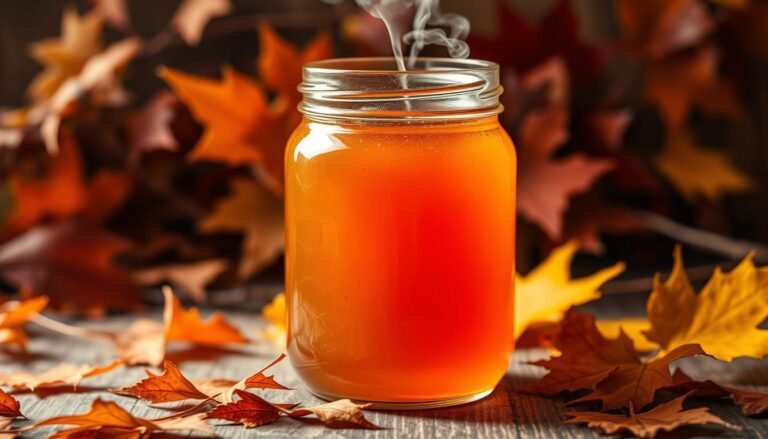
Table of Contents What Mead Actually Is Equipment You’ll Need Which Honey From Your Hives Works Best Ingredients and Ratios Step-by-Step Process Fermentation and Aging Timeline Flavor Variations: Melomel, Metheglin,…