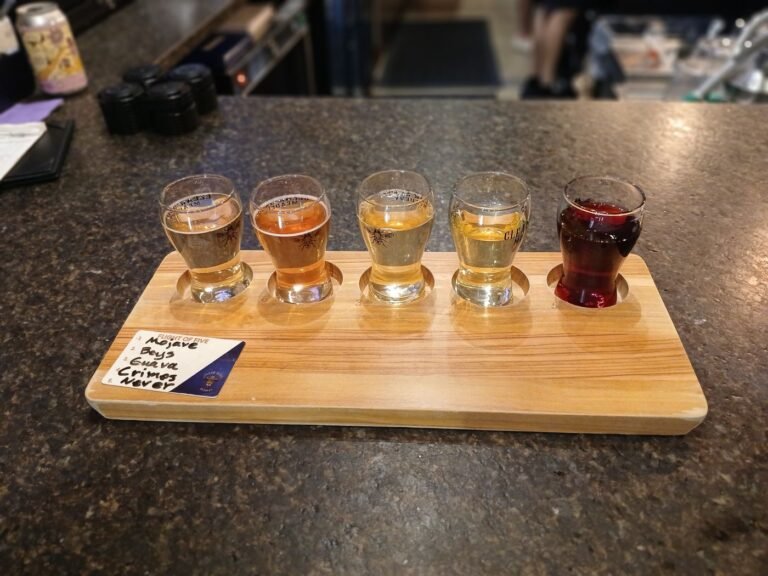
Mead isn’t the only honey drink with real history behind it — switchel, a vinegar-and-honey field drink, dates to the 1600s and gets a mention in both Herman Melville and Laura Ingalls Wilder, while honey lemonade and a simple homemade honey soda cover the same “honey as the sweetener in a refreshing drink” territory without any fermentation, alcohol, or waiting involved at all. All three are ready to drink in minutes, not months.
This guide covers four real non-alcoholic honey drinks: switchel (also called Haymaker’s Punch), honey lemonade done with the technique that actually dissolves honey properly, a simple carbonated honey soda, and oxymel — an ancient honey-and-vinegar concentrate with a genuinely long documented history. If actual mead — the fermented, alcoholic honey wine — is what you’re after instead, this site’s realistic beginner’s guide to making mead and its comparison to wine, beer, and cider cover that separate, much slower process.
Key Takeaways
- Switchel (water, apple cider vinegar, honey, and ginger) dates to at least the 1600s and was the standard field-worker’s drink during haying season — Herman Melville and Laura Ingalls Wilder both reference it in their writing.
- Dissolving honey into syrup first (equal parts honey and warm water) before adding it to a cold drink prevents the clumping and uneven sweetness that comes from stirring honey directly into a cold liquid.
- A basic honey soda is just honey syrup plus sparkling water — roughly 2-4 tablespoons of syrup per 8-12 oz of sparkling water, adjustable to taste, with no fermentation or waiting involved.
- Oxymel, a concentrated honey-and-vinegar syrup, has documented use in Greek medicine dating to around 400 BC and remains a genuine folk tradition today — but folk-remedy claims about it are traditional use, not medical advice.
- None of these four drinks are mead and none involve fermentation or alcohol — for the fermented, alcoholic version, this site covers that as a completely separate topic.
Table of Contents
- Switchel (Haymaker’s Punch): A 17th-Century Field Drink
- Honey Lemonade Done Right
- Meadless Honey Soda: Carbonation Without Fermentation
- Oxymel: The Ancient Honey-Vinegar Concentrate
- Why None of These Are Mead
- Quick Reference Table
- Frequently Asked Questions
Switchel (Haymaker’s Punch): A 17th-Century Field Drink
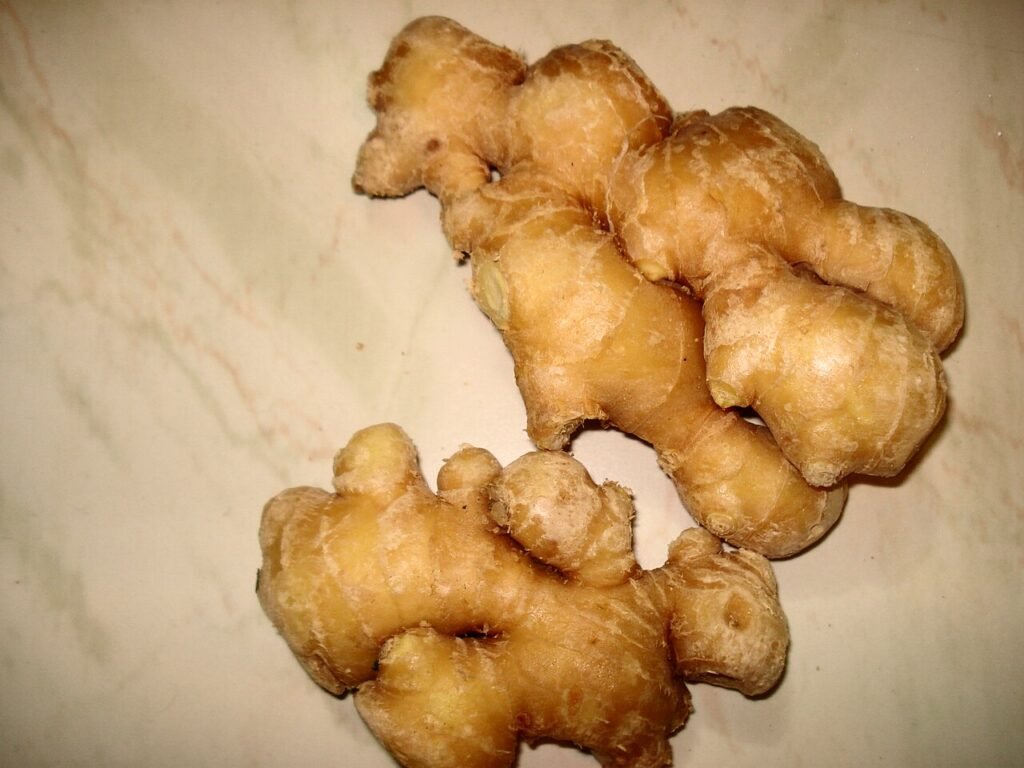
Switchel’s exact origin is genuinely disputed between the Caribbean and New England, but it was in widespread use across America by the 19th century, traditionally mixed up by the pitcher-full for farmers working hot summer hay fields — which is where its other name, Haymaker’s Punch, comes from. It’s a real enough part of American folk life that it shows up in period literature: Herman Melville references it in “I and My Chimney,” and Laura Ingalls Wilder mentions it (calling it “ginger-water”) in “The Long Winter.” The drink saw a genuine modern revival after Vermont doctor D. C. Jarvis featured honey-and-vinegar drinking in his 1958 bestseller “Folk Medicine: A Vermont Doctor’s Guide to Good Health,” which is a large part of why apple-cider-vinegar drinks are still associated with folk wellness today.
The basic proportions: about 2 tablespoons apple cider vinegar, 2-3 tablespoons honey, and a teaspoon or so of grated fresh ginger (or a good pinch of ground ginger) per 2 cups of cold water, adjusted to taste. The tang from the vinegar is the point — this isn’t meant to taste like lemonade with a vinegar note, it’s meant to taste genuinely sharp and thirst-quenching, which is exactly why it worked for people sweating through a day of physical field labor.
Honey Lemonade Done Right
Honey lemonade is simple in concept but easy to get wrong in execution, because honey doesn’t dissolve cleanly into cold liquid the way granulated sugar does — stirred directly into ice-cold lemonade, it tends to clump and sink rather than blend evenly, leaving the first sip weak and the last sip cloying. The fix is the same technique bartenders use for honey syrup in cocktails: dissolve equal parts honey and warm water together first into a thin syrup, let it cool, and use that syrup to sweeten the lemonade instead of raw honey. For the lemonade itself, a workable starting ratio is about 1 tablespoon of honey (or honey syrup) and the juice of half a lemon per 8 oz of water, adjusting toward more lemon if it’s too sweet or more honey if it’s too tart.
Meadless Honey Soda: Carbonation Without Fermentation
A honey soda, done this way, is genuinely just flavored sparkling water — no fermentation, no waiting, no alcohol, which is exactly the point of calling it “meadless”: it gets honey’s flavor and sweetness into a fizzy drink without going anywhere near the months-long fermentation process that turns honey and water into actual mead. The method is the same honey-syrup approach as the lemonade above (equal parts honey and warm water, cooled), added to plain sparkling or seltzer water at roughly 2-4 tablespoons of syrup per 8-12 oz glass, adjusted to taste. Plain sparkling water works better than a flavored one, since it doesn’t compete with the honey’s own character. A few simple variations are worth trying once the base technique is down: a few drops of vanilla extract stirred into the syrup makes something close to a honey cream soda; grated fresh ginger simmered into the syrup before straining adds real warmth; and a splash of fresh grapefruit or citrus juice added directly to the glass brightens the whole thing without needing a second syrup.
Oxymel: The Ancient Honey-Vinegar Concentrate
This section describes a traditional folk preparation. It is not medical advice, and none of the traditional uses mentioned here are a substitute for consulting a healthcare provider. Oxymel — from the Greek oxys (acid) and meli (honey) — is a concentrated syrup of honey and vinegar with a documented history stretching back to Greek medicine around 400 BC; the text “On Regimen in Acute Diseases,” attributed to Hippocrates, describes an oxymel preparation used for respiratory complaints. The tradition continued through Persian and Egyptian medicine, remained a staple through the European Middle Ages, and was common in early America from colonial kitchens to Appalachian folk remedies. It saw its own modern revival in the 1980s when herbalist Rosemary Gladstar developed her well-known “Fire Cider” recipe — an oxymel built around horseradish, garlic, and other pungent ingredients. Unlike switchel or honey soda, oxymel is meant to be a concentrate, not a ready-to-drink beverage: a typical preparation is roughly equal parts honey and vinegar (often infused with herbs, citrus peel, or spices over one to several weeks), taken by the spoonful or diluted into water rather than drunk straight by the glass.
Why None of These Are Mead
It’s worth being explicit about this, since honey and vinegar or honey and water can sound mead-adjacent: none of the four drinks above involve fermentation, added yeast, or alcohol in any form. Mead is specifically honey, water, and yeast, fermented over a real timeline of months, and this site covers that process — including how it’s genuinely different from wine, beer, and cider — in a separate dedicated comparison. Switchel’s tang comes from vinegar, not fermentation of the drink itself; honey soda’s fizz comes from added carbonation, not fermentation gas; and while vinegar itself is a fermented product, none of these four recipes ferment anything further once the vinegar is already in the bottle. That’s the entire point of the “meadless” framing — all of honey’s flavor and character, none of the wait or the alcohol.
Quick Reference Table
| Drink | Base ratio | Ready in | Character |
|---|---|---|---|
| Switchel | 2 tbsp cider vinegar, 2-3 tbsp honey, ginger, 2 cups water | Minutes | Sharp, tangy, thirst-quenching |
| Honey lemonade | 1 tbsp honey syrup + juice of 1/2 lemon per 8 oz water | Minutes | Bright, classic, adjustable |
| Meadless honey soda | 2-4 tbsp honey syrup per 8-12 oz sparkling water | Minutes | Fizzy, floral, customizable |
| Oxymel | Roughly equal parts honey and vinegar, infused 1+ weeks | 1-2+ weeks (concentrate) | Intense, sipped by the spoonful or diluted |
To make your own, see the honey vinegar guide.
Frequently Asked Questions
What’s the difference between switchel and mead?
Switchel is water, vinegar, honey, and ginger mixed together and drunk immediately — no fermentation or alcohol involved. Mead is honey, water, and yeast fermented over months into an alcoholic drink. They share honey as an ingredient and nothing else about the process.
Why does my honey drink taste weak on the first sip and too sweet at the bottom of the glass?
Honey stirred directly into cold liquid clumps and sinks instead of blending evenly. Dissolving it into a warm syrup (equal parts honey and warm water) first and using that syrup solves this.
Is honey soda actually carbonated through fermentation?
Not in this recipe — the fizz comes from plain sparkling or seltzer water, not from fermenting anything. That’s what makes it genuinely non-alcoholic and ready in minutes rather than days or weeks.
Is oxymel safe to drink straight?
It’s typically taken by the spoonful or diluted into water rather than drunk straight like the other drinks here, since it’s meant to be a concentrate. This is traditional folk use, not medical advice — check with a healthcare provider for any specific health application.
Can I use these recipes with any type of honey?
Yes, though a milder honey (clover, wildflower) tends to let the other flavors — vinegar, ginger, citrus — come through more clearly, while a bolder honey will add its own noticeable character to any of these drinks.
This is covered in more depth by National Honey Board.
Related Reading
Image credits: Photo: dana robinson from los angeles, ca, usa, CC BY-SA 2.0, via Wikimedia Commons.