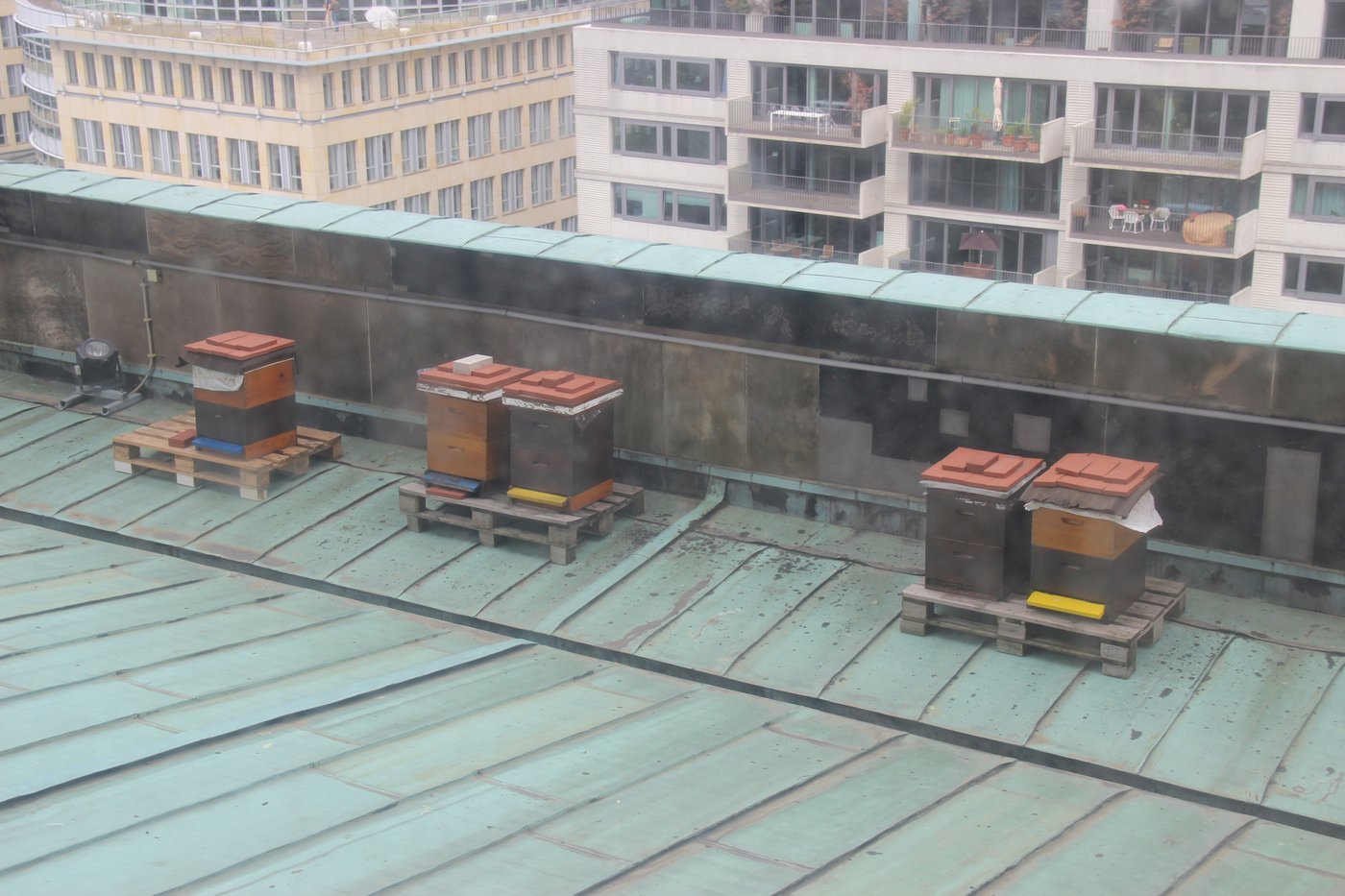
O’Hare International Airport has kept honey bees since 2011, and its apiary has grown from 28 hives to 75, making it the largest airport apiary in the world — and the program exists as much for job training as for honey, run in partnership with a nonprofit that employs formerly incarcerated Chicagoans to tend the hives. Airports turn out to have exactly the kind of land most cities lack: large buffer zones around runways that can’t be developed but also don’t need to be mowed short or landscaped ornamentally, sitting mostly idle except for noise and wildlife-strike considerations — which several major airports have realized is close to ideal, low-conflict space for beehives. Whether the near-constant engine noise itself affects colony behavior is a fair question worth asking — see this site’s guide to how noise pollution affects honeybee behavior for what the research actually shows.
Key Takeaways
- O’Hare became the first American airport with beehives in 2011, starting with 28 hives and expanding to 75, with over one million bees producing more than 1,200 pounds of honey in its first year alone.
- The O’Hare apiary is run through a job-training partnership between the City of Chicago’s Department of Family Support Services and the North Lawndale Employment Network’s Sweet Beginnings program, which employs 30 to 40 formerly incarcerated men and women annually who otherwise face real barriers to employment.
- Orlando International Airport’s apiary has grown even larger by hive count, with roughly 540 hives and an estimated 50,000 to 90,000 bees per hive.
- Airports in Seattle, Pittsburgh, Detroit, and Indianapolis have also started apiary programs in more recent years, following the same basic logic of putting unused perimeter land to productive, low-conflict use.
- This isn’t primarily a honey-production story — it’s a genuine example of a large piece of public infrastructure repurposing otherwise-idle land for both ecological and social benefit, the kind of combined differentiator most “airport sustainability” coverage mentions only in passing.
Table of Contents
- O’Hare: The Original Airport Apiary
- Why This Is a Jobs Program, Not Just a Honey Program
- Orlando and the Other Airports That Followed
- Why Airport Land Actually Suits Bees
- What This Means for Bee Safety and Flight Operations
- Frequently Asked Questions
O’Hare: The Original Airport Apiary
In 2011, O’Hare International Airport became the first airport in the United States to keep honey bees on its grounds, starting with 28 hives placed on unused land within the airport’s perimeter. The program has grown substantially since then, up to 75 hives housing more than one million bees — making it, by the airport’s own account, the largest apiary at any airport anywhere in the world. The scale isn’t purely symbolic: in its very first year of operation, the O’Hare apiary produced more than 1,200 pounds of honey, a genuinely commercial-scale yield from land that had previously produced nothing but mowing costs.
Why This Is a Jobs Program, Not Just a Honey Program
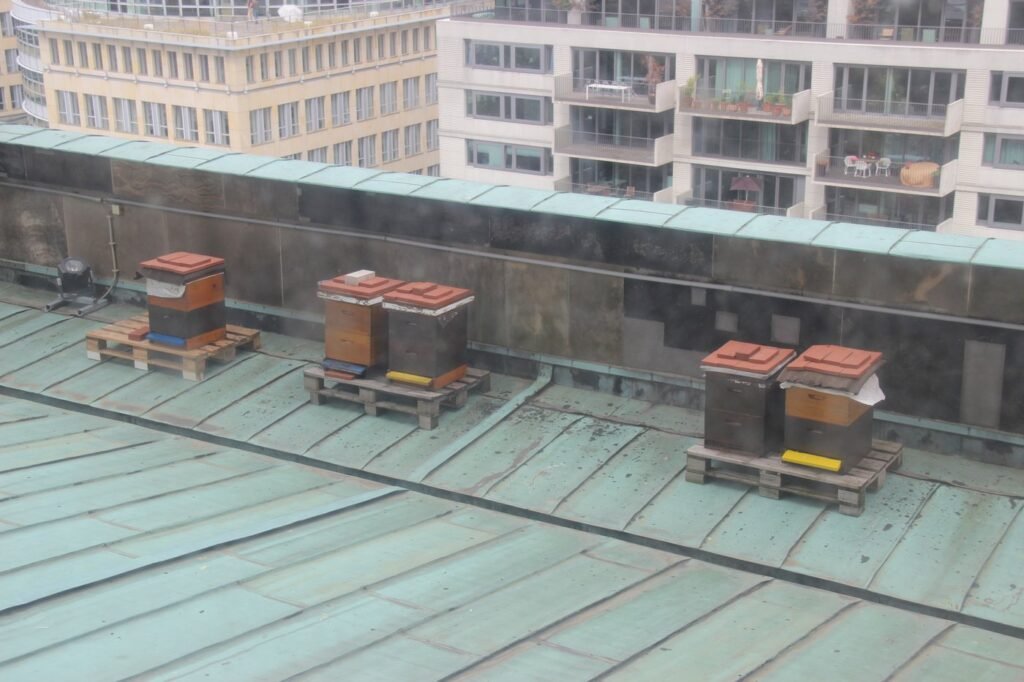
What sets O’Hare’s apiary apart from a simple corporate-sustainability gesture is who actually tends the hives. The program runs through a job-training partnership between the City of Chicago’s Department of Family Support Services and the North Lawndale Employment Network, a nonprofit whose Sweet Beginnings social enterprise employs formerly incarcerated Chicagoans — on average 30 to 40 people annually — in roles that give them real, verifiable work experience despite the employment barriers a criminal record typically creates. The honey and other hive products get sold commercially under Sweet Beginnings’ own beeswax and honey product line, which means the apiary isn’t just providing training hours; it’s generating actual revenue tied to real work the participants performed, from beekeeping itself through to processing and packaging finished products.
That combination — genuine ecological benefit plus a functioning second-chance employment pipeline, on land that would otherwise sit idle — is exactly the kind of differentiator this site’s own coverage of nonprofit and community-facing beekeeping programs looks for: a genuine dual purpose, not a single-issue sustainability story dressed up for a press release.
Orlando and the Other Airports That Followed
O’Hare wasn’t the last word on airport apiaries — it was the first domino. Orlando International Airport has built an even larger apiary by hive count, with roughly 540 hives, each estimated to house somewhere between 50,000 and 90,000 bees at full strength — a scale that puts Orlando’s total bee population plausibly ahead of O’Hare’s, even though O’Hare’s original program gets more attention as the pioneer. In more recent years, airports in Seattle, Pittsburgh, Detroit, and Indianapolis have started their own apiary programs as well, each adapting the same basic model of using otherwise-idle perimeter land productively rather than developing a bespoke approach from scratch. It’s become enough of a recognizable pattern in airport sustainability planning that a new program launching today is following a now-established playbook rather than pioneering anything new.
Why Airport Land Actually Suits Bees
Airports possess a specific kind of land most urban and suburban sites don’t: large, legally mandated buffer and safety zones around runways and taxiways that can’t be built on or intensively developed, but that also don’t strictly need to be manicured, mowed short, or landscaped ornamentally the way a typical corporate campus would be. That combination — protected from development, low-priority for aesthetic upkeep, and often already planted with low-maintenance grasses and wildflowers to control erosion — happens to describe close to ideal pollinator habitat conditions. It’s a genuinely different logic than rooftop urban beekeeping in dense city centers, where space itself is the scarce resource; at an airport, the scarce resource is usually just the will to set up and manage hives on land that’s already sitting there unused.
What This Means for Bee Safety and Flight Operations
Airport apiary programs are deliberately sited within the airport’s broader wildlife-management planning, not placed casually. Hives are generally positioned well away from active runway approach and departure paths and from terminal areas where the general public congregates, in the same perimeter buffer zones already set aside for safety reasons unrelated to bees. Honey bees foraging at typical apiary distances don’t pose the kind of bird-strike risk that drives most airport wildlife-hazard management (that concern is almost entirely about birds and larger animals, not insects), which is part of why these programs have been able to expand rather than draw regulatory pushback — they fit within land that was already off-limits to other uses, rather than competing with active airport operations for space or attention.
Frequently Asked Questions
Which airport was the first to keep bees?
O’Hare International Airport in Chicago, starting in 2011 with 28 hives, later expanding to 75 hives with over one million bees — the largest airport apiary in the world.
Who actually tends the bees at O’Hare?
The hives are managed through a job-training partnership between the City of Chicago’s Department of Family Support Services and the North Lawndale Employment Network’s Sweet Beginnings program, which employs formerly incarcerated Chicagoans.
Does any other airport have more bees than O’Hare?
By hive count, Orlando International Airport’s apiary is larger, with roughly 540 hives, though each hive’s bee population (an estimated 50,000 to 90,000 bees) varies with colony strength.
Which other airports have apiary programs?
Airports in Seattle, Pittsburgh, Detroit, and Indianapolis have started their own apiary programs in more recent years, following the same basic model pioneered at O’Hare.
Are bees at airports a safety risk for flights?
No. Hives are sited within existing perimeter buffer zones away from runway approach paths, and honey bees don’t create the bird-strike risk that drives most airport wildlife-hazard planning.
For additional context, see Smithsonian Magazine.