Beehives are not a standalone LEED credit — no rating system category is simply called “beehives” — but a rooftop or on-site apiary program can genuinely support several existing LEED credits, most directly Site Development/Biodiverse Habitat, Heat Island Reduction when paired with a green roof, and the Innovation credit category, which exists specifically for strategies not otherwise addressed in the rating system. Here’s exactly which credits apply, how many points are realistically on the table, and where the marketing claims outrun what USGBC’s own credit language actually supports.
Key Takeaways
- USGBC’s LEED v5 “Biodiverse Habitat” credit (successor to the older “Site Development — Protect or Restore Habitat” credit) rewards native plantings that provide pollinator habitat and promote biodiversity — beehives support this credit as part of a broader native-habitat strategy, not as a standalone qualifying feature.
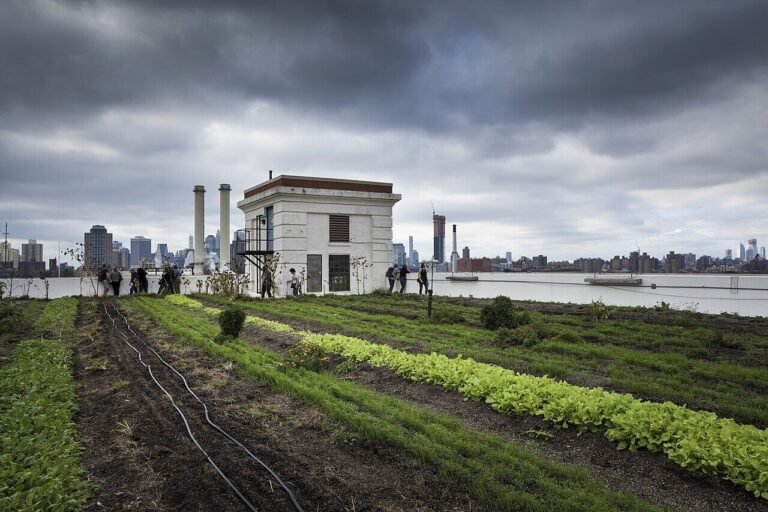
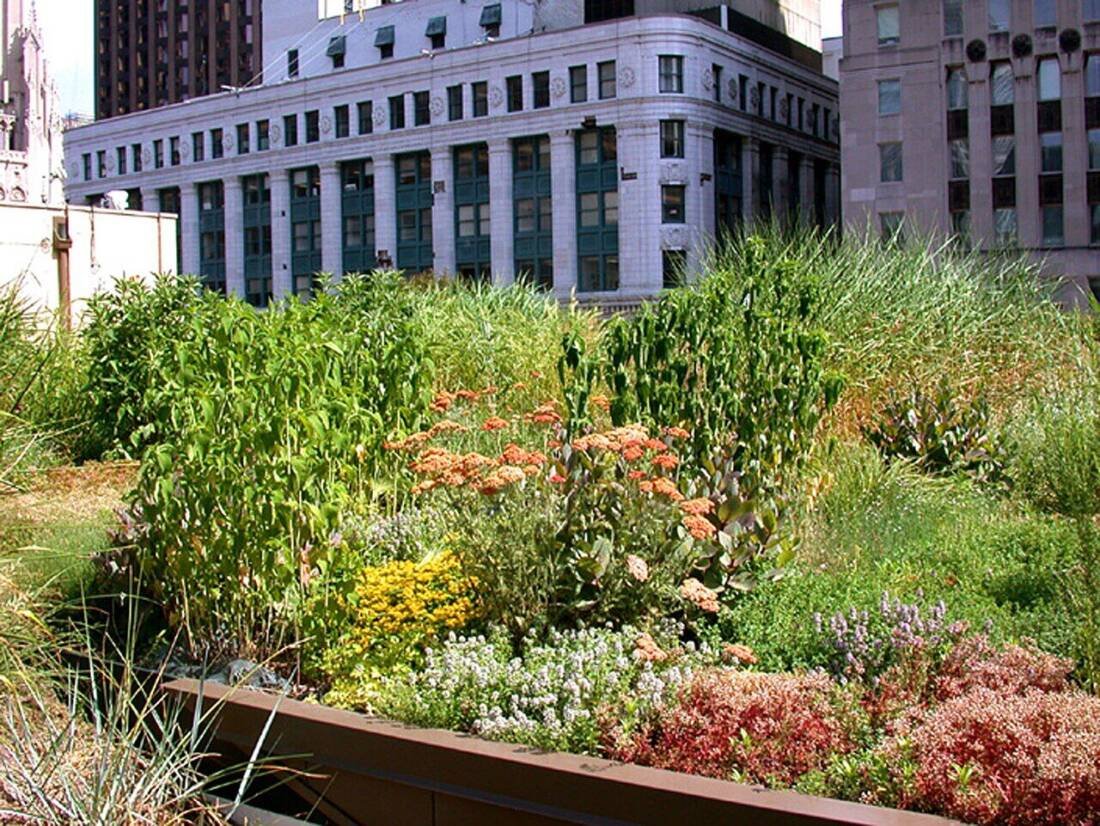
- A green roof combined with a beehive program can contribute to the Heat Island Reduction credit, since vegetated roofing reduces heat absorption independent of whether bees are present.
- The LEED Innovation credit category exists precisely for strategies not addressed elsewhere in the rating system, and beekeeping vendors including the Best Bees Company explicitly market pollinator programs as an Innovation-credit strategy.
- Based on publicly available vendor guidance, a well-documented pollinator program (habitat plus reporting) can plausibly support point contributions across several credit categories — but no official USGBC credit is awarded purely for having a beehive on-site.
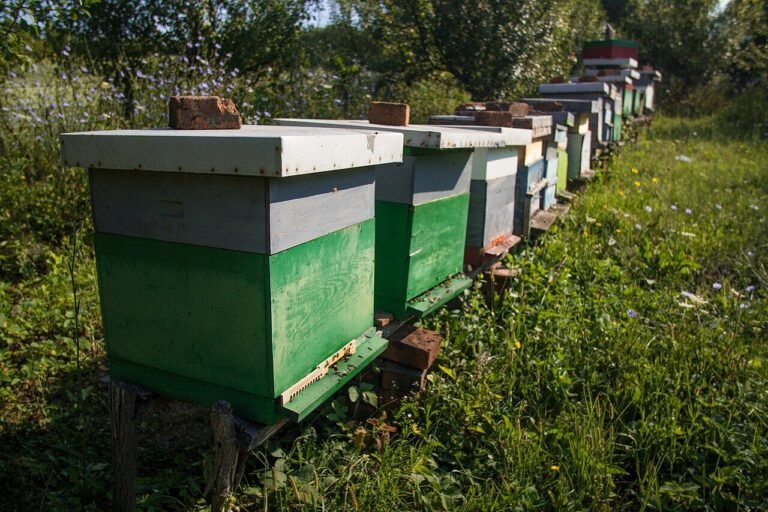
- The credit-mapping claim is only as strong as the documentation behind it: USGBC review teams need site-specific plans and monitoring data, not just a photo of a hive box, to award points in any of these categories.
Table of Contents
- Why There’s No “Beehive Credit”
- Which Real LEED Credits a Program Can Support
- The Innovation Credit Path
- What USGBC Actually Needs to See
- Setting Realistic Expectations
- Frequently Asked Questions
Why There’s No “Beehive Credit”
The U.S. Green Building Council’s LEED credit library, published directly on usgbc.org, does not contain any credit named for beehives or pollinators specifically. This surprises people who’ve seen vendor marketing pages promising “earn LEED points with beehives,” which is technically true but incomplete — those pages are describing how a pollinator program supports existing, broader credit categories, not a dedicated pollinator credit. Getting this distinction right matters because it changes what documentation a project team actually needs to prepare.
Which Real LEED Credits a Program Can Support
Based on USGBC’s published credit library and vendor guidance built directly from it, the realistic credit paths are:
| LEED credit category | How a beehive/pollinator program supports it |
|---|---|
| Biodiverse Habitat (LEED v5) / Site Development — Protect or Restore Habitat (older versions) | Native plantings providing pollinator habitat; beehives as one element of a documented habitat strategy |
| Heat Island Reduction | When paired with a green roof (the vegetation reduces heat absorption; the hives themselves are incidental to this specific credit’s mechanism) |
| Local Food Production | A garden or pollinator planting dedicated to on-site food production, per Best Bees’ own published credit guidance |
| Social Equity Within the Community | Achieved through USGBC’s SEED Evaluator tool or by partnering with a community organization — not the hive itself |
| Innovation | A strategy for exceptional or innovative environmental performance not addressed elsewhere in the rating system |
Two of these — Local Food Production and Social Equity — are only loosely related to the beehive itself and depend heavily on how a specific project frames and documents its broader pollinator-garden strategy, so treat them as plausible rather than guaranteed for any given project.
The Innovation Credit Path
USGBC’s Innovation credit exists specifically to reward “strategies used to meet requirements” for environmental performance that the standard rating system doesn’t otherwise capture, and it’s the credit path vendors most directly point to for pollinator programs. This is also the most flexible and the most reviewer-dependent: because Innovation credits are evaluated case-by-case rather than against a fixed checklist, the strength of a submission depends heavily on how well a project documents the specific, measurable environmental benefit of its program — which loops back to the standardized hive-health and habitat data discussed in this site’s separate guide to ESG and biodiversity reporting from corporate hive programs.
What USGBC Actually Needs to See
None of the credit categories above are awarded for the simple existence of a beehive. A project team pursuing any of them needs, at minimum, a documented habitat or pollinator-garden plan tied to the specific site, ongoing monitoring data showing the program is actually functioning (not just installed once and left), and, for the Innovation path specifically, a clear narrative explaining why the strategy represents exceptional performance beyond code requirements. This is precisely why companies choosing a professional beekeeping vendor for a LEED-motivated program should confirm upfront — per this site’s vendor-selection guide — that the vendor can produce documentation in a form a LEED reviewer will actually accept, not just an internal engagement report meant for tenants.
“Beehives help green building projects achieve exceptional or innovative performance” — from published vendor guidance on earning LEED points with pollinator programs, describing the Innovation credit pathway specifically.
Setting Realistic Expectations
A rooftop beehive alone, with no accompanying habitat plan or monitoring data, will not earn LEED points under any current credit. A well-documented pollinator program — native plantings, ongoing monitoring, and a clear write-up of the environmental strategy — can plausibly contribute to several credit categories simultaneously, most defensibly Biodiverse Habitat and Innovation, with Heat Island Reduction available specifically when the hives sit on an actual vegetated green roof rather than a bare rooftop platform. Project teams should treat any specific point total quoted by a vendor as an estimate to verify with their own LEED reviewer or consultant, not a guarantee, since Innovation-credit outcomes in particular vary by submission quality and reviewer judgment.
Frequently Asked Questions
Is there an official LEED credit specifically for beehives?
No. USGBC’s published credit library has no credit named for beehives or pollinators specifically; a hive program supports existing broader credits such as Biodiverse Habitat, Heat Island Reduction, and Innovation.
How many LEED points can a beehive program realistically earn?
It depends entirely on documentation and which credits a project pursues — vendor materials describe potential contributions across several credit categories, but any specific point total should be verified with a project’s own LEED reviewer rather than assumed from marketing material.
Does a rooftop need a green roof for beehives to help with LEED?
For the Heat Island Reduction credit specifically, yes — that credit’s mechanism is the vegetated roofing itself, not the hives. A beehive on a bare, non-vegetated rooftop would not support that particular credit, though it could still support habitat-related credits depending on the surrounding landscaping.
Can a beehive program alone earn an Innovation credit?
It’s a documented pathway vendors point to, but Innovation credits require a clear, well-evidenced narrative of exceptional environmental performance — a hive installed with no monitoring or habitat plan is unlikely to meet that bar on its own.
Do I need a professional vendor to get LEED credit for a beehive program?
Not strictly required, but a professional vendor experienced in producing LEED-ready documentation makes it far more realistic to actually secure the credit, since the requirement is documented, monitored environmental performance — not simply having bees on-site.