Last Updated September 16, 2026
Donating beehives and equipment to a school, 4-H program, or beekeeping nonprofit is a genuinely good way to downsize an operation while helping the next generation of beekeepers get started — and it can also be tax deductible, but only if a specific set of IRS rules around valuation, documentation, and the recipient’s use of the property are followed correctly. This is a different question from whether beekeeping equipment is deductible as a business expense, which our tax-deductible beekeeping guide already covers — this is specifically about donating hives and gear you already own to a qualifying organization.
This guide covers what counts as a qualifying donation, how to actually value live colonies and used equipment, the specific documentation thresholds that trigger IRS requirements, and a lesser-known rule that makes donating to an educational program meaningfully more valuable, tax-wise, than donating to an organization that would simply resell the equipment.
Beyond the tax mechanics, donating a working apiary setup solves a genuinely common problem for beekeepers scaling down, relocating, or retiring from the hobby: what to actually do with equipment and colonies that still have real value but no longer fit the owner’s situation. A tax deduction is a meaningful bonus on top of that practical outcome, not the only reason to consider this route, but it’s worth doing correctly given how much value can otherwise be left on the table through an undocumented or poorly structured donation.
Key Takeaways
- The recipient must be a qualified 501(c)(3) organization for the donation to be deductible at all — a gift to an individual beekeeper or an informal club doesn’t qualify, no matter how worthy the cause.
- Live colonies are valued at fair market value — what a comparable nuc or package would sell for — and used equipment is valued at its current condition-adjusted resale value, not what you originally paid.
- Three IRS thresholds matter: $250 requires a written acknowledgment from the charity, $500 requires filing Form 8283, and $5,000 requires a qualified professional appraisal.
- The IRS’s “related use” rule means donating hives to an educational apiary program (which uses them for their intended purpose) supports a full fair-market-value deduction, while donating to an organization that would just resell them can limit the deduction to your original cost basis.
- Business equipment previously depreciated on a Schedule C or through an LLC is treated differently from personal-use hobby equipment when donated — get a tax professional’s input before donating previously depreciated business assets.
Table of Contents
- What Counts as a Qualifying Donation
- How to Value Donated Colonies and Equipment
- Documentation Thresholds: $250, $500, and $5,000
- The Related-Use Rule: Why Educational Donations Are More Valuable
- Business Property vs. Personal-Use Equipment
- Frequently Asked Questions
What Counts as a Qualifying Donation
The recipient has to be a genuine 501(c)(3) tax-exempt organization for a donation to be deductible — a public school, an accredited 4-H program, a registered beekeeping association with nonprofit status, or a similar qualifying charity. An informal local beekeeping club without its own 501(c)(3) status, or simply giving equipment to another individual beekeeper, however generous, doesn’t qualify for a charitable deduction under IRS rules, even if the recipient organization has a genuinely charitable mission. Before donating with a deduction in mind, confirm the specific recipient’s tax-exempt status directly — many schools and 4-H programs operate under a parent organization’s exemption, which is worth confirming with them rather than assuming.
A practical way to confirm this quickly: ask the organization for their EIN and use the IRS’s own Tax Exempt Organization Search tool, available directly on IRS.gov, to verify their status before finalizing anything, rather than relying on a verbal assurance from whoever happens to be coordinating the donation on the recipient’s end. Public schools are generally treated as qualifying government entities for this purpose even without a separate 501(c)(3) filing, but a 4-H club, church-affiliated program, or newer nonprofit apiary initiative should be checked individually, since eligibility isn’t automatic just because an organization does good work.
How to Value Donated Colonies and Equipment
The IRS’s Publication 561, Determining the Value of Donated Property, defines fair market value as the price the property would sell for on the open market between a willing buyer and a willing seller, with neither under any pressure to complete the transaction — not what you originally paid, and not any sentimental value the operation holds for you. In practice, this means:
- Live colonies: valued at what a comparable nuc or package would currently cost from a local supplier, adjusted for colony strength and condition — the same replacement-cost logic used when valuing hives in other contexts like dividing an apiary in a divorce.
- Used hive equipment: valued at current resale value for comparable used gear in similar condition, not original purchase price — a five-year-old box in good condition is worth meaningfully less than a new one, even if it’s still fully usable.
- Extraction and processing equipment: valued the same way, with higher-value commercial equipment sometimes justifying a more formal appraisal even below the mandatory threshold, simply to have solid documentation.
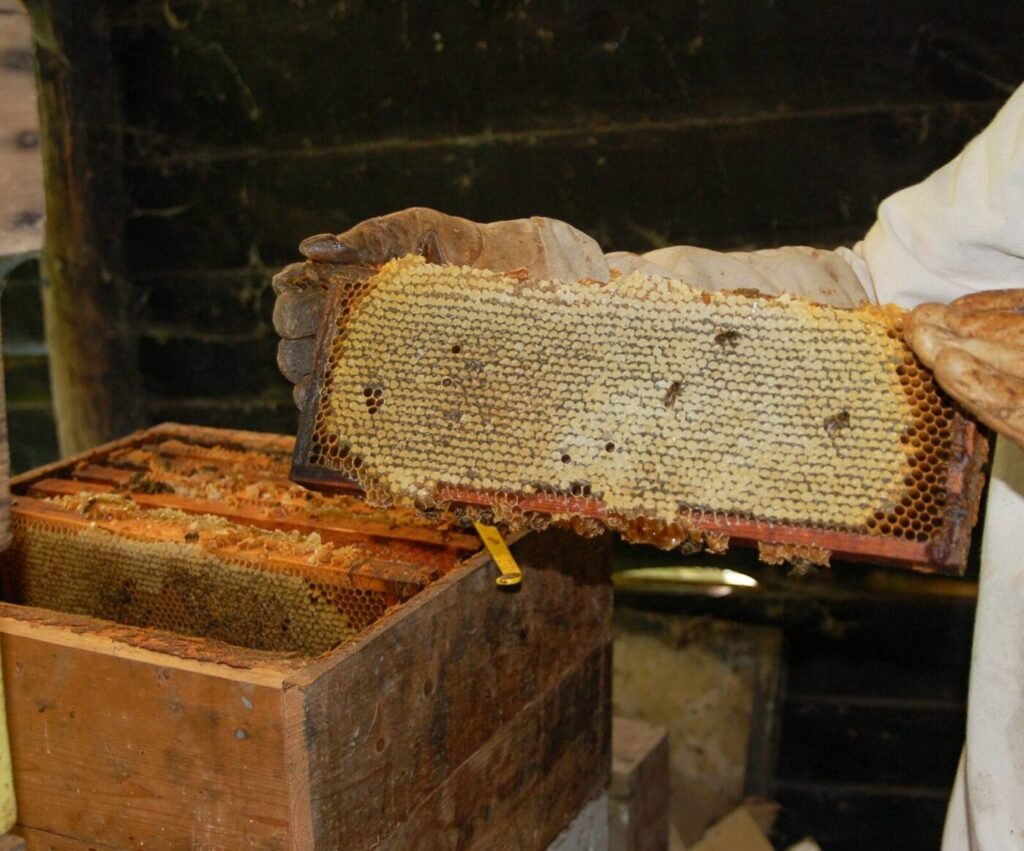
Photograph everything before it leaves your possession — colonies, boxes, extraction equipment, serial numbers where they exist — and keep a simple written inventory with your own estimate of each item’s condition and value. This documentation matters twice: it supports the valuation you claim, and it protects you if the IRS ever questions a donation years after the fact, when memory alone won’t be enough to reconstruct what was actually given.
Documentation Thresholds: $250, $500, and $5,000
Three dollar thresholds determine what paperwork a beehive or equipment donation requires. For any donation of $250 or more, the IRS requires a contemporaneous written acknowledgment from the receiving organization describing what was donated — get this in writing from the school or nonprofit at the time of the donation, not months later when filing taxes. For a noncash donation over $500, Form 8283 must be filed with your tax return, describing the donated property and how its value was determined. Once a donation’s value exceeds $5,000, the IRS requires a qualified appraisal from a professional appraiser meeting specific credentialing requirements — for most hobbyist-scale equipment and colony donations this threshold won’t be reached, but a beekeeper donating a substantial commercial operation (a large number of colonies plus extraction equipment) should account for the appraisal cost and timeline before finalizing the donation.
Form 8283 itself has two sections depending on total value: donations between $500 and $5,000 only require Section A, a relatively simple description-and-valuation summary, while donations over $5,000 require the more detailed Section B, which also needs the appraiser’s signature and, in many cases, a signature from the receiving organization acknowledging the donation. Filling out the wrong section, or skipping the form entirely because a beekeeper assumes a small in-kind donation doesn’t “count,” is one of the most common and easily avoidable mistakes in this whole process.
| Donation Value | Documentation Required |
|---|---|
| $250 or more | Written acknowledgment from the receiving organization |
| Over $500 | IRS Form 8283, Section A |
| Over $5,000 | Form 8283 Section B plus a qualified professional appraisal |
The Related-Use Rule: Why Educational Donations Are More Valuable
This is the detail most donors never hear about until it’s too late to plan around. Per IRS Topic 506, Charitable Contributions and the related-use guidance in Publication 561, a full fair-market-value deduction for tangible personal property generally requires that the donee organization use the property in a way related to its exempt purpose. A school or educational program that puts donated hives directly into a hands-on apprenticeship or classroom apiary program is a textbook example of related use, supporting the full fair-market-value deduction. By contrast, donating the same equipment to an organization that would simply sell it to raise cash for unrelated purposes can limit the deduction to your original cost basis rather than the full current fair market value — a meaningfully worse outcome if the equipment has held its value well. This is one more reason donating specifically to an educational apiary program — the kind of program covered in our guide to beekeeping internships and apprenticeships — tends to be the financially smarter choice alongside being the more directly useful one.
Business Property vs. Personal-Use Equipment
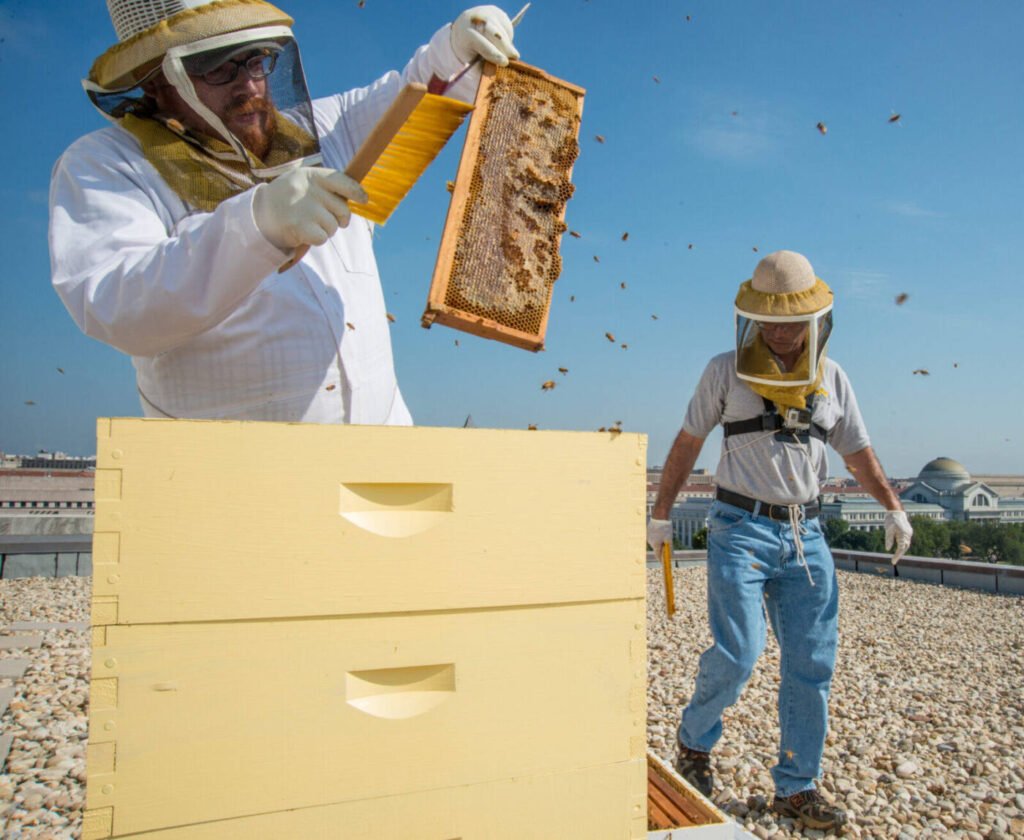
Equipment used personally as a hobby is treated differently from equipment that was part of a registered beekeeping business — whether run as a sole proprietorship or an LLC — and previously depreciated on a tax return. Donating business equipment that’s already been depreciated can trigger depreciation recapture, taxing part of the donation’s value as ordinary income rather than producing a straightforward charitable deduction. This is genuinely complex enough that a beekeeper donating previously depreciated business equipment, rather than purely personal hobby gear, should talk to a tax professional before finalizing the donation rather than assuming the personal-donation rules above apply cleanly.
Timing also matters for business donations in a way it doesn’t for personal equipment: donating mid-tax-year can split depreciation and recapture calculations across two different accounting periods in ways that are easier to plan around at year-end than mid-season, when equipment is also more likely to still be in active use for the current season’s honey production anyway.
Frequently Asked Questions
Can I deduct donating beehives to a school?
Yes, if the school is a qualifying tax-exempt organization and you follow the documentation requirements — and donations used for hands-on educational programs typically support a full fair-market-value deduction under the related-use rule.
How do I value a donated beehive for tax purposes?
At fair market value — what a comparable nuc or package would currently cost, adjusted for colony strength and condition, not what you originally paid.
Do I need an appraisal to donate my hives?
Only if the total donation is valued over $5,000. Below that, a written acknowledgment from the organization (over $250) and Form 8283 (over $500) are the main requirements.
Does it matter which organization I donate to?
Yes — it must be a qualifying 501(c)(3) organization, and donating to a program that uses the hives for their intended educational purpose supports a larger deduction than donating to one that would simply resell them.
Is donating business beekeeping equipment different from donating personal equipment?
Yes — previously depreciated business equipment can trigger depreciation recapture, making this more complex than a straightforward personal donation. Consult a tax professional first.