Last Updated September 16, 2026
A Florida woman who went to the emergency room after a bee sting was billed $12,000 for a visit that lasted less than two hours — and because the hospital was out of her insurance network, she was on the hook for the entire amount. Her case, widely reported after being covered by CNN and CBS, is an extreme outlier, but it points to a real and much more common problem: the average emergency room visit now costs somewhere around $2,000, while the average urgent care visit for a comparable non-life-threatening issue runs closer to $150 to $200. For beekeepers and anyone who spends time around hives, understanding what actually drives a sting-related medical bill up — and when an ER visit is genuinely the right call versus an expensive overreaction — is worth knowing before you’re standing in a parking lot deciding where to go. None of this is meant to talk anyone out of appropriate emergency care; it’s meant to help separate the decisions that are genuinely medical from the ones that are actually financial, so the two don’t get confused in the moment.
This guide covers what a bee sting ER visit typically costs and why, the real risk that made a $12,000 bill possible, when urgent care is a reasonable and much cheaper alternative, why a genuine systemic reaction always justifies emergency care regardless of cost, and practical steps to reduce your financial exposure before and after a sting.
Key Takeaways
- The average ER visit costs roughly $2,000-$2,300, compared to roughly $150-$200 for a comparable urgent care visit.
- A widely reported $12,000 bee sting ER bill happened largely because the hospital was out of the patient’s insurance network — a risk worth understanding before an emergency happens.
- A genuine systemic allergic reaction (difficulty breathing, throat or tongue swelling, dizziness, widespread hives) always warrants an ER visit or 911 call, regardless of cost.
- Anaphylaxis can be bi-phasal, with a second wave of symptoms appearing 1 to 72 hours after the initial reaction — a real reason not to skip follow-up care even if symptoms improve.
- A single, uncomplicated localized sting reaction — pain, swelling, redness at the site — generally does not require an ER visit at all.
Table of Contents
- The $12,000 Bee Sting Bill: What Actually Happened
- What a Bee Sting ER Visit Typically Costs
- What Actually Drives the Bill Up
- When a Systemic Reaction Genuinely Requires Emergency Care
- Why the “Second Wave” Risk Matters Even After Symptoms Improve
- When Urgent Care Is a Reasonable, Cheaper Alternative
- Practical Steps to Reduce Your Financial Exposure
- Frequently Asked Questions
The $12,000 Bee Sting Bill: What Actually Happened
Stories like this one tend to circulate widely precisely because they capture a genuine, relatable fear – that appropriate, reasonable medical care could still end in a bill large enough to cause its own kind of harm.
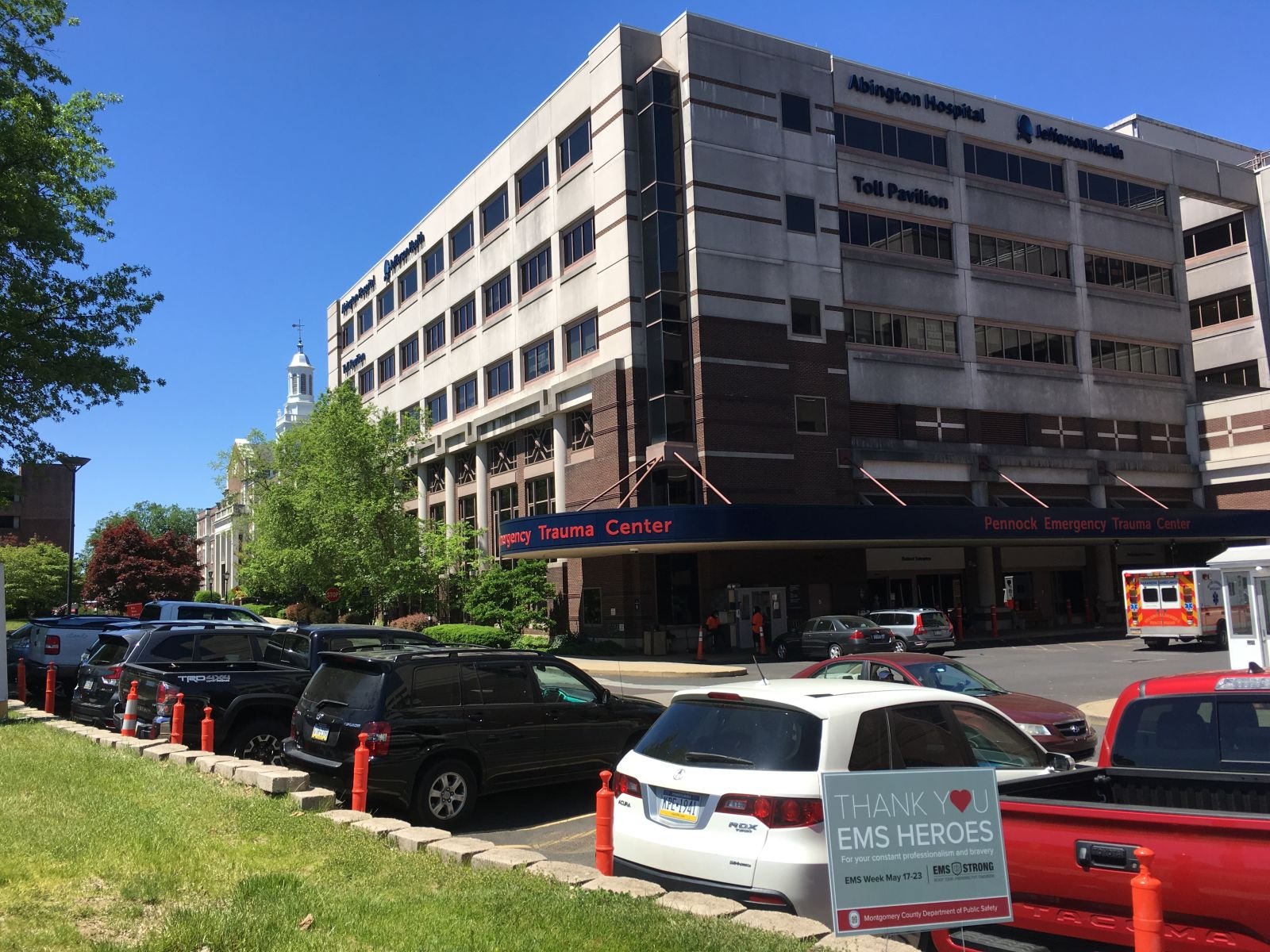
The case that put a number on this risk involved a Florida woman, Sylvia Rosas, who went to the emergency room after being stung in her yard, having had allergic reactions to stings in the past but no EpiPen on hand at the time. Her visit, reported by CBS and covered by several other national outlets, included blood tests and an EKG during a visit lasting under two hours — standard, reasonable precautions for a possible allergic reaction — but the total bill came to roughly $12,000. Because the specific hospital she went to wasn’t in her insurance network, her insurer didn’t cover it, leaving her responsible for the full amount. The medical care itself wasn’t unusual; the bill was catastrophic specifically because of a network status question she had no way to check while she was in the middle of a medical emergency. That distinction is worth holding onto: the story isn’t really a cautionary tale about emergency rooms treating stings too aggressively, it’s a cautionary tale about how little control a patient has over network status in a genuine emergency, regardless of how careful they otherwise are about their healthcare spending.
“Never did I think I’d have this type of a bill.”
— Sylvia Rosas, the Florida patient billed $12,000 for a bee sting ER visit

What a Bee Sting ER Visit Typically Costs
These figures represent national averages, and actual costs at any given facility can run higher or lower depending on region, hospital pricing structure, and exactly what care is provided during the visit.
Outside of extreme outlier cases like the one above, average emergency room costs have still climbed substantially in recent years, with the average ER visit running somewhere in the neighborhood of $2,000 to $2,300 as of recent reporting, up more than 30% over the preceding several years. An urgent care visit for a comparable, non-life-threatening issue averages closer to $150 to $200 — a roughly tenfold difference for what can sometimes be a clinically similar level of care, depending on the severity of the reaction involved. That gap alone is worth keeping in mind for anyone managing an apiary regularly, since even a beekeeper who never develops a serious allergy will likely deal with a handful of stings worth some form of medical attention over a beekeeping career.

What Actually Drives the Bill Up
Understanding this breakdown helps explain why two bee sting ER visits can produce wildly different bills even when both patients received entirely appropriate care from the treating physician.
A straightforward, localized sting reaction generally doesn’t require expensive testing. What pushes a bill toward the higher end is typically additional diagnostic workup ordered out of caution when a systemic reaction is suspected — bloodwork, an EKG to rule out cardiac involvement, extended observation time, and in more serious cases, IV medications or a longer monitoring window before discharge. None of this is unnecessary when a genuine systemic reaction is suspected; it’s simply the reason a worst-case bee sting visit costs meaningfully more than a routine one, separate from the network-status risk that turned one case into a $12,000 bill. A patient genuinely experiencing a systemic reaction should never try to talk a physician out of ordering a test to save money — that’s exactly the situation this kind of testing exists to catch.
When a Systemic Reaction Genuinely Requires Emergency Care
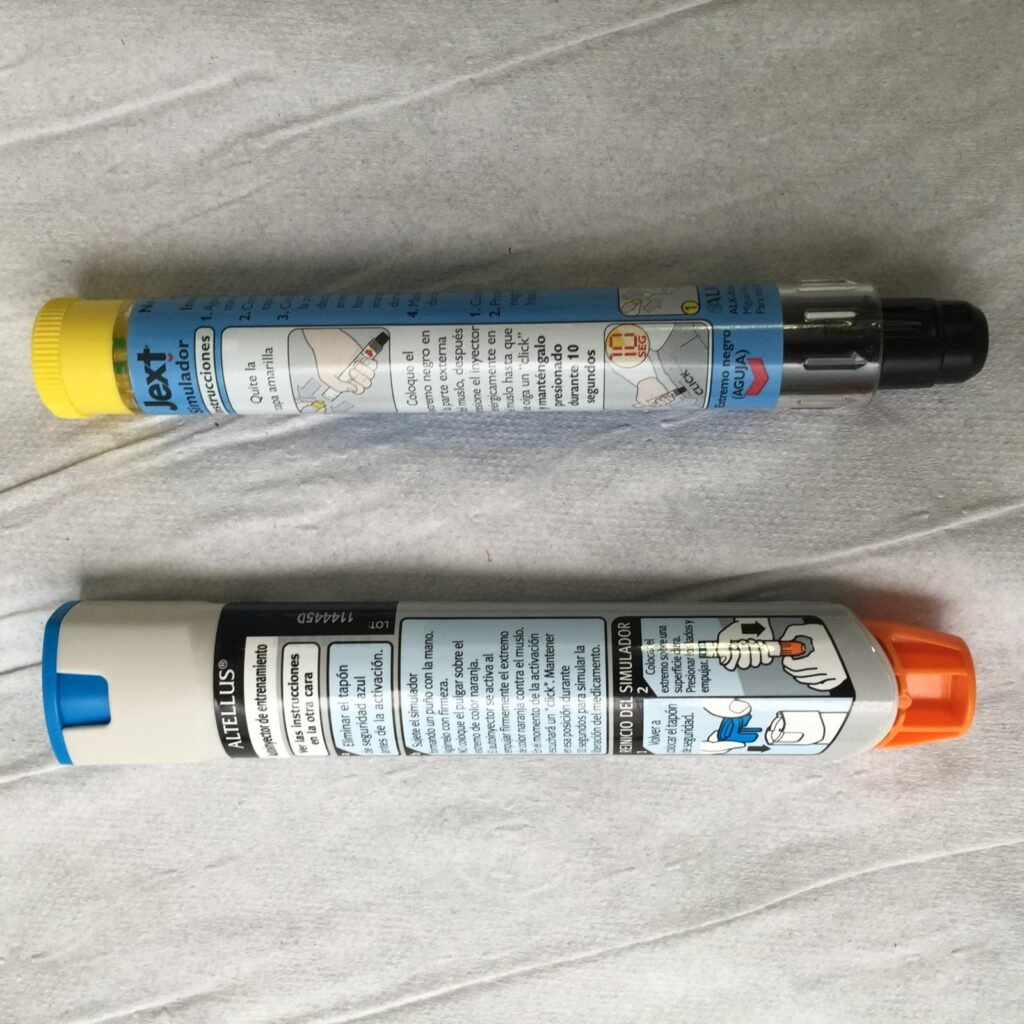
According to the California Master Beekeeper Program, a systemic reaction — as opposed to a normal localized one — includes difficulty breathing or wheezing, swelling of the lips, tongue, or throat, dizziness, confusion, or fainting, a rapid heartbeat or drop in blood pressure, and skin symptoms like hives or flushing that extend well beyond the sting site itself. Any of these signs warrants calling 911 immediately and using an epinephrine auto-injector if one is available, regardless of what the resulting bill might look like. This is not a situation where cost-consciousness should factor into the decision at all — anaphylaxis can escalate within minutes, even in someone with no prior history of a severe reaction. Beekeepers in particular should take this seriously precisely because repeated stings over years of hive management can change how someone’s immune system responds, meaning a person who has been stung dozens of times without incident is not necessarily protected from developing a serious reaction on the next one.
Why the “Second Wave” Risk Matters Even After Symptoms Improve
One detail that surprises people unfamiliar with anaphylaxis: it can be biphasic, meaning a second wave of symptoms can appear anywhere from 1 to 72 hours after the initial reaction, even after the person appeared to stabilize and improve. This is part of why medical guidance consistently recommends still seeking emergency evaluation even if symptoms subside on their own, rather than assuming the danger has fully passed once the initial swelling or breathing difficulty eases up. Skipping follow-up care to save money after an apparent recovery carries a real, if statistically uncommon, risk that the reaction isn’t actually finished. This is part of why emergency physicians often recommend an observation period even for a reaction that appears to be resolving on its own, rather than discharging a patient the moment initial symptoms ease.
When Urgent Care Is a Reasonable, Cheaper Alternative
For a sting reaction that’s clearly localized — pain, swelling, redness, and itching confined to the sting site, with no breathing difficulty, throat swelling, dizziness, or widespread hives — urgent care is generally a reasonable and far less expensive option than a full emergency room visit, and in many cases no medical visit is necessary at all beyond basic first aid. The distinction that actually matters for this decision isn’t how much a sting hurts or how alarming it looks locally; it’s whether any systemic symptoms are present anywhere beyond the immediate sting site. A dramatic-looking localized swelling on a hand or arm, however uncomfortable, is still a reasonable candidate for urgent care or a wait-and-see approach at home, provided nothing is happening anywhere else in the body.

| Scenario | Typical Cost | When It Applies |
|---|---|---|
| Urgent care, localized reaction | $150-$200 | Pain, swelling, or redness confined to the sting site, no systemic symptoms |
| Average ER visit | $2,000-$2,300 | Any systemic symptom: breathing difficulty, throat swelling, dizziness, widespread hives |
| Out-of-network ER outlier | ~$12,000 | Standard workup (bloodwork + EKG) billed in full because the hospital was outside the network |
Practical Steps to Reduce Your Financial Exposure
None of these steps require sacrificing safety for savings – they’re simply the kind of preparation that pays off specifically in the scenario nobody wants to plan for but should anyway.
A few practical habits meaningfully reduce financial risk without compromising safety. Know your insurance network’s in-network emergency facilities in your area before you need one, since that single factor turned a costly-but-normal ER visit into a $12,000 bill in the case above. If you or a family member has a known bee venom allergy, carry a prescribed epinephrine auto-injector and use it immediately at the first sign of a systemic reaction — treating early can sometimes prevent the kind of extended observation and additional testing that drives a bill higher. And after any ER visit, request an itemized bill and review it carefully; billing errors and out-of-network surprise charges are common enough that a careful review sometimes catches a genuine mistake worth disputing.

To decide between home care and the ER, see which stings need the ER and which can be treated at home.
Frequently Asked Questions
The following questions cover the specific points that come up most often once the difference between a medical emergency and a financial one becomes clear.
How much does a typical bee sting ER visit cost?
Average ER visits run roughly $2,000 to $2,300, though a visit involving extensive testing or an out-of-network facility can cost significantly more.
Why was one bee sting ER bill $12,000?
The hospital was out of the patient’s insurance network, so her insurer didn’t cover the visit at all, leaving her responsible for the full billed amount.
When should I go to the ER instead of urgent care for a bee sting?
Any sign of a systemic reaction — difficulty breathing, throat or tongue swelling, dizziness, or widespread hives — warrants an ER visit or 911 call, not urgent care.
Can symptoms come back after I seem to have recovered from a sting reaction?
Yes. Anaphylaxis can be biphasic, with a second wave of symptoms appearing 1 to 72 hours after the initial reaction.
Is urgent care ever appropriate for a bee sting?
Yes, for a clearly localized reaction with no systemic symptoms, urgent care is generally a reasonable and much less expensive option than an ER visit.
Related Reading
Image credits: Photo: Dough4872, CC BY-SA 4.0, Wikimedia Commons.