Last Updated September 15, 2026
Most beekeepers eventually get stung, and most stings are minor — but the gear you keep at the apiary should account for the reactions that aren’t. A well-stocked, properly maintained bee sting first aid kit covers two very different situations: the routine, local sting almost every beekeeper deals with sooner or later, and the much rarer but genuinely dangerous systemic allergic reaction that can develop suddenly, sometimes in a beekeeper who’s never reacted badly before. This guide covers what to actually keep in that kit, why it belongs at the apiary and not just in a medicine cabinet at home, and how to tell the difference between a sting that needs an ice pack and one that needs a call to 911. Building this habit early, before you ever actually need it, is one of the simplest ways to make beekeeping meaningfully safer without changing anything about how you actually work your hives.
This article is general safety information, not personalized medical advice. If you have a known bee sting allergy, follow your doctor’s or allergist’s specific guidance, including how and when to use any prescribed epinephrine.
Key Takeaways
- Every beekeeper should carry a basic sting kit at the apiary, not just beekeepers with a known allergy — sensitivities can develop over time, and severe reactions can occur in people with no prior history.
- A solid kit covers both routine local reactions (antihistamines, cold pack, hydrocortisone) and emergency preparedness (a charged phone, clear directions to the apiary for first responders).
- Research on stinger removal shows speed matters far more than technique — scraping versus pinching makes little measurable difference, but every extra second before removal does.
- If you’re prescribed epinephrine, carrying it at the hive — not just at home — matters, since anaphylaxis can develop within minutes, and a second “biphasic” wave can follow hours later.
- A kit only works if it’s actually with you at the hive, checked periodically for expired medication, and known to anyone else who might be present during an inspection.
Table of Contents
- Why Every Beekeeper Needs a Kit, Not Just the Allergic Ones
- Local Reaction vs. Systemic Reaction: Know the Difference
- What Belongs in a Basic Sting Kit
- Sting Kit Contents at a Glance
- Removing the Stinger: What the Research Actually Shows
- Epinephrine: What to Know If It’s Prescribed to You
- Warning Signs That Mean Call 911
- Where the Kit Actually Needs to Live
- Keeping the Kit Ready
- If You’re Helping Someone Else Who’s Been Stung
- Frequently Asked Questions
Why Every Beekeeper Needs a Kit, Not Just the Allergic Ones
It’s tempting to assume a sting kit is only necessary for beekeepers who already know they’re allergic, but that assumption misses something important: allergic sensitivity to bee venom can develop over time, even in someone who’s been stung dozens of times before with only a mild local reaction. A severe, systemic reaction can occur with essentially no warning in a beekeeper who has never had one before, which is exactly why a basic kit belongs at every apiary, not just the ones run by beekeepers with a documented allergy history. Experienced beekeepers who’ve handled hundreds of stings without incident sometimes let their guard down precisely because nothing bad has happened yet, which is the opposite of how risk actually works with a venom sensitivity that can shift over years of repeated exposure.
Local Reaction vs. Systemic Reaction: Know the Difference
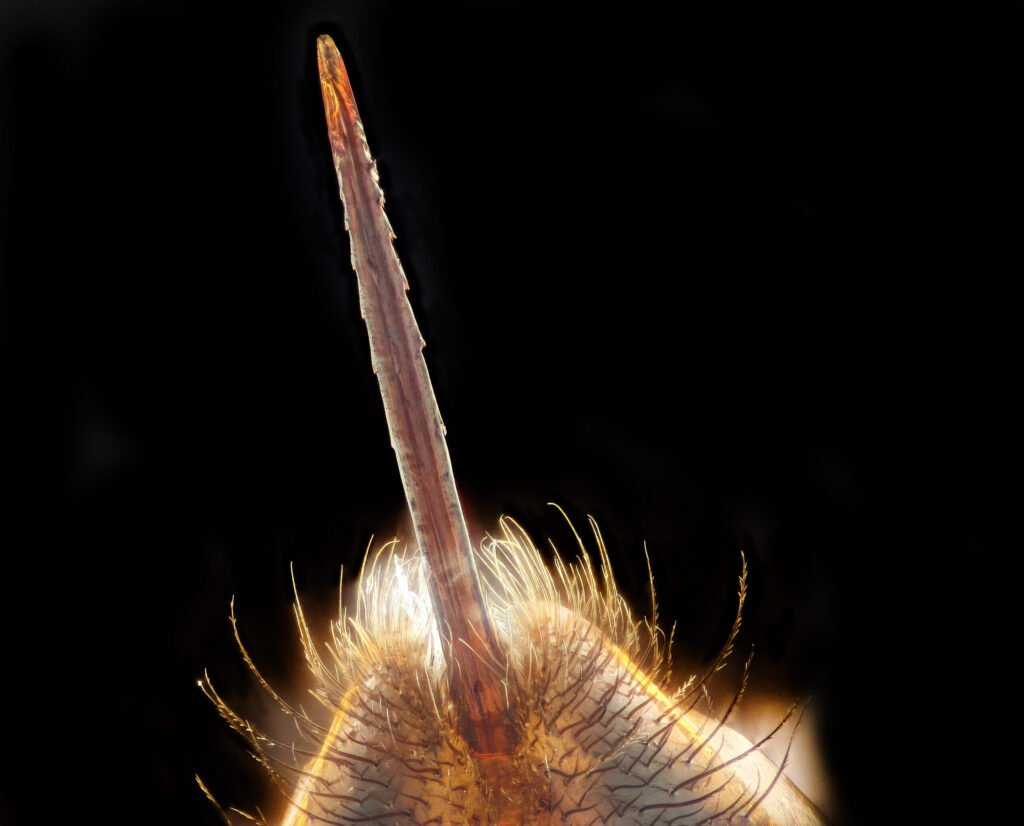
Most bee stings cause a local reaction: pain, redness, and swelling confined to the area right around the sting site, which typically resolves within a day or two — this happens to nearly everyone who gets stung. A systemic reaction is different and far more serious — it involves symptoms away from the sting site itself, such as hives elsewhere on the body, swelling of the face or throat, difficulty breathing, a rapid heartbeat, dizziness, or fainting, and it can develop within minutes of the sting itself, sometimes before the local swelling around the sting site has even fully set in. According to the National Poison Control Center, this distinction is exactly what separates a sting that needs basic first aid from one that’s a genuine medical emergency. Systemic reactions are also less common than many beekeepers assume: research summarized by the American Academy of Family Physicians, drawing on allergy-specialist practice guidelines, estimates systemic reactions occur in about 3 percent of adults — uncommon, but common enough that every apiary should be prepared for one. Knowing this distinction cold, before you’re standing in a bee suit trying to think clearly, is far more useful than trying to work it out in the moment.
What Belongs in a Basic Sting Kit
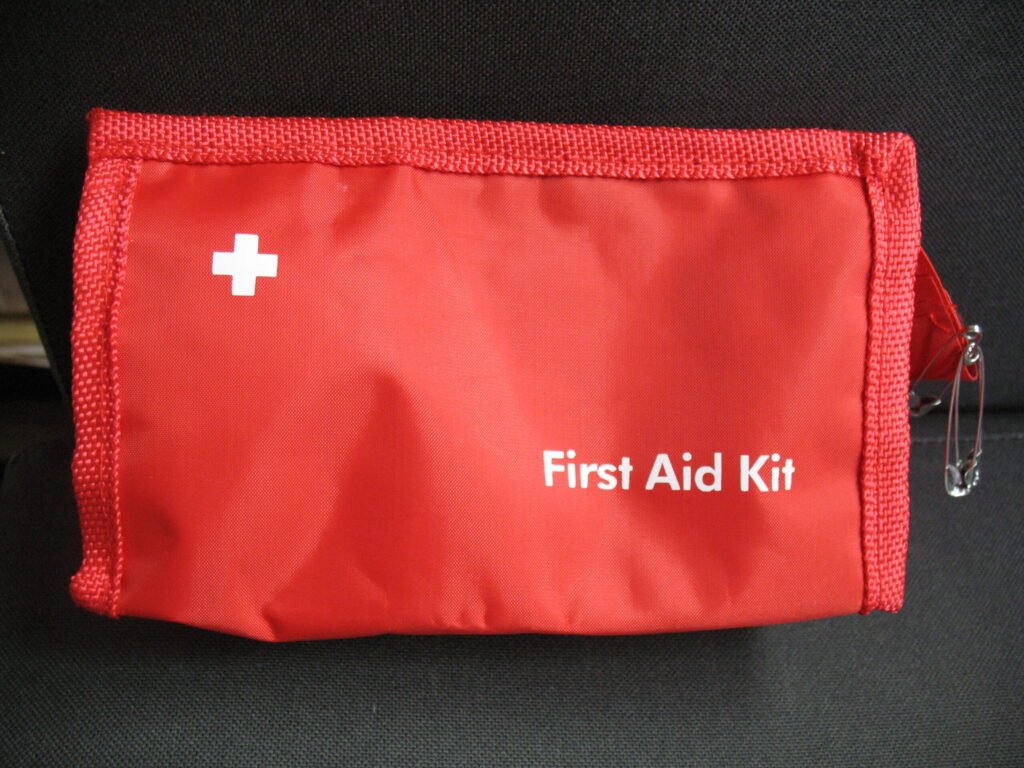
A well-stocked kit for routine stings and early warning signs typically includes:
- Tweezers or a hive tool edge for scraping out a stinger quickly — see below for what current research actually says about scraping versus pinching.
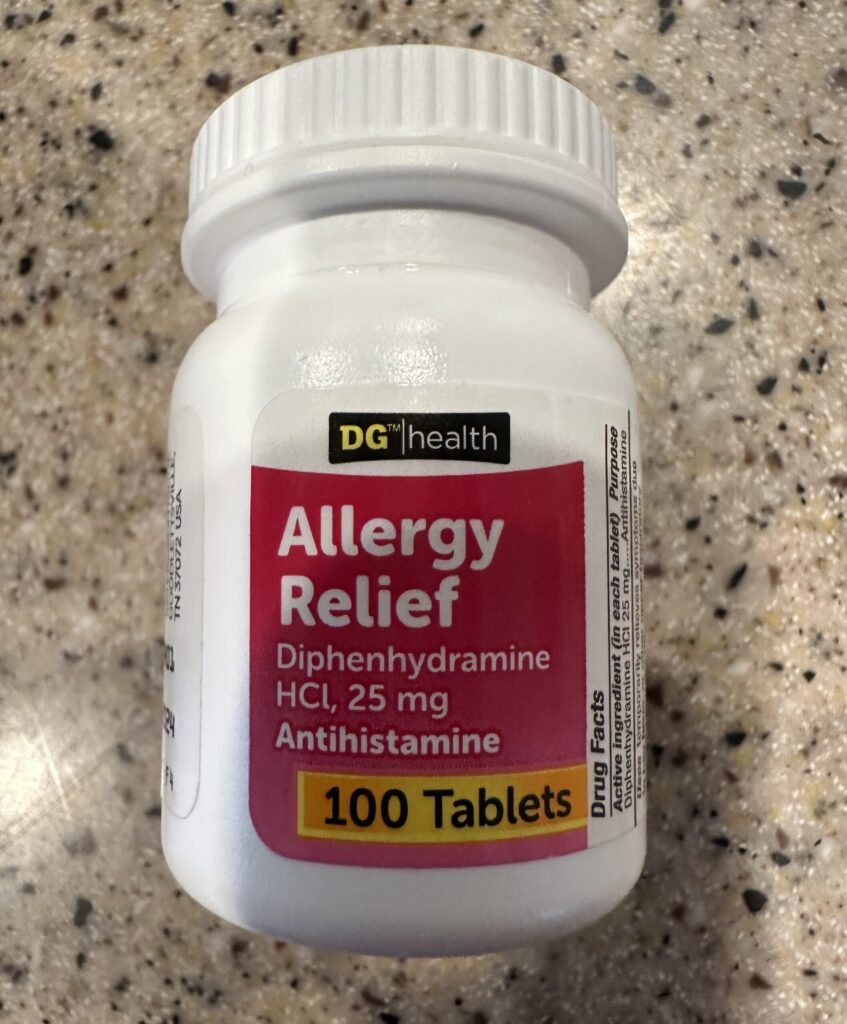
- An oral antihistamine (following label directions or your doctor’s guidance) to help with itching and swelling from a local reaction.
- Hydrocortisone cream for topical relief of redness and itching at the sting site.
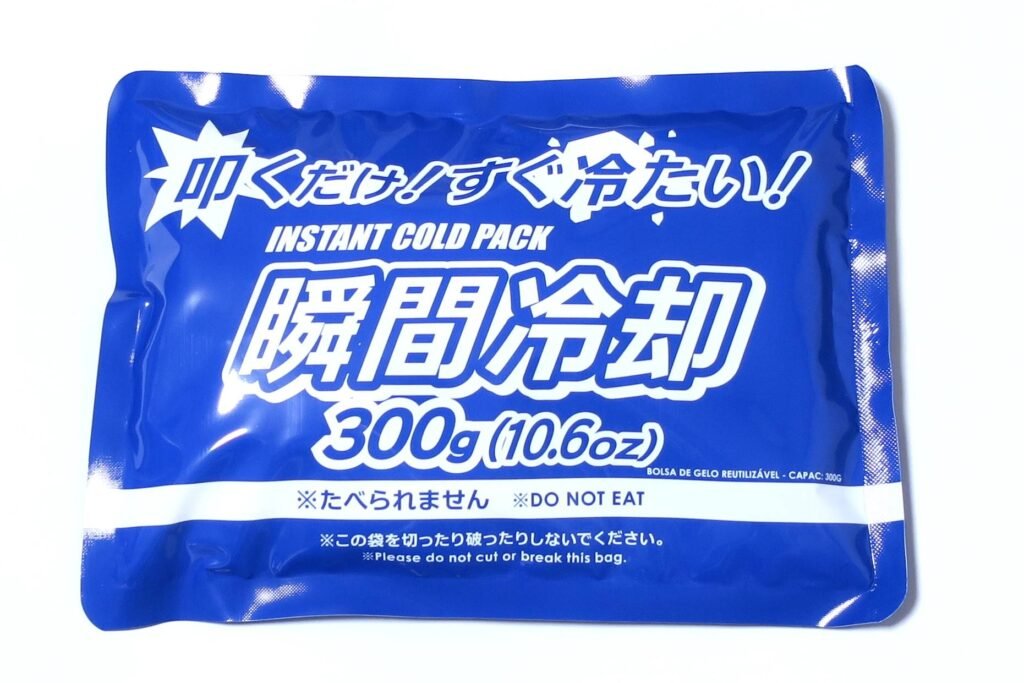
- A cold pack to reduce swelling and discomfort.
- Antiseptic wipes and adhesive bandages for basic wound care, especially if the area is scratched or broken.
- Nitrile gloves if you’re helping someone else and want a clean barrier.
- A written emergency contact card with your address, any known allergies, and a contact number, especially useful if you keep bees somewhere with a less obvious or hard-to-find address for first responders to locate quickly.
The California Master Beekeeper Program covers this same basic list as part of general apiary safety practice, and it’s worth treating as a floor rather than a ceiling — add anything specific to your own situation or your local emergency response time – a beekeeper working a remote rural apiary with a longer expected ambulance response time has a stronger case for a more comprehensive kit than one working hives a few steps from their own back door.
Sting Kit Contents at a Glance
A quick reference for what each item covers and when it actually gets used:
| Item | What It’s For | Used For |
|---|---|---|
| Tweezers or hive tool edge | Removing a retained stinger quickly | Every sting |
| Oral antihistamine | Reduces itching and swelling | Local reactions |
| Hydrocortisone cream | Topical relief at the sting site | Local reactions |
| Cold pack | Reduces swelling and pain | Local reactions |
| Antiseptic wipes and bandages | Basic wound care | Broken or scratched skin |
| Emergency contact card | Address, allergies, contact info for responders | Any emergency |
| Epinephrine auto-injector (if prescribed) | Reverses anaphylaxis | Systemic/emergency reactions |
| Charged phone | Calling 911, sharing GPS location | Any emergency |
Removing the Stinger: What the Research Actually Shows
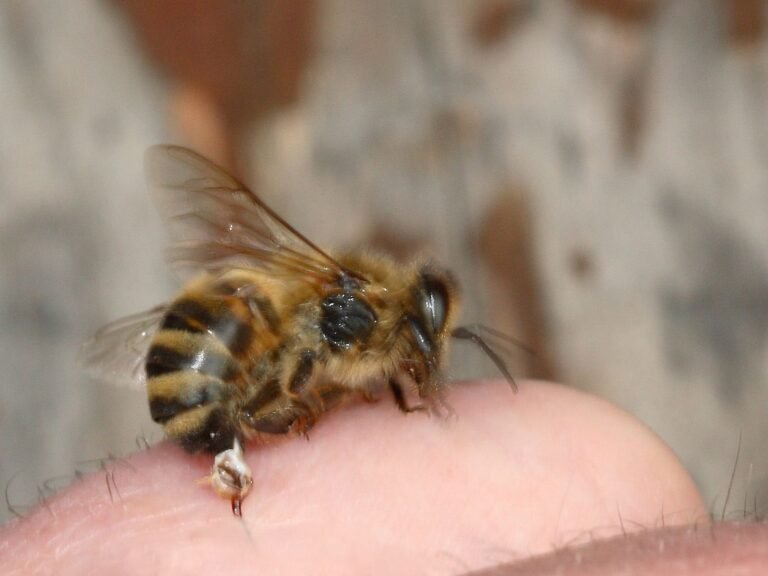
Older first-aid advice often warns against pinching a lodged stinger, on the theory that squeezing it pushes more venom into the skin than scraping it out. Actual research on this doesn’t back that up. A UC Riverside Department of Entomology review of the evidence found no meaningful difference in venom delivered between scraping and pinching — what matters far more is how quickly the stinger comes out, since a honey bee’s sting apparatus keeps pumping venom for as long as it stays in the skin. The same conclusion appears in the California Master Beekeeper Program‘s own first-aid guidance:
“Research shows pinching does not significantly increase venom—speed matters more than technique.”
The practical upshot: don’t waste time hunting for a hive tool or credit card if a fingernail is what’s actually within reach. Get the stinger out fast, by whatever clean method is fastest, then move on to cleaning the area and watching for symptoms.
Epinephrine: What to Know If It’s Prescribed to You
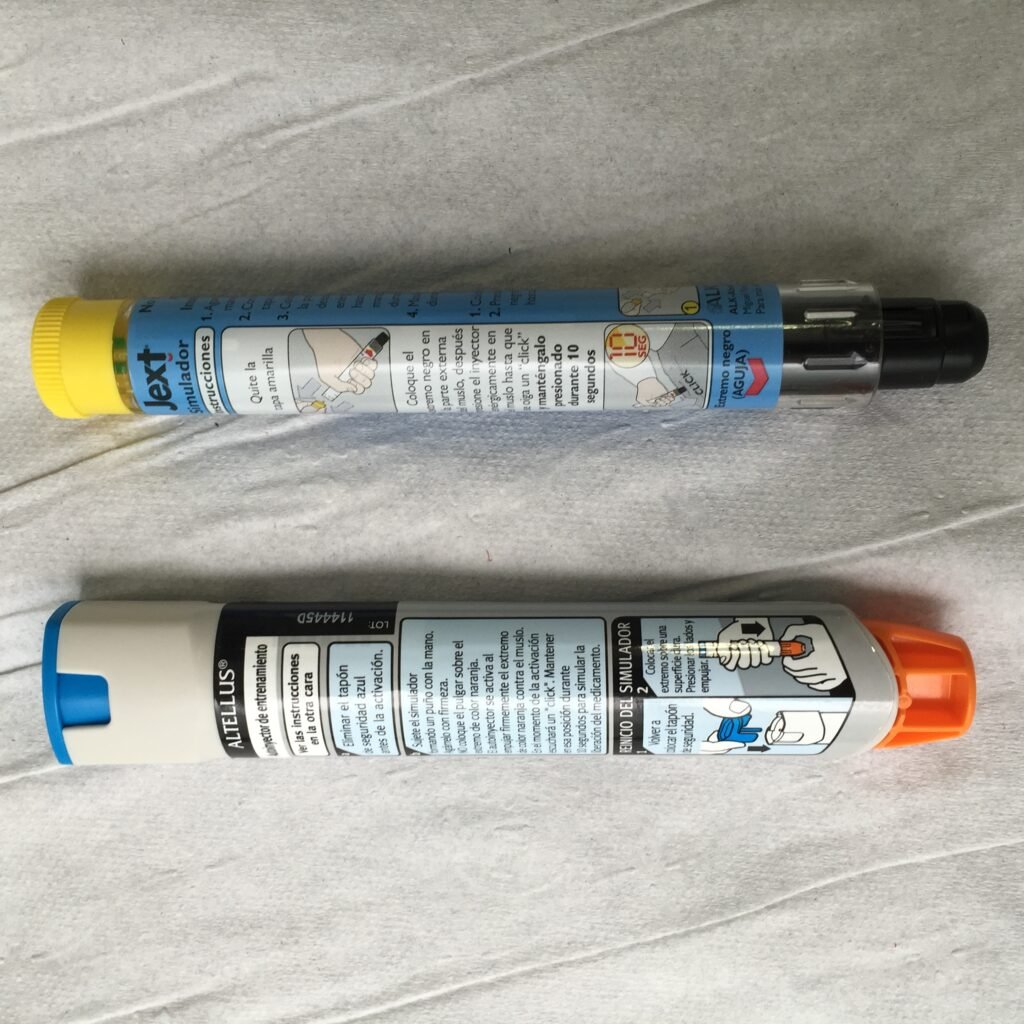
If your doctor has prescribed epinephrine auto-injectors because of a known bee sting allergy, the most important practical step is making sure they’re actually with you at the apiary, not sitting in a bag at home. Carrying two auto-injectors, as many allergists recommend, accounts for the real possibility that a second dose is needed before emergency help actually arrives. This is entirely a conversation to have with your own physician or allergist — including exactly when to use it, how to use it correctly, and what to do immediately afterward — rather than something a general guide like this one should try to instruct you on directly, since the right answer depends entirely on your specific medical history and current prescription.
Warning Signs That Mean Call 911
Certain warning signs after a sting mean it’s time to call 911 immediately rather than waiting around to see how things develop: difficulty breathing or a tight feeling in the throat or chest, swelling of the face, lips, or tongue, hives or swelling appearing anywhere on the body other than the sting site itself, dizziness or fainting, or a rapid or irregular heartbeat. If you have epinephrine and are unsure whether symptoms qualify as a genuine emergency, using it while someone else calls for help is generally the safer choice than waiting — and even after an auto-injector is used, the person still needs to be seen by emergency medical services. That’s because a second wave of symptoms, known as a biphasic reaction, can follow the first even after initial symptoms appear to have resolved — the California Master Beekeeper Program notes this second wave can occur anywhere from roughly 1 to 72 hours after the original sting, which is exactly why “I feel fine now” isn’t a reason to skip the ER visit.
Where the Kit Actually Needs to Live
A first aid kit that’s sitting at home does nothing for you at the apiary. The kit needs to travel with you to wherever your hives actually are, whether that’s a backyard a few steps from the house or a rented apiary site twenty minutes away. For beekeepers managing multiple locations, keeping a duplicate kit at each site, rather than one kit that has to be remembered and transported every time, removes an easy point of failure on a day when you’re already juggling smokers, hive tools, and everything else an inspection requires. A small waterproof bag or box that stays permanently in your bee truck, cart, or equipment shed works better in practice than a kit you have to remember to grab from the house each time.
Keeping the Kit Ready
A kit is only useful if what’s in it actually works when needed. Checking expiration dates on any medication, including antihistamines and especially epinephrine, on a regular schedule — twice a year is a reasonable rhythm — keeps the kit from quietly becoming useless without anyone noticing. A charged phone at the apiary is effectively part of the kit too, since it’s the fastest path to calling for help if a situation escalates beyond what the kit itself can handle. Saving the exact address or GPS coordinates of a rural or hard-to-describe apiary location as a note on your phone, ready to read off to a 911 dispatcher, can shave real time off an emergency response when every minute matters.
If You’re Helping Someone Else Who’s Been Stung
If you’re mentoring a new beekeeper or hosting visitors at your hives, the same kit needs to be accessible to more than just you — and the people around your apiary should know where it is and what’s in it before an inspection starts, not after someone’s already been stung. Asking new visitors directly whether they have any known bee or wasp sting allergies before an inspection begins is a simple, low-friction step that can meaningfully change how quickly you recognize a developing systemic reaction if one occurs, and most visitors appreciate being asked rather than finding the question intrusive. One detail worth knowing ahead of time rather than in the moment: rules about administering someone else’s epinephrine auto-injector, or even your own to a non-family member, vary by state, and not every state’s Good Samaritan protections cover it the same way — it’s worth a quick check of your own state’s rules rather than assuming. Our broader safety guide to handling bee stings and allergies covers additional precautions worth building into how you run inspections generally, including how to structure a visit so a first-time guest isn’t standing directly in the hive’s flight path the whole time.
Frequently Asked Questions
Do I need a sting kit if I’ve never had a bad reaction before?
Yes. Allergic sensitivity to bee venom can develop over time, and a severe reaction can occur even in someone with no prior history of one, which is why a basic kit belongs at every apiary.
What’s the difference between a local and a systemic reaction?
A local reaction is pain, redness, and swelling confined to the sting site. A systemic reaction involves symptoms elsewhere in the body, like hives away from the sting, facial swelling, or difficulty breathing, and is a medical emergency.
Is it true that pinching a bee stinger injects more venom than scraping it out?
Not really. A UC Riverside review of the research found scraping versus pinching makes little measurable difference in venom delivered — speed of removal matters far more than technique, so use whatever method gets the stinger out fastest.
How common are severe allergic reactions to bee stings in adults?
Uncommon but not rare — research summarized by the American Academy of Family Physicians puts systemic reactions at roughly 3 percent of adults, which is why every apiary should still be prepared for one even though most stings are routine.
Should I carry epinephrine even if it’s not prescribed to me?
No. Epinephrine auto-injectors are prescription medication, and whether you should carry one, and how to use it, is a decision to make with your own doctor or allergist based on your specific history.
How often should I check my sting kit?
Checking expiration dates on any medication, especially epinephrine and antihistamines, roughly twice a year is a reasonable schedule to keep the kit genuinely ready.
Where should I keep my bee sting kit?
At the apiary itself, not at home — ideally with a duplicate kit at each location if you manage hives in more than one place.