
Reviewed by Michael R. · How we review
The main difference between a bee sting and a wasp sting is what stays behind. A honey bee’s barbed stinger usually lodges in your skin and keeps pumping venom, and the bee dies; a yellowjacket, hornet or paper wasp keeps its stinger and can sting again. A honey bee delivers far more venom per sting, but the pain is similar, and either can cause a life-threatening allergic reaction.
Educational information only, not medical advice. For allergy care, follow your doctor and the American College of Allergy, Asthma and Immunology’s insect sting guidance.
Emergency: if anyone has trouble breathing, a swelling tongue or throat, hives away from the sting, dizziness or fainting after any sting, call 911 and use their epinephrine auto-injector if they carry one.
Key Takeaways
- A stinger left in the skin almost always means a honey bee. Several stings from one insect mean a wasp.
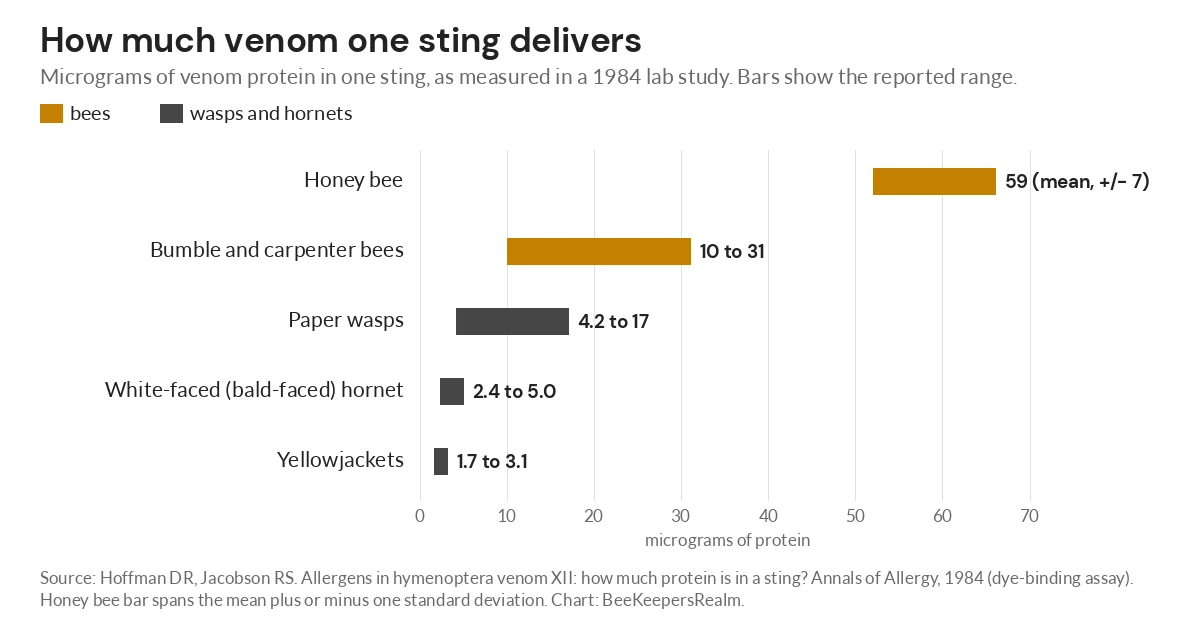
- In a 1984 lab study, one honey bee sting held about 59 micrograms of venom protein; a yellowjacket sting held 1.7 to 3.1.
- On Justin Schmidt’s 1-to-4 pain scale, honey bees, yellowjackets and the bald-faced hornet all rate 2. Several paper wasps rate 3.
- “Bee stings are acid, wasp stings are alkaline” is folklore. Vinegar and baking soda cannot reach venom under the skin.
- Allergy is venom-specific, so allergists test bee and wasp venoms separately.
Table of Contents
- Bee and Wasp Stings Side by Side
- How to Tell Which One Stung You
- Why the Bee’s Stinger Stays and the Wasp’s Doesn’t
- Which Sting Is Worse?
- The Vinegar and Baking Soda Myth
- First Aid for Each Sting
- Frequently Asked Questions
Bee and Wasp Stings Side by Side
| Honey bee | Yellowjackets, hornets, paper wasps | |
|---|---|---|
| Stinger after the sting | Usually stays in the skin, venom sac attached | Usually leaves with the insect |
| Stings per insect | One; the bee dies | Several in a row |
| Venom protein per sting | About 59 micrograms | Yellowjacket 1.7 to 3.1; bald-faced hornet 2.4 to 5.0; paper wasp 4.2 to 17 |
| Schmidt pain rating (1 to 4) | 2, the scale’s reference point | Yellowjackets and bald-faced hornet 2; paper wasps 2 to 3 |
| Venom toxicity in mice (LD50, lower is more toxic) | 2.8 mg/kg | Yellowjackets 2.6 to 6.4; bald-faced hornet 6.1; paper wasps 1.3 to 11 |
| What to do first | Get the stinger out fast, then wash and cool | Move away from the nest, then wash and cool |
Sources: Hoffman and Jacobson, Annals of Allergy, 1984 (venom); Schmidt, Toxins, 2019, Table 1 (pain, and the intravenous dose that killed half of test mice within 24 hours).
How to Tell Which One Stung You
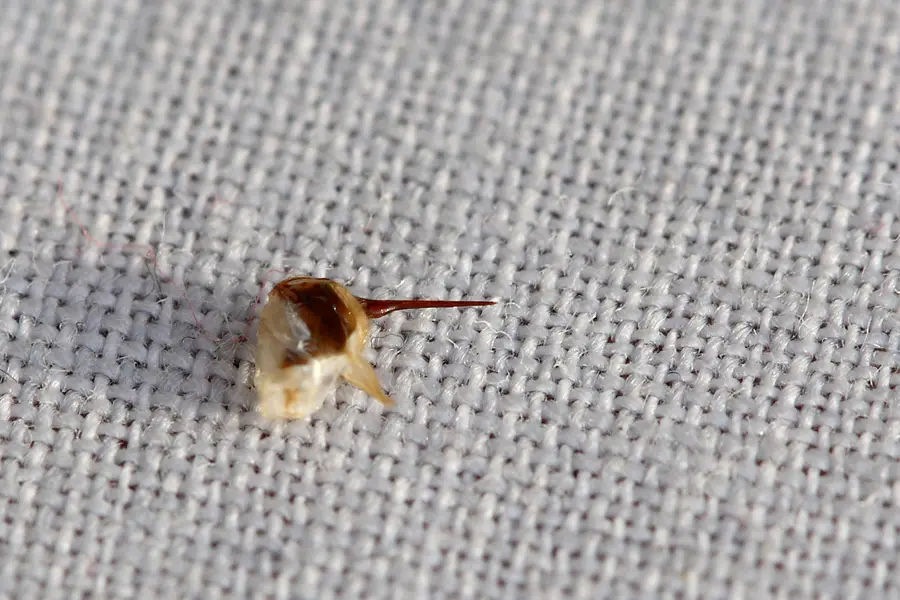
Look at the sting first. A small dark splinter, sometimes with a pale blob on the end, is a honey bee stinger with its venom sac.
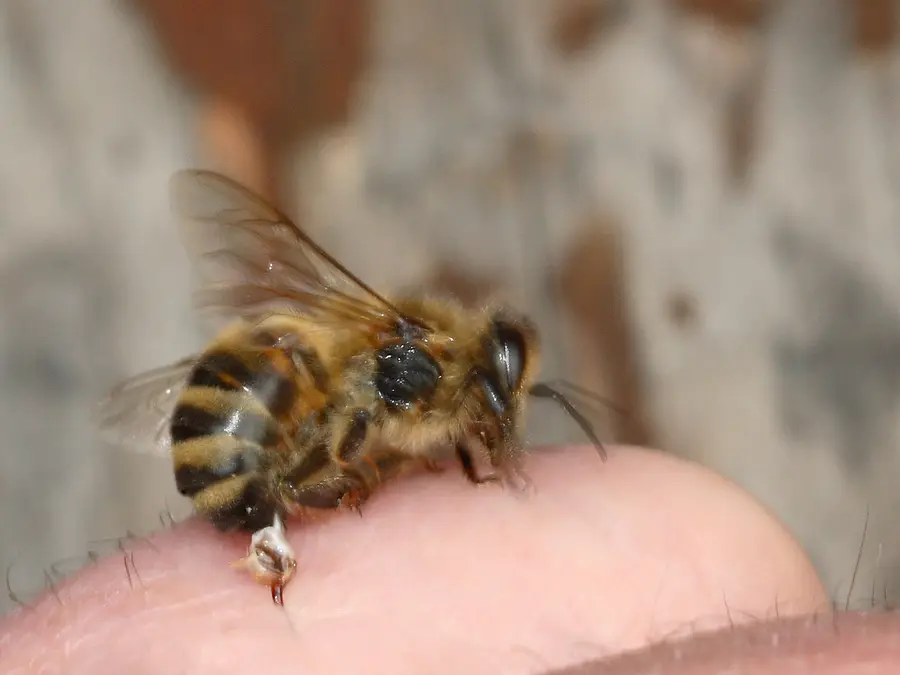
- Several stings from one insect mean a wasp. The ACAAI notes that yellow jackets, hornets and wasps can sting repeatedly.
- Barefoot on a clover lawn suggests a bee; the ACAAI notes that honeybees and bumblebees forage on white clover.
- Around picnic food or garbage suggests yellowjackets.
- A smooth, shiny insect with a narrow waist is a wasp. See our bee vs. wasp identification guide.
Season matters in our part of the country. USDA counted 460,000 honey-producing colonies in North Dakota in 2025, more than any other state, so honey bees are common in summer farm country here. Late summer belongs to yellowjackets: an NDSU Extension release quoting entomologist Janet Knodel says they are more aggressive, and more likely to sting, in August and September. See yellowjackets vs. honeybees.
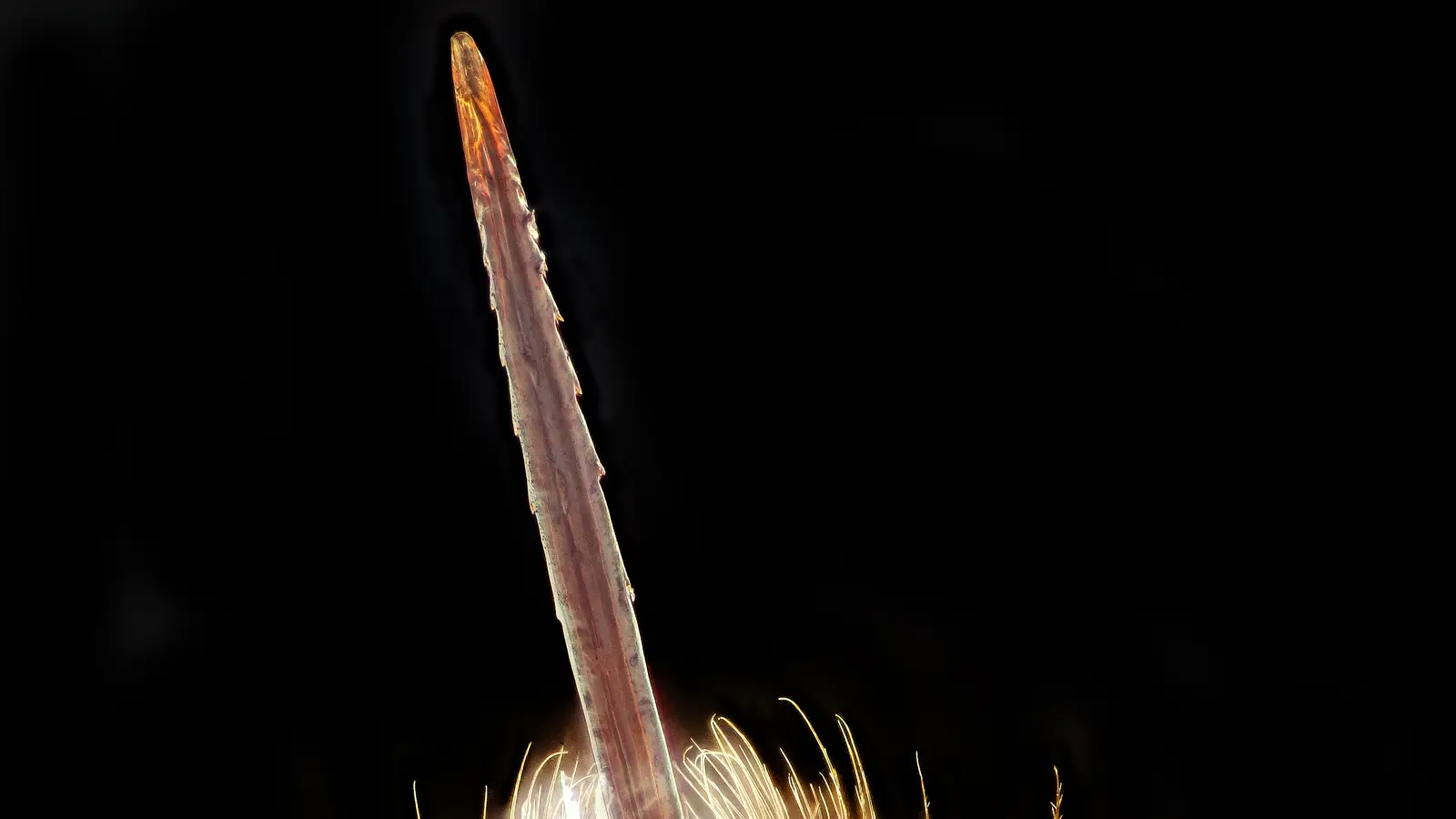
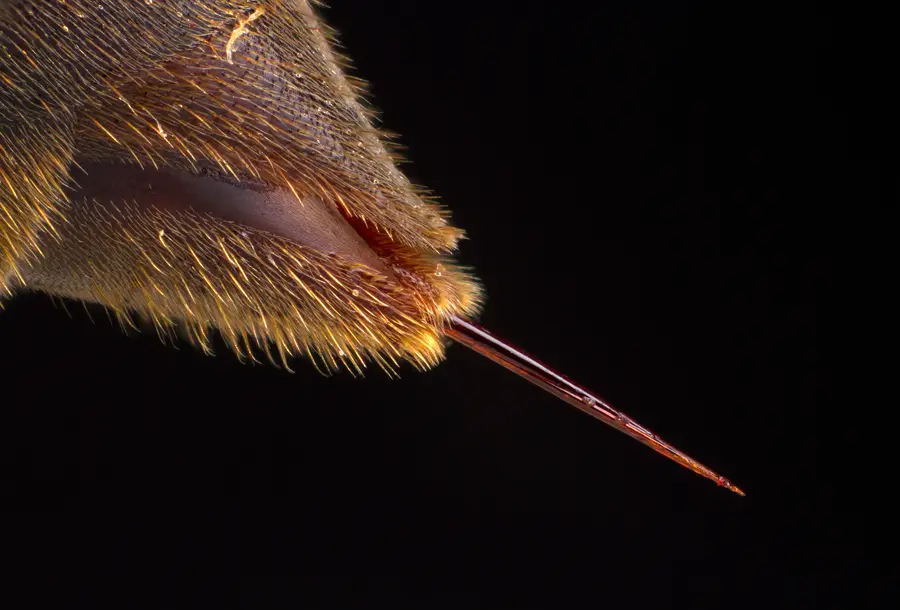
In this 95-second clip from October 2025, Walt of the oneminmicro channel puts a dead honey bee and wasp under a microscope. The wasp’s stinger is thin, sharp and hollow. The bee’s has two jagged lancets that saw back and forth, driving it deeper until it sticks.
Why the Bee’s Stinger Stays and the Wasp’s Doesn’t
Both insects inject venom through sliding lancets; the difference is in the barbs. In 2015, Tsinghua University engineers pushed honey bee and paper wasp stings into test materials, including pig skin, and measured the force to pull them out.
“In comparison, the barbed stings of honey bees are relatively difficult to be withdrawn from fibrous tissues (e.g. skin), while the removal of paper wasp stings is easier due to their different structures and insertion skills.”
Pulling a honey bee sting out of pig skin took, on average, about 3.3 times the force needed to push it in. The paper wasp’s barbs were much smaller, hidden by the broad shaft, and its lancets twist in a spiral that slides back out. The wasp keeps its stinger; the honey bee’s tears loose from her abdomen.
Which Sting Is Worse?
Venom per sting: the honey bee
In Hoffman and Jacobson’s measurements, a honey bee sting held 59 ± 7 micrograms of venom protein, 19 to 35 times a yellowjacket’s. The top paper wasp figure, 17 micrograms, was under a third of the bee’s.
Pain: mostly a tie
Schmidt’s scale is anchored on the honey bee at 2. In his 2019 table, German, common and western yellowjackets and the bald-faced hornet also rate 2. Paper wasps split: two species rate 2 and five rate 3. The scale covers only the first burst of pain, not the itch or swelling after. See our Schmidt sting pain index guide and our page on paper wasps.
Danger: depends on you
For most people, either sting means a few days of pain and swelling. For allergic people, a small dose matters, and allergy is venom-specific. In a study of 635 venom-allergy patients, published in the Canadian Society of Allergy and Clinical Immunology’s journal, 351 (55.3%) tested positive to both honey bee and yellowjacket venom, though some of that sensitization causes no symptoms. See how venom allergy testing works.
US death records cannot settle the question. The CDC counted 1,109 deaths from hornet, wasp and bee stings from 2000 to 2017, an average of 62 a year, but all fall under one cause-of-death code, X23, that does not separate the insects (MMWR, 2019).
The Vinegar and Baking Soda Myth
The old rule says bee stings are acid, so use baking soda, and wasp stings are alkaline, so use vinegar. A 2019 review in Molecules does describe honey bee venom as acidic, at pH 4.5 to 5.5, but we found no peer-reviewed measurement showing wasp venom is alkaline.
Either way, the venom is under the skin, where nothing dabbed on top can neutralize it, and pH is not what hurts: UC Integrated Pest Management names melittin, which stimulates pain nerve endings, as the main culprit. MedlinePlus advises soap, water and ice. A cool baking soda bath, suggested in one NDSU Extension release for multiple yellowjacket stings, may ease itching, but that is comfort, not chemistry.
First Aid for Each Sting
- Move away from any nest; wasps can keep stinging.
- Bee sting: get the stinger out now. In a 1994 study, at least 90% of the venom sac’s contents went in within 20 seconds.
- Wash with soap and water, then apply wrapped ice, 10 minutes on and 10 off, as MedlinePlus advises.
- Keep watching for a whole-body reaction, which the ACAAI says can start within minutes.
“These data suggest that advice to patients on the immediate treatment of bee stings should emphasise quick removal, without concern for the method of removal.”
So scrape or pinch, whichever is faster. A large local reaction can swell a whole arm; the ACAAI says it usually peaks two to three days after the sting and can last a week or more. See local vs. systemic reactions.
“Immediately inject epinephrine (adrenaline) if symptoms of anaphylaxis develop.”
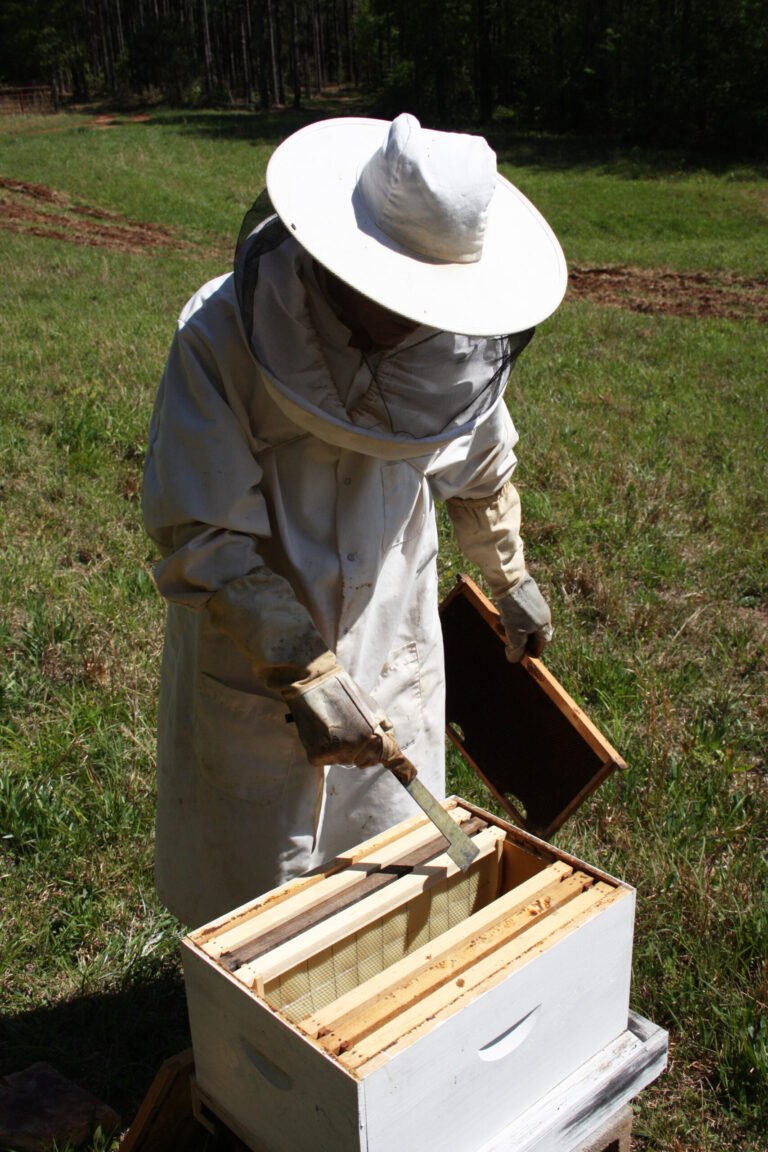
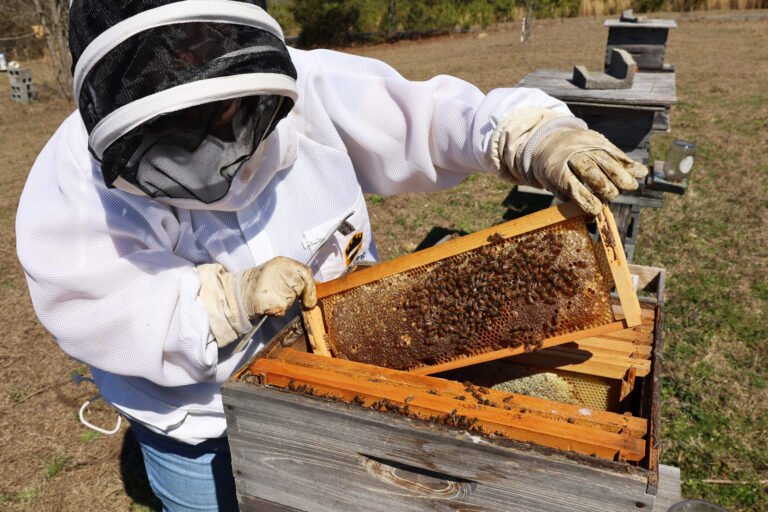
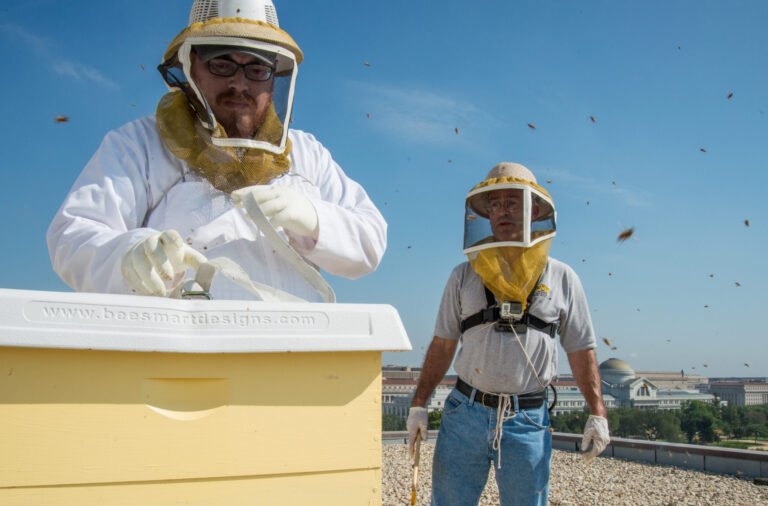
The ACAAI also advises keeping two doses of epinephrine and calling emergency services whenever one is used, even if symptoms improve. Beekeepers should keep a sting first aid kit at every apiary.
Frequently Asked Questions
How do I know if I got stung by a bee or a wasp?
Check for a stinger. A honey bee usually leaves one; a wasp does not, and it may sting more than once.
Is a wasp sting more painful than a bee sting?
Usually not. On Schmidt’s scale, yellowjackets and honey bees both rate 2; several paper wasps rate 3.
What neutralizes wasp venom?
Nothing you put on the skin. Wash the sting and use ice.
When should I go to the ER for a wasp sting?
Call 911 for trouble breathing, throat swelling, widespread hives, dizziness or fainting. MedlinePlus also says to call poison control or an ER if the person is allergic or was stung inside the mouth or throat.
How long does a sting take to go away?
MedlinePlus says people who are not allergic usually get better within a week.
Can you be allergic to wasps but not bees?
Yes. The venoms differ, and allergists test each one.

.jpg)
