A true allergy to honey itself is genuinely uncommon — most reactions people describe as a “honey allergy” are actually a reaction to something honey carries along with it: leftover pollen, propolis residue, or bee-derived proteins, rather than the honey’s sugars themselves. For beekeepers specifically, the more common and better-documented issue isn’t honey at all, but contact dermatitis from handling propolis — an occupational allergy that’s surprisingly under-recognized within the beekeeping community itself, given how routinely most beekeepers handle propolis-coated frames and hive tools without a second thought. This guide walks through what’s actually behind each of these reactions, from oral allergy syndrome to genuine anaphylaxis, and what beekeepers in particular should know about their own occupational exposure. These are genuinely distinct conditions with different causes and management approaches, even though they often get lumped together informally as one broad “bee allergy.”
This article is general health information, not personalized medical advice. If you suspect an allergy to honey, pollen, propolis, or royal jelly, an allergist can test for and confirm the specific cause, which matters for how you manage it going forward.
Key Takeaways
- A true allergy to honey itself is uncommon — most reactions are actually caused by residual pollen, propolis, or bee-derived proteins carried in the honey rather than the honey itself.
- Pollen from the Compositae plant family (ragweed, sunflower, sagebrush) is a common trigger, especially in people who already have hay fever or related pollen sensitivities.
- Raw, unfiltered honey carries a meaningfully higher allergen load than processed, filtered honey, which is why some people tolerate one but react to the other.
- Contact dermatitis from propolis is a well-documented occupational hazard for beekeepers specifically, and many beekeepers don’t recognize the connection or protect themselves properly.
- Royal jelly allergy is less common but can be genuinely serious, with documented cases of asthma, dermatitis, and severe anaphylactic reactions.
Table of Contents
- Is a True Honey Allergy Even Common?
- Pollen Cross-Reactivity: The Real Culprit Behind Most Reactions
- What Symptoms Actually Look Like
- Raw Honey vs. Processed Honey
- Propolis Contact Dermatitis: A Beekeeper’s Occupational Risk
- Royal Jelly Allergy: Less Common, More Severe
- Protecting Yourself as a Beekeeper
- Getting Tested Rather Than Guessing
- Frequently Asked Questions
Is a True Honey Allergy Even Common?
Genuine allergy to honey as a substance is uncommon. What most people experience and describe as a honey allergy is more accurately a reaction to one of the things naturally present inside honey — pollen grains, trace amounts of propolis, or proteins the bees themselves contributed during production — rather than an allergic response to honey’s actual sugar content. This distinction matters clinically, since identifying the real trigger changes both how a reaction is managed and whether other bee products are likely to cause similar problems going forward. Someone who reacts to pollen residue, for instance, has a fundamentally different underlying issue than someone reacting to a bee-derived protein like a royal jelly major protein, even though both might initially describe their symptom in exactly the same casual way to a friend or family member.
Pollen Cross-Reactivity: The Real Culprit Behind Most Reactions
The most frequently cited cause of a honey reaction is pollen cross-reactivity, particularly involving plants in the Compositae family — ragweed, sunflower, and sagebrush among them. People who already have hay fever or a known pollen allergy to these specific plants are more likely to react to honey containing residual pollen from the same family, since their immune system is already primed and sensitized to respond to those particular proteins whenever it encounters them again, regardless of the delivery method. This is why someone with severe ragweed allergies might notice mouth or throat itching after eating honey during ragweed season specifically, even if they’ve eaten honey from the exact same jar without any issue earlier in the year, before that particular plant started blooming nearby. The specific plant sources a local hive has been foraging from can shift meaningfully across a single season, which means the pollen profile of a jar of honey harvested in spring can differ quite substantially from one harvested in late summer, even from that exact same colony sitting in that exact same yard.
What Symptoms Actually Look Like
Reactions typically appear within minutes to about two hours of exposure and can range from mild and easily managed to genuinely serious and requiring emergency care. Milder, more common symptoms include itching or tingling in the mouth and throat — sometimes called oral allergy syndrome — along with hives, skin flushing, nasal congestion, and sneezing, symptoms that can look a lot like a mild seasonal allergy flare-up if you’re not specifically tracking the connection to something you just ate. More serious symptoms include wheezing, throat tightness, vomiting, and abdominal pain, and in rare cases, a reaction can progress to full anaphylaxis requiring immediate emergency treatment. Anyone who has experienced any of these more serious symptoms after honey or a bee product should treat future exposure with real caution until an allergist has had a chance to evaluate what actually happened. Contact allergy to propolis specifically tends to show up differently, typically as dermatitis or hives at the point of skin contact rather than the oral and respiratory symptoms associated with ingesting honey or pollen. This makes it fairly easy to distinguish in practice: a reaction confined to the hands or forearms after hive work points toward propolis, while symptoms appearing after eating honey point toward pollen or another ingested component instead – a useful, practical way to narrow down the likely cause before ever seeing an allergist.
Raw Honey vs. Processed Honey
Processing matters for allergen load. Commercially processed honey typically goes through filtration and heat treatment that removes much of the pollen, propolis residue, and bee-derived protein content, while raw, unfiltered honey retains far more of all three. This is a genuine reason some people tolerate commercial honey without issue but react to raw honey from a local beekeeper — it isn’t that one honey is “more real” than the other in a way that matters allergically, but that the two products genuinely carry different allergen loads by the time they reach a jar, simply as a byproduct of how much filtering and heat processing each one goes through before it ever reaches a store shelf or a farmers market table.
Propolis Contact Dermatitis: A Beekeeper’s Occupational Risk
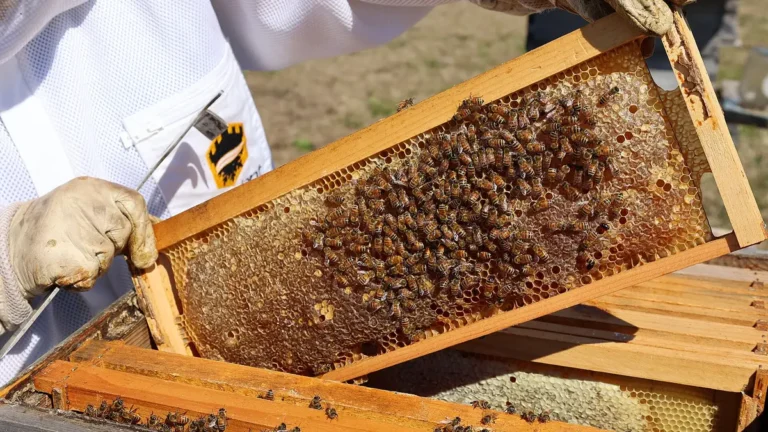
For working beekeepers, propolis — not honey — is the more common and better-documented allergy concern. Contact allergy to propolis is a well-recognized occupational hazard in beekeeping, capable of causing dermatitis through both direct skin contact and airborne exposure during hive work. What makes this particularly worth knowing: many beekeepers who develop propolis contact dermatitis don’t immediately connect their symptoms to the resin they’ve been handling for years, sometimes assuming a new skin irritation is unrelated to their hives entirely and attributing it instead to laundry detergent, sunscreen, or some other everyday product they’ve also recently changed. Propolis exposure builds up cumulatively for many beekeepers, meaning a reaction can develop after years of apparently trouble-free hive work, not necessarily on someone’s very first season – which is exactly why an experienced beekeeper shouldn’t assume immunity just because early seasons went by without any issue.
Royal Jelly Allergy: Less Common, More Severe
Royal jelly allergy is rarer than pollen cross-reactivity or propolis contact dermatitis, but when it occurs, it tends to be more severe. A recent review of allergic risks across bee products documents that major royal jelly proteins have been linked in case reports to asthma, dermatitis, bronchospasm, and — in some of the more serious documented cases — anaphylaxis and anaphylactic shock, underscoring that royal jelly shouldn’t be treated as a risk-free supplement simply because it comes from a natural source. This is worth knowing specifically because royal jelly is sometimes marketed as a health supplement to people who have no beekeeping background and no reason to suspect a bee-product allergy before their first exposure, which is a genuinely different risk profile than a beekeeper who’s already had years of gradual, lower-level contact with hive products.
Protecting Yourself as a Beekeeper
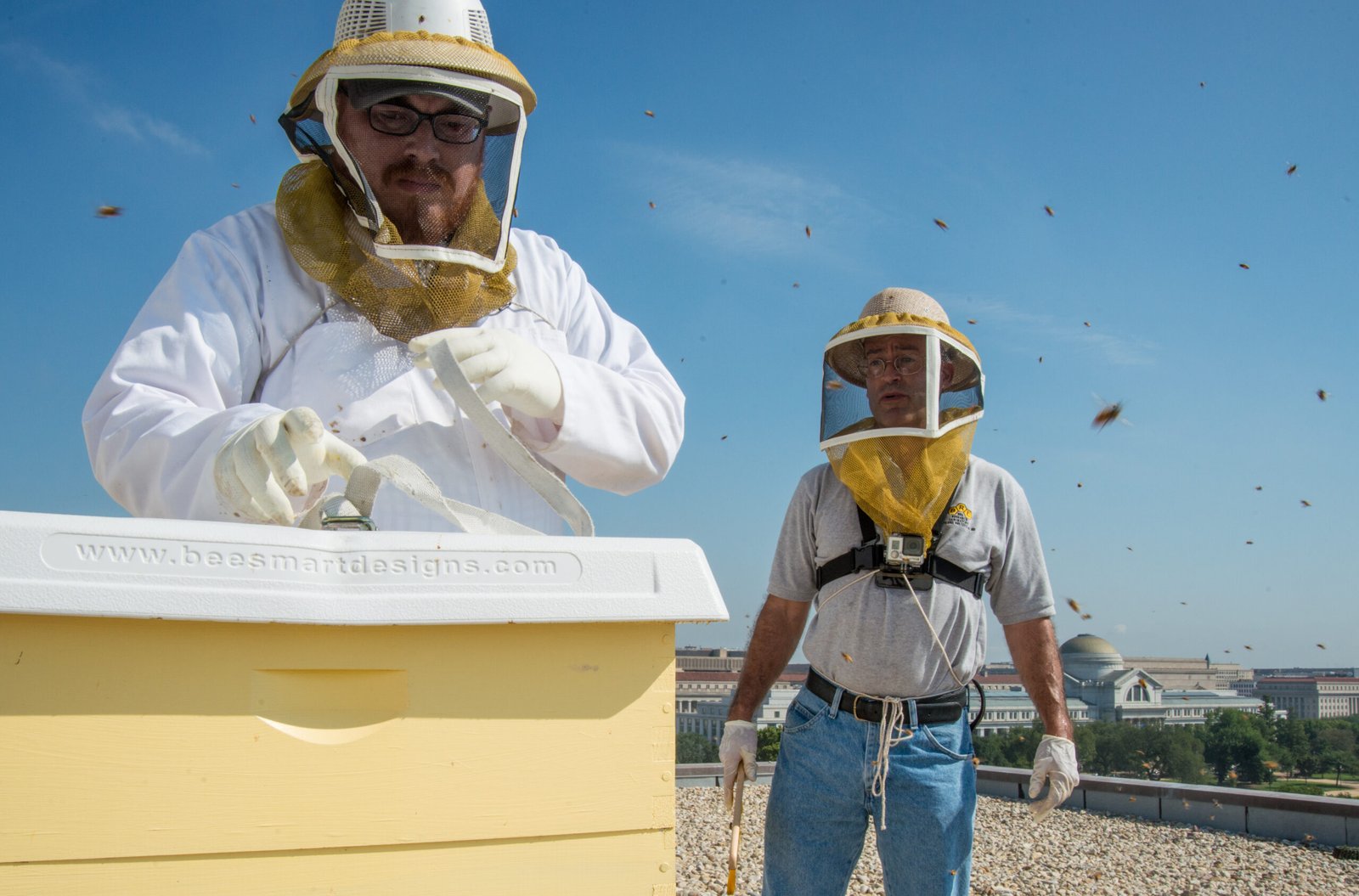
Beekeepers who develop propolis contact dermatitis on their hands don’t necessarily need to give up beekeeping — wearing rubber or leather gloves consistently during hive work is a commonly recommended way to keep handling hives while limiting direct skin contact with propolis, and washing hands promptly after removing gloves helps clear any residue that made it through despite the barrier. For beekeepers who notice new or worsening skin reactions after hive work, connecting the timing to propolis exposure specifically, rather than assuming it’s unrelated, is the first step toward actually addressing it rather than simply tolerating a worsening skin problem season after season without ever connecting it to the actual cause. Switching glove materials can also matter here, since some beekeepers find that certain glove types trap propolis residue against the skin longer than others, prolonging exposure even while technically wearing protection.
Getting Tested Rather Than Guessing
Because honey, pollen, propolis, and royal jelly reactions can look similar on the surface but come from genuinely different underlying causes, an allergist can run specific testing to identify which bee product — or which component within it — is actually responsible for a given reaction. This matters practically: someone reacting to pollen residue in raw honey may tolerate processed honey and royal jelly just fine, while someone with true propolis contact dermatitis needs a completely different management approach centered on avoiding skin contact rather than avoiding ingestion. Testing typically involves a combination of skin prick tests and, in some cases, blood tests measuring specific antibody responses to individual bee-product components, giving a much clearer, more actionable picture than simple trial-and-error avoidance ever could on its own.
For honey and pregnancy more broadly, see is honey safe during pregnancy?
Frequently Asked Questions
Is it common to be allergic to honey?
A true allergy to honey itself is uncommon. Most reactions are actually caused by residual pollen, propolis, or bee-derived proteins present in the honey rather than the honey’s sugar content.
Why would I react to raw honey but not processed honey?
Raw, unfiltered honey retains far more pollen, propolis, and bee protein content than commercially processed honey, which typically removes much of that material through filtration and heat treatment.
Is propolis allergy common among beekeepers?
Yes, contact allergy to propolis is a well-documented occupational hazard for beekeepers, though many don’t recognize the connection between their symptoms and propolis exposure.
How serious can a royal jelly allergy be?
Royal jelly allergy is less common than pollen or propolis reactions but can be more severe, with documented cases involving asthma, dermatitis, and serious anaphylactic reactions.
How can I find out exactly what I’m reacting to?
An allergist can run specific testing to identify whether pollen, propolis, royal jelly, or another component is the actual cause, since the management approach differs depending on the trigger.