Reviewed by Michael R. · Last Updated October 13, 2026 · How we review
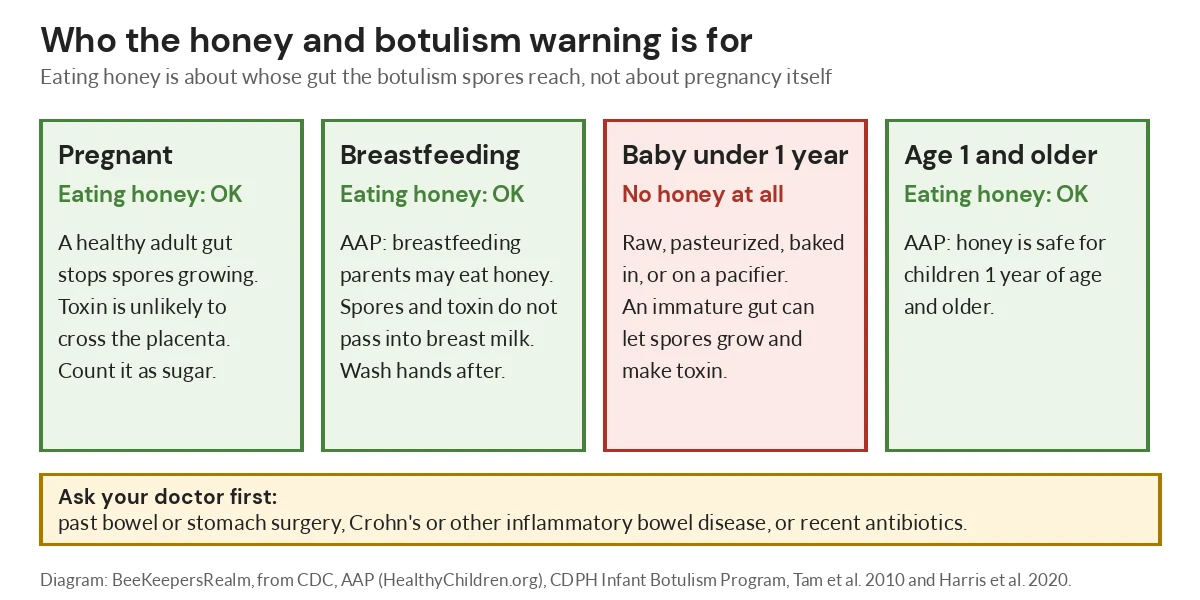
Yes. Honey, raw or pasteurized, is safe to eat during pregnancy for most women. The botulism warning on honey is for babies under 12 months, whose guts cannot yet stop the spores from growing; a healthy adult gut can. The real limits in pregnancy are sugar, gestational diabetes, a bee-product allergy and a few bowel conditions.
Educational information only, not medical advice; talk to your doctor or midwife about your own diet. Health facts come from the agencies and studies named below; Michael R. reviewed the beekeeping and honey-processing facts.
Key Takeaways
- A 2010 Motherisk review in Canadian Family Physician concluded that women without bowel disease do not need to avoid honey in pregnancy.
- Botulinum toxin is a large molecule and is unlikely to cross the placenta.
- Raw and pasteurized honey carry the same spore risk; the heat used on honey kills yeasts, not spores.
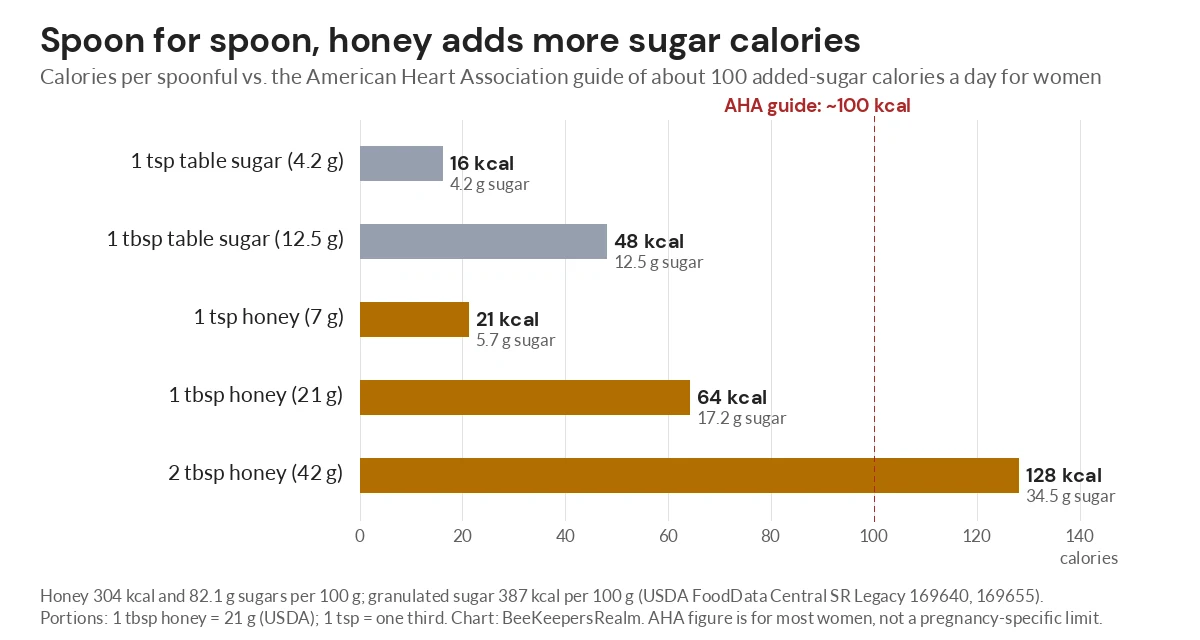
- A tablespoon of honey is about 64 calories, a third more than a tablespoon of sugar; two go past the American Heart Association’s 100-calorie added-sugar guide for women.
- Breastfeeding parents may eat honey, but no honey for the baby until age 1.
Table of Contents
- Why the Infant Botulism Warning Does Not Apply to You
- Raw or Pasteurized: What Heat Does and Doesn’t Change
- Honey in Pregnancy: Common Claims Checked
- How Much Honey Fits a Pregnancy Diet
- Coughs, Sore Throats and Postpartum Healing
- Breastfeeding and Your New Baby
- When to Ask Your Doctor or Midwife First
- Frequently Asked Questions
- The Bottom Line
Why the Infant Botulism Warning Does Not Apply to You
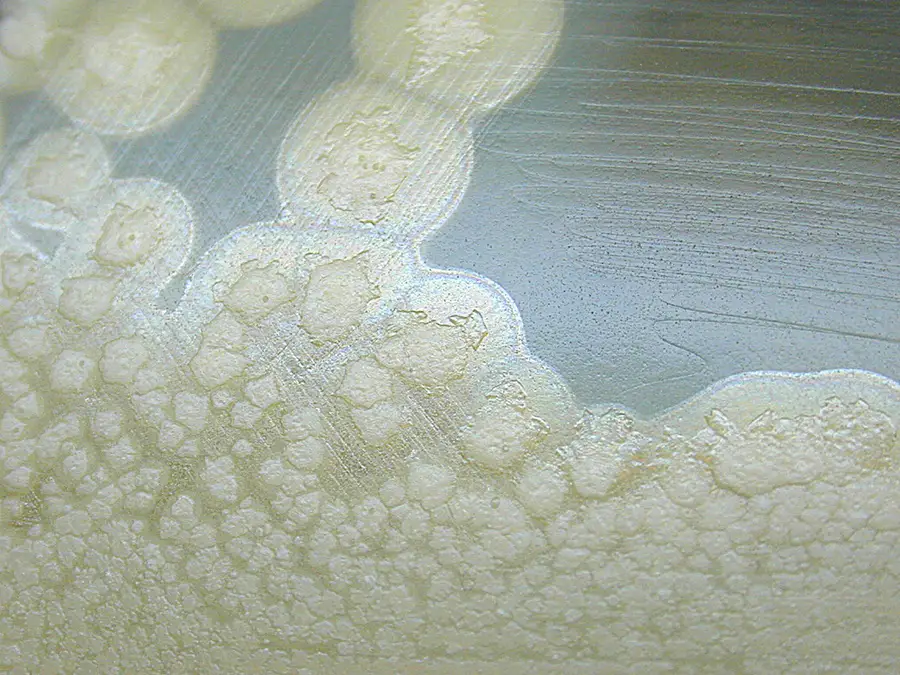
Honey can carry spores of Clostridium botulinum. The CDC notes the spores usually do not make people sick, even when eaten; trouble starts only if they grow and make toxin inside the gut, as in infant botulism from honey.
“We do know that honey is not safe for infants. Honey can contain the bacteria that cause botulism.”
An adult gut is different. The leading explanation, per the University of California’s Master Food Preserver Program, is that babies lack the established gut bacteria that crowd out C. botulinum. The Motherisk team at Toronto’s Hospital for Sick Children reviewed pregnancy directly:
“Together with the low risk of colonization botulism among healthy adults, women without gastrointestinal pathology do not need to avoid honey during pregnancy.”
The same review notes the toxin, at about 150 kDa, is unlikely to cross the placenta, and a case report of botulism in pregnancy suggested no added risk to the fetus.
The exception is adult intestinal colonization botulism; the CDC says only “a handful” of people have been diagnosed. A 2020 review in Toxins (Harris, Anniballi and Austin) ties most cases to bowel surgery or abnormalities, Crohn’s or inflammatory bowel disease, or recent antibiotics.
Raw or Pasteurized: What Heat Does and Doesn’t Change
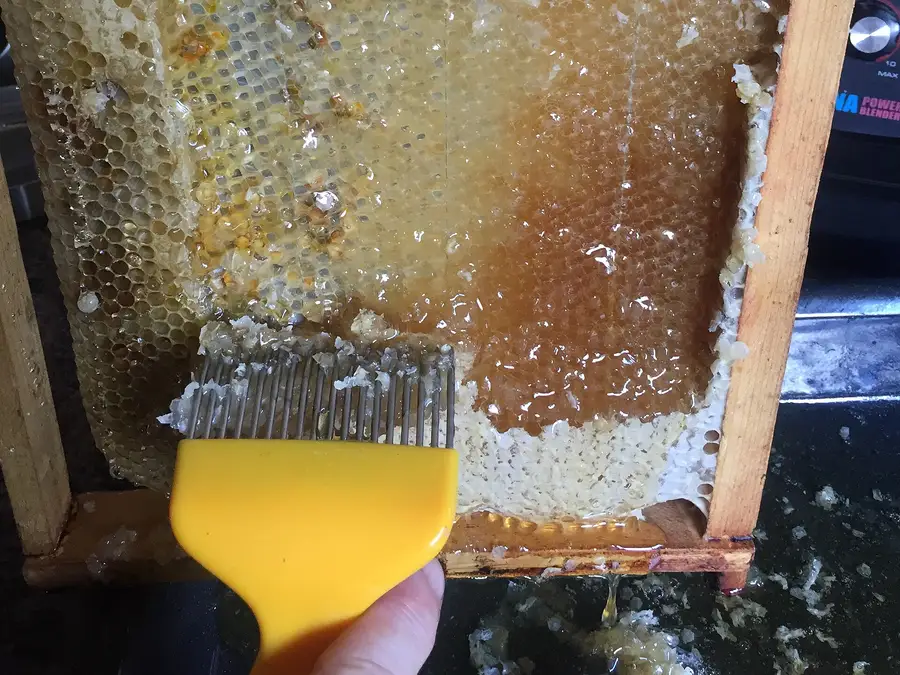
In the honey house, “raw” means uncapped, extracted, strained and bottled without heating much above hive temperature. Packers heat honey mainly to keep it liquid and stop it fermenting; our guide to what heat and filtering change in honey has details. For pregnancy, one point matters:
“This destroys molds and common yeasts, but not C. botulinum spores.”
So pasteurized honey is no safer against botulism. That is why the baby rule covers all honey, and why the jar type doesn’t matter for a healthy pregnant adult.
Listeria, the main germ behind pregnancy food rules, doesn’t change that. The FoodSafety.gov list for pregnant women covers raw milk and raw-milk cheeses, unpasteurized juice, deli and smoked foods, sprouts, and undercooked eggs and meat. Honey is not on it, or on the NHS foods-to-avoid page. Ripe honey is also too low in free water for most bacteria to multiply; see honey’s water activity.
Honey in Pregnancy: Common Claims Checked
| Claim | What the sources say | Source |
|---|---|---|
| Honey’s botulism risk applies in pregnancy | No, for women without bowel disease | Tam et al., 2010 |
| Botulism could reach the fetus | Toxin unlikely to cross the placenta | Tam et al., 2010 |
| Raw honey is a listeria risk like raw milk | Honey is not on the pregnancy avoid lists | FoodSafety.gov; NHS |
| Pasteurized honey is spore-free | Heat kills yeasts and molds, not spores | UC ANR, 2025 |
| Honey is fine with gestational diabetes | It counts as sugar; limit it | ACOG; NHS; AHA |
| Breastfeeding parents must avoid honey | No; they may eat it | AAP; California Dept. of Public Health |
| Manuka honey speeds postpartum healing | One 68-woman trial found no clear pain benefit | Gerosa et al., 2022 |
How Much Honey Fits a Pregnancy Diet
No agency we found sets a honey limit for pregnancy, so count honey as added sugar. The American Heart Association lists honey as a sugar and suggests most women keep added sugars to about 100 calories, or 6 teaspoons, a day; the guide is 6% of calories, so it rises slightly as pregnancy needs grow. From USDA FoodData Central figures:
- 1 teaspoon of honey (7 g): about 21 calories, 5.7 g of sugar.
- 1 tablespoon (21 g): about 64 calories, 17 g of sugar; white sugar is 48 calories.
- 2 tablespoons: about 128 calories, past the guide on their own.
Honey is denser, so a spoonful weighs more. The “one to two tablespoons a day” repeated online goes past the AHA guide at the top end.
If you have gestational diabetes
Honey raises blood sugar like any sugar. ACOG says healthy food choices become “even more important” with gestational diabetes, and the NHS advises avoiding sugary foods, though not a completely sugar-free diet. Ask your diabetes team or dietitian whether honey fits your plan; our honey and diabetes research review explains why honey is not a “free” sugar.
Coughs, Sore Throats and Postpartum Healing
Honey is a common cold remedy when you’re wary of medicines. A 2021 meta-analysis of 14 studies in BMJ Evidence-Based Medicine (Abuelgasim and colleagues) found honey beat usual care for cough frequency and severity in upper respiratory infections. It did not study pregnancy, so treat honey as comfort, and see a clinician for fever, breathing trouble or a lingering cough. More in our review of honey for cough and sore throat.
Manuka honey has no proven pregnancy advantage. The only trial we found in new mothers (Gerosa and colleagues, 2022, 68 women in Geneva) put a medical-grade Manuka gel, Medihoney, on perineal tears for four days. Pain was not significantly different from standard care, though 93% of users were satisfied. Medical dressings are regulated products; see how medical-grade honey is used in wound care. Don’t put jar honey on stitches.
Breastfeeding and Your New Baby
You can keep eating honey after the birth: the American Academy of Pediatrics says breastfeeding parents may eat honey, and California’s Infant Botulism Treatment and Prevention Program explains that spores are far too large to pass into breast milk and the toxin does not either.
The rule for the baby is strict. The AAP recommends no honey for a baby younger than 12 months. The CDC extends that to products made with honey, including honey pacifiers, after several babies in Texas got infant botulism from them. California’s program also advises thorough hand washing in homes where honey is eaten often.
When to Ask Your Doctor or Midwife First
- You have gestational diabetes or another blood sugar condition.
- You have had bowel or stomach surgery, or have Crohn’s or inflammatory bowel disease.
- You have recently taken antibiotics.
- You are allergic to pollen, propolis or bee stings; see whether you can be allergic to honey.
- You use “honey packs” or honey products with added herbs or stimulants.
Frequently Asked Questions
Can pregnant women eat raw honey?
Yes, if you have no bowel disease. Raw and pasteurized honey carry the same spore risk, and a healthy adult gut handles it.
I ate raw honey before I knew I was pregnant. Is my baby at risk?
Very unlikely, if you have no bowel disease. A healthy adult gut keeps the spores from growing, and botulinum toxin is unlikely to cross the placenta.
How much honey can I eat while pregnant?
Treat it as added sugar. One tablespoon is about 64 calories; the AHA suggests about 100 added-sugar calories a day for most women.
Can I eat honey if I have gestational diabetes?
Only as your care team allows. It raises blood sugar like any sugar.
Is honey safe for a sore throat while pregnant?
A spoonful in warm water or tea is a reasonable comfort measure. See a clinician for a fever or a cough that won’t settle.
Can I eat honey while breastfeeding?
Yes. The AAP says breastfeeding parents may eat honey. Just never give honey to a baby under 12 months.
The Bottom Line
Enjoy honey in small amounts, count it as sugar, and keep the strict rule for your baby’s first year. With a bowel condition, gestational diabetes or an allergy, check with your doctor or midwife first.