Table of Contents
- The Short Answer
- What the Positive Studies Found
- Why a Larger Meta-Analysis Contradicts Them
- A Specific Caution for Type 2 Diabetes
- Why the Research Is So Genuinely Mixed
- One Consistent Finding: Honey vs. Sucrose
- The Practical, Honest Takeaway
- Common Mistakes
- Does the Amount of Honey Matter?
- Does Honey Variety Affect Cholesterol Findings?
- Raw vs. Processed Honey for This Question
- A Note on Calories and Weight
- A Beekeeper’s Honest Perspective
- How This Relates to Honey and Blood Pressure
- Other Factors That Matter More for Heart Health
- A Note on Study Quality and Funding
- A Note for Readers on Cholesterol Medication
- What Would Actually Settle This Question
- A Note on Honey-Based Cholesterol Supplements
The Short Answer
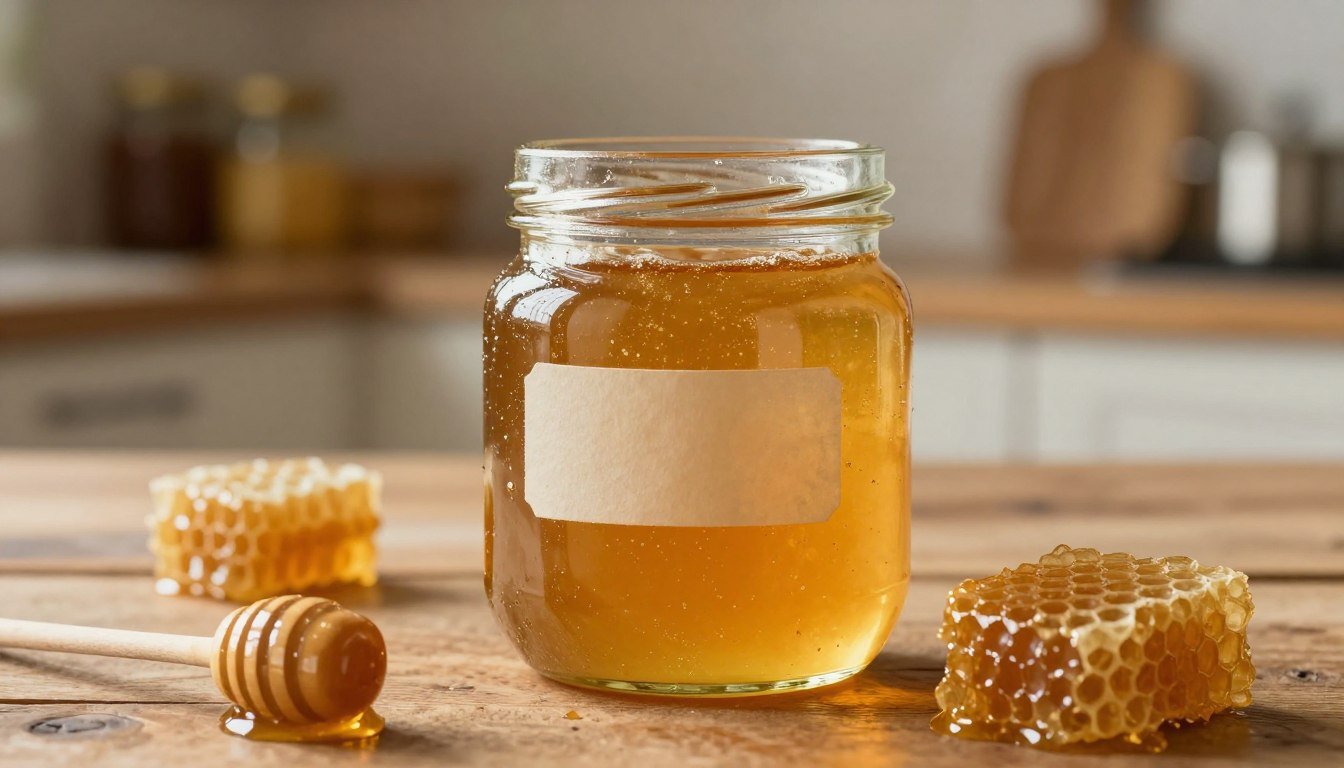
The research on honey and cholesterol is genuinely contradictory rather than settled in either direction. Some individual studies have found honey modestly improves cholesterol markers, but a larger, more recent meta-analysis of 23 controlled trials found no significant effect on total cholesterol, LDL, HDL, or triglycerides at all. This is one of the more honestly uncertain honey health claims covered on this site.
What the Positive Studies Found
Several individual studies have reported genuinely positive results: research on healthy young subjects consuming about 70 grams of honey daily for four weeks found decreases in total cholesterol, triglycerides, and LDL cholesterol compared to a control group, and other research has found honey improving HDL cholesterol alongside these reductions. These aren’t fabricated or cherry-picked findings; they’re real published results from actual controlled studies.
Why a Larger Meta-Analysis Contradicts Them
A systematic review and meta-analysis pooling data across 23 separate controlled clinical trials, generally considered a more reliable form of evidence than any single study since it aggregates a much larger combined sample, found no significant effect of honey on total cholesterol, triglycerides, LDL cholesterol, HDL cholesterol, or the LDL-to-HDL ratio. This is exactly the kind of research disagreement that responsible health reporting should present honestly rather than picking whichever individual study happens to support the more exciting or marketable headline.
A Specific Caution for Type 2 Diabetes

One study specifically examining honey’s effect in type 2 diabetes patients found a plausible adverse effect on LDL cholesterol at a 50 gram daily dose, with honey failing to reduce LDL to the same extent as the control condition, a finding some researchers have linked to honey’s fructose content and its known metabolic effects in that specific population. This doesn’t mean honey definitively harms cholesterol in diabetics, but it’s a genuine, specific research signal worth discussing with a healthcare provider rather than assuming general population findings apply equally to type 2 diabetes.
Why the Research Is So Genuinely Mixed
Differences in honey dose (studies have used amounts ranging considerably), honey variety and composition, study duration, and whether participants had normal or already-elevated cholesterol to begin with likely all contribute to why individual studies reach such different conclusions. This kind of research inconsistency is actually common across nutrition science generally, where a single dietary component’s effects can vary meaningfully based on baseline health status and exact study conditions, not unique to honey specifically.
One Consistent Finding: Honey vs. Sucrose
A more consistent thread across the research involves honey compared specifically to sucrose (table sugar) rather than to a no-sugar control: studies directly comparing the two have found honey performing somewhat more favorably across several cardiovascular risk markers, including blood glucose, cholesterol, triglycerides, inflammatory markers like CRP, and body weight. This head-to-head comparison against sugar specifically, rather than against a sugar-free baseline, is where honey’s relative advantage looks most consistent across the available research.
The Practical, Honest Takeaway
Given the genuinely mixed evidence, honey shouldn’t be marketed or understood as a proven cholesterol-lowering food, but choosing honey over table sugar specifically, where a sweetener choice is being made anyway, has somewhat more consistent supportive research behind it than either “honey improves cholesterol” or “honey worsens cholesterol” as standalone claims. Anyone with diagnosed high cholesterol or existing cardiovascular risk factors should rely on established, evidence-based dietary and medical guidance from their doctor rather than honey specifically as a management strategy.
Does the Amount of Honey Matter?
Studies finding favorable cholesterol results have generally used relatively high daily doses, often around 70 to 75 grams, roughly four to five tablespoons, a meaningfully larger amount than most people would casually eat as part of normal daily eating habits. This dose consideration matters practically: even if a genuine benefit exists at these higher intake levels, it comes paired with the added sugar and calorie load that amount of honey represents, a trade-off worth weighing rather than assuming more honey is automatically better for cholesterol specifically.
Does Honey Variety Affect Cholesterol Findings?
The available research generally hasn’t isolated specific honey varieties as a distinguishing factor in cholesterol outcomes, meaning the mixed findings discussed throughout this article apply to honey broadly rather than pointing toward one particular variety as more or less effective. This is a genuine research gap; future studies comparing specific varieties head to head could help explain some of the inconsistency in results, but that comparison hasn’t been rigorously done yet.
Raw vs. Processed Honey for This Question
Similarly, most cholesterol research on honey hasn’t specifically distinguished raw from commercially processed honey as a separate variable, so there’s no evidence basis for assuming one type would perform differently than the other for this particular health question. Raw honey’s other distinct qualities remain relevant to other topics covered on this site, just not to this specific, still-unsettled research question.
A Note on Calories and Weight
Any potential cholesterol benefit from honey needs to be weighed against its real caloric contribution, since the higher doses used in favorable studies add meaningful calories that could offset cardiovascular benefits if they contribute to weight gain over time without corresponding adjustments elsewhere in the diet. This is a standard nutrition-science consideration that applies to nearly any single “superfood” claim, not something unique to honey, but worth remembering here specifically.
A Beekeeper’s Honest Perspective
As with several other honey health claims covered on this site, it’s worth being direct: this is genuinely one of the murkier, less settled honey research areas, and a credible beekeeping resource shouldn’t pretend more certainty exists than the actual studies show, however appealing a confident “honey lowers cholesterol” headline might be for engagement or sales. Presenting real research disagreement honestly, rather than resolving it artificially in honey’s favor, is exactly the kind of EEAT-honest approach this site has tried to maintain across every health topic in this cluster.
How This Relates to Honey and Blood Pressure
Cholesterol and blood pressure are both cardiovascular risk factors sometimes studied together in the same research, and readers interested in this topic may also want to see our separate guide to honey and blood pressure, which examines a related but distinct body of evidence with its own separate findings and conclusions. Treating these as two separate research questions, rather than assuming a finding about one automatically applies to the other, reflects better scientific practice.
Other Factors That Matter More for Heart Health
Established, well-researched cardiovascular risk factors like overall diet pattern, physical activity, smoking status, and existing medical conditions carry far more weight in actual heart health outcomes than any single food’s uncertain effect on cholesterol markers, honey included. Anyone genuinely focused on cardiovascular health is better served prioritizing these well-established factors than searching for a single dietary addition, however popular the idea, to meaningfully move the needle on its own.
A Note on Study Quality and Funding
Nutrition research on a single natural food like honey often involves smaller study sizes and shorter durations than pharmaceutical research, and some individual honey studies have been criticized in the broader literature for limitations like small sample sizes or short follow-up periods that make definitive conclusions harder to draw from any one study alone. This is part of why the larger meta-analysis pooling 23 trials carries more weight than any single favorable or unfavorable study, since aggregating data helps smooth out the noise inherent in smaller individual studies.
A Note for Readers on Cholesterol Medication
Anyone currently taking cholesterol-lowering medication should not adjust their treatment based on honey consumption or discontinue prescribed medication in favor of dietary changes without direct guidance from their prescribing physician, given how genuinely unsettled the actual research on honey and cholesterol remains. This article is informational and general in nature, not personalized medical advice for managing an existing cholesterol condition.
What Would Actually Settle This Question
A large, well-designed, long-duration randomized controlled trial specifically comparing honey against both a sugar control and a no-added-sugar control, ideally tracking actual cardiovascular outcomes rather than just intermediate lipid markers, would go a long way toward resolving the current disagreement between individual studies and the larger meta-analysis. Until that kind of definitive research exists, the honest, responsible position remains the more modest one this article has taken throughout: real uncertainty, not a settled answer in either direction.
A Note on Honey-Based Cholesterol Supplements
Consumer supplements or products marketed specifically as honey-based cholesterol solutions, sometimes combined with cinnamon or other ingredients under bold marketing claims, generally aren’t held to the same evidence standards as the actual peer-reviewed research discussed throughout this article, and their specific formulations haven’t necessarily been tested in the controlled studies referenced here. Treating any such product’s marketing claims with the same healthy skepticism applied to plain honey itself is a reasonable, evidence-based approach. Reading past the headline claim on any product label to check whether it cites a specific study, and whether that study’s conditions actually match how the product is meant to be used, is a small habit that goes a long way toward avoiding disappointment with supplements that oversell what the underlying research genuinely supports. This kind of careful label-reading matters more in nutrition and wellness marketing than in most other product categories, precisely because health claims tend to generate strong purchase motivation even when the underlying evidence is thin, mixed, or drawn from a single small study never intended to support a broad consumer marketing claim in the first place. A genuinely useful rule of thumb: if a health claim sounds simple, dramatic, and universally applicable, it is worth checking against the actual underlying research before acting on it, since real biology and real clinical evidence are almost always messier and more conditional than any single confident, catchy marketing headline could ever hope to accurately capture at a first, quick glance. Slowing down long enough to actually check the original source is rarely, if ever, wasted effort at all.
Common Mistakes
Citing a single favorable study as proof that honey lowers cholesterol ignores the larger, more reliable meta-analysis finding no significant overall effect. Assuming honey is equally cholesterol-neutral for everyone overlooks the specific adverse LDL signal found in type 2 diabetes patients in at least one study. Treating honey as a cholesterol-management strategy in place of established medical treatment for diagnosed high cholesterol substitutes an unsettled research area for actual evidence-based care.
Sources
Findings reflect published clinical research including a systematic review and meta-analysis of 23 controlled trials on honey and lipid profiles, along with individual studies on honey’s effects in healthy adults and type 2 diabetes patients. For further verification, see a peer-reviewed evidence review of honey’s cardioprotective effects.
FAQ
Does honey lower cholesterol?
The research is genuinely mixed. Some individual studies found honey improves cholesterol markers, but a larger meta-analysis of 23 trials found no significant overall effect on total cholesterol, LDL, HDL, or triglycerides.
Is honey bad for cholesterol in people with diabetes?
One study found a possible adverse effect on LDL cholesterol in type 2 diabetes patients at a 50 gram daily dose, though this isn’t a settled, universal finding. Anyone with diabetes should discuss honey with their doctor.
Is honey better than sugar for cholesterol?
This comparison shows more consistent results than honey-alone studies – honey compared directly against table sugar tends to perform somewhat more favorably across several cardiovascular risk markers, including cholesterol.
Should I eat honey to manage high cholesterol?
No – honey shouldn’t replace established medical treatment for diagnosed high cholesterol given how genuinely mixed the research is. Rely on evidence-based guidance from your doctor instead.