Last Updated September 15, 2026
The single biggest predictor of whether your neighbors will be fine with your bees is whether you tell them before you get them. A hive that just appears one day, discovered only after bees start showing up in a neighbor’s yard, reads as something being deliberately hidden, whether or not that was ever the actual intention behind the timing. The same hive, introduced with a conversation a month or two beforehand, reads as a considerate neighbor being upfront about a minor change. The bees themselves are identical either way — the outcome depends almost entirely on the conversation that does or doesn’t happen first, which makes this one of the highest-leverage, lowest-cost steps in the entire process of becoming a backyard beekeeper.
This guide covers when to have that conversation, exactly what to say, how to address the concerns that come up most often, and the small gestures that turn a neutral neighbor into a genuinely supportive one. None of this requires a script memorized word for word – the underlying principle is simply being upfront, specific, and considerate, which goes further than most beekeepers initially expect, especially compared to how much anxiety a beekeeper might carry into the conversation beforehand.
Key Takeaways
- Talk to your neighbors a month or two before installing bees, not after — this gives nervous neighbors time to voice concerns and gives you time to respond thoughtfully.
- Honey bees forage across a roughly 3-mile radius, meaning the vast majority of their activity happens nowhere near your neighbor’s yard specifically.
- Legally, honey bees and beekeeping are not automatically a nuisance — they only become one if a beekeeper fails to manage them properly, per Oregon State University Extension’s residential beekeeping guidelines.
- Directly asking about allergy concerns, rather than waiting for a neighbor to bring it up, shows genuine consideration and often defuses anxiety before it builds.
- Small goodwill gestures — honey gifts, a heads-up system for pesticide spraying, an invitation to watch an inspection — do more for neighbor relations than any amount of technical reassurance alone.
Table of Contents
- Why Timing Matters More Than Almost Anything Else
- What to Actually Say
- The Foraging Radius Fact Worth Sharing
- Addressing the Allergy Question Directly
- Honey Bees Aren’t the Wasps Your Neighbor Is Picturing
- Flyway Barriers: The Practical Fix for a Nervous Neighbor
- Common Concerns and How to Address Them
- Setting Up a Pesticide Heads-Up Arrangement
- Goodwill Gestures That Actually Work
- If a Neighbor Is Still Hesitant
- Frequently Asked Questions
Why Timing Matters More Than Almost Anything Else
Setting up hives a month or two before actually installing bees gives you a real, unhurried window to have this conversation before there’s anything visible for a neighbor to react to just yet. That gap matters: a neighbor who learns about bees from an empty hive box sitting in the yard and a friendly, unhurried conversation has real time to ask questions and gradually get comfortable with the idea, while a neighbor who first notices bees after they’re already established tends to feel like the decision was made without them — even when nothing was technically hidden. That feeling of being left out of a decision that affects their own yard is often the actual, underlying source of tension, far more so than any specific, concrete fear of the bees themselves.
A residential beekeeping best-practice guide from Oregon State University Extension Service — co-authored by Andony Melathopoulos, Ralph Rodia, Jennifer Larsen, and Ramesh Sagili, and reviewed as recently as 2026 — puts the legal reality plainly:
“Honey bees and beekeeping are not legally a nuisance but can become a nuisance if a person fails to manage their honey bees properly.”
The same guide notes that a single backyard colony provides pollination benefits to properties up to two miles away — a genuinely useful fact to mention if a neighbor frames the hive as something that only benefits you.
What to Actually Say
A good version of this conversation covers a few things directly: why you personally want to keep bees, what genuine benefit it brings to nearby gardens and the broader local environment, and a clear, honest acknowledgment that you understand bees can feel unfamiliar or genuinely intimidating to someone who has never spent time around an active hive before. Beekeeping communication guidance from experienced beekeepers consistently emphasizes leading with reassurance rather than technical detail early in the conversation — most neighbors care far more about “will this affect me” than about hive box dimensions or frame counts. Leading with the practical, personal impact – or lack of one – tends to land better than an enthusiastic explanation of why beekeeping itself is rewarding, which is a conversation for later once basic comfort has been established.
The Foraging Radius Fact Worth Sharing
One genuinely useful, concrete fact worth sharing directly early on: honey bees typically forage across an area roughly 3 miles in radius from the hive, which works out to thousands of acres of surrounding territory that a single small backyard colony draws from. In practical terms, this means the bees from your hive are spending the overwhelming majority of their time nowhere near your neighbor’s yard specifically — they’re spread across a huge surrounding area encompassing thousands of acres, not concentrated on the nearest fence line the way a worried neighbor might initially picture. This single fact tends to do more to ease a worried neighbor’s mind than almost anything else, since it reframes the hive from “bees will be constantly swarming my yard” to “a few foragers might pass through occasionally, same as any other pollinator that’s probably already visiting their flowers regardless of your hive.” Once that mental shift happens, most of the remaining conversation becomes much easier.
Addressing the Allergy Question Directly
Rather than waiting for a neighbor to bring up allergy concerns entirely on their own, asking directly tends to go over noticeably better: something as simple as “do you or anyone in your household have a bee sting allergy I should know about?” signals genuine consideration rather than defensiveness or an unwillingness to engage with the topic. If a neighbor does mention a known allergy, acknowledging it seriously and explaining the specific steps you’ll take — thoughtful hive placement, a proper flyway barrier, and generally attentive colony management — goes much further than simply insisting everything will be fine without any concrete specifics to back that reassurance up.
Honey Bees Aren’t the Wasps Your Neighbor Is Picturing
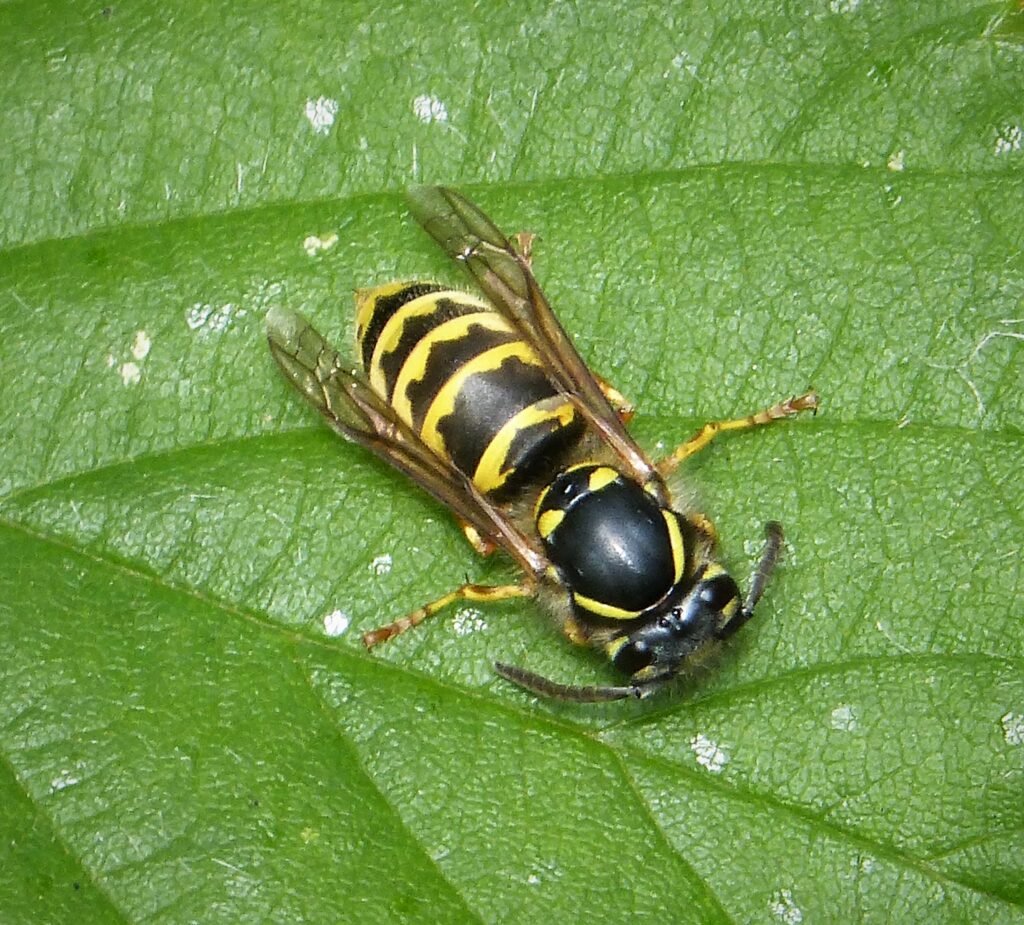
A surprisingly large share of neighbor anxiety about “bees” is really anxiety about a past bad experience with wasps, yellow jackets, or hornets, which behave quite differently from honey bees despite the general public often lumping every stinging insect into one broad category. Bees and wasps differ in meaningful, easy-to-explain ways: honey bees are generally docile while out foraging on flowers and sting only to defend the hive itself, while wasps and yellow jackets tend to be more territorial around their own nests and quicker to sting without the same level of provocation a honey bee would generally need first. Honey bees also die shortly after stinging a mammal, since their barbed stinger tears loose and stays behind — a biological fact that, once explained, helps some neighbors understand why honey bees are genuinely more reluctant to sting than the wasps they may be picturing when they first hear the word “bees.”
Flyway Barriers: The Practical Fix for a Nervous Neighbor
Beyond the conversation itself, a flyway barrier is the single most concrete physical step that backs up your reassurances with something a neighbor can actually see. Because bees naturally fly in a fairly straight line from the hive entrance toward their foraging grounds, placing a solid fence, dense hedge, or wall roughly 6 feet tall directly in front of the entrance forces departing and returning bees to angle sharply upward, well above head height, before they ever cross into a neighbor’s line of sight or airspace. Many municipal beekeeping ordinances codify a version of this — Green Bay, Wisconsin’s, for example, specifies a flyway barrier of at least 6 feet in height, positioned within 5 feet of the hive and extending at least 2 feet beyond each side of it — and even where it isn’t legally required, it’s worth doing anyway, since a visible barrier does real, tangible work to reassure a nervous neighbor in a way that words alone can’t.
Common Concerns and How to Address Them
| Neighbor’s Concern | What’s Actually True | How to Address It |
|---|---|---|
| “Bees will swarm my yard” | Foragers range roughly 3 miles; your yard is a tiny fraction of their territory | Share the foraging-radius fact directly |
| “I/my kid is allergic” | A real, serious concern worth taking seriously | Ask directly, explain placement and barrier plans |
| “Bees are aggressive” | Usually confused with wasps/yellow jackets, which behave differently | Explain the bees-vs-wasps distinction |
| “They’ll fly right at me” | Flight path starts at the hive entrance, not random | Install a 6 ft flyway barrier or hedge |
| “I wasn’t consulted” | The real issue is often timing, not the bees themselves | Have the conversation 1–2 months before installing bees |
Setting Up a Pesticide Heads-Up Arrangement
A practical, low-friction request worth making early in the conversation: ask neighbors for a simple 24-hour heads-up if they’re planning to spray pesticides or have a routine pest control service visit, which gives you enough time to close up your hives for the day and protect your colony from unintended chemical exposure. This kind of small, simple arrangement genuinely benefits both sides — your bees stay safer, and your neighbor gets a small, easy, genuinely useful way to actively support your hobby rather than just passively tolerating it from a distance. It also opens a natural, ongoing line of communication that makes any future conversation about the hive noticeably easier, since you’ve already established early on that talking openly to each other about it is normal, welcome, and expected on both sides.
Goodwill Gestures That Actually Work
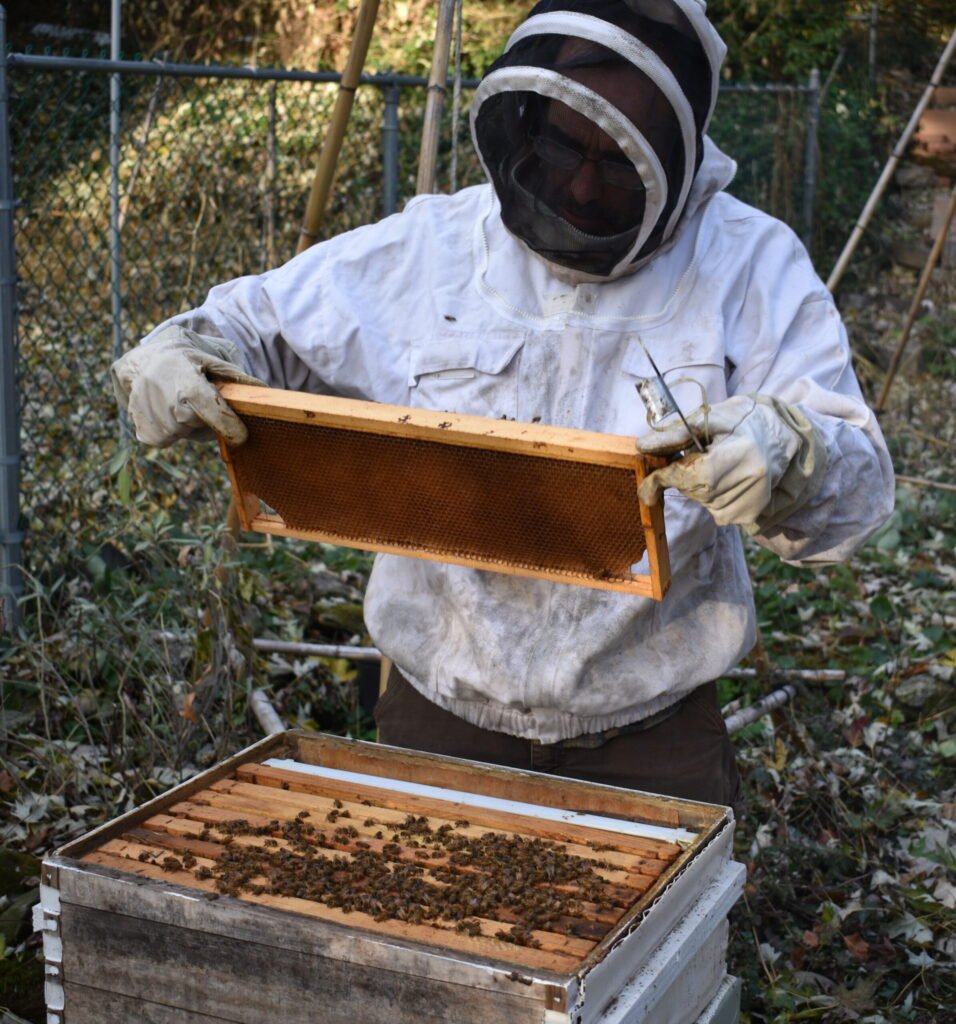
A single jar of fresh honey delivered to immediate neighbors, especially around your very first harvest, is a small gesture that does a genuinely disproportionate amount of relationship-building — it turns an abstract, slightly unfamiliar hive into something tangible and genuinely positive for people who might otherwise only think about the bees when one happens to show up uninvited in their own yard. Homemade, local honey also tends to taste noticeably different, richer, and more complex than anything sold pre-packaged in a grocery store, which gives neighbors a real, memorable, positive reason to associate your hive with something genuinely good rather than something to quietly worry about in the background. Inviting a curious or nervous neighbor to watch a hive inspection from a safe, comfortable distance, fully suited up yourself and with absolutely nothing expected of them in return, can also do more to ease anxiety than any conversation alone ever could, since seeing a calm, well-managed hive in person, with bees going about their business unbothered by a nearby observer, tends to be far more convincing than any verbal description of one could ever be.

If a Neighbor Is Still Hesitant
Some neighbors will remain genuinely uneasy no matter how thoughtful and well-prepared the conversation is, and that outcome is worth accepting gracefully rather than pushing back against repeatedly. Continuing to be a genuinely considerate and responsive neighbor over the following months and years — following through on the pesticide heads-up arrangement, keeping hives well-maintained and free of overgrown vegetation nearby, and addressing any actual concerns that come up promptly rather than dismissing them — tends to build trust gradually even when an initial conversation doesn’t fully resolve someone’s discomfort. If local ordinance and HOA rules are genuinely on your side, remember that you’re not obligated to secure everyone’s enthusiastic approval before proceeding – just their basic, reasonable tolerance, and consistent, considerate behavior over months tends to earn that even from an initially reluctant neighbor. It’s also worth remembering that some hesitation is a perfectly reasonable first reaction to an unfamiliar idea, not necessarily a sign of lasting opposition – many experienced beekeepers report that an initially skeptical neighbor became genuinely curious over time, and occasionally even asked for their own honey jar, all within a single beekeeping season.
Frequently Asked Questions
When should I tell my neighbors I’m getting bees?
Ideally a month or two before you actually install bees, giving them time to ask questions and get comfortable before there’s anything happening yet.
How far do honey bees actually travel from the hive?
Honey bees typically forage across a radius of roughly 3 miles, meaning most of their activity happens across a wide surrounding area rather than concentrated near any one neighboring yard.
Are honey bees legally considered a nuisance?
Not automatically. Oregon State University Extension’s guidelines note that honey bees and beekeeping only become a legal nuisance if a beekeeper fails to manage them properly — good management practices are what keep it that way.
What if my neighbor has a bee sting allergy?
Ask directly rather than waiting for them to bring it up, acknowledge the concern seriously, and explain the specific placement and management steps you’ll take to reduce risk.
Are honey bees as aggressive as wasps?
No. Honey bees are generally docile while foraging and sting only to defend the hive, while wasps and yellow jackets tend to be more territorial and quicker to sting.
What is a flyway barrier and do I need one?
A fence, hedge, or wall roughly 6 feet tall placed in front of the hive entrance that forces bees to fly up and over head height. Many municipal ordinances require one, and it’s worth installing even where it isn’t required.
What’s a simple way to build goodwill with neighbors about my bees?
A jar of honey at harvest time and a standing arrangement for a 24-hour pesticide-spraying heads-up are both small, low-effort gestures that go a long way.