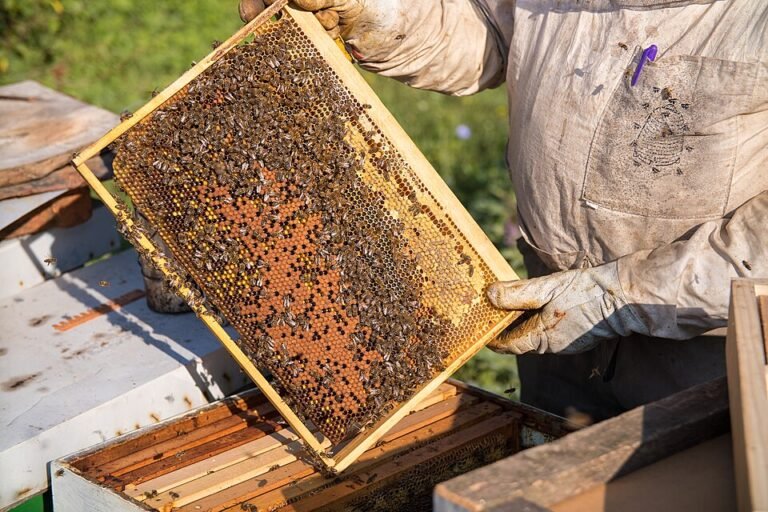
Cottage Food Laws and Selling Your Own Honey Legally: A Beekeeper’s Guide
Selling honey from home is legal everywhere, but the rules depend on how your state classifies it — here's what actually governs it, state by state.

Bees raise legal and money questions that most beekeeping books skip: whether a homeowners policy covers a stolen hive or a stung neighbor, how to structure a honey side business, what happens to colonies in a divorce, whether hives qualify land for an agricultural tax exemption, and how to fight a fine from a homeowners association. The guides here take each in turn, with practical steps.
A few points come up repeatedly. Standard homeowners insurance usually treats hive boxes as personal property but often excludes the bees themselves, and liability for a sting only applies if you were negligent. Even a paid claim can lead an insurer to decline renewal, so a small loss is sometimes better absorbed than filed. Once honey is sold with any regularity, homeowners coverage tends to stop applying and a business or farm liability policy is needed, which is also when the LLC question becomes real. If your bees live on someone else’s land, put the arrangement in writing, including who is liable for stings and how either side ends it.
None of this replaces advice from a professional who knows your state, but it tells you which questions to ask.
Start here:
Selling honey from home is legal everywhere, but the rules depend on how your state classifies it — here's what actually governs it, state by state.
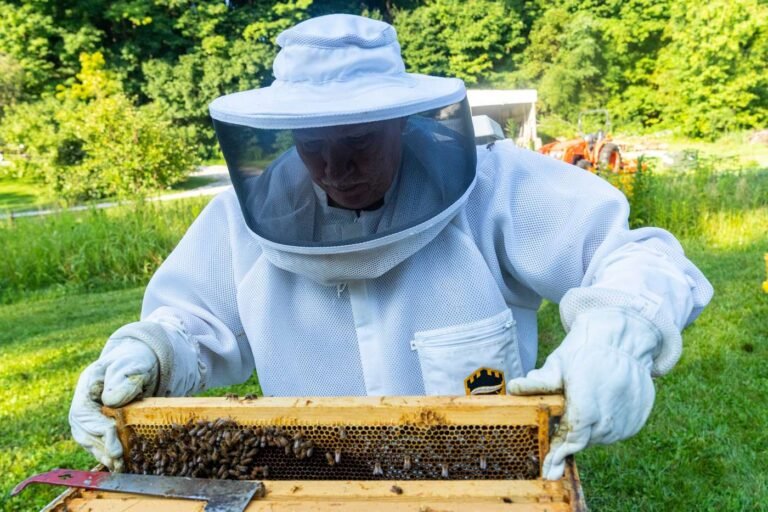
EQIP is USDA's main cost-share program for pollinator habitat work - here's what it actually reimburses, who qualifies, and how beekeepers apply through their local NRCS office.
Donating beehives and equipment to a school, 4-H program, or beekeeping nonprofit is a genuinely good way to downsize an operation while helping the next generation of beekeepers get started…
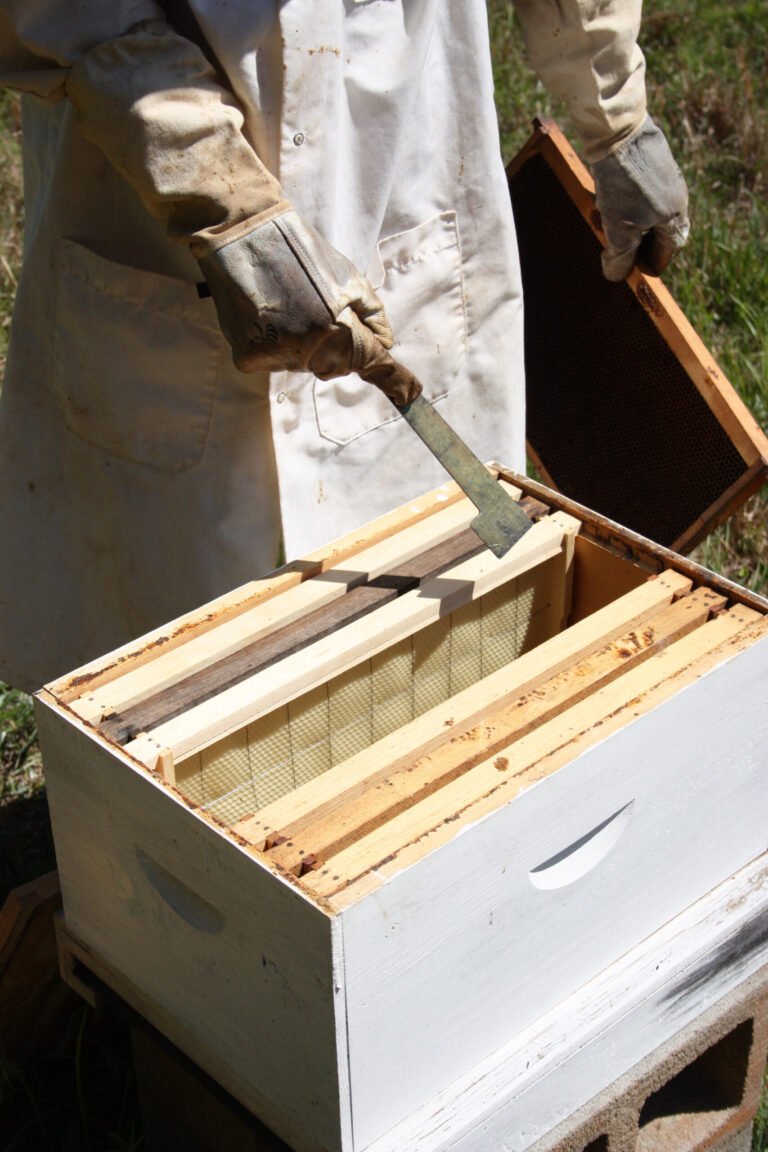
Keeping bees while receiving Social Security disability benefits is generally fine — beekeeping itself isn’t restricted, and neither program bars beneficiaries from having hobbies. Where it gets genuinely complicated is…
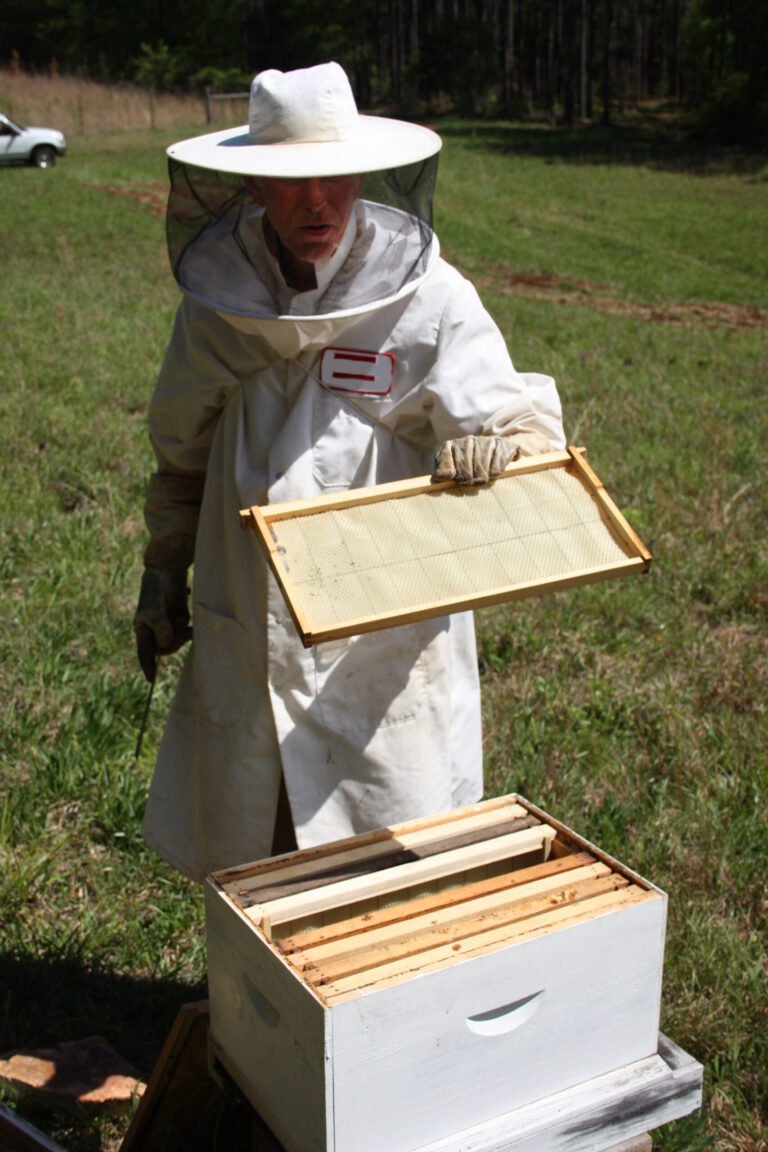
Beehives are property, and like any other jointly acquired asset, they can end up on the table in a divorce — but they’re an unusually awkward kind of property to…
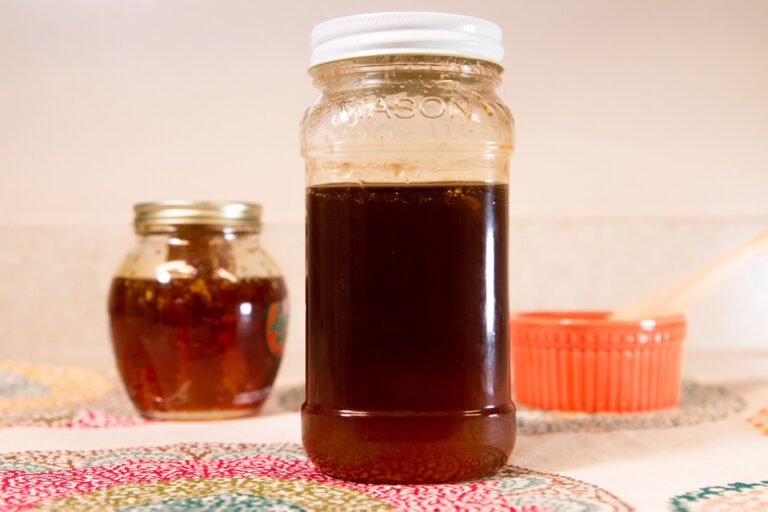
Most beekeepers selling honey out of a garage or a farmers market table don’t need an LLC — but the point at which that changes is earlier than most people…
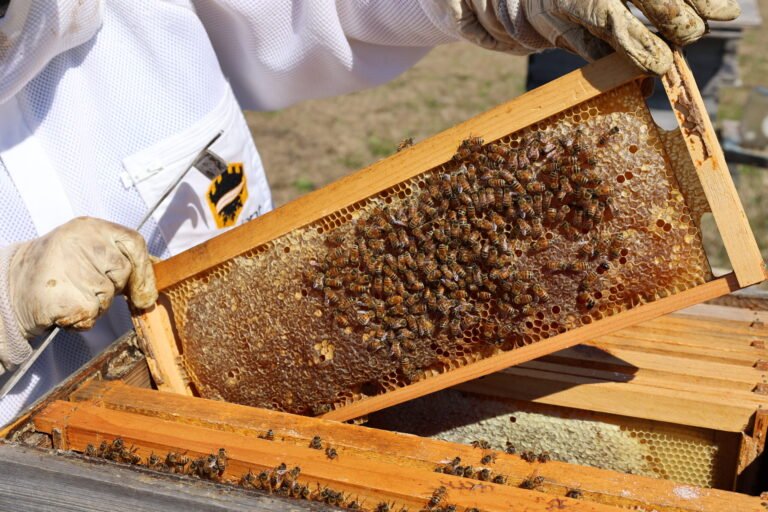
If your own property can’t support the hive count you want, renting or borrowing someone else’s land — a “host-a-hive” arrangement — is one of the most practical ways to…
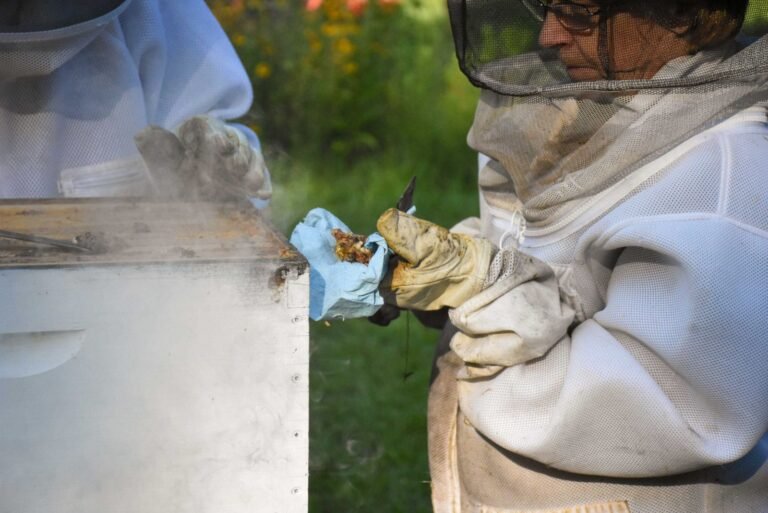
Nearly every U.S. state includes beekeeping as a qualifying agricultural activity for property tax purposes — but “qualifying” doesn’t mean “automatic,” and the actual requirements vary dramatically from state to…

A beekeeping HOA fine often isn’t really about a specific rule against bees at all — it’s frequently a general “nuisance” or “insects” clause being stretched to cover something the…
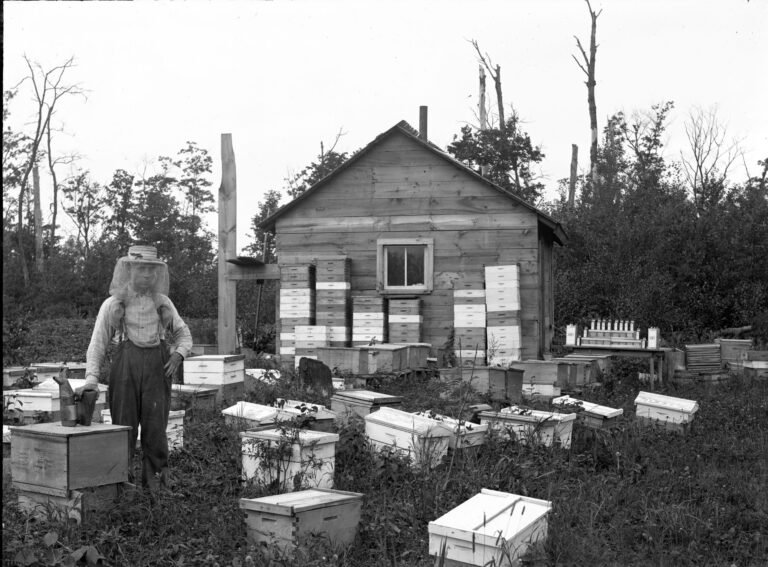
For centuries, beekeeping families across Europe and parts of the United States followed a custom called “telling the bees” — informing the hive directly when its keeper died, out of…
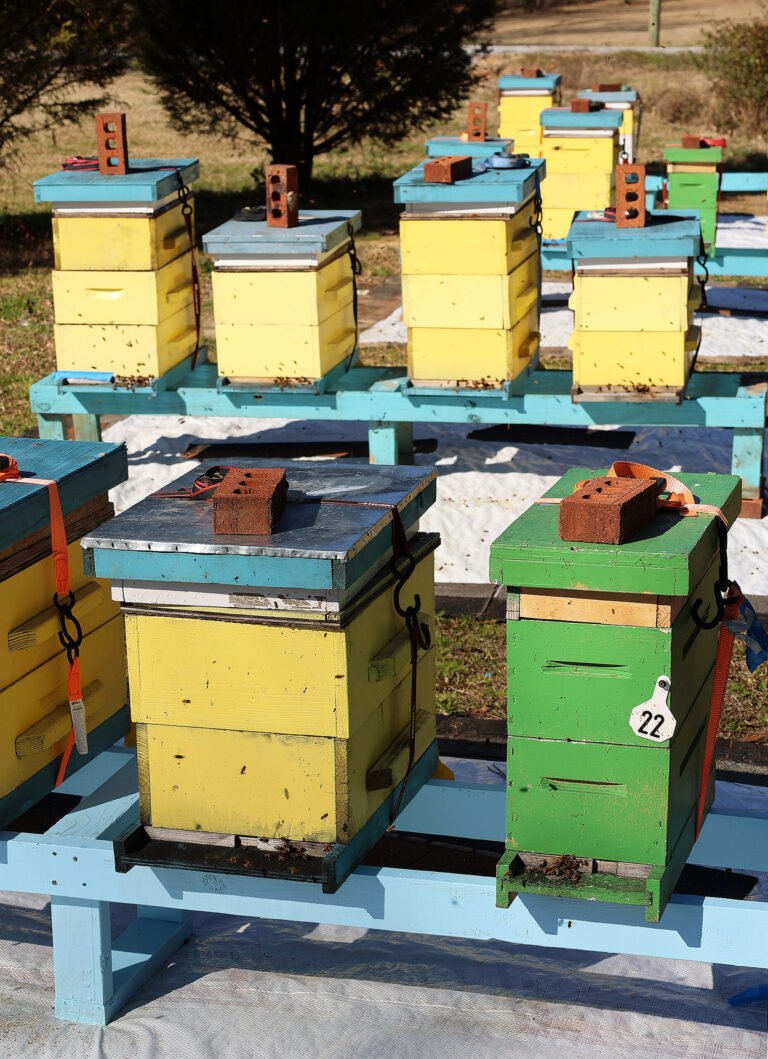
Selling a house with an active beehive raises a legal question most real estate guides never address: does the hive even count as part of the property you’re selling? Under…
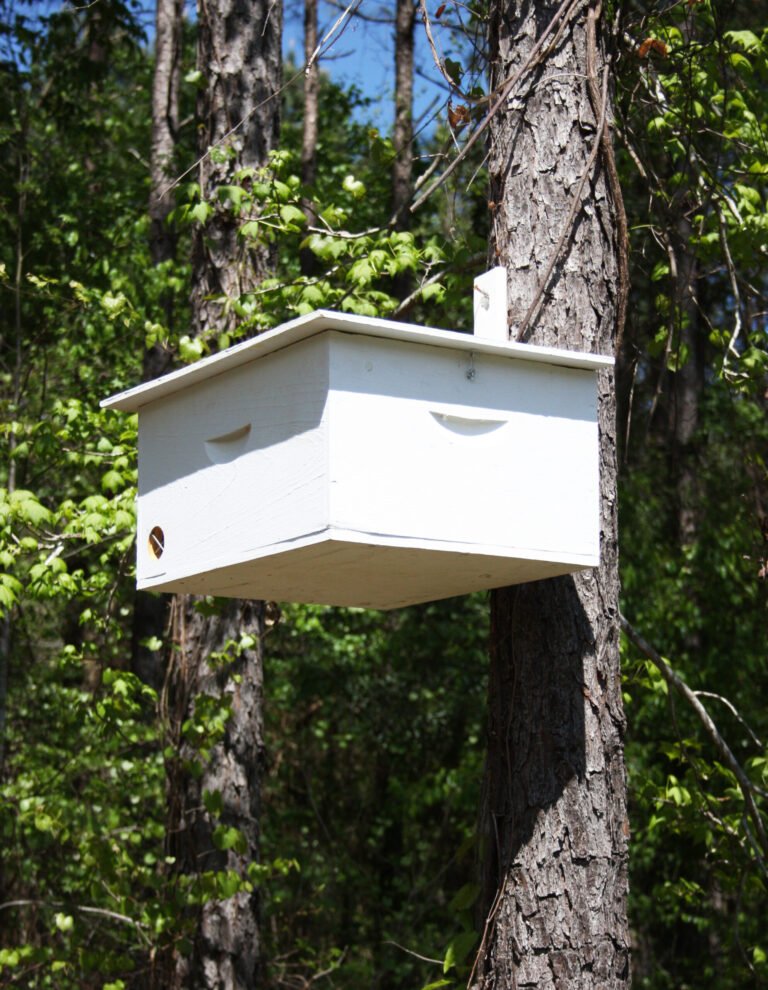
Standard homeowners insurance was never built with beehives in mind, and the coverage gap this creates catches a lot of beekeepers off guard. In most cases, the hive boxes and…
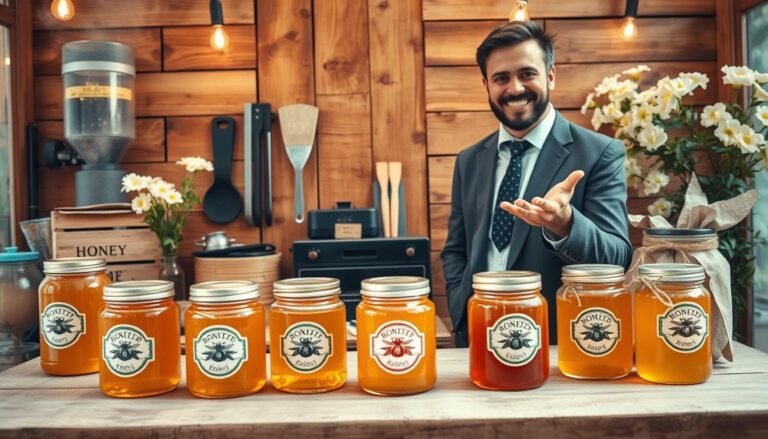
Get started with selling honey legally. Our beginner's guide covers the necessary laws, licenses, and best practices for beekeepers.
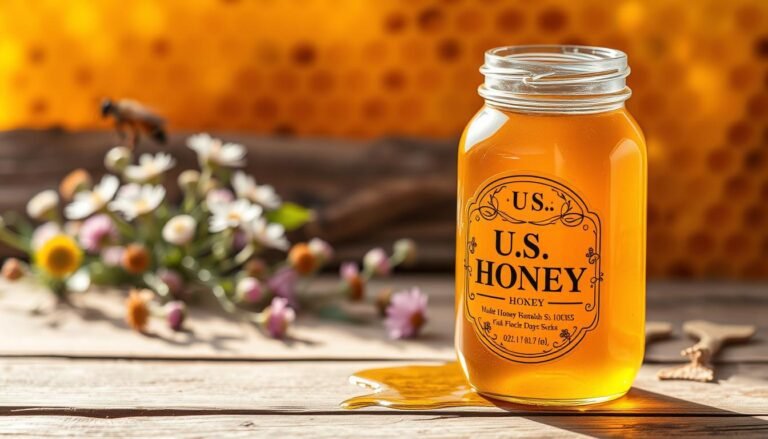
Learn about the U.S. honey labeling requirements and how to apply them to your honey products. Stay up-to-date with the latest U.S. honey labeling regulations.
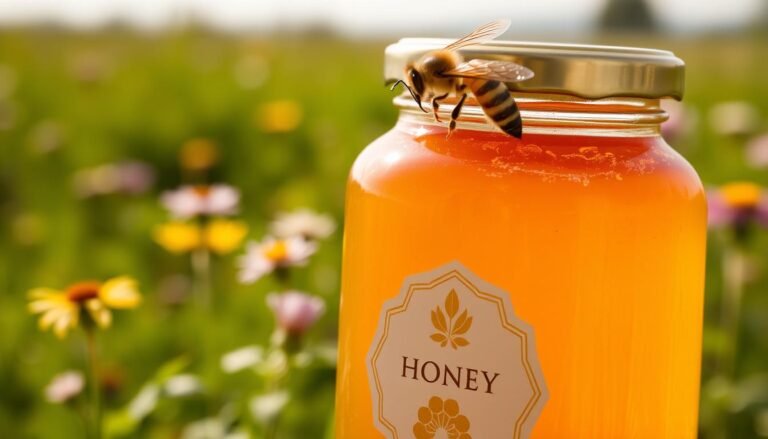
Understand the role of ethical standards for honey labeling in ensuring quality and authenticity. Get expert insights in our buyer's guide

Insurance considerations for beekeepers: Key factors to consider for comprehensive coverage. Ensure your apiary's future.

A honey label has to answer specific legal questions about origin, purity, and blending. Here is what actually has to be on the jar.

Honey production regulations differ sharply by jurisdiction. Here is what U.S. and EU producers actually need to comply with before selling a jar.