Last Updated September 15, 2026
Selling a house with an active beehive raises a legal question most real estate guides never address: does the hive even count as part of the property you’re selling? Under the same fixture rules that apply to a swing set or a portable shed, a freestanding hive box is generally treated as personal property, not a fixture — meaning it doesn’t automatically convey to the buyer unless your purchase contract says otherwise. Layered on top of that is the separate question of disclosure: while a well-managed, compliant hive usually isn’t a “material defect” the way a cracked foundation is, any history of stings, complaints, or zoning issues tied to it likely is, and most states expect you to disclose known material facts about the property either way.
This guide covers whether a beehive counts as a fixture or personal property in a home sale, what you actually need to disclose to a buyer, how state apiary registration interacts with a change of ownership, and what both sellers and buyers should confirm before closing. None of this is standard territory for most real estate agents, so a beekeeping seller or buyer is often better served reading up on the specifics themselves rather than assuming their agent has handled this exact situation before.
Key Takeaways
- A beehive is generally personal property, not a fixture, so it doesn’t automatically convey with the house unless the purchase contract explicitly says it does.
- A compliant, well-managed hive usually isn’t a “material defect” requiring disclosure, but stings, neighbor complaints, or zoning violations tied to it typically are.
- The National Association of Realtors defines material defects as elements that may negatively impact a home’s value — a standard that can apply to an out-of-compliance or disputed hive even though beehives aren’t named specifically.
- State apiary registration is tied to the beekeeper, not the property, so a new owner generally needs to register the hive themselves after closing.
- Explicitly listing the hive as included or excluded in the purchase contract avoids the most common last-minute closing dispute over who actually owns it.
Table of Contents
- Is a Beehive a Fixture or Personal Property?
- What Sellers Actually Need to Disclose
- What Counts as a Material Fact for a Beehive
- Fixture vs. Personal Property: Quick Test
- State Apiary Registration Doesn’t Transfer With the Sale
- HOA Approval Doesn’t Automatically Transfer Either
- Moving Bees Across State Lines After a Purchase
- Writing the Hive Into (or Out of) the Contract
- A Buyer’s Pre-Closing Checklist
- Frequently Asked Questions
Is a Beehive a Fixture or Personal Property?
Real estate law draws a clear line between fixtures, which stay with the house, and personal property, which doesn’t, unless a contract says otherwise. The standard legal test looks at how something is attached (does removing it require tools?), whether it was custom-built for the space, and whether the person who installed it intended it to be permanent. A standard Langstroth or top-bar hive sitting freestanding in a backyard fails that test on nearly every count — it’s not bolted, nailed, or glued to anything, and it can be picked up and moved without damaging the property. That makes a hive personal property by default, in the same legal category as a portable fire pit or a swing set, not a built-in feature like a fence or a shed with a poured foundation. The practical consequence: unless your purchase contract explicitly states the hive is included, a seller is generally within their rights to take it with them when they move. This surprises some buyers who assumed an established, thriving colony would simply come with the property the way a mature tree or a paved driveway would, without realizing bees and their hive boxes don’t fall into that same legal category at all.
What Sellers Actually Need to Disclose
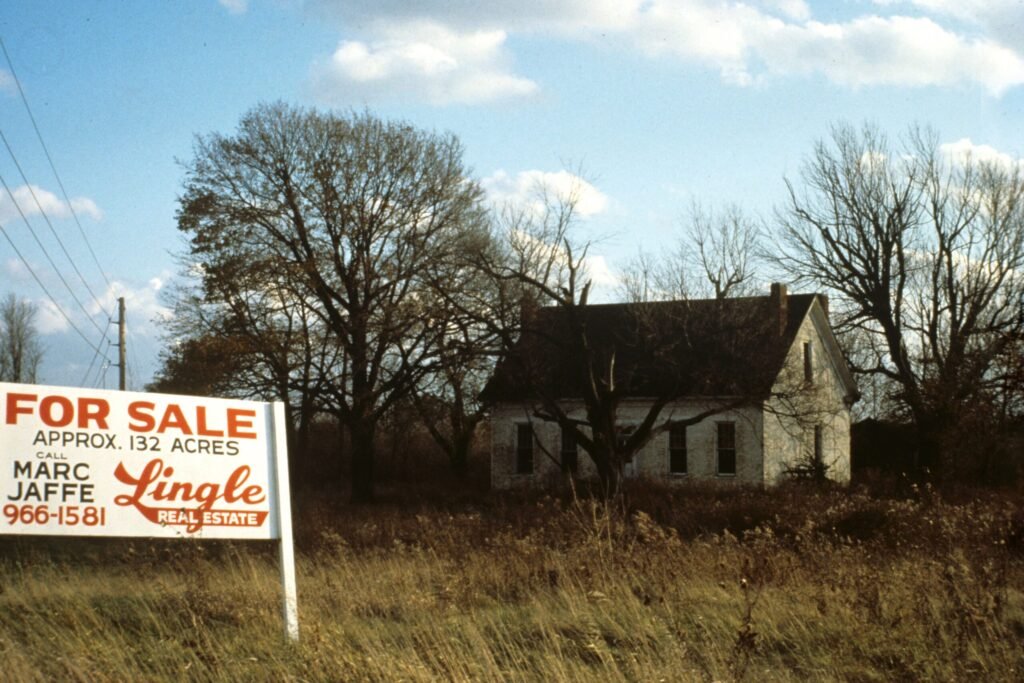
Most states require sellers to disclose known “material defects” or “material facts” about a property — information that would reasonably affect a buyer’s decision to purchase or the price they’d offer. The National Association of Realtors defines the standard plainly:
“Certain material defects — elements of a home that may negatively impact its value — that sellers must disclose to buyers in a legal document.”
That standard is general enough that it doesn’t name beehives specifically, but it clearly extends to one if something about it (a zoning violation, a documented sting incident, an unresolved HOA dispute) would reasonably change a buyer’s decision. Sellers generally aren’t required to go searching for problems they don’t already know about, but they are required to disclose what they do know, using a standard written disclosure form in many states. This creates a genuinely useful test for a beekeeping seller: ask whether a reasonable buyer would want to know this before making an offer, not just whether the hive itself is a “problem.” Applying that test honestly, before a buyer ever asks directly, tends to prevent the kind of after-the-fact dispute that can follow a seller who technically complied with a disclosure form but left out something a buyer would clearly have wanted to know.
What Counts as a Material Fact for a Beehive
An actively managed, disease-free hive that complies with local zoning isn’t inherently a defect any more than a vegetable garden or a chicken coop would be — some buyers may even see it as a selling point. What does typically rise to the level of a material fact worth disclosing: any documented history of stings or injuries on the property, any complaints filed by neighbors or code enforcement, whether the hive is currently in compliance with local zoning and setback rules, and whether the beekeeping activity was ever the subject of an HOA dispute. Our guide to getting HOA approval for beekeeping covers what that approval process typically involves, which is useful context for understanding what a buyer might need to redo after closing. A seller who can hand a buyer documentation of a clean compliance history — no complaints, a valid HOA exception on file, current state registration — makes the hive a much easier sell than one who can only offer a verbal assurance that everything has always been fine.
Fixture vs. Personal Property: Quick Test
| Test | Fixture (Stays With House) | Personal Property (Beehive) |
|---|---|---|
| Attachment | Bolted, nailed, or built into the structure | Freestanding, no tools needed to remove |
| Custom-built for the space | Yes, typically | No — a standard hive box design |
| Intent when installed | Meant to stay permanently | Movable at the owner’s discretion |
| Example | Built-in shed on a poured foundation | Portable fire pit, swing set, hive box |
| Transfers with sale by default? | Yes | No — only if the contract says so |
State Apiary Registration Doesn’t Transfer With the Sale
This is one of the more easily forgotten steps in the entire process, precisely because nothing about the physical hive setup changes when ownership of the house changes hands.
Many states require beekeepers to register their apiary with a state department of agriculture, and that registration is tied to the individual beekeeper, not the physical address. When a house with an existing hive changes hands, the new owner generally needs to register the apiary under their own name after closing, even if the hive’s physical location and setup don’t change at all. This is easy to overlook since nothing about the hive itself changes on moving day, but operating an unregistered apiary in a state that requires registration puts a new owner out of compliance from day one, regardless of how well the previous owner maintained their own registration. Our state-by-state regulations guide covers which states require this and how to check your own.
HOA Approval Doesn’t Automatically Transfer Either
If the previous owner secured a variance, exception, or specific approval from an HOA to keep bees despite a general restriction, that approval was typically granted to them personally or tied to the specific circumstances they presented, not automatically inherited by whoever buys the house next. A new owner moving into an HOA-governed property with an existing hive should treat the situation as needing fresh confirmation from the HOA board, not assume the prior approval carries over indefinitely. This is a detail worth raising directly with the seller’s HOA before closing rather than discovering it after the bees are already installed under new ownership.
Moving Bees Across State Lines After a Purchase
If a buyer is purchasing bees as part of a home sale and relocating them — for instance, taking over a hive but moving it to a different property across a state line — interstate movement rules can apply just as they would for any other bee purchase. New Jersey’s bee disease regulations, for example, require that any colony arriving from a state with an apiary inspection service be accompanied by a valid inspection certificate confirming the colony is free of infectious disease, with that inspection completed no more than 60 days before shipment. A buyer planning to relocate a purchased colony across state lines should treat that move the same way they would treat buying a new colony from an out-of-state seller, not as a simple extension of the real estate transaction.
Writing the Hive Into (or Out of) the Contract
A few sentences of explicit contract language cost nothing and remove an entire category of possible disagreement between two parties who otherwise have no reason to argue.
Because a hive defaults to personal property, the cleanest way to avoid a dispute is to address it explicitly in the purchase contract rather than leaving it to assumption. Sellers who want to take their bees should say so clearly in the listing and contract; sellers willing to leave an established colony behind as a selling point should include it explicitly, the same way a seller might include a swing set or storage shed as a negotiated inclusion. Buyers who want the hive included should ask for it in writing before signing, since verbal assurances during a walkthrough don’t carry the same weight as contract language once ambiguity turns into a dispute at closing.
A Buyer’s Pre-Closing Checklist
Before closing on a house with an existing hive, a buyer should confirm in writing: whether the hive and bees are included in the sale or will be removed, whether the seller’s state apiary registration will need to be replaced with the buyer’s own, whether current hive placement complies with local zoning and setback rules under the buyer’s intended use, and whether any HOA approval tied to the property needs to be re-confirmed or reapplied for. None of these questions are unusual to ask during a normal home inspection and negotiation period — they simply aren’t questions most standard disclosure forms are built to prompt automatically.
Frequently Asked Questions
Does a beehive automatically come with the house when I buy it?
No. A freestanding hive is generally treated as personal property, not a fixture, so it only transfers if the purchase contract explicitly says so.
Do I have to disclose that I have bees when selling my house?
A compliant, well-managed hive usually isn’t a material defect requiring disclosure, but any history of stings, complaints, or zoning issues tied to it typically is.
What legally counts as a “material fact” in a home sale?
The National Association of Realtors describes it as an element that may negatively impact a home’s value or a buyer’s decision to purchase — beehives aren’t named specifically, but a non-compliant or disputed one can qualify.
Does the previous owner’s state apiary registration transfer to me?
No. Apiary registration is tied to the individual beekeeper in most states, so a new owner needs to register the hive under their own name after closing.
If the seller had HOA approval for bees, do I automatically have it too?
Not necessarily. HOA approval is often granted to a specific person or situation, so a new owner should confirm directly with the HOA rather than assume it carries over.
What if I want to move a purchased colony to another state?
You may need an inspection certificate confirming the colony is disease-free, similar to buying bees from an out-of-state seller — check the destination state’s specific requirements.
Should I mention the hive in my listing photos or description?
It’s worth doing — some buyers see an established, compliant hive as a genuine selling point, and being upfront about it avoids surprising a buyer who wasn’t expecting bees on a walkthrough.