This site has now built out full, individually researched guides covering eight distinct single-source honey varieties, from the water-white delicacy of tupelo to the sharp, minty intensity of basswood, plus a dedicated guide to imported Manuka honey and its UMF rating system. Reading eight separate deep-dive guides to find the one honey that actually matches what you’re looking for is genuinely inefficient, so this page exists specifically to solve that problem: a single, scannable comparison chart covering color, flavor, crystallization speed, production region, and relative price for every variety covered on this site, with direct links to the full guide for whichever one catches your interest.
Table of Contents
- The Complete Comparison Chart
- How to Read This Chart
- Looking for the Mildest, Most Approachable Honey?
- Looking for the Boldest, Most Distinctive Flavor?
- Looking for the Rarest, Most Prized Variety?
- Looking for the Best Everyday, Budget-Friendly Option?
- Color as a Quick Flavor-Intensity Predictor
- Crystallization Speed at a Glance
- Choosing by Region: What’s Actually Local to You
- Choosing a Honey as a Gift
- Quick Culinary Pairing Reference
- Storage Tips That Apply Across Every Variety
- Common Mistakes When Comparing Honey Varieties
- Frequently Asked Questions
The Complete Comparison Chart
| Variety | Color | Flavor | Crystallizes | Primary US/Region Source | Relative Price |
|---|---|---|---|---|---|
| Tupelo | Pale golden, greenish tint | Delicate, buttery, mild floral | Very slow (rarely crystallizes) | Apalachicola River, FL/GA | Highest ($16-$29+/bottle) |
| Fireweed | Water-white to pale straw | Delicate, tea-like, light caramel | Fast, fine crystals | Alaska, Pacific NW | High ($12-$20/lb) |
| Clover | Pale gold to light amber | Mild, sweet, clean | Fast | Upper Midwest, Canadian prairies | Lowest ($5-$10/lb) |
| Orange Blossom | Light amber | Light, floral, citrus-scented | Moderate | Florida, California citrus groves | Moderate |
| Sourwood | Light amber | Spiced, anise-like, gingerbread notes | Slow | Southern Appalachian Mountains | High |
| Basswood (Linden) | Water-white to pale greenish-yellow | Sharp, minty, “fresh-cut-wood,” medicinal | Fast | Upper Midwest, Ontario, Quebec | Moderate ($10-$18/lb) |
| Buckwheat | Dark brown, almost black | Bold, malty, slightly fermented | Moderate | Northeastern US, Canada | Moderate |
| Avocado | Dark amber to near-black | Molasses, caramel, cocoa | Moderate | San Diego County, CA | High ($15-$25/lb) |
| Manuka | Dark amber | Earthy, robust, slightly bitter | Slow | New Zealand, Australia (imported) | Very high, UMF-graded |
How to Read This Chart
Two columns in the chart deserve a quick explanation before diving in. “Crystallizes” refers to how quickly a honey naturally turns solid and grainy at room temperature, driven mainly by its glucose-to-fructose ratio, and this is a completely normal process covered in more depth in this site’s guide to why some honeys crystallize faster than others, not a sign of quality or spoilage in any of these varieties. “Relative Price” reflects typical per-pound or per-bottle pricing from direct producers and specialty retailers at the time each individual guide was written, and actual prices will vary by region, season, and specific seller, so treat this column as a general positioning guide, cheapest to most expensive, rather than an exact quote.
Looking for the Mildest, Most Approachable Honey?
Clover honey and fireweed honey are the two gentlest, most broadly approachable options on this chart, ideal for anyone new to exploring single-source honeys or who simply prefers a honey that won’t compete with other flavors in tea, baking, or everyday use. Tupelo honey is also genuinely mild, though its rarity and price make it a less practical everyday starting point than clover specifically.
Looking for the Boldest, Most Distinctive Flavor?
Basswood (linden) honey stands out as the single most polarizing, immediately recognizable flavor on this chart, with its sharp, minty, medicinal character unlike anything else covered here. For a different kind of boldness, dark and earthy rather than sharp and minty, buckwheat and avocado honey both deliver deep, molasses-like intensity that couldn’t be mistaken for a light, everyday table honey.
Looking for the Rarest, Most Prized Variety?
Tupelo honey remains the rarest, most sought-after single-source honey on this chart by a meaningful margin, produced only in a narrow stretch of the Apalachicola River basin during a roughly three-week window each year. Sourwood honey from the Southern Appalachians and fireweed honey from Alaska and the Pacific Northwest are the next tier down in genuine regional scarcity, each commanding real specialty pricing for broadly similar reasons.
Looking for the Best Everyday, Budget-Friendly Option?
Clover honey is, without much competition, the most affordable and widely available variety on this entire chart, produced at massive agricultural scale across the Upper Midwest and Canadian prairies as a byproduct of clover’s role as livestock forage. For everyday cooking, baking, and general table use where flavor subtlety matters more than rarity or specialty appeal, clover remains the genuinely practical default choice most of this site’s readers likely already have in their kitchen.
Color as a Quick Flavor-Intensity Predictor
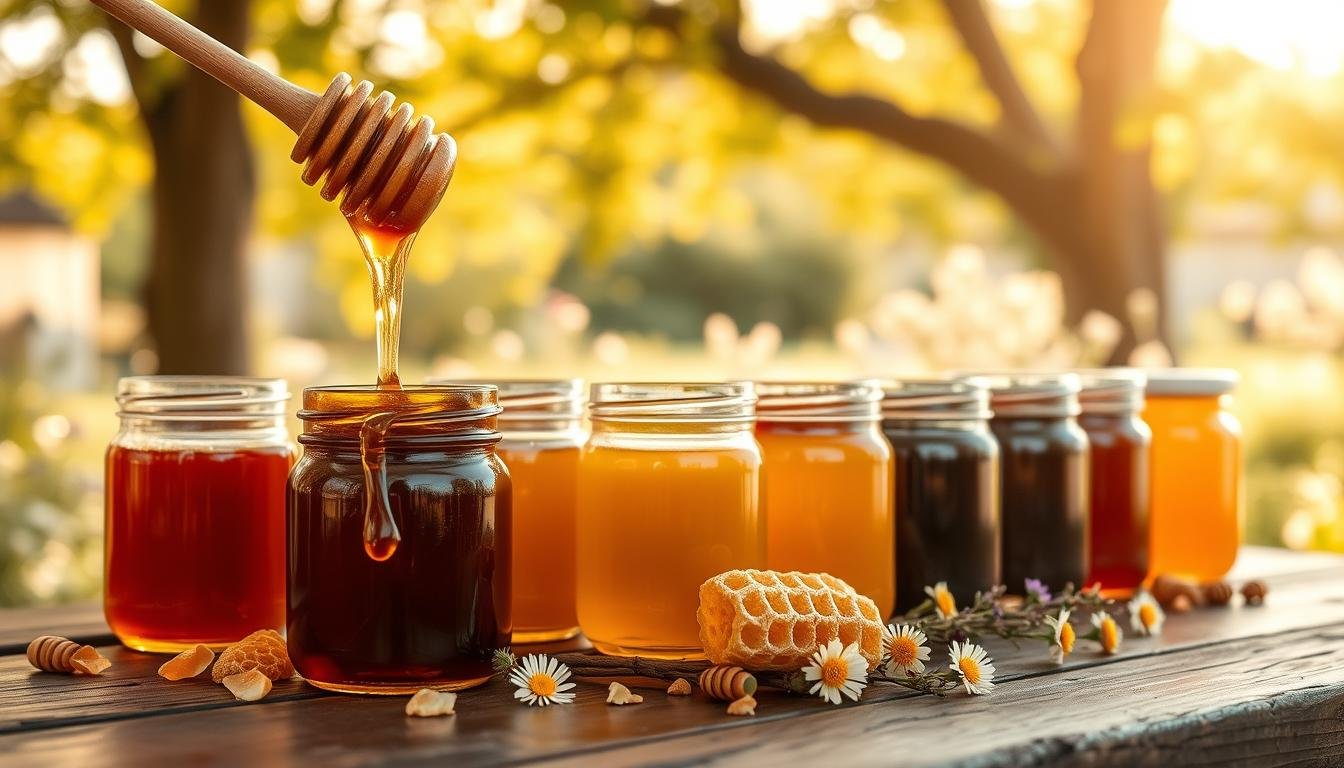
A useful, though not perfectly reliable, general rule across the honey varieties on this chart: darker honey tends to correlate with bolder, more assertive flavor and higher antioxidant content, while paler honey tends to correlate with milder, more delicate flavor. Buckwheat, avocado, and manuka, the darkest three on this chart, are also among the boldest in flavor, while tupelo, fireweed, and basswood, all pale to nearly water-white, split into two genuinely different flavor camps despite sharing similar light coloring, mild and delicate for tupelo and fireweed, sharp and minty for basswood, which is exactly why color alone isn’t a perfect predictor and checking each variety’s individual flavor description still matters.
Crystallization Speed at a Glance
Clover, fireweed, and basswood, three of the lighter-colored honeys on this chart, all share notably high glucose content and correspondingly fast crystallization, while tupelo sits at the opposite extreme with an unusually high fructose ratio that keeps it liquid far longer than nearly any other honey variety commercially available, a genuinely distinctive trait that’s part of why it’s so prized. If a consistently liquid, non-crystallizing honey matters more to you than any other single factor, tupelo is the clearest standout choice on this entire chart, though its price reflects that same rarity.
Choosing by Region: What’s Actually Local to You
For readers specifically interested in buying local or regional honey rather than shipping a specialty variety across the country, geography narrows this list considerably. Upper Midwest and Canadian prairie readers have direct access to both clover and basswood production country, often from the same regional producers. Southeastern readers sit closest to both tupelo (Florida/Georgia) and sourwood (Southern Appalachians) territory, two genuinely rare varieties produced almost nowhere else in the country. West Coast readers are closest to avocado (Southern California) and orange blossom (California and Florida citrus groves) production, while readers in Alaska, the Pacific Northwest, or interior Canada have the most direct access to genuine fireweed honey. Northeastern readers sit closest to buckwheat country. Buying locally when possible generally means fresher product, a shorter supply chain with fewer opportunities for blending or mislabeling, and direct support for a beekeeper working that specific regional bloom.
Choosing a Honey as a Gift
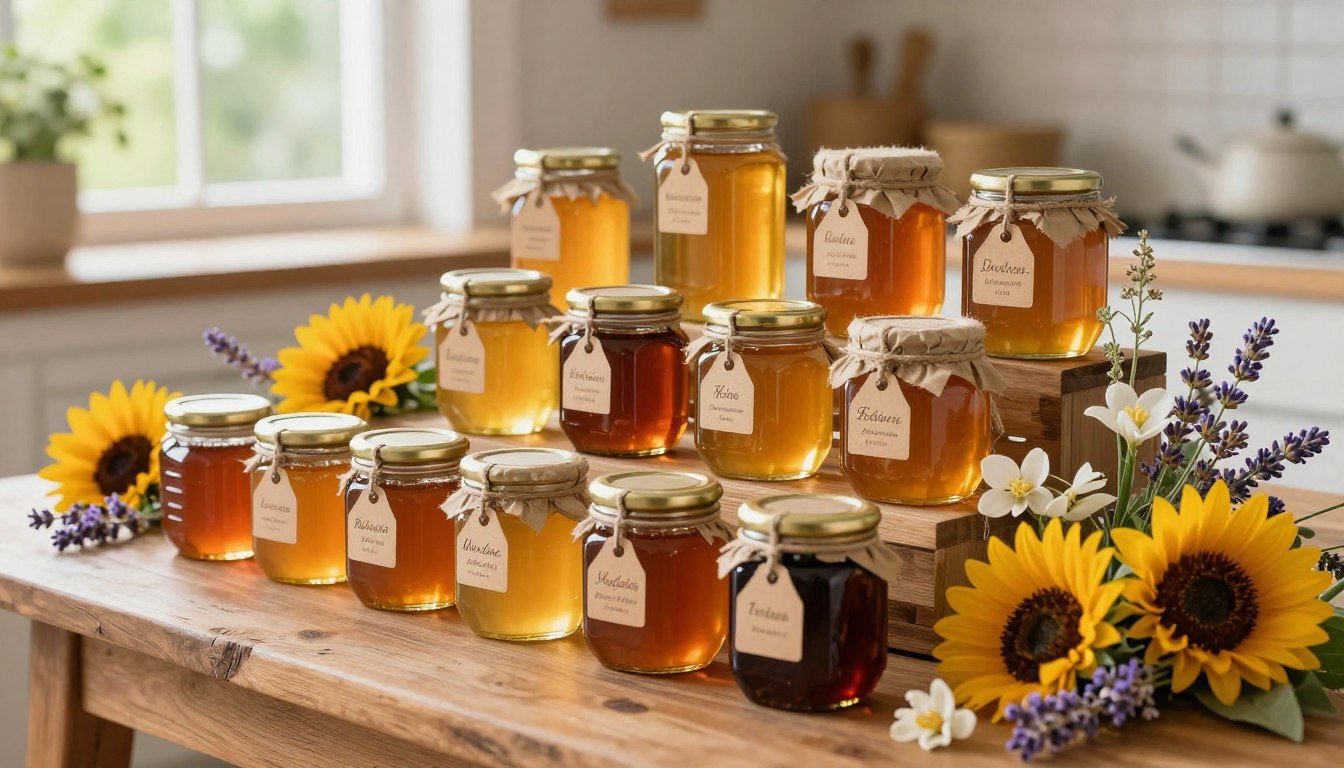
Single-source specialty honeys make genuinely thoughtful gifts specifically because most recipients have only ever tried generic blended or clover-style honey and have no frame of reference for how different a true single-source variety can taste. For a gift recipient who already loves honey and cooking, a bold, distinctive variety like buckwheat, avocado, or basswood makes a memorable impression precisely because it tastes so different from what they already have in their pantry. For a more cautious recipient, or anyone unsure of their tolerance for stronger flavors, a milder but still genuinely special variety like tupelo or fireweed is the safer, still-impressive choice. Presenting two or three contrasting small jars together as a tasting set, rather than a single large jar of one variety, is also a genuinely popular gifting approach that lets a recipient explore contrast directly rather than committing to just one flavor profile.
Quick Culinary Pairing Reference
Each individual guide on this site covers culinary pairings for its specific variety in more depth, but a quick cross-variety reference is genuinely useful when deciding what to actually do with a jar once it’s in the kitchen. Mild varieties like clover and fireweed work best where honey’s presence should be felt but not dominate: tea, yogurt, oatmeal, and general baking substitution. Bold dark varieties like buckwheat and avocado shine in savory applications, glazes, marinades, and pairings with sharp cheese, where a milder honey would simply disappear against stronger competing flavors. Basswood’s sharp, minty edge works surprisingly well in strong black tea or as an unusual addition to a cocktail syrup, applications where its intensity becomes an asset rather than a liability. Delicate, rare varieties like tupelo and sourwood are generally best served simply, on warm biscuits, drizzled over cheese or fruit, or eaten directly off a spoon, since cooking or baking with them tends to mute the subtle characteristics that justify their premium price in the first place.
Storage Tips That Apply Across Every Variety
Regardless of which variety you choose from this chart, the same basic storage principles apply consistently: keep honey at stable room temperature away from direct sunlight, never refrigerate it since cold temperatures accelerate crystallization rather than preventing it, and don’t worry if a jar crystallizes over time, since that’s a normal process for every variety on this chart and can always be reversed with gentle warming. The main practical difference between varieties in storage terms is simply how quickly to expect crystallization to happen, with fast-crystallizing varieties like clover, fireweed, and basswood needing that gentle-reheating step more often than a naturally slow-crystallizing variety like tupelo.
Common Mistakes When Comparing Honey Varieties
The most common mistake when shopping across these varieties is assuming price directly correlates with quality, when in reality it mostly reflects production scale and regional scarcity; a well-sourced, genuine clover honey isn’t a lower-quality product than tupelo, just a fundamentally different one serving a different role. Another mistake is assuming a honey’s color tells you everything about its intended use, when, as covered above, some pale honeys are sharp and assertive rather than mild. A third mistake is buying a rare, expensive variety expecting it to taste like a more intense version of a mild honey like clover, when varieties like basswood or buckwheat are genuinely, categorically different flavor experiences rather than simply “stronger” versions of a familiar taste.
Does this chart include every single-source honey variety that exists, or just the ones covered on this site?
Just the ones covered on this site; many other genuine single-source varieties exist worldwide, including acacia, heather, and chestnut honey among others, and this chart will expand to include additional varieties as this site publishes dedicated guides to them going forward.
Is one variety on this chart objectively “the best” honey?
No, and that’s genuinely the wrong question to ask; each variety on this chart earns its place for a different reason, mildness, boldness, rarity, affordability, or a specific culinary role, so the more useful question is which combination of flavor, price, and availability actually matches what a given reader wants from a particular jar of honey.
Are these prices likely to change significantly over time?
Yes, honey prices for every variety on this chart fluctuate meaningfully year to year based on weather, bloom strength, and broader agricultural conditions in each producing region, so treat every price listed here as a general reference point reflecting typical market conditions rather than a fixed, permanently accurate number.
For one dark fall variety in detail, see Japanese knotweed honey.
Sources
See the National Honey Board’s honey varietal guide for further verification of the material covered here.
Frequently Asked Questions
Will this chart be updated as the site covers more honey varieties in the future?
Yes, this page is intended as a living reference and will be updated to include additional single-source honey varieties as new dedicated guides are published on this site.
Which honey on this chart is the best all-purpose choice for someone who only wants to buy one type?
Clover honey remains the most practical single choice for most households given its mild flavor, wide availability, and affordability, though anyone specifically interested in exploring distinctive regional flavors is better served trying two or three contrasting varieties, for example clover alongside buckwheat and basswood, rather than settling on just one.
Are any of these honey varieties better than others for people managing diabetes?
All honey carries broadly similar general glycemic considerations regardless of floral source; readers managing diabetes and weighing how honey fits into their diet can find detailed, evidence-based context in this site’s guide to honey and diabetes.
How can I make sure I’m buying a genuine version of any of these varieties rather than a blended or mislabeled product?
Each individual guide linked in the chart above covers variety-specific authenticity tips, and this site’s complete guide to detecting fake honey covers the general principles that apply across all single-source honey shopping.