The name creates an immediate, entirely reasonable assumption for most first-time buyers: avocado honey must, logically, taste something like avocado. It doesn’t taste anything like it, at all, and that single simple fact of disambiguation is really the first thing worth understanding about this genuinely distinctive, dark, California-grown honey variety. This guide covers what avocado honey genuinely is, exactly why it tastes nothing like the fruit it’s named after, its production centered heavily around San Diego County’s established avocado groves, and how it stacks up against other dark single-source honeys covered elsewhere on this site.
Table of Contents
- What Avocado Honey Actually Is
- The Flavor: Molasses, Caramel, and Cocoa, Not Avocado
- Production Centered in San Diego County
- A Genuine Pollination Puzzle: Avocado Flowers Are Tricky for Bees
- Why It Commands a Premium Price
- Culinary Pairings Worth Trying
- How It Compares to Buckwheat Honey
- Common Mistakes
- Verifying Authenticity
- Frequently Asked Questions
What Avocado Honey Actually Is
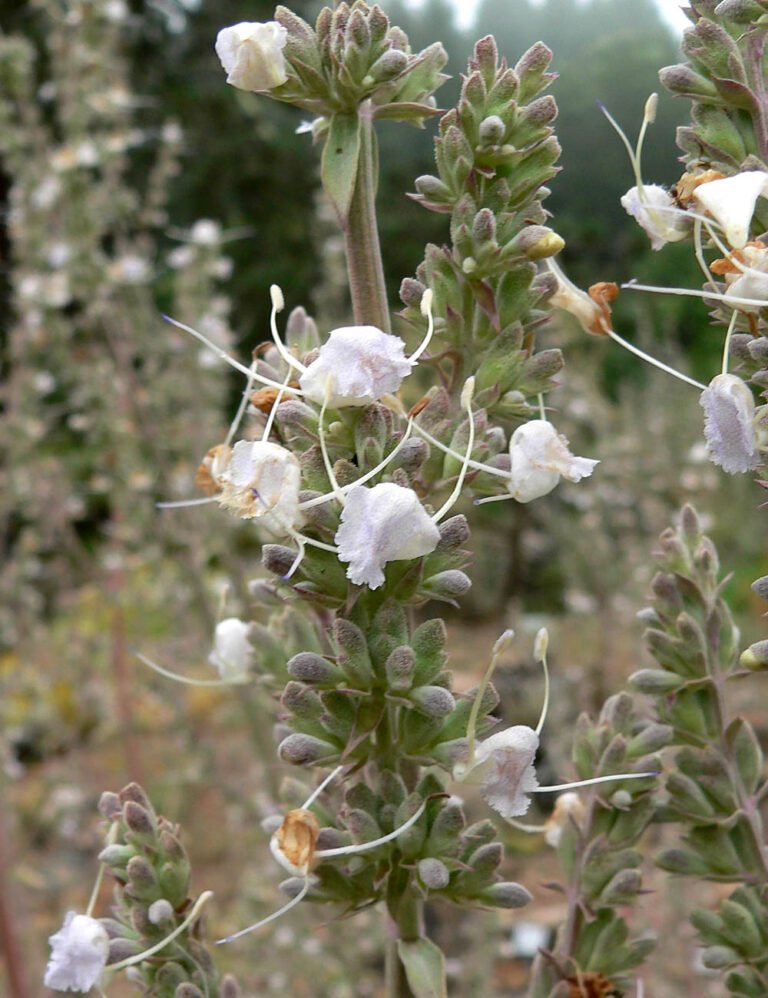
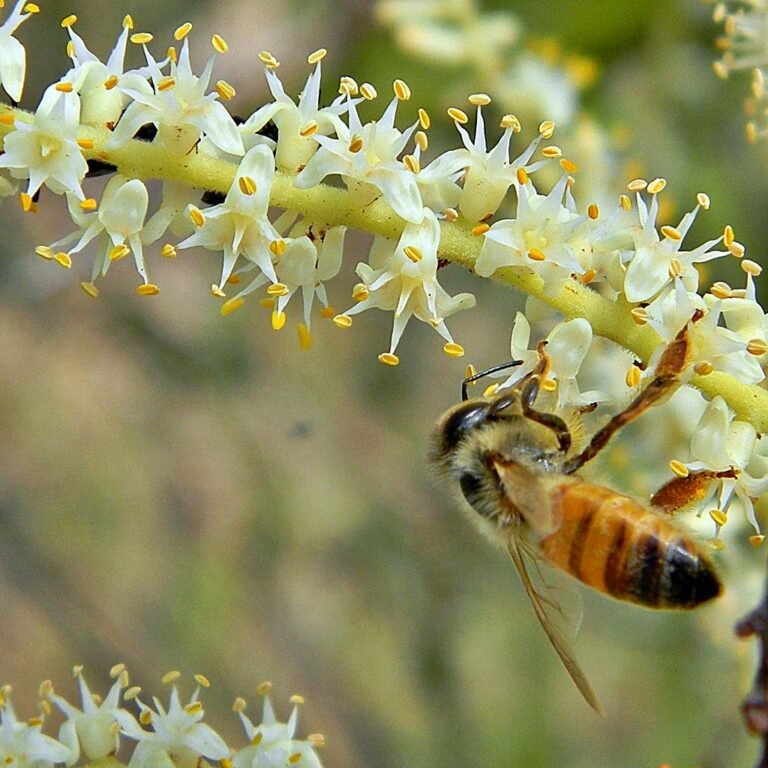
Avocado honey is a monofloral honey produced when honeybees forage predominantly on the blossoms of avocado trees, not the fruit itself, which is a common point of confusion given the name. Commercial avocado honey production in the United States is concentrated almost entirely in California, the single state responsible for the overwhelming majority of all domestic avocado fruit production, with San Diego County standing out as a particularly significant source given its large, long-established avocado grove acreage. Unlike single-source honeys named for a fruit’s actual nectar or juice, avocado honey draws entirely from the tree’s small, inconspicuous flowers, which bloom well before any fruit develops.
The Flavor: Molasses, Caramel, and Cocoa, Not Avocado
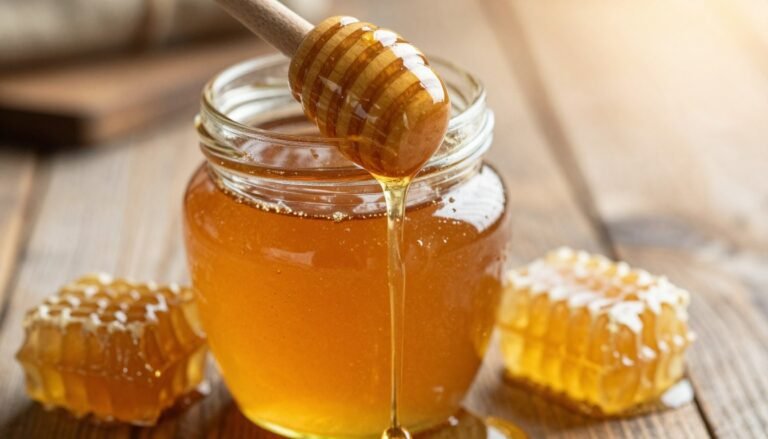
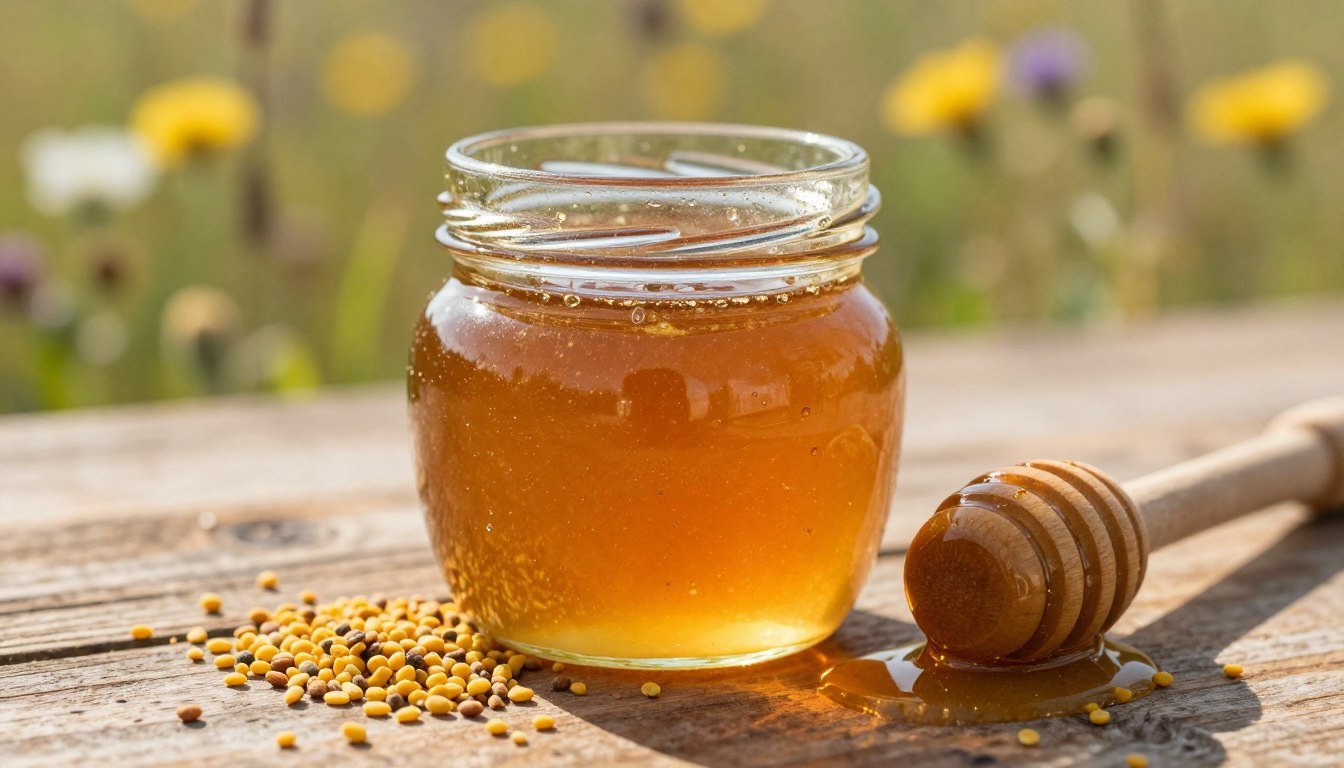
Avocado honey’s actual flavor profile is genuinely distinctive and, again, nothing like the fruit: dark amber to nearly black in color, with a rich, earthy, velvety character most often compared to molasses, warm caramel, and sometimes a hint of cocoa or faint licorice. It’s also notably, and quite noticeably, less intensely sweet than many lighter honey varieties, with the deeper, more layered flavor profile more than making up for that more restrained overall sweetness. This combination, dark color, low overt sweetness, and a rich molasses-like depth, puts avocado honey in a similar general flavor category to buckwheat honey, covered elsewhere on this site, though the two have distinct enough origins and flavor nuances to remain genuinely separate experiences for anyone comparing dark honey varieties side by side.
Production Centered in San Diego County
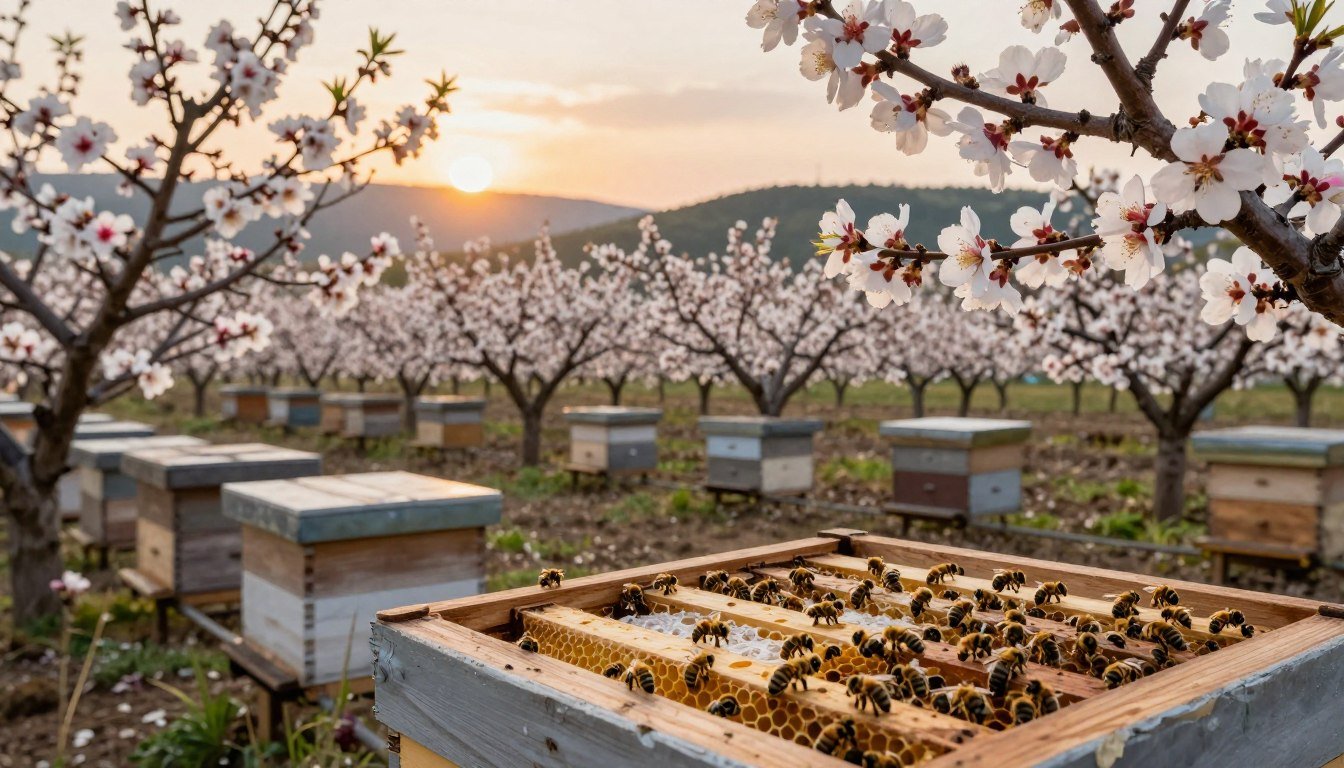
California’s avocado industry, concentrated heavily in San Diego and neighboring counties, represents well over $100 million in annual value and depends substantially on honeybee pollination to maintain fruit yields. Beekeepers in the region often move colonies into avocado groves specifically during the bloom season, generally stretching from late winter into spring depending on the specific year and grove elevation, allowing bees to forage avocado blossoms intensively during that window before hives are relocated to other regional forage sources for the remainder of the season. This seasonal, migratory beekeeping pattern, deliberately positioning hives to capture a valuable, geographically limited regional bloom, closely mirrors practices already covered elsewhere on this site for several other single-source honey varieties.
A Genuine Pollination Puzzle: Avocado Flowers Are Tricky for Bees
Avocado flowers have an unusual reproductive trait that actually makes them a genuinely challenging, rather than obviously appealing, forage source for honeybees. Each avocado flower opens twice, functioning as female on one occasion and male on another, a mechanism called protogynous dichogamy designed to encourage cross-pollination between different trees. Honeybees also tend to visit relatively few avocado flowers per foraging trip compared to more attractive competing forage nearby, meaning avocado growers can’t simply assume honeybees will reliably prioritize avocado bloom over other available flowers in the area. Interestingly, research comparing bee genetics found that Carniolan honeybees, covered in more detail in this site’s guide to Carniolan bees, gathered meaningfully more avocado nectar than Italian honeybees in side-by-side San Diego County trials, a genuinely practical, real-world finding for growers and beekeepers deciding which specific bee stock to deploy for avocado pollination contracts going forward.
Why doesn’t this dichogamy trait apply to most other fruit trees discussed on this site?
Most fruit trees, including the early-blooming apple, cherry, and plum trees pollinated by mason and mining bees covered elsewhere on this site, have simpler flower structures where a single flower is reproductively functional as both male and female at once, making avocado’s two-phase flowering pattern a genuinely unusual botanical trait rather than the norm among commercially pollinated fruit crops.
Why It Commands a Premium Price
Avocado honey is a genuine specialty product, often selling in the range of $15 to $25 per pound at farmers markets and direct-from-producer outlets in its home region, a price reflecting both its limited, geographically concentrated production and its status as a distinctive, sought-after flavor experience among honey enthusiasts. Its pricing sits alongside other rare, single-source American honeys covered on this site, including tupelo and sourwood, each commanding a premium for its own combination of limited regional availability and genuinely distinctive flavor.
Culinary Pairings Worth Trying
Avocado honey’s rich, low-sweetness, molasses-forward profile makes it a genuinely versatile savory-leaning honey in the kitchen, a somewhat different culinary role than most lighter, sweeter honey varieties. It pairs particularly well drizzled over sharp or aged cheeses, worked into a savory glaze for roasted vegetables or meats, or stirred into a vinaigrette where its depth balances acidity more effectively than a lighter honey would. Some home bakers also use it as a partial substitute for molasses in recipes like gingerbread or baked beans, taking advantage of the genuinely similar flavor profile between the two, though full substitution isn’t always a perfect one-to-one swap given honey’s different moisture content and sweetness level compared to true molasses.
How does avocado honey’s antioxidant content compare to lighter honey varieties in general?
Darker honeys as a category consistently test higher in antioxidant compounds than lighter varieties across the honey research literature, a pattern documented for buckwheat honey specifically and generally believed to extend to other dark varieties like avocado, though avocado honey itself hasn’t been the subject of the same volume of dedicated laboratory research as some other single-source varieties covered on this site.
How It Compares to Buckwheat Honey
Avocado honey and buckwheat honey are the two darkest, most robustly flavored single-source honeys covered on this site, and they’re frequently compared, and sometimes confused, by honey enthusiasts exploring dark varieties for the first time. Buckwheat comes from a cultivated grain crop (Fagopyrum esculentum) grown mainly in the northeastern US and Canada, with a bold, slightly malty, almost fermented edge to its flavor. Avocado honey, by contrast, comes from California avocado tree blossoms and leans more toward molasses and caramel with a smoother, less pungent finish. Both are darker and less conventionally sweet than most honey, but trying them side by side reveals genuinely distinct flavor personalities within the same broad “dark honey” category.
Does avocado honey crystallize the way other honey does?
Yes, like most honey it will eventually crystallize, though the timeline varies by the specific glucose-to-fructose balance in any given batch; a slightly grainy or partially crystallized jar of genuine avocado honey is a normal, harmless natural process rather than any sign of spoilage or quality decline.
Is avocado honey production growing or shrinking over time?
California avocado acreage has faced real pressure in recent years from drought conditions, water costs, and urban development converting former grove land, all of which can affect how much forage is available for avocado honey production in a given season, making the long-term production outlook somewhat tied to broader challenges facing the state’s avocado industry as a whole rather than purely a beekeeping consideration.
Are there avocado honey varieties produced outside California?
Small amounts are produced in other avocado-growing regions internationally, including parts of Mexico, Spain, and Israel, though California, and San Diego County specifically, remains the dominant, most recognized source for avocado honey available to US consumers, and most of what’s sold domestically under the name traces back to California groves.
What should a first-time buyer actually expect when trying avocado honey for the first time?
Expect something closer in spirit to a fine dark molasses or a rich caramel sauce than to the light, floral sweetness of a typical grocery-store wildflower or clover honey; the lower overt sweetness combined with real depth and complexity tends to surprise first-time tasters who come in expecting either a mild avocado-fruit flavor or a standard sweet honey, when the actual experience is something genuinely different from both of those expectations, closer to a savory-leaning specialty ingredient than a simple sweetener.
Common Mistakes
The most common mistake, understandably, is expecting avocado honey to taste like avocado fruit, when its actual flavor profile, dark, molasses-like, and earthy, has nothing in common with the mild, buttery, savory taste of the fruit itself. Another mistake is assuming any honey produced somewhere near avocado groves in California is automatically genuine avocado honey, when a true single-source product requires bees foraging predominantly on avocado blossoms specifically during the bloom window, not just general regional proximity. People also sometimes assume avocado honey’s dark color means it’s necessarily lower quality or somehow processed differently than lighter honey, when color and flavor intensity in honey correlate with floral source rather than processing method or overall quality.
Verifying Authenticity
Because avocado honey’s distinctive dark color and molasses-like flavor make it relatively easy to describe but harder for buyers unfamiliar with the variety to verify, purchasing from a known, reputable California producer, ideally one transparent about grove location and harvest timing, remains the most reliable way to ensure genuine avocado honey rather than a darker blended product marketed under the name. Readers wanting broader guidance on spotting adulterated or mislabeled honey generally can consult this site’s complete guide to detecting fake honey. Buyers managing diabetes and wondering how a darker, less overtly sweet honey like this one fits into a broader diet can also find useful context in this site’s guide to honey and diabetes.
Sources
See the National Honey Board’s honey varietal guide for further verification of the material covered here.
Frequently Asked Questions
One final note for shoppers: given the relatively small production volumes and strong regional demand within California itself, genuine avocado honey can sometimes be harder to find in stores outside the West Coast, making direct online ordering from a known, reputable San Diego County producer a genuinely reasonable option for interested buyers located elsewhere in the country who want to try it for themselves.
Do beekeepers get paid separately for both honey production and pollination services in avocado groves?
Often yes; many beekeepers working avocado groves earn income both from pollination service fees paid by grove owners for placing hives during bloom and from the resulting honey harvest itself, a combined revenue model similar to arrangements seen with other commercial pollination crops covered elsewhere on this site, like almonds.
Do avocado honey producers also sell avocado-fruit-infused honey, and is that the same thing?
No, and this is worth clarifying explicitly: some specialty producers do sell honey blended or infused with actual avocado fruit flavoring or extract as a separate novelty product, which is an entirely different item from genuine single-source avocado blossom honey and shouldn’t be confused with it when shopping, since the infused version is deliberately flavored while true avocado honey gets its flavor entirely from the blossom nectar itself. This distinction genuinely matters for accurate buying and honest labeling alike.
Does avocado honey actually taste like avocado?
No, not at all. Its flavor is dark, earthy, and molasses-like, closer to caramel or cocoa than to the mild, buttery taste of avocado fruit.
Where does most avocado honey in the US come from?
Overwhelmingly from California, particularly San Diego County, which has a large, established avocado growing industry and a corresponding tradition of seasonal beekeeping tied to the avocado bloom.
Is avocado honey healthier or different nutritionally from lighter honey varieties?
Darker honeys, avocado included, generally test higher in antioxidant content than lighter varieties, a pattern also seen in buckwheat honey, though avocado honey isn’t specifically marketed or studied as a distinct health product the way some other varieties are.