Table of Contents
- Origin: The Carniola Region
- Physical Appearance
- Temperament: Gentle and Low-Sting
- Explosive Spring Buildup: The Signature Trait
- Winter Efficiency: A Genuine Strength
- Cool-Weather Foraging and Range
- Slovenia’s Legal Protection of the Carniolan Bee
- How Carniolans Compare to Italian Bees
- Who Should Choose Carniolan Bees
- Common Mistakes
- Managing Swarm Risk on a Carniolan Colony
- Honey Production Characteristics
- Carniolan Genetics in Modern Hybrid Lines
- Availability and Sourcing
- Disease and Mite Considerations
- Best Regional Fit for Carniolan Bees
- Requeening Considerations
- How Carniolans Compare to Caucasian and Russian Bees
- A Practical Note on Queen Spotting
- Carniolan Bees in Global Beekeeping History
- Running Carniolans Alongside Other Races
Origin: The Carniola Region
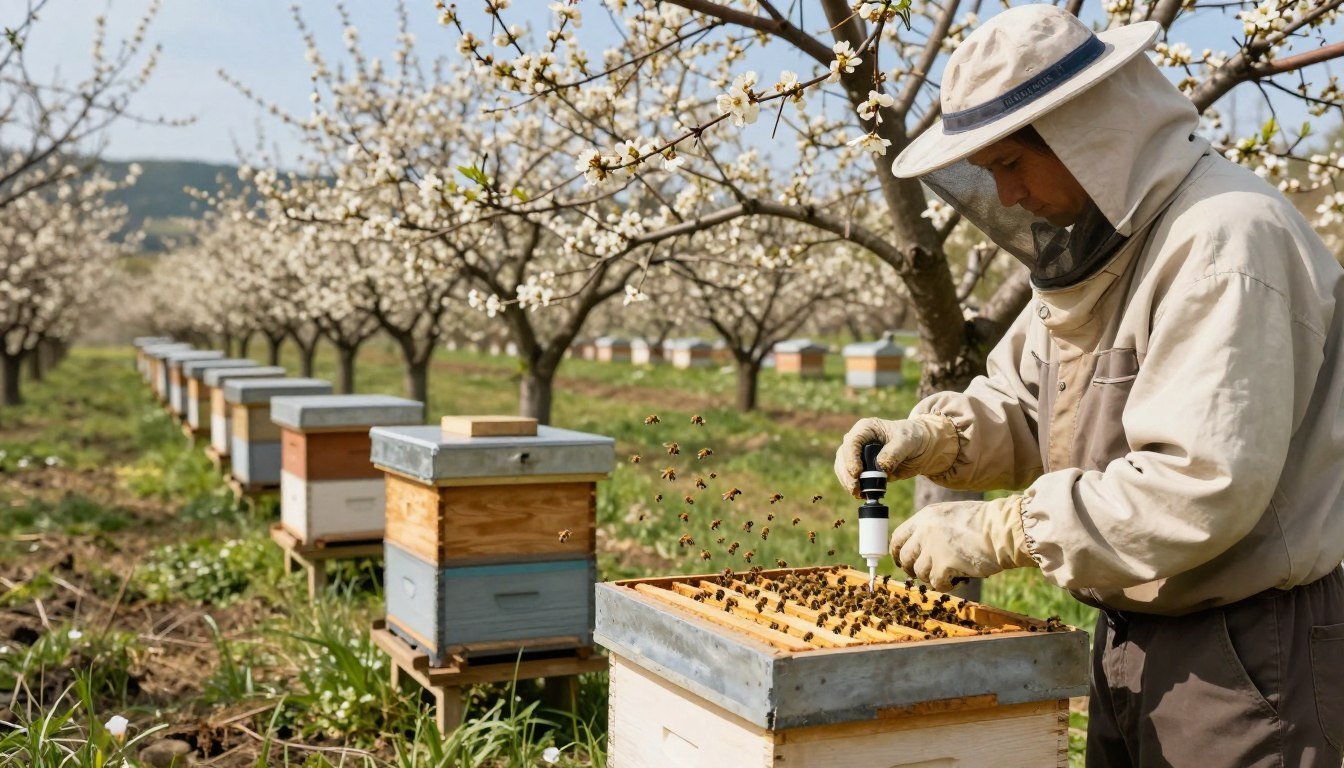
The Carniolan bee (Apis mellifera carnica) originates from the Carniola region of present-day Slovenia, along with parts of the Austrian Alps and the North Balkans, making it a close geographic relative of the Caucasian bee’s mountain-valley origins though a genetically distinct race. It’s one of the most widely recognized and commercially significant European honey bee subspecies in the world today, prized specifically for a combination of gentleness and rapid seasonal responsiveness.
Physical Appearance
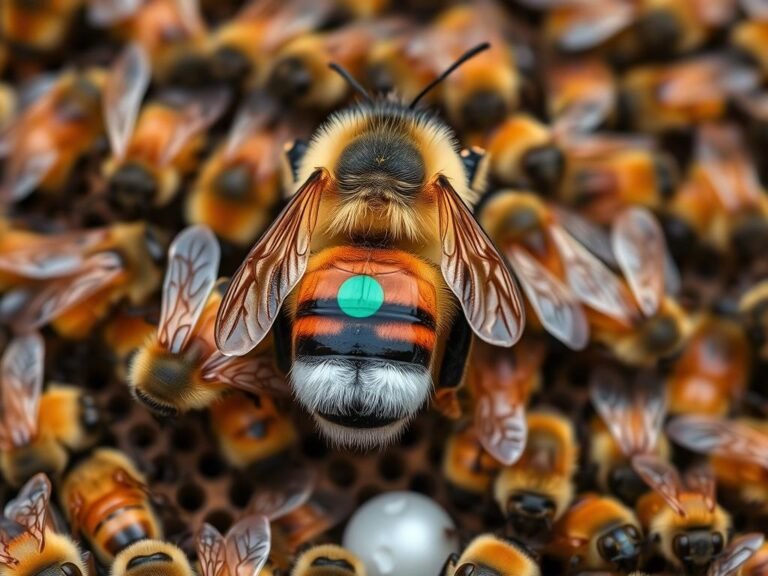
Carniolan bees are dark gray to brown-gray in color, a muted, uniform tone that distinguishes them clearly from the golden-banded Italian bee at a glance, though they’re generally lighter and less uniformly dark than Caucasian bees. Their tongue length, measured at roughly 6.5 to 6.7mm, is among the longer tongues found in common honey bee races, giving them a genuine foraging advantage on deep-throated flowers like clover.
Temperament: Gentle and Low-Sting
Carniolan bees are widely valued for a genuinely gentle temperament, generally less defensive and less prone to stinging without real provocation compared to more assertive races, making them a popular choice among beekeepers who prioritize calm, low-drama inspections. This gentleness, combined with their other traits, has made Carniolans one of the most recommended races for hobbyist beekeepers working in populated or suburban settings where colony temperament genuinely matters to neighbors.
Explosive Spring Buildup: The Signature Trait
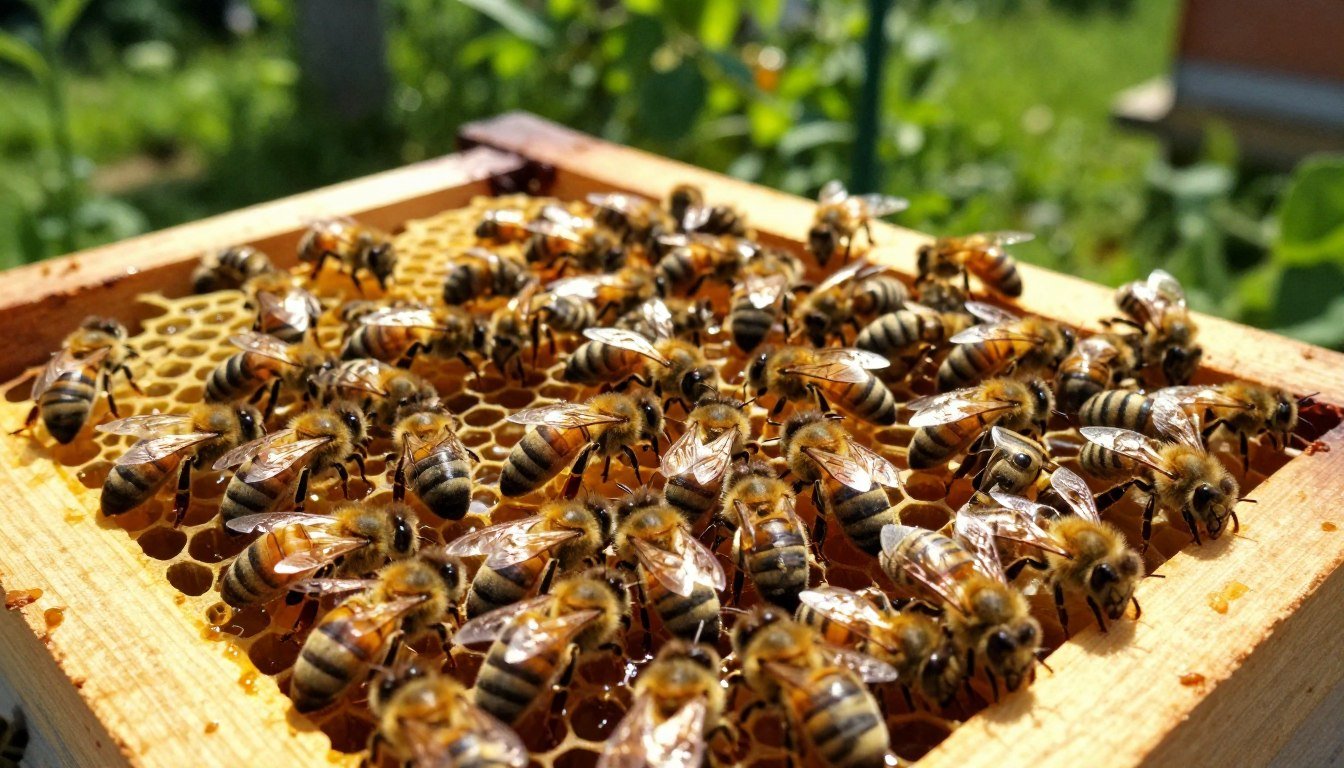
Carniolan colonies are famous for an “explosive” spring buildup, responding to the first real pollen and nectar availability with population growth that outpaces most other common races, letting a colony reach strong field-force numbers remarkably quickly once conditions turn favorable. This is genuinely the race’s signature trait and its biggest double-edged sword: that same explosive growth means Carniolan colonies can reach swarm-triggering crowding faster and with less warning than a more gradually building race, demanding closer, more attentive spring inspection scheduling than a beekeeper might assume from the “gentle and easy” reputation alone.
Winter Efficiency: A Genuine Strength
Carniolan bees are also known for efficient winter clustering and the ability to overwinter successfully with a smaller population than some other races, conserving stored honey more effectively through the colder months. This is a genuine, well-documented strength distinct from their spring performance, making Carniolans a particularly good match for beekeepers in climates with real, extended winters where stores conservation directly affects survival odds.
Cool-Weather Foraging and Range
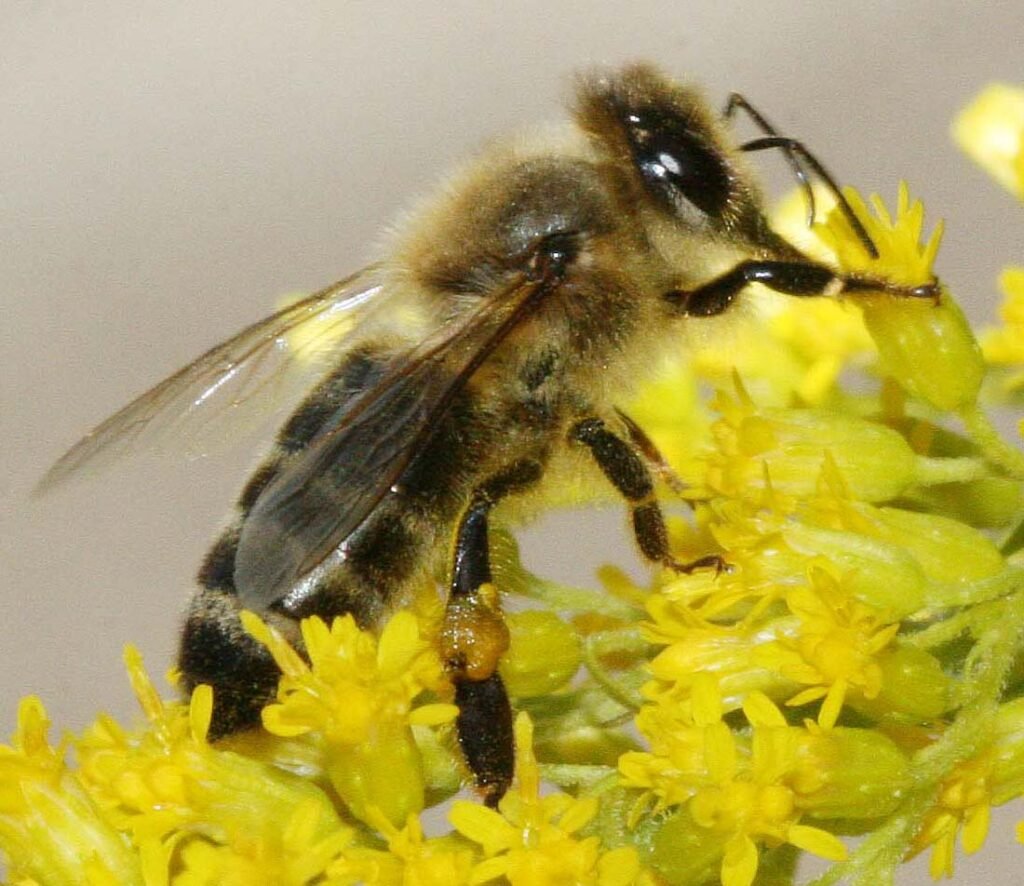
Carniolan bees will fly and forage in cooler, wetter conditions that keep some other races clustered indoors, and they’re often noted for ranging farther from the hive in search of forage than Italian bees typically will. Both traits reflect the same mountain-valley climate adaptation that shaped the race’s winter efficiency, giving Carniolan colonies a practical foraging advantage in regions with unpredictable or marginal weather during the working season.
A short video from beekeeper-run channel Hive and Holler shows this rapid spring buildup in practice on an actual Carniolan colony in West Virginia, useful for seeing what “explosive buildup” looks like on real frames rather than just in description:
Slovenia’s Legal Protection of the Carniolan Bee
Slovenia treats the Carniolan bee as more than just a regional point of pride: under the country’s Livestock Farming Act, formalized in 2002, Slovenian beekeepers are legally permitted to keep only Apis mellifera carnica within Slovenia’s borders, making it likely the only country in the world that restricts its entire national beekeeping population to a single honey bee subspecies by law. The Slovenian Beekeepers’ Association (Čebelarska zveza Slovenije) has held recognized bee-breeders’ association status since 2004 and continues to coordinate breeding and conservation of the native line today.
The race’s international spread is also genuinely well-documented history rather than vague tradition: Slovenian sources record that Emil Rothschütz first exported Carniolan colonies from Višnja Gora in 1857 to Eichstätt, Germany, and that specialized Slovene merchants exported at least 170,000 swarms (with some estimates as high as 500,000) between 1857 and the end of World War I. Slovenian breeders continue that export tradition today, selling an estimated 40,000 queens annually, mostly to Central and Western Europe. That combination of a long export history and, by most industry estimates, being the world’s second most widely kept honey bee subspecies after the Italian bee is part of why Carniolan genetics are so consistently well-documented and available compared to rarer races.
How Carniolans Compare to Italian Bees
Against the Italian bee, still the most common race in American beekeeping, Carniolans trade Italian’s steady, somewhat more predictable buildup and heavier overall stores consumption for faster, more explosive spring growth and notably better winter stores efficiency. Carniolans are also generally considered less prone to robbing behavior than Italian bees, a real practical advantage in a mixed apiary or during a dearth period when robbing risk runs highest.
Who Should Choose Carniolan Bees
Carniolan bees suit beekeepers prioritizing a gentle, low-sting colony, particularly in regions with real winters where stores efficiency matters, and who can commit to closer spring inspection scheduling to manage their explosive buildup responsibly. They’re a somewhat weaker fit for beekeepers who prefer a slower, more predictable spring growth curve or who can’t realistically commit to frequent early-season hive checks during the exact window when swarm risk builds fastest.
Managing Swarm Risk on a Carniolan Colony
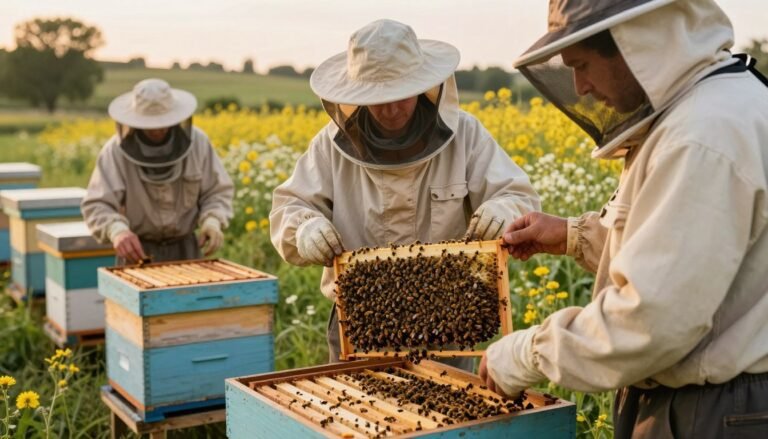
Because Carniolan colonies can go from modest to genuinely strong in a matter of weeks once spring buildup begins, staying ahead of swarm risk means checking hives on a tighter schedule during this window than most other races require, adding super space proactively rather than waiting for visible crowding, and watching for queen cells starting notably earlier than a beekeeper used to a slower-building race might expect. Brood box reversal and, for larger operations, checkerboarding are both standard, well-suited tools for managing this particular buildup pattern.
Honey Production Characteristics
Honey production from well-managed Carniolan colonies can be excellent, particularly in regions with an early, strong spring flow that lines up well with their rapid buildup timing, letting a large field force hit the flow at close to peak strength. In regions where the main nectar flow arrives later in the season, Carniolan colonies risk peaking too early and potentially swarming before the best forage window opens, making local bloom timing a genuinely important factor in how well this race’s buildup pattern will actually translate into honey yield.
Carniolan Genetics in Modern Hybrid Lines
Carniolan genetics form part of the ancestry behind several modern hybrid and selectively bred lines that value the race’s combination of gentleness and vigor, contributing alongside other European races to breeding programs aiming for calm, productive, well-rounded stock. Pure Carniolan queens remain widely available on their own from mainstream commercial breeders, distinct from the more specialty-sourcing situation facing rarer races like Caucasian or German dark bee genetics. In the US specifically, the New World Carniolan closed-population breeding program exists precisely to keep genuine Carniolan genetics available domestically without relying on continued live imports.
Availability and Sourcing
Carniolan queens and packages are widely available from commercial breeders across the United States, making them one of the more accessible race choices alongside Italian bees rather than a hard-to-source specialty stock. This wide availability is part of why Carniolans have become a genuinely mainstream second choice behind Italian bees for beekeepers specifically prioritizing gentleness and winter efficiency over the fastest possible early spring buildup timing alone.
Disease and Mite Considerations
Carniolan bees carry no particular built-in resistance to varroa mites beyond what any conventional commercial race has, meaning standard mite-monitoring and treatment protocols apply just as they would with Italian or most other common stock. Some beekeepers report Carniolan colonies show a strong hygienic instinct, promptly removing dead or diseased brood, though this trait varies by specific breeding line rather than being a guaranteed, universal characteristic of the race as a whole.
Best Regional Fit for Carniolan Bees
Carniolan bees are a strong regional fit for temperate climates with real, extended winters where their stores efficiency genuinely pays off, and for areas with an early, reliable spring nectar flow that rewards their rapid buildup timing. They’re a somewhat weaker fit for regions with a late-arriving main flow, where explosive early buildup risks peaking before the best forage window opens, or for beekeepers unable to commit to the tighter spring inspection schedule their buildup pattern calls for.
Requeening Considerations
Because Carniolan queens are widely available from mainstream commercial breeders, requeening to maintain the race’s genetics in a colony is generally straightforward compared to sourcing a specialty stock like Caucasian bees. Beekeepers wanting to preserve strong hygienic or gentle-temperament traits specifically should still source queens from a reputable breeder with a track record for those particular characteristics, since general Carniolan stock can vary in exactly how pronounced any given trait is between different breeding lines.
How Carniolans Compare to Caucasian and Russian Bees
Against the Caucasian bee, another gentle, dark-colored mountain-origin race, Carniolans build up earlier and faster in spring rather than peaking mid-summer, and use meaningfully less propolis, making the two races better suited to different regional bloom patterns despite their similar temperaments. Against Russian bees, which were specifically selected for varroa resistance after decades of natural exposure to the mite in their home region, Carniolans offer no comparable built-in mite resistance but generally show a gentler, more predictable temperament that many hobbyist beekeepers find easier to work with.
A Practical Note on Queen Spotting
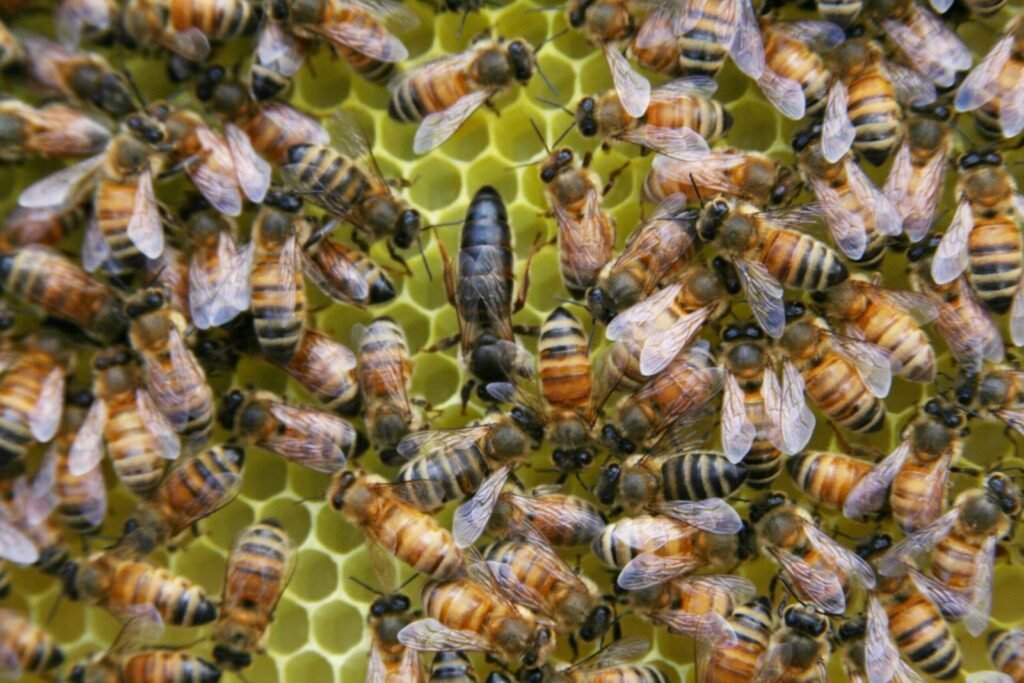
Carniolan queens’ dark coloring makes them somewhat harder to spot on a frame than a golden Italian queen, though generally still easier to locate than an unmarked Caucasian queen given Carniolans’ typically slightly lighter gray-brown tone. Marking the queen remains a genuinely worthwhile practice for any beekeeper running Carniolan colonies, particularly during the fast-moving spring buildup window when quickly confirming queen presence during a rushed inspection matters most.
Carniolan Bees in Global Beekeeping History
Carniolan bees have a long history of formal recognition and export from their native region, with organized queen breeding and export from Slovenia dating back over a century, making the race one of the earliest European bee stocks to be deliberately studied, selected, and distributed internationally rather than simply spreading through informal trade. This long history of intentional breeding is part of why Carniolan genetics remain so consistently available and well-documented today, compared to races with a more recent or less organized introduction to global beekeeping.
Running Carniolans Alongside Other Races
Carniolan colonies coexist well alongside other races in the same yard, and their popularity as a mainstream second choice behind Italian bees means many mixed apiaries already run some combination of the two without any particular management complication. Beekeepers running both should simply account for Carniolan colonies reaching swarm-prone crowding earlier in the season than neighboring Italian colonies might, adjusting inspection priority accordingly rather than treating every hive in the yard as being on an identical buildup schedule. A quick glance at hive entrance activity across the yard during peak spring buildup is often enough to reveal which colonies are pulling ahead fastest, giving a useful visual cue for where to prioritize the next round of inspections without needing to open every box on the same fixed schedule. Over a season or two of running Carniolans, most beekeepers develop a fairly reliable intuition for reading these subtle entrance-activity signals, turning what starts as careful, methodical tracking into a much quicker visual habit performed almost automatically during any ordinary walk through the apiary, freeing up more time and attention for the specific inspections that genuinely need a genuinely closer, calmer, more careful, and far more patient, hands-on look right inside the box itself.
Common Mistakes
Assuming Carniolan bees’ gentle reputation means they need less attentive spring management overlooks that their explosive buildup is precisely the trait most likely to catch an infrequent inspector off guard with sudden swarm-prone crowding. Underestimating how much farther and in what conditions Carniolan bees will forage can lead to misjudging a colony’s actual foraging range and food availability compared to a shorter-range race. Choosing Carniolans specifically for winter efficiency while neglecting adequate spring super space ignores that their two signature strengths, winter conservation and rapid buildup, both still require active seasonal management to pay off.
Sources
Origin, physical trait, and behavioral details reflect published entomological records on Apis mellifera carnica and comparative studies of common commercial honey bee races. Export history and legal protection details are drawn directly from the Slovenian Beekeepers’ Association’s (Čebelarska zveza Slovenije) own published history of the Carniolan bee. For current, authoritative detail on breeding and genetics, see the USDA Agricultural Research Service’s Honey Bee Breeding, Genetics and Physiology Research Unit.
FAQ
What makes Carniolan bees different from Italian bees?
Carniolans have faster, more explosive spring buildup, better winter stores efficiency, and are generally less prone to robbing, while Italian bees build up more gradually and consume more winter stores due to their typically larger colony populations.
Are Carniolan bees good for beginners?
Generally yes, thanks to their gentle temperament, though beginners should be prepared for closer spring inspection scheduling given how quickly Carniolan colonies can reach swarm-prone crowding once buildup begins.
Where do Carniolan bees originate?
They originate from the Carniola region of present-day Slovenia, along with parts of the Austrian Alps and the North Balkans.
Do Carniolan bees overwinter well?
Yes, this is one of their genuine strengths – Carniolan colonies are known for efficient winter clustering and can overwinter successfully with a smaller population while conserving stored honey more effectively than some other races.
Further Reading
Image credits: Photo: see the Commons file page for the author, CC BY 2.5, via Wikimedia Commons; Photo: Levi Asay, CC BY-SA 3.0, via Wikimedia Commons; Photo: Carniolan honey bee on goldenrod by Frank Mikley (MikePhobos), licensed CC BY-SA 3.0, via Wikimedia Commons; Photo: Carniolan queen bee in the hive by Levi Asay, licensed CC BY-SA 3.0, via Wikimedia Commons.