Category Bee Breeds & Genetics

Named honey bee breeds, genetic lines, and breeding programs: mite-resistant stock, color variants, and hygienic breeding lines. The profiles cover the races most beekeepers can actually buy, such as Italian, Carniolan, Caucasian, Buckfast and Russian bees, alongside selected lines from universities and the USDA, including VSH, Pol-line, Minnesota Hygienic, Saskatraz and the Purdue mite-biters.

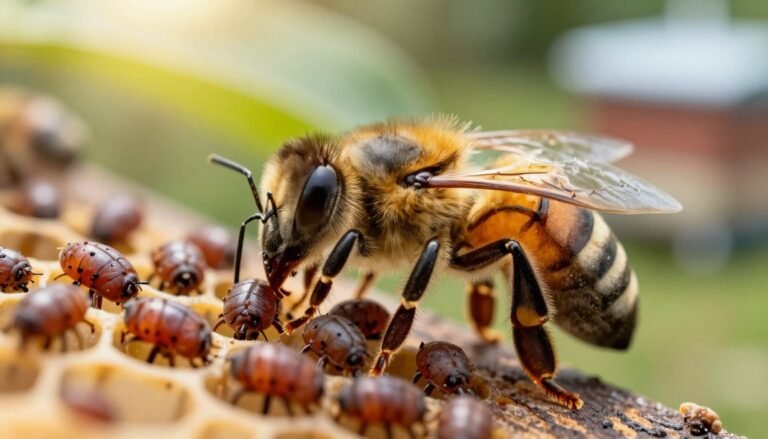
Each profile explains where a line came from, what it was selected for, and how that shows up in the hive. Italians build big populations and keep rearing brood late into autumn, which means heavier winter stores; Carniolans overwinter as a small cluster and expand fast in spring, which is why they need early swarm control; Caucasians coat everything in propolis. The resistant lines are described by mechanism: Varroa Sensitive Hygiene bees uncap and remove pupae carrying reproducing mites, while Ankle Biter bees damage adult mites while grooming.

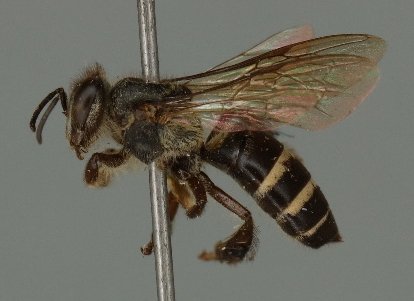
A second group steps back to the species level: Apis cerana against Apis mellifera, the giant and dwarf honey bees of Asia, the Cape bee with its egg-laying workers, and the dark bee native to northern Europe. Other posts explain why an open-mated queen, mated with many drones, produces workers of mixed paternity, so a purchased trait dilutes unless the breeder controls mating with isolated yards or instrumental insemination.

Start here: