Last Updated September 14, 2026
Long before Varroa Sensitive Hygiene became a household term among mite-resistant breeding programs, a University of Minnesota researcher was already selectively breeding bees for a broader, related trait using nothing more sophisticated than liquid nitrogen and a stopwatch. Minnesota Hygienic bees represent one of the longest-running, most scientifically documented honey bee breeding programs in the United States, originally developed to fight brood diseases and only later found to offer a genuine, if less targeted, side benefit against Varroa mites too. This guide covers what Minnesota Hygienic bees actually are, the freeze-killed brood test that defines the entire breeding program, how the trait genuinely differs from VSH, and what practical mite and disease resistance beekeepers can actually expect.
Table of Contents
- Key Takeaways
- What Minnesota Hygienic Bees Actually Are
- Dr. Marla Spivak and the University of Minnesota Program
- The Freeze-Killed Brood Assay: How Selection Actually Works
- Originally Bred for Foulbrood and Chalkbrood, Not Varroa
- The Genuine, Secondary Varroa Benefit
- Minnesota Hygienic vs. VSH: A Real, Important Distinction
- Availability and How to Buy Minnesota Hygienic Queens
- A Program That Shaped Bee Breeding Research More Broadly
- Practical Colony-Level Benefits Beekeepers Report
- The Genetic Basis Behind Hygienic Behavior
- Common Mistakes
- Frequently Asked Questions
Key Takeaways
- Minnesota Hygienic is a selectively bred honey bee line developed by Dr. Marla Spivak at the University of Minnesota, beginning in the 1990s, selected for enhanced hygienic brood-removal behavior.
- The program was originally bred to fight American foulbrood and chalkbrood — not Varroa mites, which only became the dominant beekeeping concern later.
- Selection uses the freeze-killed brood assay: liquid nitrogen kills a patch of capped brood, and colonies that detect and remove it fastest are bred forward.
- The trait does offer a genuine, secondary reduction in Varroa mite population growth, but it’s less targeted than USDA’s purpose-built VSH (Varroa Sensitive Hygiene) trait.
- Minnesota Hygienic is a selectively bred trait line within existing European honey bee stock, not a separate breed like Italian or Carniolan bees.
- Hygienic behavior is polygenic (multiple genes), so open mating with non-hygienic drones can dilute the trait over generations without ongoing selective breeding.
What Minnesota Hygienic Bees Actually Are
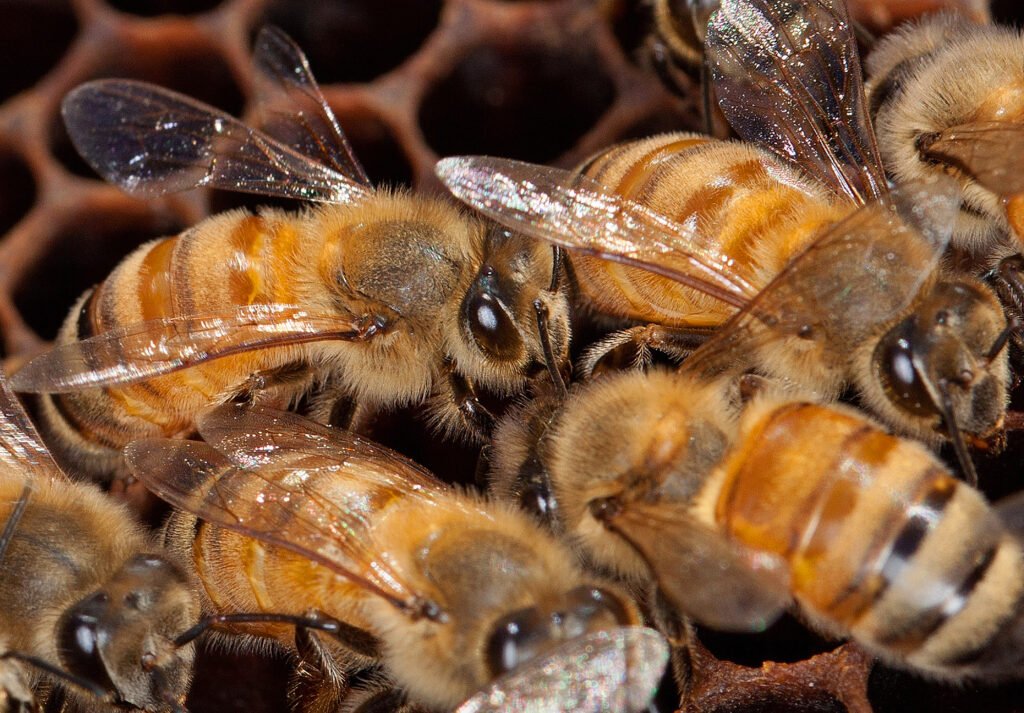
Minnesota Hygienic is a carefully, selectively bred honey bee line, developed and maintained through an ongoing University of Minnesota breeding program, distinguished by an enhanced version of a naturally occurring behavior called hygienic behavior: the ability of worker bees to detect diseased or otherwise compromised brood inside capped cells, uncap those specific cells, and remove the affected larvae or pupae before a pathogen or parasite inside can fully develop and spread. All honey bees show some baseline level of this behavior, but Minnesota Hygienic bees have been deliberately selected across many generations specifically to perform it faster and more thoroughly than typical unselected stock.
Dr. Marla Spivak and the University of Minnesota Program
The Minnesota Hygienic line traces back to research led by Dr. Marla Spivak at the University of Minnesota beginning in the 1990s, building on earlier foundational hygienic-behavior research from other bee scientists and developing it into a dedicated, sustained breeding program. Spivak’s work on hygienic behavior became genuinely influential well beyond the specific bee line it produced, helping establish hygienic behavior testing as a standard tool used across the broader honey bee breeding community, and her research contributions in this area have been widely recognized within the apiculture research field.
The Freeze-Killed Brood Assay: How Selection Actually Works
The core selection tool behind the entire program is genuinely simple in concept: researchers use liquid nitrogen to freeze-kill a small, defined patch of capped brood directly within an otherwise healthy colony, then measure how quickly and thoroughly the colony’s worker bees detect, uncap, and remove the dead brood over the following 24 to 48 hours. Colonies that remove the dead brood fastest and most completely are identified as strongly hygienic and prioritized for further breeding, while colonies with slower, less complete removal are selected against, a straightforward but genuinely effective repeated-generation selection process that’s been refined and applied consistently since the program’s founding. Freeze-killed brood is used specifically, rather than a real disease or pest, because it creates a standardized, controlled, repeatable test that doesn’t require deliberately introducing an actual pathogen or parasite into a colony, making it both safer for the colony and more consistent across different testing locations and researchers than trying to standardize results from naturally occurring disease or mite infestation levels.
Originally Bred for Foulbrood and Chalkbrood, Not Varroa
It’s genuinely important to understand the program’s original motivation accurately: Minnesota Hygienic breeding began specifically targeting resistance to American foulbrood and chalkbrood, two significant brood diseases, rather than Varroa mites, which were a growing but not yet the primary concern driving the program’s earliest work. Hygienic removal of diseased brood directly interrupts both of these diseases’ ability to spread within a colony, since infected brood is physically removed before spores or pathogens can fully develop and disperse, making the trait a genuinely well-matched defense against brood disease specifically.
The Genuine, Secondary Varroa Benefit
As Varroa mites became a more dominant concern across American beekeeping, researchers found that Minnesota Hygienic colonies also showed meaningfully reduced mite population growth compared to non-hygienic stock, since the same general hygienic removal behavior extends, at least partially, to detecting and removing some mite-infested brood cells as well as diseased ones. This benefit is genuine and well-documented, but it’s honestly a secondary, somewhat less targeted effect compared to the specifically mite-focused detection mechanism bred into VSH stock, covered next.

Minnesota Hygienic vs. VSH: A Real, Important Distinction
These two traits are frequently confused, understandably, since both involve hygienic brood-removal behavior and both offer genuine mite-resistance benefits, but they were developed independently, through different institutions, using different selection targets, and it’s worth being precise about the difference. VSH (Varroa Sensitive Hygiene), developed by USDA researchers, was bred specifically and narrowly to detect and remove mite-infested brood in particular, while Minnesota Hygienic was bred for broader, general hygienic detection of diseased brood overall, with mite-related benefit emerging as a secondary finding rather than the original breeding target. In practical terms, VSH stock is generally considered to offer more targeted, consistently stronger mite suppression specifically, while Minnesota Hygienic offers a genuinely broader disease-resistance profile with a real but comparatively more modest mite benefit.
| Trait | Minnesota Hygienic | VSH |
|---|---|---|
| Developed by | University of Minnesota (Spivak lab) | USDA-ARS |
| Original selection target | American foulbrood, chalkbrood | Varroa mite specifically |
| Selection method | Freeze-killed brood assay | Direct mite-infested brood removal assay |
| Varroa mite benefit | Genuine but secondary | Primary, more targeted |
Availability and How to Buy Minnesota Hygienic Queens
Minnesota Hygienic queens and breeding stock are available through a number of queen breeders who maintain lineage connected to the University of Minnesota program, though as with any selectively bred trait, buyers should look for breeders able to speak specifically to hygienic testing history and lineage rather than a general “hygienic” marketing claim alone. Some breeders also combine Minnesota Hygienic genetics with other desirable traits, such as gentleness or honey production, through additional selective crossing, so confirming exactly what a given queen’s hygienic testing history looks like remains worthwhile before purchasing.
A Program That Shaped Bee Breeding Research More Broadly
Beyond producing a specific commercially available bee line, the Minnesota Hygienic program’s methodology, particularly the freeze-killed brood assay itself, became a standardized tool adopted well beyond the University of Minnesota, used by researchers and breeders elsewhere evaluating hygienic behavior in entirely different bee populations and breeding programs. This methodological influence is genuinely significant in its own right: even breeding programs not directly descended from Minnesota Hygienic stock, including some VSH research, have drawn on testing protocols refined through this program’s decades of applied use, making its impact on American bee breeding broader than the specific bee line name alone suggests. The University of Minnesota Bee Lab, which grew out of this program, continues hygienic-behavior research and outreach today, maintaining its role as both a research institution and a resource for breeders and beekeepers interested in hygienic stock and testing methodology.
Practical Colony-Level Benefits Beekeepers Report
Beekeepers running Minnesota Hygienic stock commonly report cleaner-looking brood patterns overall and, in many cases, reduced need for chalkbrood-specific management compared to non-hygienic colonies, consistent with the trait’s original disease-focused breeding target. Reports on the secondary Varroa benefit are generally more modest and variable than the dramatic mite suppression sometimes reported with dedicated VSH stock, reinforcing the honest distinction covered elsewhere in this guide: real, worthwhile disease resistance with a genuine but comparatively secondary mite benefit, rather than a standalone mite-management solution on its own. The hygienic trait itself doesn’t inherently reduce honey production or make colonies more defensive, and breeders maintaining Minnesota Hygienic lines generally also select against excessive defensiveness alongside the hygienic testing, though as with any bee line, individual colony temperament can still vary.
The Genetic Basis Behind Hygienic Behavior
Research into the genetic underpinnings of hygienic behavior has found that it involves multiple genes contributing to the trait rather than a single simple genetic switch, making it what researchers describe as a polygenic trait. This genetic complexity is part of why maintaining strong hygienic expression across generations requires deliberate, ongoing selective breeding rather than a one-time genetic fix, since open mating with non-hygienic drones from outside a managed breeding program can dilute the trait’s expression over successive generations, the same general genetic-drift consideration that applies to VSH and other selectively bred traits covered elsewhere on this site.
Common Mistakes
The most common mistake is assuming Minnesota Hygienic and VSH are simply two marketing names for the same underlying trait, when they’re genuinely distinct programs with different origins, selection methods, and relative strengths. Another mistake is expecting Minnesota Hygienic stock to eliminate the need for any mite monitoring or treatment, when the mite benefit, while real, is secondary to the program’s disease-resistance focus and doesn’t match the more targeted suppression VSH stock is specifically bred for. People also sometimes assume any bee described as “hygienic” by a seller has been through rigorous freeze-killed brood assay testing, when the term is sometimes used more loosely in casual marketing than the specific, testable trait this program was built around. It’s also worth being clear that Minnesota Hygienic is a selectively bred trait line rather than a distinct breed the way Italian or Carniolan bees are; the breeding has generally been applied within existing European honey bee stock rather than creating an entirely separate genetic lineage.
Sources and Further Reading
This guide draws on the USDA Agricultural Research Service’s Honey Bee Breeding, Genetics and Physiology Research Unit and the University of Minnesota Bee Lab’s Spivak Lab publications.
Frequently Asked Questions
Is the Minnesota Hygienic breeding program still actively running today?
Yes, the University of Minnesota Bee Lab continues hygienic-behavior research and outreach connected to the original program, maintaining its role as both a research institution and a resource for breeders and beekeepers interested in hygienic stock and testing methodology.
Should a beekeeper choose Minnesota Hygienic or VSH if they can only pick one for a first requeening?
The better fit genuinely depends on the primary concern: a beekeeper mainly worried about brood diseases like chalkbrood or foulbrood, alongside a helpful secondary mite benefit, is well served by Minnesota Hygienic stock, while a beekeeper whose primary and most pressing concern is Varroa mite pressure specifically is generally better served prioritizing dedicated VSH stock for its more targeted mite-focused mechanism.
Does Minnesota Hygienic breeding do anything to address Nosema or other adult bee diseases, not just brood diseases?
The hygienic behavior itself is specifically brood-focused, since it operates by detecting and removing compromised cells before adult emergence, so it doesn’t directly address diseases affecting adult bees like Nosema; beekeepers concerned about adult-stage diseases specifically should look at separate management practices for those conditions rather than expecting hygienic genetics to cover every disease category.
Can Minnesota Hygienic and VSH traits be combined in the same bee line?
Yes, some breeding programs have worked to combine both traits through selective crossing, aiming to capture both the broader disease resistance of Minnesota Hygienic stock and the more targeted mite suppression of VSH stock in a single line, though availability of such combined stock varies by breeder and region.
Is hygienic behavior testing something a hobbyist beekeeper can do themselves?
Yes, a simplified version of the freeze-killed brood assay can be performed by hobbyist beekeepers with access to liquid nitrogen or dry ice and a clear area of capped brood, though achieving the same consistency and rigor as a dedicated research breeding program requires more careful, repeated testing than a casual one-time check.
How does Minnesota Hygienic stock compare to Russian honey bees for mite resistance?
Both lines offer genuine, independently developed mite-resistance benefits through different mechanisms, and readers curious about that comparison can find more detail in this site’s guide to Russian honey bees, which developed natural mite tolerance through a different evolutionary and breeding history entirely.
Is Minnesota Hygienic considered a separate honey bee breed, or a trait within existing breeds like Italian or Carniolan bees?
It’s more accurately described as a selectively bred trait line rather than a distinct breed in the way Italian or Carniolan bees are; Minnesota Hygienic breeding has generally been applied within existing European honey bee stock rather than creating an entirely separate genetic lineage from scratch.