Last Updated September 15, 2026
Since live honey bees can no longer be legally imported into the United States from their original native regions across Europe, reliably maintaining true-to-type Carniolan honey bee characteristics domestically required a dedicated breeding solution. That solution is the New World Carniolan (NWC), a genuinely well-documented closed-population breeding line developed specifically to preserve and actively improve Carniolan genetics entirely within the US, using controlled breeding methods rather than any continued reliance on importation.
Key Takeaways
- What it is: A closed-population, instrumentally-inseminated breeding line of Carniolan-derived honey bees, founded in 1982 and now in roughly its 40th generation.
- Who started it: Bee breeder-geneticist Susan Cobey, working from the Page-Laidlaw closed-population breeding concept, beginning at Vaca Valley Apiaries in California.
- Institutional path: The program has moved with Cobey through Ohio State University, UC Davis, and is currently based at Washington State University alongside researcher Steve Sheppard.
- Where to get queens today: Strachan Apiaries (the world’s largest NWC producer) and Buzz’s Bees are the current Certified NWC Producer Partners, working in cooperation with the WSU program.
- Traits bred for: Classic Carniolan gentleness and strong spring buildup, plus ongoing selection for hygienic behavior and mite resistance.
Table of Contents
- What Is the New World Carniolan?
- Sue Cobey and the Program’s Origins
- Why a Domestic Breeding Program Was Necessary
- A Program With Real Institutional Roots
- What “Closed Population” Breeding Actually Means
- The Role of Instrumental Insemination
- Traits Selected For
- How NWC Differs From Generic Carniolan Stock
- What Kind of Beekeeper Tends to Choose NWC
- Where NWC Queens Are Available Today
- New World Carniolan vs. Other Named Breeding Lines
- Common Misconceptions
- Frequently Asked Questions
What Is the New World Carniolan?
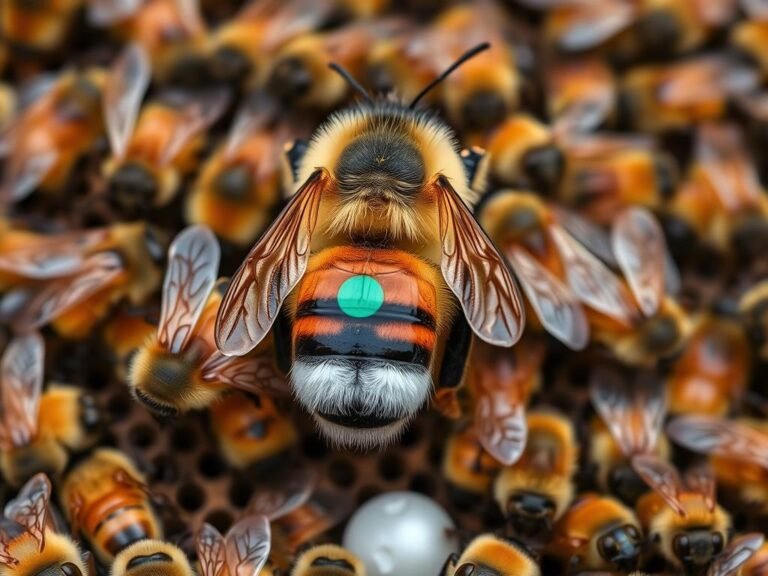
New World Carniolan, commonly abbreviated NWC, is a closed-population breeding line of Carniolan-derived honey bees developed and maintained entirely within the United States. Rather than being a wild subspecies or a simple import, it’s a deliberately managed genetic line, bred using controlled techniques over many generations to preserve core Carniolan traits while allowing for ongoing selective improvement.
Sue Cobey and the Program’s Origins
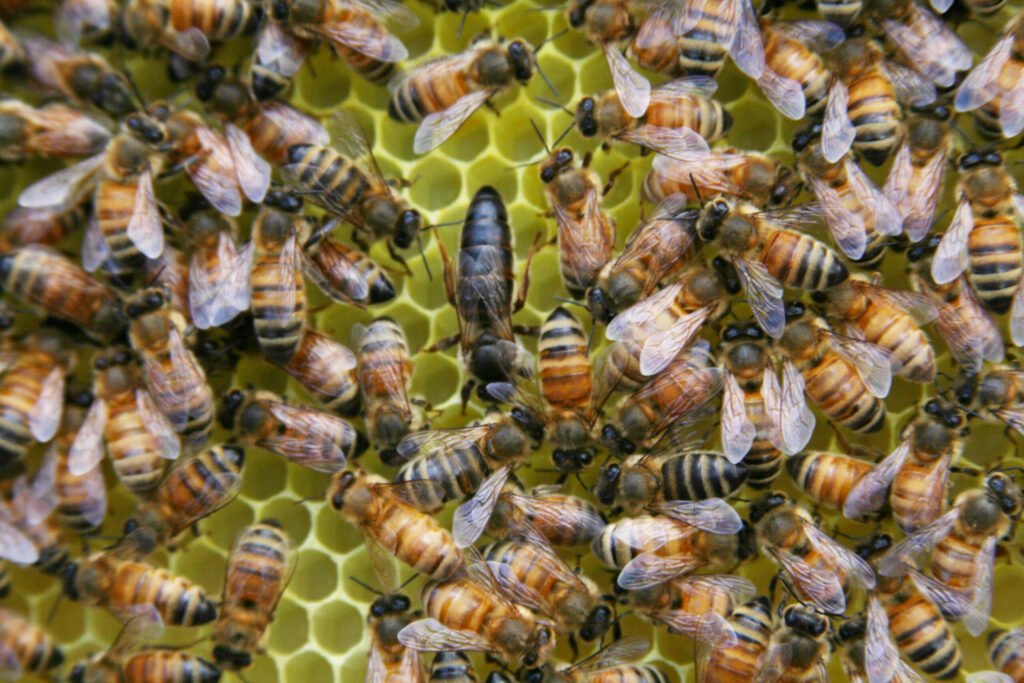
The New World Carniolan program was founded in 1982 by bee breeder and geneticist Susan (Sue) Cobey, working with Tim Lawrence at Vaca Valley Apiaries in California. Cobey is a well-known figure in honey bee breeding circles, recognized internationally for her work in instrumental insemination and closed-population breeding methodology. Her sustained, direct involvement in developing and maintaining the NWC line over more than four decades gives the entire program a genuine, well-documented, traceable pedigree within American bee breeding history, rather than the kind of loosely defined or informally assembled stock more common elsewhere in the market.
Why a Domestic Breeding Program Was Necessary
US regulations restrict the importation of live adult honey bees from most other countries, largely as a disease and pest control measure. This means beekeepers can’t simply import fresh Carniolan queens or colonies from Carniola (a region in present-day Slovenia, the breed’s traditional homeland) whenever they want new genetic stock. The New World Carniolan program exists specifically to solve this problem, maintaining Carniolan characteristics through a domestic breeding population rather than relying on genetics that can no longer be legally refreshed from the source region.
A Program With Real Institutional Roots
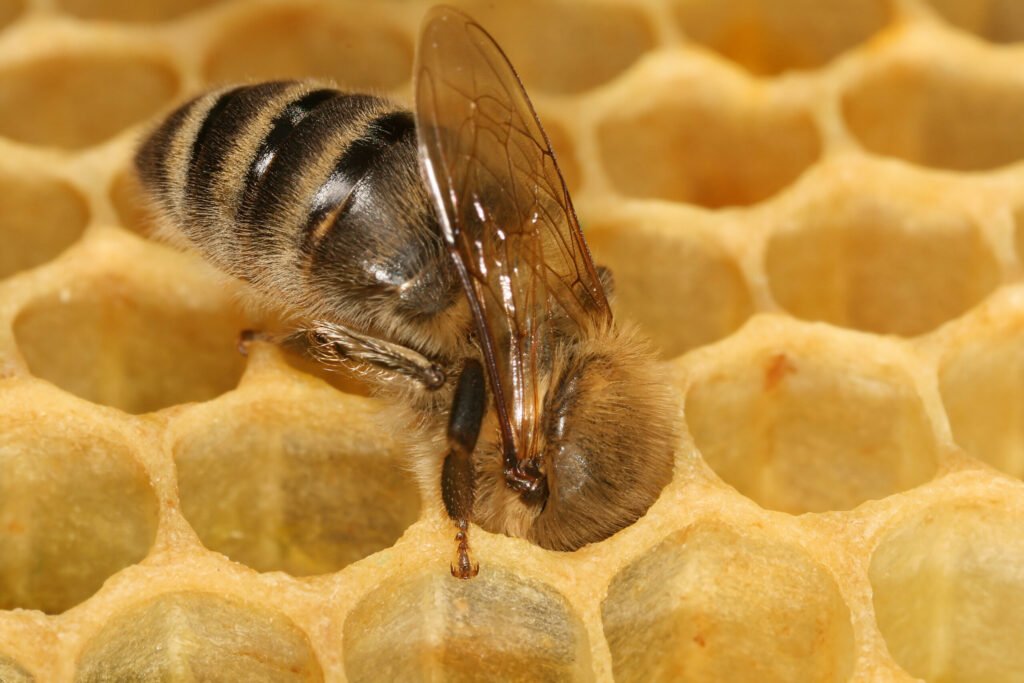
The New World Carniolan program was modeled on the Page-Laidlaw Closed Population Breeding concept and has moved together with Cobey through a series of research institutions since its 1982 founding: from Vaca Valley Apiaries to Ohio State University, then the University of California, Davis, and currently Washington State University, where the program works with researcher Steve Sheppard and has progressed to roughly its 40th generation, according to American Bee Journal’s 2021 coverage of the program’s transition. This institutional grounding, rather than a purely private or informal breeding effort, is part of what gives the NWC line its documented, traceable pedigree compared to more casually assembled “Carniolan-type” stock sold without the same breeding history.
What “Closed Population” Breeding Actually Means
A closed population breeding program maintains genetic diversity within a defined, controlled group of breeding stock, rather than continually introducing new genetics from outside sources. This requires careful, deliberate, ongoing management to avoid the inbreeding problems that can otherwise arise within a smaller, closed gene pool over successive generations, generally accomplished through maintaining several distinct genetic lines within the program and precisely tracking pedigree records to control which specific lines are bred together at any given time.
The Role of Instrumental Insemination
Instrumental insemination — the artificial insemination of queen bees using carefully selected drone semen under controlled laboratory conditions — is a core tool in maintaining a closed population breeding program like NWC. This technique allows breeders to control matings with real precision, something impossible to guarantee with natural queen mating flights where a queen may mate with drones from entirely unknown, uncontrolled sources, making it genuinely essential to the level of genetic control this kind of breeding program requires.
Traits Selected For
The New World Carniolan program has focused on preserving classic Carniolan traits — including gentle temperament and strong early spring population buildup — while also incorporating ongoing selection for additional traits relevant to modern beekeeping challenges, including hygienic behavior and mite resistance; current NWC producer partners report that all breeding stock is hygienically tested before distribution. This blend of preserving traditional breed characteristics while actively selecting for contemporary priorities is a genuine, ongoing balancing act central to the program’s purpose, similar in spirit to how Russian honey bees combine naturally evolved mite tolerance with the practical realities of a managed breeding population.
How NWC Differs From Generic Carniolan Stock
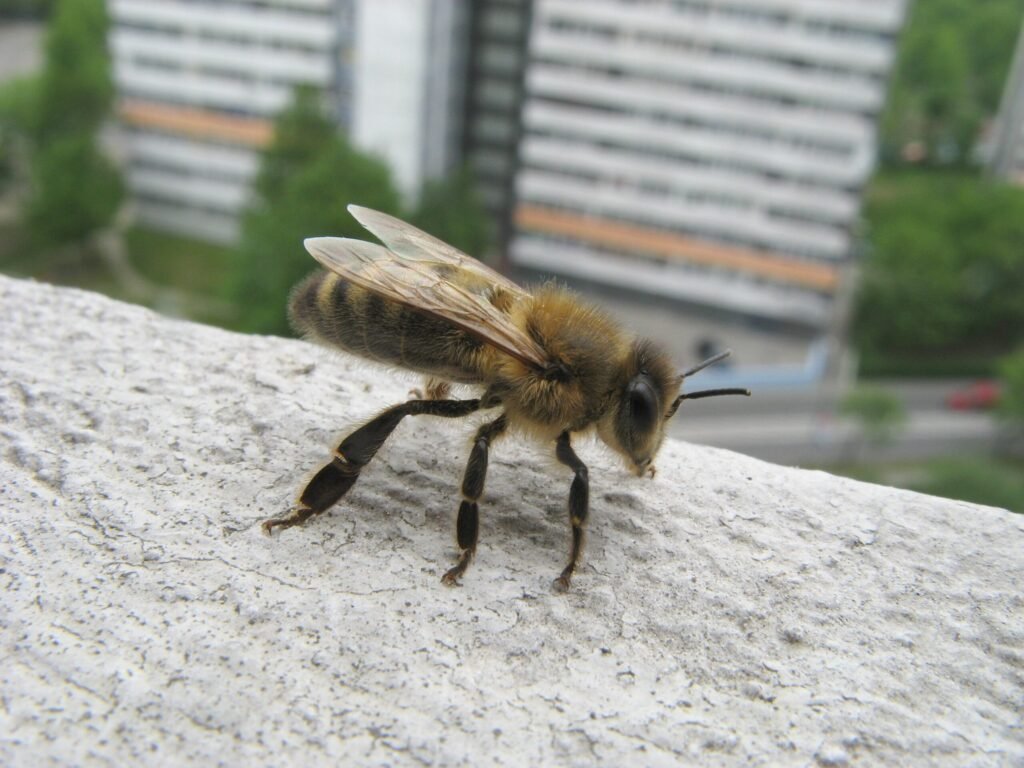
Not every queen or colony marketed as “Carniolan” in the US traces back to the formal New World Carniolan closed-population program specifically; some Carniolan-type stock available commercially reflects more general breeding based on Carniolan characteristics without the same level of documented pedigree and controlled genetic management. NWC represents a more rigorously maintained, traceable genetic line within the broader category of Carniolan-type bees available to American beekeepers, in the same way Minnesota Hygienic bees represent a specific, documented selection program rather than a loose regional label.
What Kind of Beekeeper Tends to Choose NWC
Beekeepers drawn to New World Carniolan stock tend to be those specifically interested in classic Carniolan traits — gentle temperament and strong overwintering ability in particular — combined with wanting documented, traceable genetics rather than an unknown-pedigree “Carniolan-type” queen. This makes NWC a genuinely relevant option for beekeepers in colder climates prioritizing overwintering success, similar to the appeal of other cold-hardy stock covered on this site, while also suiting anyone who values breeding transparency as much as the underlying racial characteristics themselves.
Where NWC Queens Are Available Today
Strachan Apiaries is the world’s largest producer of The New World Carniolan Queen Bee.
That’s how Strachan Apiaries — a 10,000-hive California operation founded in 1954 — describes its own role on its official queen-bee page, and as of the program’s most recent public transition announcement, Strachan and Buzz’s Bees serve as the program’s Certified NWC Producer Partners, continuing the line’s legacy in cooperation with Susan Cobey and the Washington State University program. It’s worth noting some breeders who trace their own stock’s origins back to NWC genetics, such as Old Sol Apiaries in Oregon, have since developed separate, differently-named blended lines incorporating NWC as one of several founding contributors rather than distributing certified pure NWC queens themselves — a useful reminder to check directly with a supplier about exactly which genetic line a queen represents rather than assuming from a “Carniolan” label alone.
New World Carniolan vs. Other Named Breeding Lines
| Feature | New World Carniolan | Minnesota Hygienic | Buckfast |
|---|---|---|---|
| Base stock | Carniolan | Mixed, selected for hygiene | Multi-race hybrid |
| Breeding method | Closed population, instrumental insemination | University-managed selection | Deliberate cross-breeding |
| Primary goal | Preserve Carniolan traits domestically | Hygienic mite resistance | Combined desirable traits |
| Origin | United States (1982) | University of Minnesota | UK (Brother Adam) |
Common Misconceptions
The most common misconception is assuming any bee sold as “Carniolan” in the US automatically comes from the formal New World Carniolan program, when the name NWC specifically refers to this documented closed-population breeding line rather than being a generic synonym for all Carniolan-type stock — including stock that started with NWC genetics decades ago but has since been selectively bred into a separate, differently-named line. A second common misconception is assuming domestic breeding programs like this one are a lesser substitute for imported genetics, when in practice a well-managed closed population program can offer genuinely reliable, traceable genetics that imported stock of unknown recent history may not.
For northern beekeepers, see our overview of cold-adapted honeybee strains and how they compare.
Frequently Asked Questions
Is New World Carniolan the same thing as regular Carniolan honey bees?
Not exactly; NWC is a specific, documented closed-population breeding line derived from Carniolan stock, distinct from more loosely defined Carniolan-type bees that haven’t gone through the same controlled breeding program.
Why can’t beekeepers just import fresh Carniolan queens from Europe?
US regulations restrict live honey bee imports from most countries as a disease and pest prevention measure, making domestic breeding programs like NWC necessary to maintain and improve Carniolan genetics within the country.
Are New World Carniolan bees varroa-resistant?
The program has incorporated selection for hygienic behavior and mite resistance alongside preserving traditional Carniolan traits, though as with any breeding line, resistance level can vary and shouldn’t be treated as a guarantee of complete mite immunity.
Who currently produces certified New World Carniolan queens?
As of the program’s most recent public update, Strachan Apiaries and Buzz’s Bees serve as the Certified NWC Producer Partners, working in cooperation with Susan Cobey and the Washington State University program that has maintained the line since Ohio State and UC Davis.
Can a beekeeper perform instrumental insemination themselves, or does it require specialized training?
Instrumental insemination requires specialized equipment and considerable hands-on training to perform reliably, and it’s generally carried out by experienced breeders or specialists rather than something a typical hobbyist beekeeper does routinely, which is part of why closed-population breeding programs like NWC are usually run by dedicated breeders rather than individual small-scale keepers.
How does a closed population breeding program avoid problems from inbreeding over many generations?
Programs like NWC manage this by maintaining several distinct genetic lines within the closed population and carefully tracking pedigree to control which lines are paired together, effectively preserving genetic diversity within a controlled group rather than relying on a single narrow bloodline that would be far more vulnerable to inbreeding depression over time.
Is New World Carniolan considered a separate honey bee subspecies from regular Carniolan bees?
No, it remains fundamentally Carniolan-derived stock (Apis mellifera carnica) rather than a distinct subspecies; NWC describes a specific, documented breeding program and lineage within that broader Carniolan foundation rather than a taxonomically separate honey bee.
Further Reading
For more on the program’s genetics background, see this site’s own overview of honey bee genetics, which discusses closed-population breeding programs including NWC in a broader context, and the USDA Agricultural Research Service’s Honey Bee Breeding, Genetics and Physiology Research Unit for federal research on honey bee breeding more broadly.