Table of Contents
- Origin and Arrival in America
- Physical Appearance and Color Strains
- Temperament and Handling
- Early, Aggressive Spring Buildup
- Honest Drawbacks: Stores Consumption and Robbing
- Comb Building and White Cappings
- Who Should Choose Italian Bees
- Common Mistakes
- How Italian Bees Compare to Other Common Races
- Honey Yield Expectations
- Managing Swarm Risk on an Italian Colony
- Availability and Sourcing
- Disease Resistance Considerations
- Italian Genetics in Modern Hybrid Lines
- Best Regional Fit for Italian Bees
- Feeding and Winter Prep for Italian Colonies
- Why Italian Queens Are Easier to Spot
- Preventing Robbing in an Italian-Heavy Apiary
- Combining Italian Colonies With Other Races
- Italian Bees’ Broader Legacy in American Beekeeping
Origin and Arrival in America
The Italian honey bee (Apis mellifera ligustica) is native to the Italian peninsula south of the Alps, where it survived the last ice age in relative isolation from other European bee populations. Italian bees were first introduced to the United States in 1859, and their combination of gentleness, strong honey production, and disease resistance compared to the previously established dark European bee led to rapid, widespread adoption that continues today – Italian bees remain the most commonly kept honey bee subspecies in both the United States and Europe.
Physical Appearance and Color Strains
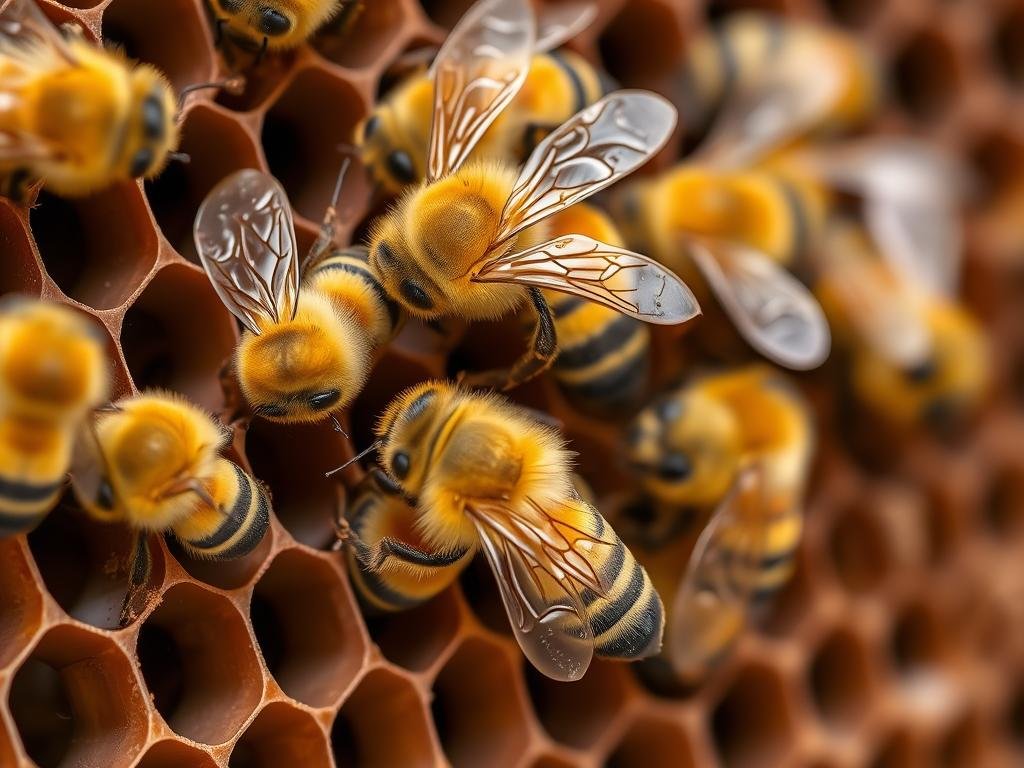
Italian bees are immediately recognizable by the brown-and-yellow banding across the abdomen, though the exact shade varies across three recognized color strains: leather-colored, bright yellow (golden), and very pale yellow, the last of which overlaps with the Cordovan color variant covered in our dedicated Cordovan bee guide. This lighter, more visually distinct coloring, compared to the uniformly dark Carniolan or Caucasian races, is part of why Italian queens are often noticeably easier to spot on a frame during inspections.
Temperament and Handling
Italian bees are widely regarded as a gentle, easy-to-handle race, a major factor in their popularity among both commercial operations and first-time hobbyist beekeepers who want a forgiving colony to learn on. They’re generally calm on the comb during routine inspections, though, like any race, individual colony temperament can vary with queen genetics, weather, and hive conditions regardless of the underlying race.
This walkthrough from Mountain Sweet Honey covers the same practical traits discussed above – gentleness, coloring, and buildup speed – from a working beekeeper’s hands-on perspective at the hive.
Early, Aggressive Spring Buildup
Italian colonies are known for building up population early and aggressively in spring, reaching strong field-force numbers well ahead of many other races and making them a good match for regions with an early-arriving main nectar flow. This same trait, however, means Italian colonies often need earlier and more attentive swarm-prevention management than slower-building races, since a colony that grows quickly can also reach a crowded, swarm-prone state sooner than a beekeeper checking on a leisurely schedule might expect.
Honest Drawbacks: Stores Consumption and Robbing
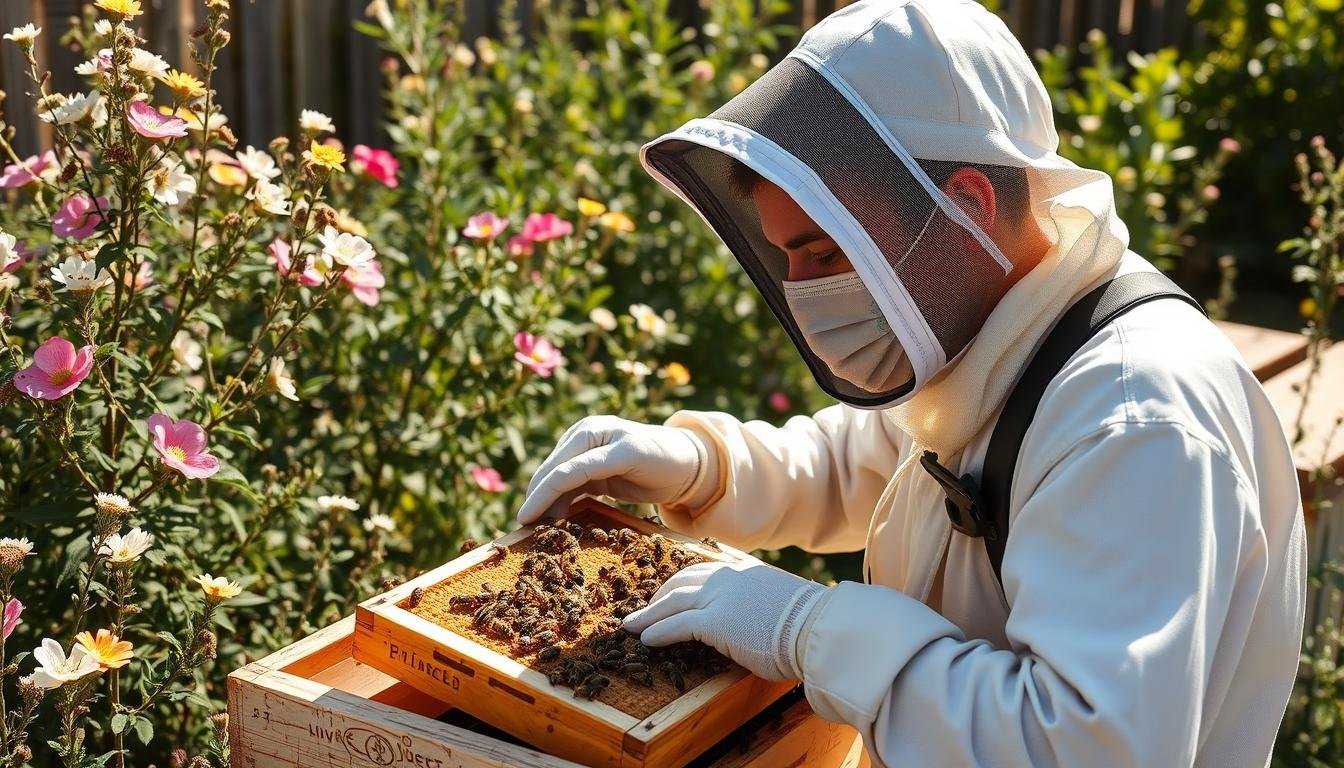
Italian bees have a real, well-documented weakness worth stating honestly rather than glossing over: their typically large colony populations consume winter stores at a higher rate than more modest-population races, which can mean a higher risk of winter starvation if a beekeeper doesn’t feed adequately or leave sufficient honey reserves. Italian bees are also documented as more prone to drifting and robbing behavior than several other European races, historically noted even in the 1800s as inclined to rob weaker colonies of the native dark bees they were displacing.
Comb Building and White Cappings
Italian bees are enthusiastic, reliable comb builders with a strong readiness to move up into honey supers, and their honey cappings are typically bright white, a cosmetic trait many honey producers specifically value for cut-comb and comb-honey products where cap appearance affects perceived quality. This combination of comb-building zeal and honey-flow eagerness is part of why Italian bees remain a default choice for commercial honey production operations.
Who Should Choose Italian Bees
Italian bees are a strong fit for beginners wanting a gentle, forgiving colony to learn on, for regions with an early spring nectar flow that rewards fast buildup, and for honey producers who value bright cappings and strong comb-building behavior. They’re a weaker fit for beekeepers in harsh winter climates who can’t commit to careful stores monitoring and supplemental feeding, or for apiaries already dealing with robbing pressure where adding a robbing-prone race could make the problem worse.
How Italian Bees Compare to Other Common Races
Against the Carniolan bee, Italian bees trade that race’s more conservative winter-stores management and explosive-but-controlled spring buildup for faster, less restrained population growth and correspondingly higher food consumption. Against the Caucasian bee, Italians build up earlier in spring rather than mid-summer, use far less propolis, and generally show lighter coloring, making the two races well suited to almost opposite regional bloom patterns.
| Trait | Italian | Carniolan | Caucasian | Russian |
|---|---|---|---|---|
| Color | Golden-yellow banding | Uniformly dark gray-brown | Dark, silvery-gray hair | Dark, variable |
| Temperament | Gentle, forgiving | Very gentle | Gentle, heavy propolis use | Moderate, more defensive |
| Spring buildup | Early and fast | Explosive but weather-responsive | Slower, mid-summer peak | Delayed until pollen is confirmed available |
| Winter stores use | Higher (larger populations) | Conservative | Moderate | Conservative |
| Mite resistance | None inherent | None inherent | None inherent | Naturally higher (VSH-linked) |
| Availability in the US | Highest, nationwide | Good, widely bred | Limited, specialty breeders | Limited, specialty breeders |
Honey Yield Expectations
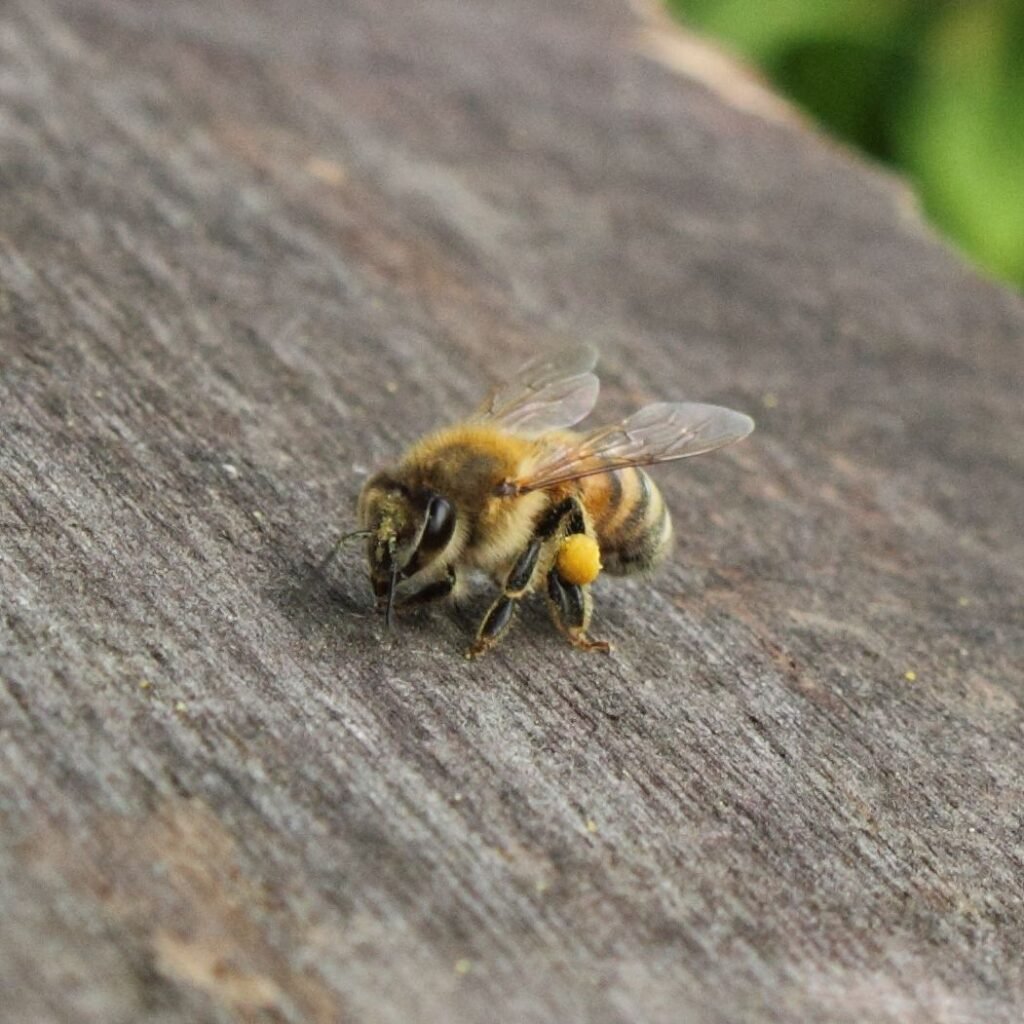
Italian colonies are widely regarded as strong, reliable honey producers, a reputation earned through the combination of large field-force populations, comb-building enthusiasm, and genuine eagerness to move into supers once a nectar flow is underway. A 2019 study by Andonov, Costa, Uzunov and colleagues published in BMC Genetics, “Modeling honey yield, defensive and swarming behaviors of Italian honey bees,” quantified this productivity alongside the same colonies’ defensive and swarming behavior, treating honey yield as one of several linked traits rather than an isolated number – a useful reminder that yield, temperament, and swarm tendency in this race move together rather than independently. Actual yield still depends heavily on local forage, weather, and colony management rather than race alone, but among commonly available races, Italian bees are consistently near the top for raw honey production potential.
Managing Swarm Risk on an Italian Colony
Because Italian colonies build up so quickly in spring, staying ahead of swarm risk means checking hives on a tighter schedule during buildup season than a slower-building race might require, adding supers proactively rather than reactively, and watching for queen cells starting earlier in the season than beekeepers used to other races might expect. Brood box reversal and adequate super space are both standard tools for managing this earlier swarm pressure.
Availability and Sourcing
Italian queens and packages are by far the most widely available of any race in the United States, sold by essentially every major commercial queen breeder and package supplier, which also generally makes them the most affordable and easiest option for a beginner to source locally or by mail. This wide availability stands in sharp contrast to less commercially popular races like Caucasian bees, where sourcing purebred stock takes considerably more searching. Package suppliers today can typically ship Italian queens and packages nearly nationwide within a matter of days during the spring ordering season, a level of logistical ease that specialty races simply can’t match given their smaller breeder networks. This affordability and availability advantage is also why Italian bees remain the most common choice for replacing winter losses quickly each spring, when beekeepers need reliable stock on a tight seasonal timeline rather than a specialty order with a longer lead time. Even beekeepers who ultimately prefer a different race for their long-term apiary often start with an Italian package or nuc simply because it is the fastest, most predictable way to get a colony established in the first place, before later requeening toward whatever specialty stock actually suits their goals.
Disease Resistance Considerations
Italian bees were historically noted as more disease-resistant than the dark European bee they displaced in 1800s America, but that comparison is against a bee line largely absent from modern commercial beekeeping rather than against today’s mite-resistant lines like Russian or Saskatraz genetics. Modern Italian stock carries no particular built-in resistance to varroa mites, meaning Italian colonies need the same standard mite-monitoring and treatment regimen as most other conventional commercial races.
Italian Genetics in Modern Hybrid Lines
Italian genetics form the base stock behind several modern selectively bred lines, including the USDA’s Pol-line hygienic breeding program, which selects for Varroa Sensitive Hygiene behavior while retaining an Italian genetic foundation and its associated gentleness and productivity. This makes Italian bees not just a standalone race choice but also the genetic starting point many modern breeding programs build additional traits onto rather than replace entirely.
Best Regional Fit for Italian Bees
Italian bees are the strongest regional fit for temperate climates with a clear early-to-mid spring nectar flow, where their fast buildup timing lines up well with the available forage window, and for any beekeeper prioritizing easy sourcing and a gentle learning colony over specialized traits. They’re a comparatively weaker fit for very short-season northern climates where a large, fast-consuming colony population raises winter starvation risk without close stores management.
Feeding and Winter Prep for Italian Colonies
Given the documented tendency toward higher winter-stores consumption, Italian colonies benefit from proactive fall feeding to top off reserves well ahead of the first hard frost, rather than waiting to react once a colony is already showing signs of running short. Weighing hives periodically through late fall, using a simple hive scale or even a hand-lift check, helps catch a colony trending toward insufficient stores in time to still correct it with supplemental syrup or candy boards.
Why Italian Queens Are Easier to Spot
The lighter, more golden coloring typical of Italian queens makes them noticeably easier to pick out against a frame of workers than the darker queens of Carniolan or Caucasian colonies, a real practical advantage during routine inspections, swarm-cell checks, or queen-marking sessions. This visual advantage is one of several small, cumulative reasons Italian bees remain a popular first choice for beekeepers still building frame-reading confidence.
Preventing Robbing in an Italian-Heavy Apiary
Given Italian bees’ documented robbing tendency, apiaries running mostly Italian colonies benefit from standard robbing-prevention practices applied a bit more consistently than they might with a less robbing-prone race: reducing entrances on weaker colonies during dearth periods, avoiding open feeding, and being especially careful not to leave supers or extracted equipment exposed near the hives. These same precautions matter for any apiary, but the margin for casual mistakes is somewhat narrower with a robbing-prone race in the mix.
Combining Italian Colonies With Other Races
Italian colonies coexist fine alongside other races in a mixed apiary, and their wide availability makes them a common default choice to fill out a yard that also includes specialty stock like Caucasian or Russian bees for specific traits. Beekeepers running mixed-race yards should simply keep the robbing and drifting tendencies of Italian colonies in mind when placing hives, spacing entrances, and orienting hive fronts to reduce drift-driven confusion between colonies.
Italian Bees’ Broader Legacy in American Beekeeping
The 1859 introduction of Italian bees to America happened during the same broad era that Langstroth’s movable-frame hive was standardizing beekeeping equipment nationwide, and the two developments together – a manageable modern hive design paired with a genuinely productive, gentle bee race – are often credited as foundational to American beekeeping becoming a viable commercial industry rather than a small-scale hobby. That legacy is still visible today in just how dominant Italian genetics remain across commercial and hobbyist apiaries alike, more than a century and a half later.
Common Mistakes
Assuming Italian bees’ gentle reputation means they need less winter-stores monitoring than other races overlooks their real, well-documented tendency toward higher stores consumption from larger colony populations. Underestimating how quickly an Italian colony can reach swarm-prone crowding during its characteristically early, fast spring buildup risks missing the swarm-prevention window entirely. Placing a new Italian colony in an apiary already experiencing robbing problems without extra precautions can compound an existing issue given the race’s documented robbing tendency.
Sources
Origin, historical import date, and behavioral trait details reflect published entomological and historical beekeeping records on Apis mellifera ligustica. For current, authoritative detail, see the USDA Agricultural Research Service’s Honey Bee Breeding, Genetics and Physiology Research Unit.
FAQ
Why are Italian bees the most common bee in America?
Since their introduction in 1859, Italian bees have been favored for their gentle temperament, strong honey production, fast spring buildup, and disease resistance compared to the dark European bee they largely displaced, making them the default choice for most commercial and hobbyist beekeepers.
Are Italian bees good for beginners?
Yes, generally. Their gentle temperament makes them forgiving to learn on, though beginners should still watch winter stores carefully given the race’s documented tendency toward higher consumption from larger colony populations.
Do Italian bees rob other colonies?
They’re documented as somewhat more prone to drifting and robbing behavior than several other European races, a trait worth factoring in if managing an apiary alongside weaker colonies or races more vulnerable to robbing.
How can I tell an Italian bee from other races?
Look for the characteristic brown-and-yellow abdominal banding, ranging from leather-colored to bright golden to very pale yellow depending on the specific strain, in contrast to the uniformly dark coloring of races like Carniolan or Caucasian bees.