Last Updated September 16, 2026
Varroa Sensitive Hygiene (VSH) is a specific, scientifically documented genetic trait, first identified at the USDA’s Honey Bee Breeding, Genetics and Physiology Laboratory in Baton Rouge, Louisiana, that lets worker bees detect and remove mite-infested brood before the mites inside can finish reproducing. It is a trait bred into stock, not a breed itself, and understanding that distinction is the single most useful thing to know before buying “VSH” queens.
Key Takeaways
- VSH was originally identified and named “SMR” (Suppressed Mite Reproduction) by USDA researcher John Harbo around 2000; it was renamed VSH after Ibrahim and Spivak’s 2003 research traced the mechanism to hygienic removal behavior, not direct suppression of mite fertility.
- VSH bees preferentially remove infested pupae under about five days post-capping (Harris, 2007) — targeted, precise removal, not generic hygienic cleanup of any dead brood.
- A real August 2025 study (University of Minnesota + USDA-ARS Baton Rouge, published in PLOS ONE) found VSH-bred Pol-line bees are just as chalkbrood-resistant as bees bred specifically for general hygienic behavior — a genuine, current, citable secondary benefit.
- VSH is a trait involving a small number of genes bred into many different base stocks (including Pol-line), not a standalone breed — a “VSH” queen tells you about her mite-hygiene behavior specifically, not her temperament or honey production.
- VSH reduces mite population growth significantly but doesn’t eliminate mites; pair it with regular alcohol-wash monitoring rather than treating it as a standalone replacement.
Table of Contents
- What VSH Actually Is
- How the USDA Developed the VSH Trait
- How VSH Actually Suppresses Mite Reproduction
- VSH vs. the Older “SMR” Name
- Why VSH Is a Trait, Not a Breed
- Bee Lines That Carry the VSH Trait
- Buying VSH Queens: What to Actually Look For
- Honest Limitations of VSH Stock
- Who Should Prioritize VSH Genetics
- How Researchers Actually Test for VSH Expression
- A Genuine Secondary Benefit: Chalkbrood Resistance
- Combining VSH Genetics With Active Monitoring
- Cost and Availability Considerations
- The Genetic Basis: Just a Few Genes
- Signs VSH Behavior Is Actually Working in Your Hive
- Does Selecting for VSH Trade Off Against Other Traits?
- Best Timing for Introducing VSH Queens
- Common Mistakes
What VSH Actually Is
It’s one of the most scientifically validated mechanisms behind mite-resistant bee breeding, and it’s important to understand it as a specific trait rather than a marketing term, since it gets referenced (and sometimes vaguely implied) across many different commercial bee lines.
How the USDA Developed the VSH Trait
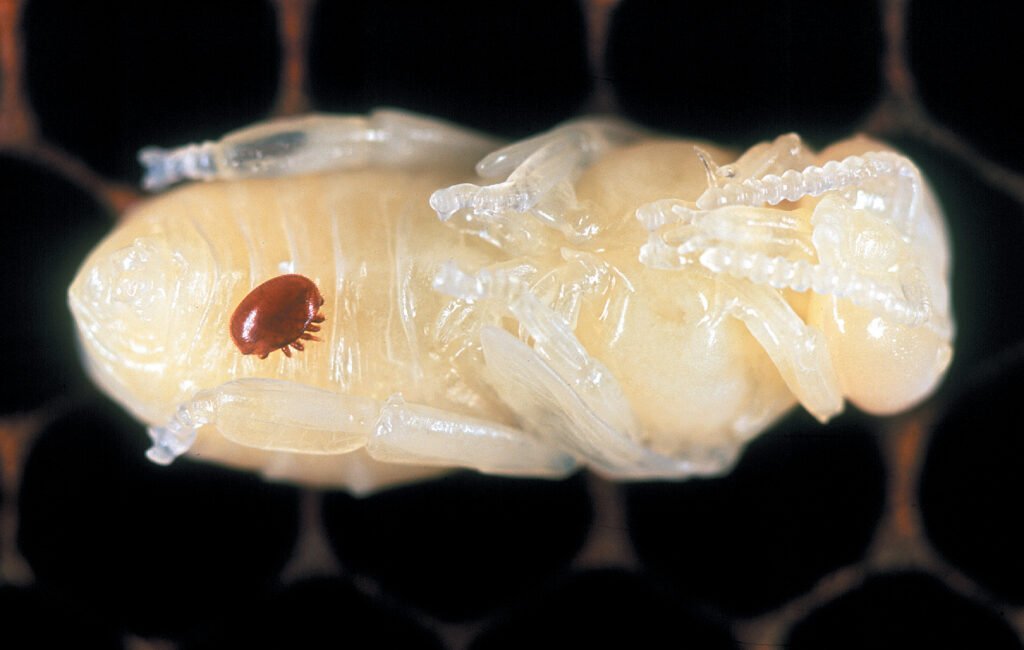
The USDA’s Honey Bee Breeding, Genetics and Physiology Laboratory in Baton Rouge, Louisiana developed the trait after researcher John Harbo was assigned in 1992 to breed bees for varroa resistance. Selecting from colonies naturally found to have high percentages of infertile mites, Harris and Harbo formally termed it “Suppression of Mite Reproduction” (SMR) around 2000, before Ibrahim and Spivak’s 2003 research traced the actual mechanism to hygienic removal behavior rather than bees somehow directly sterilizing mites, leading to the more accurate VSH name. It remains one of the longer-established, more rigorously studied genetic mite-resistance mechanisms in commercial use today.
How VSH Actually Suppresses Mite Reproduction
Bees expressing the VSH trait are able to detect brood cells containing reproducing varroa mites — specifically worker brood around 4-6 days post-capping — and selectively uncap and remove that infested brood before the developing mite offspring can mature and emerge. This selective, targeted removal is meaningfully different from generic hygienic behavior (which removes any dead or diseased brood broadly); VSH bees are specifically detecting and responding to the presence of reproducing mites inside otherwise normal-looking capped cells, a much more precise mechanism.
VSH vs. the Older “SMR” Name
VSH was originally described under the name SMR, for “Suppressed Mite Reproduction,” before researchers better understood that the underlying mechanism was actually a hygienic-removal behavior rather than bees somehow directly suppressing mite fertility itself — the name changed to Varroa Sensitive Hygiene to reflect this more accurate understanding of the mechanism. If you encounter “SMR” in older beekeeping literature or older queen-breeder marketing material, it’s referring to the same underlying trait now more accurately called VSH.
Why VSH Is a Trait, Not a Breed
Unlike Buckfast or Saskatraz, which describe specific breeding lineages with their own broader package of selected characteristics, VSH describes a single genetic trait, believed to involve only a small handful of genes, that can be bred into many different underlying bee stocks. This matters practically: a queen marketed as “VSH” tells you specifically about her mite-hygiene behavior, not necessarily anything about her temperament, honey production, or swarming tendency, which depend on whatever base stock the VSH trait was bred into.
Bee Lines That Carry the VSH Trait
| Line | Relationship to VSH |
|---|---|
| Pure VSH stock | Bred specifically and primarily for the VSH trait itself |
| Pol-line | USDA-developed line combining VSH with additional selected traits |
| Russian honey bees | Show naturally elevated VSH-related hygienic behavior in some studies, though bred independently of the USDA VSH program |
| Saskatraz | A hybrid incorporating some mite-resistant genetics, though not identical to dedicated VSH stock |
This is why checking exactly what a breeder means by “VSH genetics” matters — a queen from dedicated VSH breeding stock and a queen from a hybrid line that simply incorporates some VSH-related ancestry are not making the same claim about mite resistance.
Buying VSH Queens: What to Actually Look For
Look for breeders who can specifically reference USDA-ARS VSH stock lineage or a recognized VSH breeding cooperative, rather than a general “mite-resistant” marketing claim without specifics — the VSH trait has a documented scientific basis and traceable breeding history, so a credible source should be able to speak to that history directly. Regional VSH breeder networks and queen-rearing cooperatives in several states maintain and distribute VSH-selected stock, often at a modest premium over standard package queens reflecting the additional selection work involved.
Honest Limitations of VSH Stock
VSH reduces mite population growth significantly but does not eliminate mites entirely, and most beekeepers running VSH stock still benefit from periodic mite monitoring (via an alcohol wash or sugar roll) even if they treat less frequently than with non-resistant stock. Trait expression can also vary between individual colonies and can be diluted over generations through open mating with non-VSH drones, the same genetic-drift consideration that applies to any selectively bred trait.
Who Should Prioritize VSH Genetics
Beekeepers wanting to reduce chemical mite treatment frequency, especially those managing colonies in regions with high mite pressure or beekeepers philosophically committed to treatment-minimal management, are the strongest fit for actively seeking out VSH stock. A beekeeper prioritizing temperament and honey production over mite genetics specifically may prefer Buckfast bees instead. A beekeeper already satisfied with their current treatment regimen and stock temperament may not see a compelling enough reason to switch, since VSH’s main benefit is specifically mite-related rather than a broader productivity or temperament improvement.
How Researchers Actually Test for VSH Expression
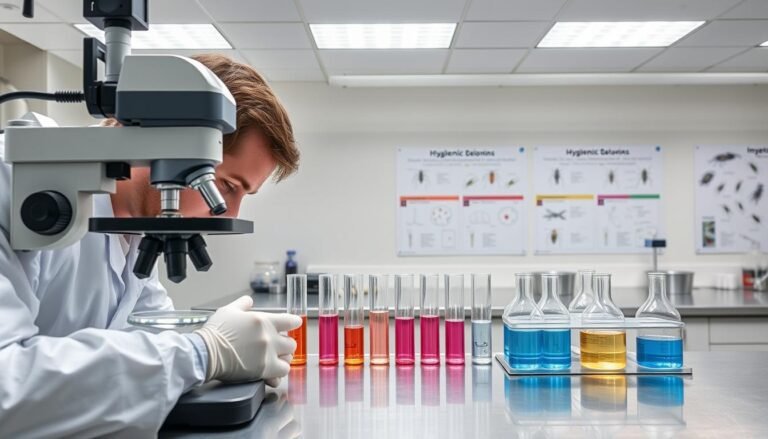
Evaluating a colony’s VSH expression involves deliberately introducing mite-infested brood into a test colony and later measuring what percentage of the introduced mites successfully reproduced versus were disrupted, a more precise and labor-intensive process than a standard alcohol wash mite count. This kind of testing is generally done by dedicated breeding programs and researchers rather than individual beekeepers, which is part of why sourcing from a program with documented testing methodology matters more for VSH specifically than for many other selected traits.
A Genuine Secondary Benefit: Chalkbrood Resistance
An August 2025 study by researchers at the University of Minnesota and the USDA-ARS Honey Bee Breeding, Genetics and Physiology Research unit in Baton Rouge, published in PLOS ONE, found that Pol-line colonies bred specifically for VSH are just as resistant to chalkbrood disease (a fungal brood disease unrelated to varroa) as commercial bees bred specifically for general hygienic behavior — even though the Pol-line was never selected for chalkbrood resistance directly. The likely explanation is the same hygienic-removal mechanism that clears mite-infested brood also helps clear chalkbrood-infected brood before the fungus spreads further through the colony. This kind of cross-benefit is a genuinely useful bonus most casual VSH marketing doesn’t mention, and it’s a good example of why a well-documented hygienic mechanism tends to pay off in more than one specific problem area.

Combining VSH Genetics With Active Monitoring
The most effective approach beekeepers report is treating VSH genetics as one layer in an integrated pest management strategy rather than a standalone replacement for monitoring, pairing VSH stock with regular alcohol-wash or sugar-roll mite counts and treating only when counts exceed an established threshold. This combined approach captures the real benefit of reduced treatment frequency the trait offers, while still catching the occasional colony where trait expression underperforms and mite levels climb faster than expected.
Cost and Availability Considerations
VSH-line queens generally carry a modest price premium over standard package queens, reflecting the additional selection and testing work involved, though the premium is typically smaller than for some highly specialized hybrid lines since VSH breeding cooperatives have worked to keep the trait accessible to a broad range of beekeepers rather than treating it as an exclusive proprietary product. Availability varies by region — some areas have well-established regional VSH breeder networks, while others may require ordering queens shipped from further away, which is worth factoring into timing if you’re planning a spring requeening around VSH stock specifically.
The Genetic Basis: Just a Few Genes
Backcrossing studies suggest the VSH trait involves a relatively small group of genes, possibly as few as two, which is part of why it has proven practical to breed into a range of different underlying bee stocks rather than requiring a complete genetic overhaul of a colony’s existing lineage. This relatively simple genetic basis, compared to more complex multi-gene traits like general foraging behavior or overall colony productivity, is also part of why VSH has been one of the more successfully and consistently reproduced mite-resistance mechanisms across different breeding programs.
Signs VSH Behavior Is Actually Working in Your Hive
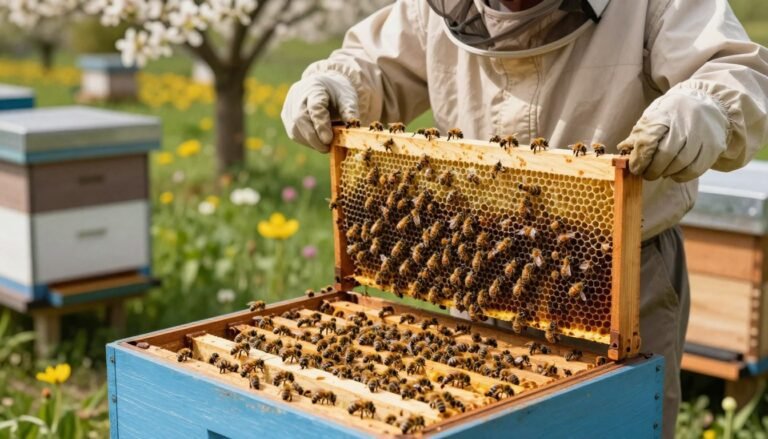
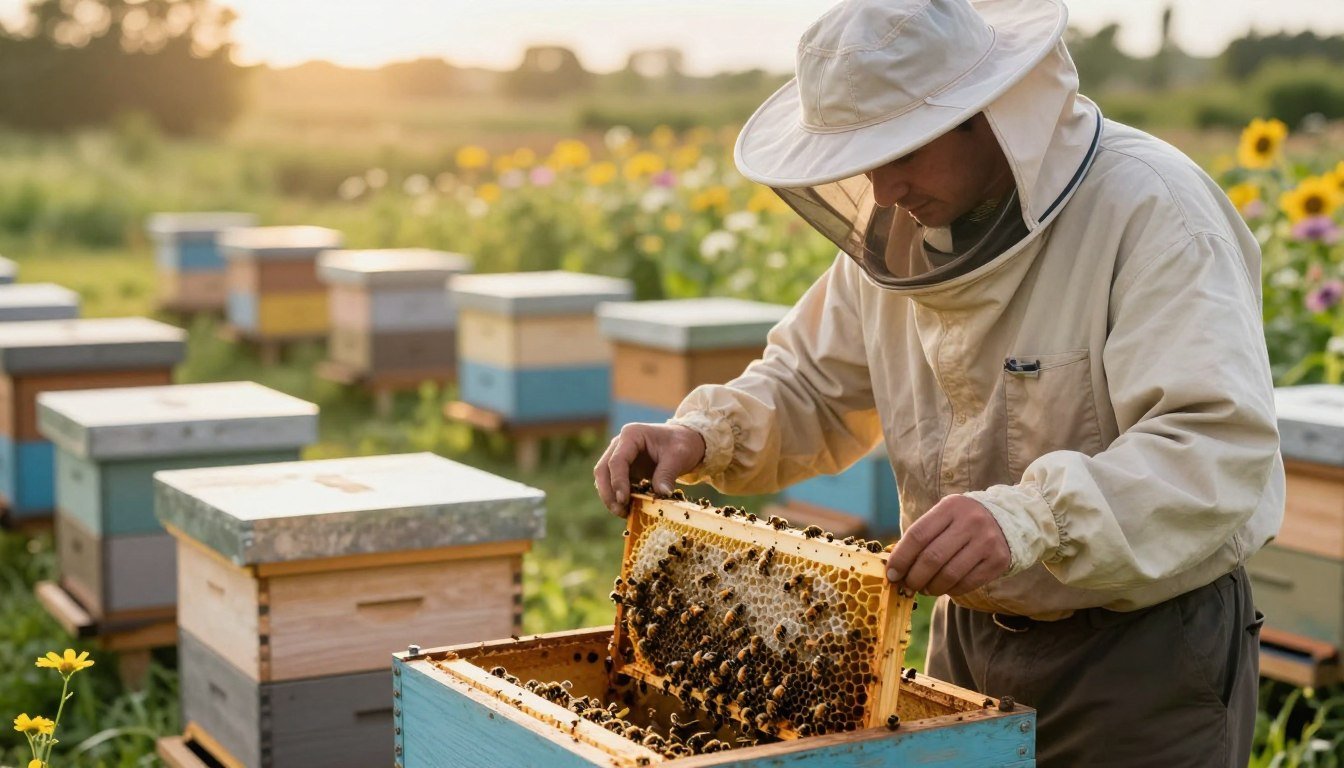
Beekeepers with VSH stock sometimes report noticing chewed-open, uncapped cells scattered irregularly across brood frames during inspection — a visible sign of the hygienic-removal behavior in action, distinct from the more uniform capped-brood pattern of a colony without the trait. Seeing this pattern isn’t a substitute for an actual mite count, but recognizing it during a routine inspection is a useful, low-effort confirmation that the trait appears to be actively expressing in that particular colony, worth a quick mental note during your regular hive checks.
Does Selecting for VSH Trade Off Against Other Traits?
Because VSH is a narrow, targeted trait rather than a broad selection package, breeding it into an existing productive, gentle line doesn’t inherently require sacrificing temperament or honey production — but the practical reality is that maintaining strong expression of any specific trait alongside everything else takes deliberate, sustained selection work from the breeder, and a breeder focused primarily on VSH expression may not have equally prioritized every other trait a beekeeper might want. Asking a breeder directly what their base stock is, beyond just the VSH trait itself, gives a fuller picture of what a colony will actually be like to keep.
Best Timing for Introducing VSH Queens
Introducing a VSH queen follows the same general timing principles as any requeening — spring or late summer, avoiding the height of a strong nectar flow or periods of dearth stress — with no special VSH-specific timing requirement beyond standard best practice for safe queen introduction and acceptance. Some beekeepers specifically time a VSH requeening for early spring so the trait’s mite-suppressing benefit is active through the full brood-rearing season ahead, capturing the maximum practical benefit from the switch in the same year.
Common Mistakes
Assuming any bee marketed as “hygienic” or “mite-resistant” specifically carries the documented VSH trait overestimates how precise most casual marketing language actually is — hygienic behavior exists on a spectrum, and VSH is a specific, more powerful expression of it, not a synonym for general hygienic behavior. Dropping all mite monitoring and treatment entirely after switching to VSH stock, assuming the trait alone fully solves varroa management, ignores VSH’s real (significant, but partial) limitations. Buying a single VSH queen and expecting the trait to persist unchanged through several generations of open-mated daughter queens overlooks the same genetic-drift issue that affects any selectively bred trait.
Sources
Trait mechanism and breeding history verified directly against the USDA ARS’s own Varroa Sensitive Hygiene description and the documented removal-timing research (Harris, 2007). The chalkbrood finding is cited directly from Dyrbye-Wright et al., PLOS ONE, August 2025. For general lab background, see the USDA Agricultural Research Service’s Honey Bee Breeding, Genetics and Physiology Research Unit.
FAQ
Is VSH the same as general hygienic behavior?
No — VSH is a specific, more targeted trait where bees detect and remove brood cells containing reproducing varroa mites specifically, while general hygienic behavior refers to a broader tendency to remove any dead or diseased brood.
What does “SMR” mean in older beekeeping sources?
SMR (“Suppressed Mite Reproduction”) was the original name for the same trait now called VSH, renamed once researchers better understood the mechanism involved actual hygienic removal behavior rather than direct suppression of mite fertility.
Does VSH mean I never have to treat for mites?
No — VSH significantly reduces mite population growth but doesn’t eliminate mites entirely; most beekeepers with VSH stock still benefit from periodic monitoring, such as with a Varroa EasyCheck alcohol wash, and occasional treatment, just typically less often than with non-resistant stock.
Is VSH a specific breed of bee?
No — VSH is a genetic trait involving a small number of genes that can be bred into many different underlying bee stocks, not a breed or hybrid line in itself like Buckfast or Saskatraz.
Can regular hobbyist beekeepers test their own colonies for VSH expression?
Not practically with standard home equipment — proper VSH testing involves deliberately introducing mite-infested brood and measuring mite reproduction rates, a controlled research-style process typically done by breeding programs rather than individual apiaries.
Image credits: Photo: Denis Anderson, CSIRO, Wikimedia Commons, CC BY 3.0; Photo: Celinebj, Wikimedia Commons, CC BY-SA 4.0.