Last Updated September 16, 2026
Russian honey bees are a genetically distinct strain of Apis mellifera from the Primorsky region of far eastern Russia, imported into the U.S. in 1997 specifically because roughly a century of natural coexistence with varroa mites in their native range left them measurably more mite-resistant than standard commercial stock — without any deliberate modern breeding program producing that resistance.
Key Takeaways
- USDA-ARS geneticist Thomas Rinderer and colleagues collected 100 Primorsky queens from 16 beekeepers in June 1997 and brought them through quarantine to Baton Rouge, Louisiana for evaluation and breeding.
- USDA-ARS testing found Russian bee colonies more than twice as resistant to varroa as standard domestic stock — a specific, documented figure, not a vague marketing claim.
- Resistance comes from roughly 100 years of natural selection pressure (varroa reached Primorsky bee populations around 1900), not a targeted laboratory breeding program.
- Hybridized “Russian-cross” stock shows measurably less resistance than pure or near-pure lineage — buying certified stock through the Russian Honey Bee Breeders Association is the clearest way to get the documented benefit.
- The Russian Honey Bee Breeders Association maintains an isolated mating station on a barrier island off Louisiana to keep certified stock genetically pure.
Table of Contents
- What Russian Honey Bees Are
- Why 100 Years of Coexistence With Varroa Matters
- How Russian Bees Reached U.S. Beekeepers
- How Russian Bee Resistance Actually Works
- Pure Stock vs. Hybrids: Why It Matters
- Temperament and Management Quirks
- Russian Bees vs. Other Mite-Resistant Lines
- Buying Russian Queens
- Who Should Consider Russian Stock
- Overwintering Performance
- Swarming Tendency and What It Means for Management
- What More Recent Research Adds to the Picture
- Regional Climate Fit
- Requeening Considerations for Existing Colonies
- Honey Production Compared to Standard Stock
- Cost and Sourcing Timing
- The Grooming Component of Resistance
- Tracking Performance If You Try This Stock
- Common Mistakes
What Russian Honey Bees Are
Russian honey bees are a genetically distinct strain of Apis mellifera originating from the Primorsky Krai region of far eastern Russia, imported to the United States by the USDA in 1997 specifically for their naturally evolved varroa mite resistance — a trait that developed through roughly a century of natural coexistence with the mite in their native region, rather than through deliberate laboratory selection. They represent one of the few mite-resistant bee lines whose resistance comes primarily from long-term natural evolutionary pressure rather than a targeted modern breeding program.
Why 100 Years of Coexistence With Varroa Matters
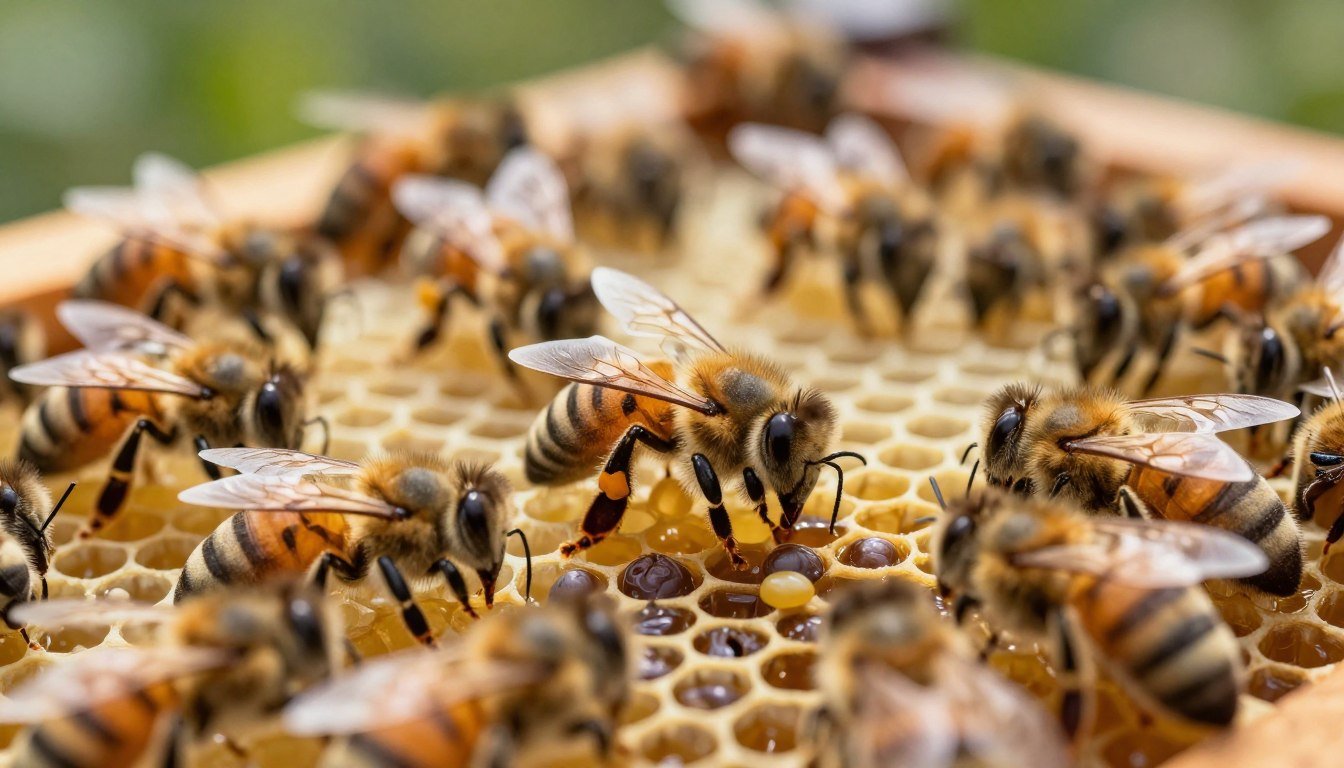
Varroa destructor mites have been present in Apis mellifera populations in the Primorsky region since around 1900, giving those bee populations roughly a century head start on natural selection pressure to develop mite tolerance before the mite reached most of the rest of the world’s honey bee populations (which encountered varroa only decades later, without the same evolutionary runway). This long natural exposure is the core reason Russian bee resistance is often described as more evolutionarily “genuine” than resistance bred quickly through modern selective programs — it reflects population-level adaptation rather than a narrower, more recently engineered trait.
How Russian Bees Reached U.S. Beekeepers
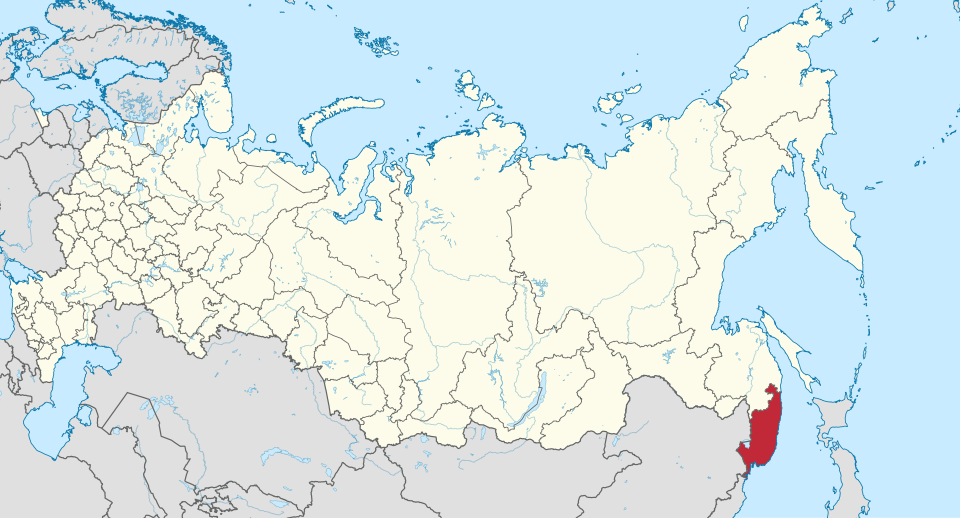
USDA-ARS geneticist Thomas Rinderer and colleagues at the Honey Bee Breeding, Genetics and Physiology Research Unit in Baton Rouge, Louisiana collected 100 Primorsky-region queens from 16 separate beekeepers in late June 1997, brought them through quarantine, and evaluated the stock against standard Italian colonies before establishing a breeding program to make the genetics available to American beekeepers and queen breeders. This USDA involvement gives Russian bee stock a documented, traceable import and evaluation history, similar in that respect to the VSH trait’s USDA lineage, though the underlying resistance mechanism and origin story are genuinely different.
How Russian Bee Resistance Actually Works
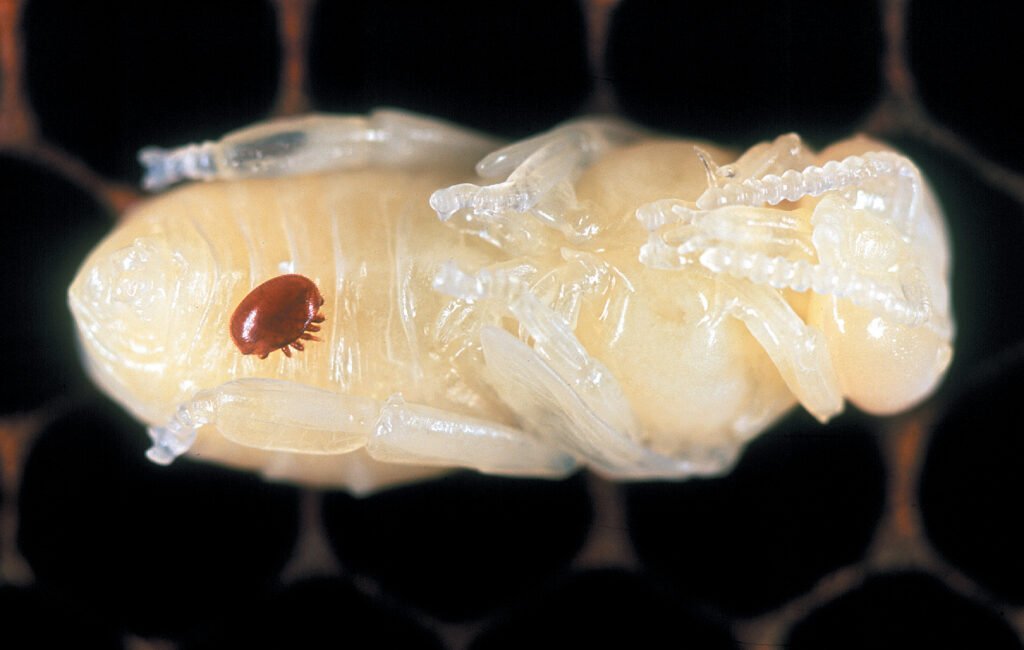
Russian bee colonies show consistently more hygienic behavior toward varroa-infested brood compared to standard Italian honey bee colonies in controlled behavioral studies, combining increased grooming behavior (physically removing mites from adult bees) with more effective removal of parasitized larvae from capped cells. ARS testing found Russian bees to be more than twice as resistant to varroa infestation as domestic commercial stock, a substantial, well-documented difference rather than a marginal or anecdotal improvement. To maintain this purity in certified stock, the Russian Honey Bee Breeders Association maintains an isolated mating station on a barrier island off the Louisiana coast, keeping certified queens’ matings controlled the same way Brother Adam once used Dartmoor’s isolation for Buckfast breeding.
Pure Stock vs. Hybrids: Why It Matters
Research specifically comparing pure ARS Russian stock, Russian-commercial hybrids, and standard commercial stock found that hybrid colonies showed intermediate resistance — better than standard commercial stock, but meaningfully less resistant than pure ARS Russian colonies — meaning beekeepers seeking the maximum available resistance benefit specifically need pure or near-pure Russian stock, not just any queen with some Russian ancestry in her background. This is a genuinely important buying consideration, since “Russian-cross” marketing without clarity on actual lineage purity may be delivering a smaller resistance benefit than the name implies.
Temperament and Management Quirks
Russian bee colonies are generally reported as manageable but sometimes exhibit somewhat different seasonal brood-rearing patterns than standard commercial stock, tending to reduce brood production more sharply during nectar dearths and ramp back up quickly when conditions improve — a genuinely useful dearth-survival adaptation, but one that can catch beekeepers off guard who interpret a sudden brood reduction as a health problem rather than a normal seasonal behavior pattern for this stock specifically. Understanding this pattern in advance prevents unnecessary worry (or unnecessary intervention) during a routine seasonal adjustment.
Russian Bees vs. Other Mite-Resistant Lines
| Factor | Russian | VSH | Saskatraz |
|---|---|---|---|
| Resistance origin | Natural, long-term population adaptation | Selectively bred single trait (~2 genes) | Deliberate modern hybrid selection |
| Development timeline | ~100 years of natural evolution | Bred since 2001 (USDA program) | Developed over recent decades |
| Purity consideration | Hybrids show reduced resistance vs. pure stock | Trait can be bred into many base stocks | Already a deliberate hybrid by design |
None of these lines are strictly “better” in every respect — they represent genuinely different approaches to the same underlying mite-resistance goal, and a beekeeper could reasonably choose based on which origin story and management profile fits their own priorities and regional conditions best.
Buying Russian Queens
Russian queens are available in the U.S. through breeders certified by the Russian Honey Bee Breeders Association, a cooperative established specifically to maintain stock purity and distribute genuinely representative Russian genetics to American beekeepers, rather than diluted or loosely labeled “Russian-type” stock. Buying certified stock specifically, rather than an uncertified queen simply marketed as Russian, is the clearest way to capture the pure-stock resistance advantage documented in the research above.
Who Should Consider Russian Stock
Beekeepers in regions with pronounced seasonal nectar dearths, or those specifically prioritizing naturally evolved (rather than recently engineered) mite resistance, are a strong fit for certified Russian stock. A beekeeper who finds the seasonal brood-pattern variability disruptive to their own management style, or one without access to certified pure-stock breeders, may find a more consistently even-brooding line a better practical fit.
Overwintering Performance
Russian bee colonies are generally reported to overwinter well, with some beekeepers specifically noting more conservative late-fall food consumption compared to standard commercial stock, likely connected to the same dearth-adapted brood-management pattern that shapes their seasonal behavior overall. This conservative resource use can be a genuine practical advantage in regions with long winters, though as with any stock, actual overwintering success still depends heavily on adequate fall feeding, mite control heading into winter, and proper hive setup rather than genetics alone.
Swarming Tendency and What It Means for Management
Some beekeepers report Russian bee colonies showing a somewhat higher swarming tendency than standard commercial stock, particularly during strong spring buildup, which is worth factoring into your management plan if you’re considering this stock — proactive swarm prevention (adding supers ahead of need, or using an established technique like checkerboarding) becomes more important with this line than with a naturally lower-swarming stock like Buckfast bees. This isn’t a dealbreaker so much as a genuine management consideration to plan for rather than be surprised by.
What More Recent Research Adds to the Picture
Later field studies examining Russian bee performance under real-world commercial conditions have found that while the resistance advantage is real and measurable, it doesn’t necessarily prevent all varroa infestations outright — some Russian colonies in field trials still developed problematic mite loads under high regional mite pressure, reinforcing that this stock reduces risk rather than eliminating it entirely. This kind of honest follow-up research is worth knowing about specifically because early marketing around any resistant stock can sometimes outpace what later, broader field testing actually confirms.
Regional Climate Fit
Given their evolutionary origin in a temperate far-eastern Russian climate with cold winters and a pronounced nectar dearth period, Russian bee stock tends to be a particularly good match for U.S. regions with similar seasonal patterns — northern and mountain-region climates with long winters and a mid-season dearth — while beekeepers in mild year-round-forage climates may see less of the stock’s dearth-adaptation advantage translate into a practical benefit for their specific conditions.
Requeening Considerations for Existing Colonies
Introducing a certified Russian queen into an established colony with a different genetic background follows standard requeening protocol — remove the old queen, allow a brief queenless period, and use a slow-release introduction cage — with no special Russian-specific introduction requirements, though as with any pure-line stock, the resulting colony’s temperament and behavior will shift gradually toward Russian characteristics as the existing workers age out and are replaced by the new queen’s own daughters over the following weeks.
Honey Production Compared to Standard Stock
Honey yield from Russian colonies is generally comparable to standard commercial stock under similar conditions, though the more conservative, dearth-responsive brood pattern can shift the timing of peak production somewhat compared to a line that maintains more constant brood rearing regardless of forage availability. Beekeepers evaluating this stock purely on a per-colony honey-yield basis shouldn’t expect a dramatic difference either direction from standard productive stock — the real differentiator here is resistance and dearth survival, not a honey-production advantage.
Cost and Sourcing Timing
Certified Russian queens typically cost somewhat more than standard package queens, reflecting the certification and stock-maintenance work the breeders’ association performs, and demand often outpaces supply during peak spring requeening season since the certified breeder network is smaller than the broader commercial queen-supply chain. Ordering early in the season, rather than waiting until you’ve already identified a specific colony that needs requeening, meaningfully improves your odds of getting certified stock when you actually want it.
The Grooming Component of Resistance
Beyond the hygienic brood-removal behavior shared with VSH-selected stock, Russian bees also display increased allogrooming — worker bees actively grooming mites off each other’s bodies before the mites can settle in and reproduce — a second, distinct resistance mechanism working alongside hygienic brood removal rather than instead of it (see this site’s dedicated guide to how and why bees groom each other for more on this behavior generally). Having two separate, complementary resistance behaviors working together is part of why the documented resistance improvement is as substantial as ARS testing found, rather than relying on a single mechanism alone.
Tracking Performance If You Try This Stock
If you’re trying Russian stock for the first time, keeping simple side-by-side records — mite counts, brood pattern notes, and honey yield compared to your other colonies over a full season — gives you real data on how the stock performs specifically in your own apiary and climate, rather than relying only on the general research findings summarized here. Regional conditions genuinely affect how any stock’s documented traits actually express, so your own season-over-season notes end up being the most directly useful information for deciding whether to expand your use of this line.
Common Mistakes
Buying an uncertified “Russian-cross” queen and expecting the full documented resistance benefit overlooks the pure-vs-hybrid research finding that resistance drops meaningfully in hybridized stock. Mistaking normal seasonal brood-reduction behavior for a colony health problem and intervening unnecessarily misreads a genuine, documented trait of this stock rather than an actual issue. Assuming Russian bee resistance eliminates the need for any mite monitoring ignores that even a 2x resistance improvement over standard stock is a meaningful reduction, not full immunity — periodic mite counts, such as with a Varroa EasyCheck alcohol wash, remain worthwhile regardless of genetics.
Sources
Resistance research, import history, and breeding-program details verified directly against the USDA ARS’s own account of the 1997 Russian honey bee importation and the Russian Honey Bee Breeders Association, the certifying body for pure-line stock. See also the USDA Agricultural Research Service’s Honey Bee Breeding, Genetics and Physiology Research Unit for additional authoritative detail.
FAQ
How much more mite-resistant are Russian bees than standard stock?
USDA-ARS testing found Russian bee colonies to be more than twice as resistant to varroa infestation as standard domestic commercial stock, though this benefit is strongest in pure or near-pure Russian lineage, not diluted hybrid crosses.
Do Russian bees still need mite treatment?
Most beekeepers still monitor and treat as needed — the resistance is a substantial reduction in mite pressure, not full immunity, so periodic mite counts remain worthwhile regardless of the stock’s improved natural tolerance.
Why do Russian bee colonies sometimes reduce brood production suddenly?
This is a normal, documented seasonal adaptation this stock developed to survive nectar dearths in its native region, not typically a sign of a health problem — brood production generally ramps back up once conditions improve.
Where can I buy certified Russian honey bee queens?
Through breeders certified by the Russian Honey Bee Breeders Association, a cooperative specifically established to maintain stock purity and distribute genuine Russian genetics to American beekeepers.
Are Russian bees the same as Carniolan bees?
No — they’re genetically distinct subspecies with separate origins; Russian bees come from the Primorsky region of far eastern Russia and were imported specifically for documented varroa resistance, while Carniolan bees originate from the Alps and Balkans and are selected primarily for gentle temperament and rapid spring buildup.
Image credits: Photo: Map: TUBS, Wikimedia Commons, CC BY-SA 3.0; Photo: Denis Anderson, CSIRO, Wikimedia Commons, CC BY 3.0.