Table of Contents
- What Saskatraz Bees Are
- Origin: Bred in Saskatchewan for Cold and Mites
- Key Traits: Mite Resistance, Honey Production, Temperament
- Saskatraz vs. Other Named Resistant Lines
- Where and How to Source Saskatraz Queens
- Introducing a Saskatraz Queen to an Existing Colony
- Ongoing Management Considerations
- Limitations and Realistic Expectations
- Who Should Consider Saskatraz Genetics
- Spring Buildup and Overwintering Performance
- Cost and Availability Considerations
- Physical Appearance and Identification
- Combining Saskatraz Genetics With an IPM Program
- Genetic Diversity Across Your Apiary
- What to Expect in the First Year After Requeening
- Climate Fit Beyond Cold Winters
- Common Mistakes
What Saskatraz Bees Are
Saskatraz is a hybrid honey bee stock developed through a selective breeding program based in Saskatchewan, Canada, combining several parent lines chosen specifically for varroa mite resistance, strong honey production, gentle temperament, and tolerance of cold winter climates. It’s not a distinct subspecies the way Italian or Carniolan bees are, but rather a purpose-bred hybrid line — closer in concept to a hybrid crop variety than a traditional bee race, developed and maintained through an ongoing selective breeding program rather than being a naturally occurring population.
Origin: Bred in Saskatchewan for Cold and Mites
The breeding program behind Saskatraz began in response to two pressures Canadian beekeepers face acutely: long, harsh winters that demand strong cold tolerance and efficient winter cluster behavior, and the ongoing varroa mite pressure affecting commercial and hobby operations across North America. Selection criteria emphasized colonies that survived winter well, built up quickly in spring, showed measurably lower mite population growth than unselected stock, and produced strong honey crops — a combination that’s genuinely difficult to breed for simultaneously, since traits like rapid spring buildup and mite resistance don’t always track together in the same colonies.
Key Traits: Mite Resistance, Honey Production, Temperament
Saskatraz colonies are documented to show elevated hygienic behavior — the same underlying mechanism (detecting and removing mite-infested or diseased brood) discussed generally in our guide to hygienic behavior in bee lines — along with a degree of mite-biting behavior that physically damages mites rather than just detecting infested brood. Reported honey production is competitive with standard commercial stock rather than being sacrificed for the resistance traits, which is a meaningful selling point, since some resistant lines historically traded honey yield for mite tolerance. Temperament is generally reported as calm and workable, though as with any bred line, individual colony temperament varies and isn’t guaranteed by the stock name alone.
Saskatraz vs. Other Named Resistant Lines
| Line | Primary Selection Focus | Cold Tolerance | Honey Production |
|---|---|---|---|
| Saskatraz | Mite resistance + cold hardiness + honey yield combined | Bred specifically for it | Competitive with standard stock |
| VSH (Varroa Sensitive Hygiene) | Pure mite-removal behavior | Not a primary focus | Variable by breeder line |
| Minnesota Hygienic | General hygienic behavior (foulbrood + mites) | Moderate, not a primary focus | Good, established commercial line |
| Purdue Ankle Biters | Mite-biting/leg-damaging behavior specifically | Not a primary focus | Variable, less commercially established |
The practical distinction worth understanding is that Saskatraz was bred as a multi-trait package aimed at a specific climate challenge, while lines like VSH and Minnesota Hygienic were selected more narrowly around hygienic behavior itself, with cold tolerance and yield addressed separately or incidentally. If your primary constraint is a harsh winter climate on top of mite pressure, Saskatraz’s combined-trait breeding target is the more directly relevant match; if you’re specifically stacking hygienic genetics into an existing breeding program, a narrower-focus line may integrate more predictably.
Where and How to Source Saskatraz Queens
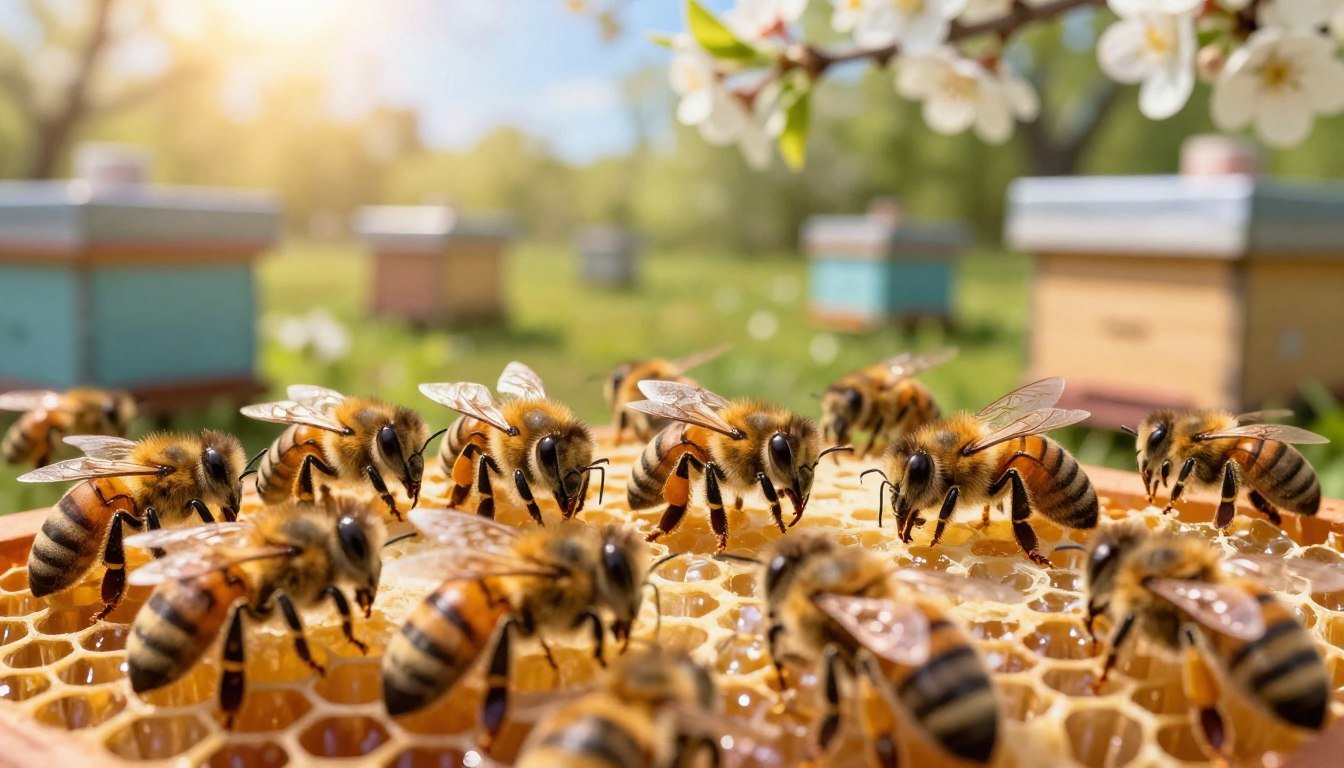
Saskatraz queens are sold through a limited, licensed network of breeders authorized to raise and sell the line, rather than being widely available from any commercial queen producer the way generic “Italian” or “Carniolan” queens are — this is a direct consequence of it being a maintained proprietary breeding program rather than an open-pollinated traditional race. Expect a modest price premium over standard commercial queens, and expect to order ahead of the season, since availability from licensed breeders is more limited than mainstream stock and demand is often strong during peak spring requeening season.
Introducing a Saskatraz Queen to an Existing Colony
Standard queen introduction practices apply — a slow-release method (typically a candy-plug cage) over 3-5 days is generally the safest way to introduce any new queen to an established colony, giving workers time to accept her pheromone before direct release. There’s nothing genetics-specific about the introduction process itself; the hybrid traits are expressed in how the resulting colony behaves and performs over subsequent months, not in how the queen needs to be introduced.
Ongoing Management Considerations
Because Saskatraz is a hybrid rather than a stable subspecies, colonies headed by a Saskatraz queen but allowed to requeen themselves naturally (via supersedure or swarming) will produce daughter queens that mate with whatever drones are locally available, diluting the specific hybrid trait combination over subsequent generations unless you’re in an area with a concentration of similar genetics or are actively managing requeening with fresh purchased stock. This is a real practical tradeoff of any hybrid line: maintaining the traits long-term generally means periodically requeening from the source breeder rather than relying on your own walk-away splits to preserve the exact genetic combination.
Limitations and Realistic Expectations
No bred line eliminates the need for a mite-monitoring and treatment program — Saskatraz’s elevated hygienic and mite-biting behavior reduces mite population growth rate, but doesn’t reduce it to zero, and colonies still benefit from regular mite counts and treatment when thresholds are exceeded, using methods like those covered in our oxalic acid vaporization guide. Treat resistant genetics as one layer of an integrated pest management approach, not a replacement for monitoring and treatment entirely — a mistake beekeepers sometimes make with any resistant-stock marketing claim.
Who Should Consider Saskatraz Genetics
Beekeepers in cold-winter climates dealing with consistent mite pressure are the clearest fit, given the line’s dual breeding focus on exactly those two pressures. Hobbyists wanting to reduce (not eliminate) treatment frequency, and commercial operations looking to diversify genetics across their apiary rather than relying on a single stock source, are both reasonable use cases. Beekeepers in consistently mild, low-mite-pressure regions may find less differential benefit, since the line’s cold-hardiness advantage is less relevant there.
Spring Buildup and Overwintering Performance
A key part of the Saskatraz breeding target was colonies that build up efficiently in spring without excessive early swarming impulse, since a colony that swarms away half its workforce right as nectar flow begins loses much of the honey-production advantage the line was also bred for. Reports from beekeepers in northern climates generally describe reasonably steady spring buildup and better-than-average overwintering survival compared to unselected local stock, though as with any genetic line, actual performance depends heavily on regional forage, local mite pressure, and how well the colony was managed through fall — genetics set a baseline tendency, not a guaranteed outcome regardless of management.
Cost and Availability Considerations
Because Saskatraz queens are sold through a licensed breeder network rather than being an open, universally available stock, expect both a modest price premium over generic commercial queens and a narrower window of availability — many licensed breeders sell out of spring queens well before the season’s end, so ordering early rather than waiting for peak requeening season is worth planning around if you specifically want this line rather than treating it as a fallback option. Package bees (as opposed to individually purchased queens) built around Saskatraz genetics are less commonly available than queens alone, so most beekeepers introduce the line by requeening an existing colony rather than starting a new one from a Saskatraz package.
Physical Appearance and Identification
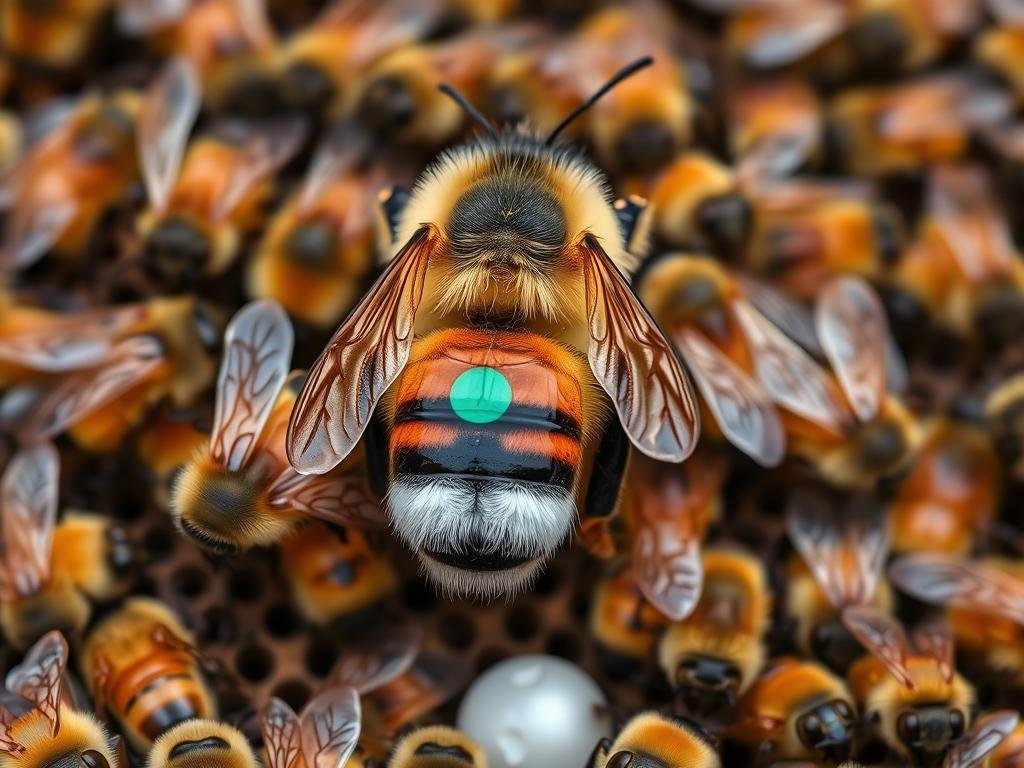
Saskatraz bees don’t have one single, fixed color pattern the way a pure subspecies does, since the line is a hybrid maintained through controlled crosses of multiple parent stocks rather than a genetically uniform population — expect some visible variation in banding and color between individual queens and colonies even within the same line. This is normal and expected for a hybrid breeding program, not a sign of impure or mislabeled stock, and it’s one more reason sourcing from a verified licensed breeder matters more than trying to identify the line by appearance alone.
Combining Saskatraz Genetics With an IPM Program
Because resistant genetics and chemical or organic-acid treatments work through entirely different mechanisms, they combine well rather than being an either-or choice — a Saskatraz colony still benefits from the same rotation logic covered in our formic acid and broader varroa treatment guides, just potentially needing treatment less often or at a lower intensity than an unselected colony under the same mite pressure. Track your own mite counts colony-by-colony rather than assuming genetics alone will keep any individual colony under threshold, since even within a resistant line, individual colony performance varies.
Genetic Diversity Across Your Apiary
If you’re managing more than a few colonies, consider requeening only a portion of your apiary with Saskatraz genetics rather than converting everything at once, both to compare real performance against your existing stock under your own local conditions, and to maintain broader genetic diversity across the operation rather than concentrating risk in a single line. This staged approach also gives you a practical basis for deciding whether the line’s advantages justify fully converting in future seasons, rather than committing your whole apiary to an unproven-for-you stock based on breeder claims alone.
What to Expect in the First Year After Requeening
Don’t judge a newly requeened colony’s mite-resistance performance in its first few months — the existing worker population when you requeen was raised by the previous queen’s genetics, and it takes a full brood cycle or two for the colony’s worker population to be predominantly Saskatraz-genetics offspring. Honey production and temperament shifts also take time to show through fully, so a fair evaluation generally means waiting until at least the following season, comparing a full year’s performance against your baseline, rather than drawing conclusions from the tail end of the season you requeened in.
Climate Fit Beyond Cold Winters
While cold-climate performance was a central breeding target, beekeepers in milder or hot-summer regions have also reported reasonable results with the line, since the mite-resistance and honey-production traits aren’t climate-dependent even if the cold-hardiness trait specifically is most relevant further north. If you’re outside a harsh-winter region, weigh the mite-resistance and yield traits on their own merits rather than assuming the line is only suited to Saskatchewan-like conditions.
Common Mistakes
Assuming Saskatraz genetics eliminate the need for mite monitoring is the most common and costly mistake — resistant stock reduces mite pressure, it doesn’t remove it, and skipping monitoring on this assumption has led to real colony losses among beekeepers who over-relied on genetics alone. A second common mistake is expecting a colony that supersedes its own queen to retain full Saskatraz trait expression in daughter queens without any active management — without controlling mating, dilution is the expected outcome, not an exception. Finally, buying from unlicensed or unclear sources marketing bees as “Saskatraz” without verifying the breeder’s actual affiliation risks getting generic stock at a premium price.
Sources
Breeding program origin, selection criteria, and trait claims reflect publicly available information from Saskatraz-affiliated breeding programs and general apicultural literature on hygienic and mite-biting behavior in selectively bred honey bee stock. For further verification, see the USDA Agricultural Research Service’s Honey Bee Breeding, Genetics and Physiology Research Unit.
FAQ
Is Saskatraz a separate bee species or subspecies?
No — it’s a hybrid stock developed through selective breeding of existing honey bee lines, not a naturally occurring subspecies like Italian or Carniolan bees.
Do Saskatraz bees still need mite treatment?
Yes — their elevated hygienic and mite-biting behavior reduces mite population growth but doesn’t eliminate the need for regular monitoring and treatment when mite counts exceed your threshold.
Will a colony stay “Saskatraz” if I let it requeen itself?
Not reliably — daughter queens raised through natural supersedure or swarming mate with local drones, diluting the specific hybrid combination over generations unless you actively requeen from the source breeder periodically.
Are Saskatraz queens more expensive than standard commercial queens?
Generally yes, a modest premium, reflecting the limited licensed-breeder network they’re sold through compared to widely available generic commercial stock.
Can I raise my own queens from a Saskatraz breeder queen?
Yes, using standard grafting or graft-free queen-rearing methods, but remember that daughter queens will only retain the full trait combination if mated with drones carrying compatible genetics — open mating with unrelated local drones dilutes the hybrid over generations.