Last Updated September 14, 2026
Every honey bee worker on Earth is functionally sterile, laying only unfertilized eggs that develop into drones, with one genuine exception: the Cape honey bee of South Africa, whose worker bees carry a rare genetic quirk letting them produce fully female offspring without ever mating. That single reproductive loophole didn’t just make the Cape bee a scientific curiosity; it triggered one of the most significant, well-documented crises in modern commercial beekeeping when the subspecies was moved outside its native range. This guide covers what the Cape honey bee actually is, the genuine genetic mechanism behind its unique reproduction, the real commercial disaster it caused in South African beekeeping, and how it compares to the country’s other, more famous defensive honey bee subspecies.
Table of Contents
- Key Takeaways
- What the Cape Honey Bee Actually Is
- Thelytoky: The Genuine Genetic Loophole
- How This Trait Turns Into Social Parasitism
- The Capensis Calamity: A Real Commercial Disaster
- Temperament: Genuinely Different From South Africa’s Other Famous Bee
- Native Range and Ecological Role
- Cape Honey Bee vs. African Lowveld Bee
- Why Geneticists Still Study Capensis Thelytoky Today
- Pseudo-Queens: A Genuinely Distinctive Colony Disruption
- Why This South African Case Study Matters Globally
- Common Mistakes
- Frequently Asked Questions
Key Takeaways
- The Cape honey bee (Apis mellifera capensis), native to South Africa’s fynbos region, is the only honey bee subspecies where worker bees routinely reproduce via thelytoky — laying unfertilized eggs that develop into fully female offspring.
- Within its own colonies and native range, thelytoky is harmless; the danger appears specifically when Cape bee workers get into a different subspecies’ colony, where they can act as reproductive parasites and progressively take it over genetically.
- This caused the real, well-documented “Capensis calamity” of the 1990s, when Cape bee genetics spread into African lowveld bee territory and destabilized tens of thousands of commercial colonies.
- Its notoriety is reproductive, not behavioral — it’s a genuinely separate, comparatively calmer subspecies from the lowveld bee that gave rise to “Africanized” bees in the Americas.
- Some thelytokous workers develop into “pseudo-queens” producing queen-like pheromones, compounding the disruption inside an invaded host colony.
- The Capensis calamity is now a widely referenced global case study in bee-biosecurity discussions about the risks of moving distinct subspecies outside their native range.
What the Cape Honey Bee Actually Is
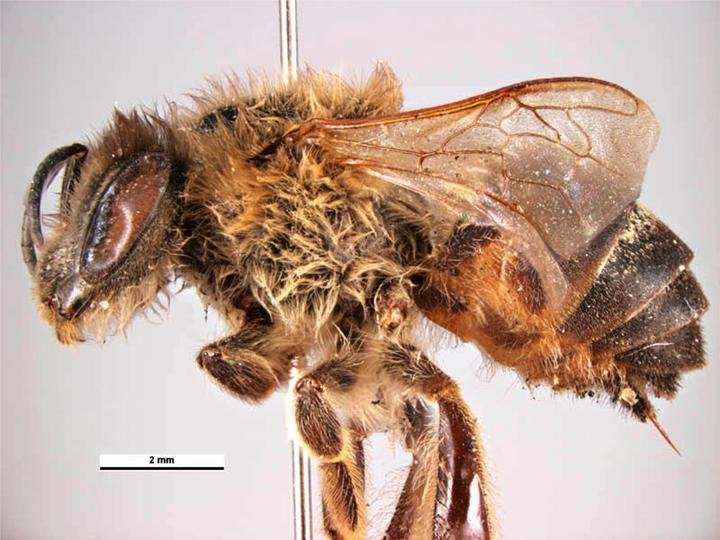
The Cape honey bee (Apis mellifera capensis) is a genuinely distinct subspecies of the Western honey bee, native specifically to the Cape region of South Africa, an area covering the distinctive fynbos vegetation zone in the country’s southwest. Like every other honey bee subspecies, it’s genuinely part of the same overall species as the honeybees managed by beekeepers worldwide, but it carries a reproductive trait genuinely unlike anything else documented in the entire genus Apis.
Thelytoky: The Genuine Genetic Loophole
In virtually every honey bee subspecies, an unfertilized egg laid by a worker bee develops through a process called arrhenotoky into a haploid drone, a male bee with only a single set of chromosomes, since female worker and queen bees normally require fertilization to develop. Cape honey bee workers are a genuine, scientifically confirmed exception: through a process called thelytoky, driven by a specific genetic mechanism that preserves a diploid chromosome set during egg development even without fertilization, Cape bee workers can lay unfertilized eggs that develop into fully female offspring, including workers and, in some circumstances, even new queens. Low, incidental rates of thelytoky have occasionally been documented in other honey bee populations, but the Cape honey bee is genuinely unique in expressing the trait consistently and functionally enough to sustain reproduction through this mechanism at meaningful scale, which is precisely why it’s treated as the defining trait of this specific subspecies rather than a rare curiosity found broadly across the species. It’s worth being precise about scope here too: Cape honey bee queens still mate normally with drones the way queens in every other honey bee subspecies do — thelytoky is specifically a worker-bee reproductive capability rather than a replacement for normal queen mating and colony reproduction.
How This Trait Turns Into Social Parasitism
Thelytoky becomes genuinely problematic when a Cape honey bee worker ends up inside a colony of a different honey bee subspecies, since her ability to lay female-developing eggs means she can effectively function as a reproductive parasite within that host colony. Unlike a normal drone-laying worker, which a host colony’s genetics and social structure can usually suppress or tolerate as a minor issue, a thelytokous Cape bee worker’s offspring can include more Cape-bee-type workers and pseudo-queens capable of continuing the same reproductive strategy, allowing a small number of introduced Cape bees to progressively out-reproduce and effectively take over a host colony’s genetics from within.
The Capensis Calamity: A Real Commercial Disaster
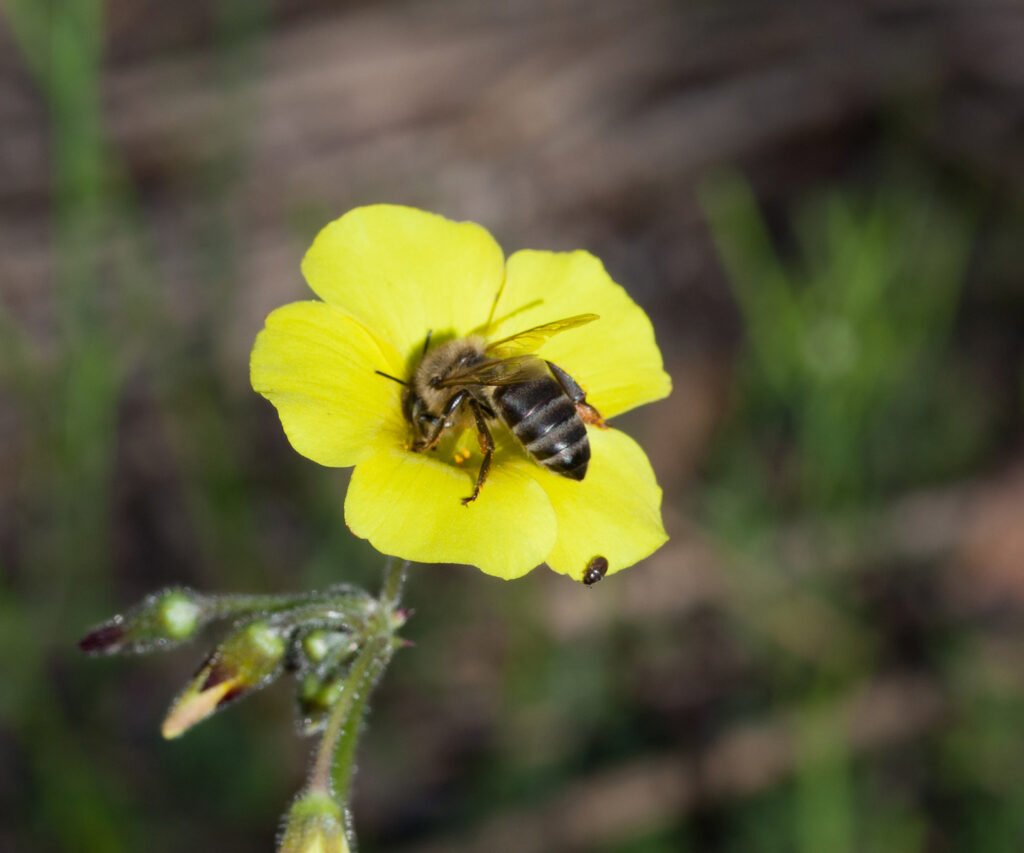
This genuinely wasn’t a theoretical risk: in the 1990s, when Cape honey bee colonies were moved by beekeepers into the territory of the African lowveld bee (Apis mellifera scutellata) for pollination and honey production purposes, the resulting spread of thelytokous Cape bee workers into lowveld colonies caused a documented, large-scale collapse of commercial beekeeping operations across affected regions of South Africa, an event now commonly and consistently referred to throughout the beekeeping and entomological literature as the “Capensis calamity,” with a genuinely severe, large-scale disruption to South African commercial beekeeping at the time rather than a limited, localized incident. Beekeepers and researchers have since developed management practices, including maintaining stricter geographic separation between Cape bee and lowveld bee territories, to reduce the risk of recurrence, though the underlying genetic vulnerability that caused the original crisis remains an inherent, permanent characteristic of the Cape honey bee rather than something that’s been genetically eliminated — which is precisely why modern South African beekeeping practice continues to emphasize deliberate geographic separation and careful colony-movement management rather than assuming the risk has been permanently neutralized.
Temperament: Genuinely Different From South Africa’s Other Famous Bee
It’s worth being clear and accurate here: the Cape honey bee’s notoriety comes specifically from its reproductive biology, not from extreme defensiveness, and it’s genuinely a separate subspecies from the African lowveld bee, the subspecies whose descendants became known as “Africanized” bees after being introduced to the Americas, covered in detail in this site’s Africanized bees guide. Cape honey bees are generally considered comparatively calmer in direct temperament than the lowveld subspecies, meaning the genuine danger this subspecies poses to beekeeping is reproductive and genetic rather than a matter of aggressive stinging behavior.
Native Range and Ecological Role
Within its native fynbos range in South Africa’s Cape region, the Cape honey bee plays a genuinely important ecological role as a pollinator of the area’s distinctive, highly diverse native plant communities, many of which are found nowhere else in the world — the fynbos biome is recognized as one of the world’s most botanically diverse plant regions. Its unique reproductive biology doesn’t cause problems within its own native ecological context, since the issues documented in the Capensis calamity specifically arose from human-driven movement of colonies into another subspecies’ territory rather than from any natural behavior within its home range.
Cape Honey Bee vs. African Lowveld Bee
| Trait | Cape Honey Bee (A. m. capensis) | African Lowveld Bee (A. m. scutellata) |
|---|---|---|
| Native region | South African fynbos (Cape region) | Sub-Saharan Africa lowveld regions |
| Defining trait | Thelytoky (worker parthenogenesis) | Highly defensive temperament |
| Historical significance | Capensis calamity (1990s) | Source of “Africanized” bees in the Americas |
| Genuine risk to beekeeping | Reproductive/genetic (social parasitism) | Behavioral (defensiveness) |
Why Geneticists Still Study Capensis Thelytoky Today
Beyond its historical commercial impact, the specific genetic mechanism behind Cape honey bee thelytoky has remained a genuinely active subject of ongoing research interest, since understanding exactly how a single genetic locus can override the normal fertilization-dependent development pathway offers broader insight into reproductive biology and genetics across the insect world, not just within honey bees specifically. Researchers have worked to map the precise chromosomal region responsible for the trait, and this research has contributed meaningfully to the broader scientific understanding of parthenogenesis and sex determination mechanisms across Hymenoptera, the insect order that includes bees, wasps, and ants.
Pseudo-Queens: A Genuinely Distinctive Colony Disruption
Within an invaded host colony, thelytokous Cape bee workers don’t just lay eggs; some develop ovaries and behavioral characteristics resembling a queen closely enough that researchers refer to them as “pseudo-queens,” capable of producing queen-like pheromones that can further destabilize the host colony’s normal social structure and chemical communication. This pseudo-queen phenomenon adds a genuinely distinctive layer of colony disruption beyond simple reproductive competition, since it can interfere with the host colony’s ability to recognize and respond normally to its own legitimate queen, compounding the reproductive parasitism already covered earlier in this guide.
Why This South African Case Study Matters Globally
Even though the Cape honey bee itself is geographically confined to South Africa, the Capensis calamity has become a genuinely widely referenced case study in international bee breeding and biosecurity discussions, cited as a concrete real-world example of the risks involved in moving distinct bee subspecies or populations outside their established range without fully understanding their reproductive and genetic behavior. Beekeeping regulators and researchers in other countries have referenced the Cape bee situation when evaluating biosecurity policy around importing or relocating unfamiliar bee stock, making this South Africa-specific event a genuinely relevant cautionary reference point well beyond its country of origin.
Common Mistakes
The most common mistake is confusing the Cape honey bee with the notoriously defensive African lowveld bee simply because both are South African honey bee subspecies, when their genuine notoriety comes from entirely different traits, reproductive biology versus temperament. Another mistake is assuming thelytoky is purely a scientific curiosity with no practical consequence, when the Capensis calamity demonstrated a genuine, large-scale commercial impact from the trait under real-world conditions. People also sometimes assume the underlying genetic issue has since been bred out or eliminated, when it remains an inherent characteristic of the subspecies rather than something resolved through selective breeding.
For the legal side of the Cape bee line, see South Africa's Cape bee line and movement rules.
Sources and Further Reading
This guide draws on the USDA Agricultural Research Service’s Honey Bee Breeding, Genetics and Physiology Research Unit for comparative honey bee genetics, alongside published entomological research on Cape honey bee thelytoky and the Capensis calamity.
Frequently Asked Questions
Can Cape honey bee queens be bred or kept intentionally by beekeepers?
Within their native range and under appropriate management avoiding cross-territory movement into other subspecies’ colonies, Cape honey bee colonies are kept and managed by South African beekeepers, though the specific risks documented during the Capensis calamity make careful geographic and colony-management practices genuinely important.
Is thelytoky considered beneficial or purely a liability for the Cape honey bee itself?
Within its own colonies and native range, thelytoky isn’t inherently harmful and simply represents an unusual reproductive pathway; the documented harm specifically arises when the trait interacts with a different host subspecies’ colony structure rather than being a problem for Cape bee colonies functioning normally on their own.
Does the Cape honey bee produce commercially significant honey the way other South African bee subspecies do?
Yes, Cape honey bee colonies are managed for honey production within their native range, contributing to South African beekeeping alongside other regional subspecies, independent of the specific reproductive-biology concerns covered in this guide.
How does the Cape honey bee’s genetic mechanism compare to the honeybee breeding traits covered elsewhere on this site, like VSH?
It’s a fundamentally different kind of genetic trait; VSH and similar traits covered in this site’s guide to Varroa Sensitive Hygiene involve behavioral responses to pests and disease, while Cape honey bee thelytoky is a reproductive-biology trait affecting how eggs develop, an entirely different category of genetic characteristic.
Is it currently legal or common for Cape honey bees to be exported or kept by beekeepers outside South Africa?
Given the documented history of the Capensis calamity, movement and management of Cape honey bee stock is treated with genuine caution, and it isn’t a subspecies commonly available through international beekeeping supply channels the way many other honey bee subspecies and breeding lines covered on this site are.
Is the Cape honey bee’s honey or venom chemically different from other honey bee subspecies in any notable way?
No well-established evidence points to meaningfully different honey composition or venom chemistry compared to other Apis mellifera subspecies; the trait that genuinely sets the Cape honey bee apart is specifically its reproductive biology rather than any distinct chemical property of its honey or sting.
Roughly how many commercial colonies were affected during the Capensis calamity in the 1990s?
Documented accounts describe tens of thousands of colonies affected across the impacted lowveld beekeeping regions during the crisis, representing a genuinely severe, large-scale disruption to South African commercial beekeeping at the time rather than a limited, localized incident.