Table of Contents
- What Makes Tupelo Honey Different
- Where It Actually Comes From
- The Genuinely Difficult Harvest
- Flavor Profile
- Why It Doesn’t Crystallize
- Why It Costs So Much
- Verifying You’re Buying the Real Thing
- How to Actually Use It
- Another Rare Single-Source Honey Worth Trying
- Common Mistakes
- A Brief History of Tupelo Beekeeping
- How It Compares to Other Premium Varieties
- Storage Tips Specific to Tupelo
- A Note for Readers Managing Diabetes
- Environmental Conservation and Tupelo Trees
- Tupelo Honey in Popular Culture
- Why It Makes a Genuinely Good Gift
- Applying General Fake-Honey Detection Here
- Other Tupelo Tree Species Worth Knowing
- A Beekeeper’s Genuine Appreciation
What Makes Tupelo Honey Different
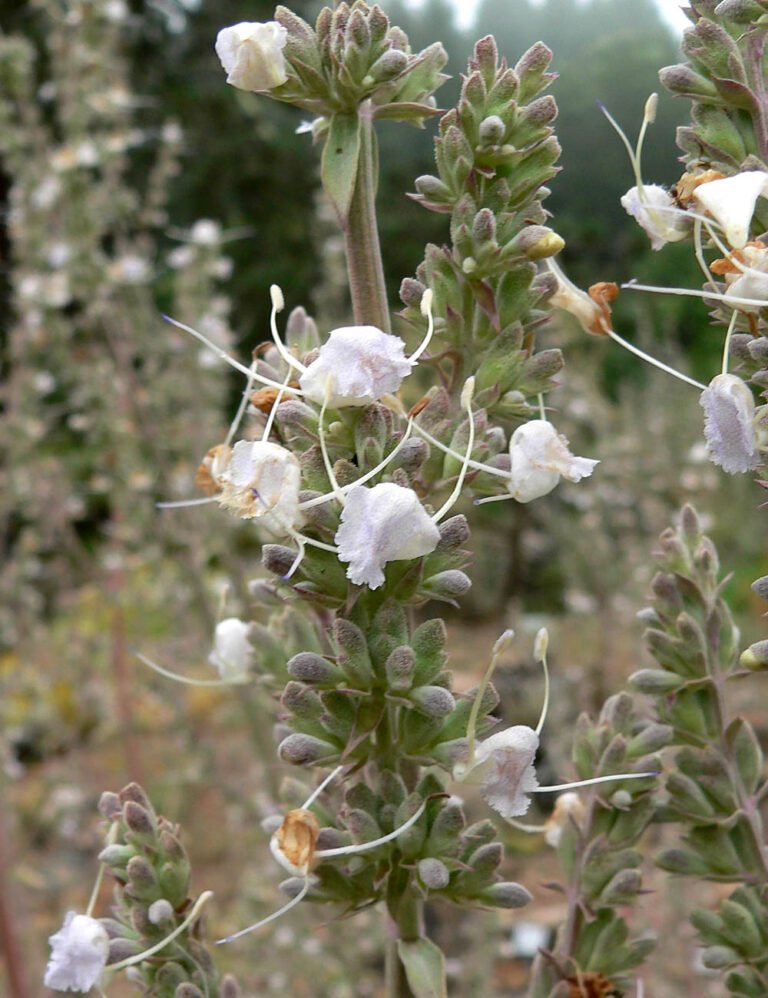
Tupelo honey comes from the nectar of the white tupelo gum tree (Nyssa ogeche), a genuinely single-source honey rather than a blend, produced only in an extremely limited geographic area of the American South. This narrow, specific origin is exactly what separates true tupelo honey from ordinary wildflower blends and is the foundation of both its distinctive character and its premium price.
Where It Actually Comes From
Genuine tupelo honey comes from only two small regions in the United States: the Apalachicola River Basin along the Florida-Georgia border, home to the world’s largest concentration of white tupelo gum trees, and the Okefenokee Swamp. White tupelo trees specifically thrive in the standing water of these swampy river basins, meaning the honey’s entire supply is tied to a genuinely small, geographically constrained habitat that can’t simply be replicated elsewhere.
The Genuinely Difficult Harvest
White tupelo trees bloom for a strikingly narrow window, typically mid-April to early May, with individual blossoms lasting no more than about three weeks, giving beekeepers an extremely tight harvest timeline to work with each year. Because the trees grow in standing swamp water, beekeepers literally have to navigate their hives into the wetlands by river barge to position colonies where the bees can actually reach the blossoms, a logistically demanding harvest method most other honey varieties simply don’t require.
Flavor Profile
Tupelo honey is widely described as smooth, buttery, and delicately sweet and floral, often characterized as starting with a fruity-floral burst on the tongue before settling into a soft, buttery finish, with some tasters drawing comparisons to cotton candy or rosewater. This mild, refined flavor profile, distinct from the more assertive character of darker varieties like buckwheat honey, is a major part of why it commands such devoted culinary interest.
Why It Doesn’t Crystallize
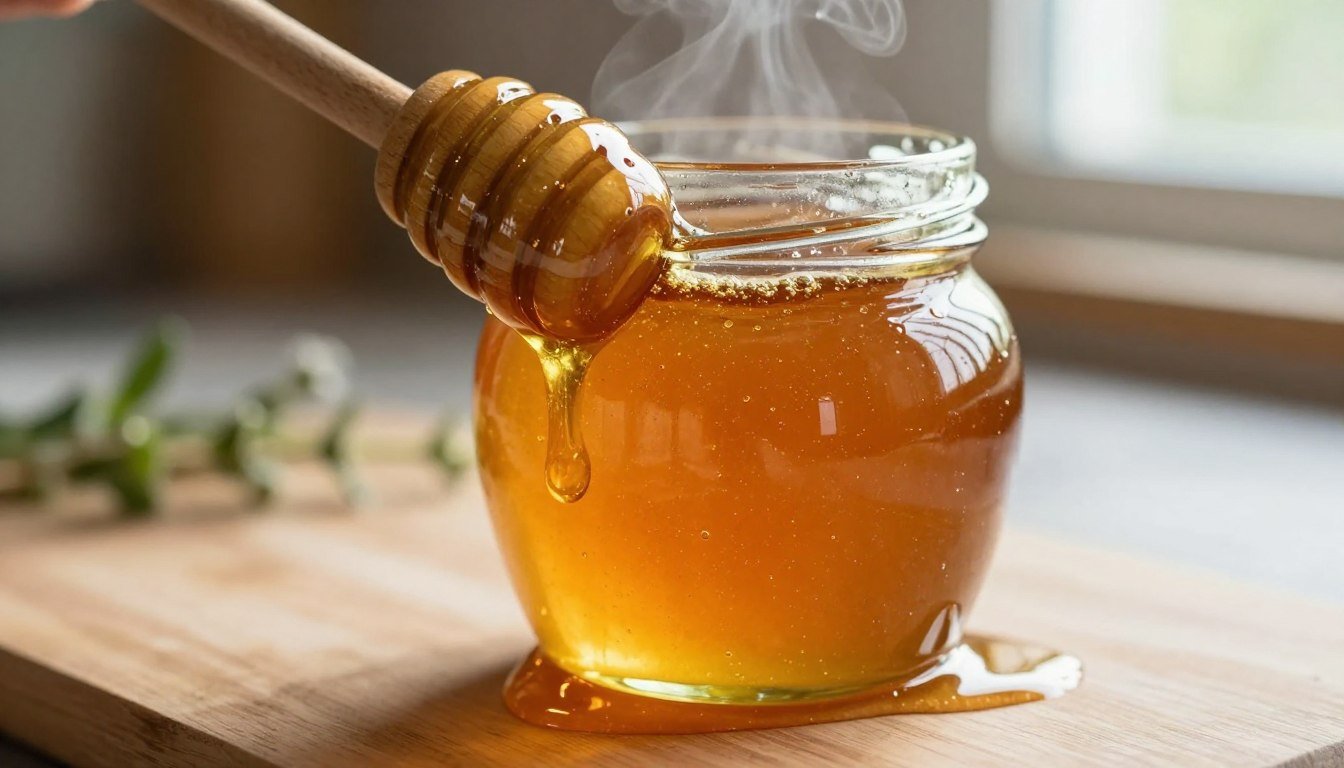
Tupelo honey’s unusually high fructose-to-glucose ratio, covered in more general terms in our guide to glucose-fructose ratio and honey texture, is the specific reason it resists crystallization far longer than most other honey varieties, remaining smooth and pourable under normal storage conditions when other honeys would have already turned cloudy or solid. This genuine, verifiable chemical property is one of the most reliable practical signs of authentic tupelo honey, since it isn’t just a marketing claim but a measurable characteristic tied to the tree’s specific nectar composition.
Why It Costs So Much
Tupelo honey is consistently one of the most expensive honey varieties on the American market, with 16-ounce bottles commonly starting around $16 and ranging up to $29 or more depending on size and source, a genuine reflection of real production constraints rather than marketing inflation. The combination of an extremely limited growing region, a narrow three-week bloom window, and the logistically demanding barge-based harvest method all place a real, structural ceiling on how much authentic tupelo honey can ever be produced in a given year.
Verifying You’re Buying the Real Thing
Authentic tupelo honey can be scientifically verified through pollen analysis, with genuine product typically showing a high percentage of white tupelo pollen, ideally exceeding 50% and sometimes reaching as high as 95%, distinguishing it from honey blended with other regional nectar sources. As covered in more general terms in our guide to spotting fake honey, the most practical way to verify authenticity without lab access is buying directly from beekeepers who work the Florida Panhandle rivers themselves and can specify exactly where their hives are located each season.
How to Actually Use It
Tupelo honey’s mild, buttery flavor makes it a popular choice drizzled directly over biscuits, cornbread, or pancakes, where its delicate character isn’t overwhelmed by stronger competing flavors the way it might be in a heavily spiced or bold-flavored dish. Its non-crystallizing property also makes it a favorite among honey enthusiasts specifically for gifting or long-term pantry storage, since it stays visually appealing and pourable for far longer than varieties prone to crystallizing within months.
A Brief History of Tupelo Beekeeping
Tupelo honey production has been a distinctive, multi-generational regional beekeeping tradition in the Florida Panhandle and southern Georgia for well over a century, with families passing down both hive locations and the specialized knowledge of navigating the swamp during the narrow bloom window. This deep local expertise, not easily replicated by an outside operation unfamiliar with the specific river basins and their seasonal patterns, is part of why genuine tupelo production remains concentrated among a relatively small number of established regional beekeepers.
How It Compares to Other Premium Varieties
Against Manuka honey, another premium single-source variety covered in our dedicated guide, tupelo’s value proposition rests on genuine geographic rarity and a verifiable chemical property (fructose content and crystallization resistance) rather than Manuka’s clinically documented antibacterial potency, making the two varieties premium for genuinely different, non-overlapping reasons. Against buckwheat honey, tupelo sits at essentially the opposite end of the flavor spectrum, delicate and mild rather than bold and robust, illustrating just how much variation exists across single-source American honey varieties.
Storage Tips Specific to Tupelo
Tupelo honey follows the same basic storage principles covered in our general guide to honey shelf life, sealed, room temperature, away from direct sunlight and excess humidity, though its resistance to crystallization means it will typically stay visually appealing and pourable for considerably longer than most other varieties under otherwise identical storage conditions. This makes it a particularly good choice for beekeeping enthusiasts or gift-givers who want a jar that looks consistently attractive on a shelf or pantry for an extended period.
A Note for Readers Managing Diabetes
Tupelo honey’s specific glycemic properties haven’t been as extensively studied in dedicated clinical research as more common honey varieties, so readers managing diabetes should apply the same general portion-control guidance covered in our honey and diabetes article rather than assuming its unusual fructose ratio automatically makes it meaningfully safer or riskier, a topic covered in more depth in our honey and diabetes article.
Environmental Conservation and Tupelo Trees
Because genuine tupelo honey production depends entirely on healthy, intact swamp habitat for white tupelo gum trees, local beekeepers and conservation groups in the Apalachicola River Basin have a genuine, shared interest in protecting these wetlands from development, water diversion, and other environmental pressures that could threaten the trees themselves. This makes tupelo honey production a rare example of an economic activity directly incentivizing wetland conservation, since the honey’s entire value proposition collapses if the underlying habitat is degraded.
Tupelo Honey in Popular Culture
Tupelo honey has some cultural name recognition beyond dedicated honey enthusiasts, notably through Van Morrison’s 1971 album “Tupelo Honey,” which helped introduce the term to a wider audience even among people with no particular knowledge of beekeeping or honey varieties specifically. This broader name recognition is part of why tupelo honey sometimes gets requested or searched for by name, even by shoppers who may not fully understand what makes the genuine product distinct from ordinary honey.
Why It Makes a Genuinely Good Gift
Tupelo honey’s combination of a distinctive, memorable regional story, a genuinely refined flavor profile, attractive non-crystallizing shelf presentation, and real premium positioning makes it a consistently well-received gift for anyone with an interest in food, cooking, or the American South specifically. Unlike some novelty food gifts, it holds up to actual repeated use rather than sitting unused, since its mild flavor genuinely suits everyday applications like biscuits, tea, and baking.
Applying General Fake-Honey Detection Here
The broader principles covered in our complete guide to spotting fake honey apply directly to tupelo specifically, and arguably matter even more here given tupelo’s premium price point creates a genuinely strong economic incentive for less scrupulous sellers to mislabel cheaper, blended honey as authentic tupelo. Applying that article’s core advice, buying direct from a known, verifiable regional source rather than trusting an unverified label claim, is especially worthwhile advice for a variety this specifically premium and this easy to counterfeit convincingly.
Other Tupelo Tree Species Worth Knowing
Several other tupelo species, including black tupelo and swamp tupelo, grow across a considerably wider range of the American Southeast, but honey produced from these related species doesn’t carry the same distinctive non-crystallizing property or command the same premium price as true white tupelo (Nyssa ogeche) honey specifically. This distinction matters for buyers: a honey vaguely labeled “tupelo” without specifying white tupelo or a verified Apalachicola or Okefenokee origin may come from a related but meaningfully different source than what genuine, premium tupelo honey actually refers to.
A Beekeeper’s Genuine Appreciation
From a working beekeeper’s perspective, tupelo honey stands out as one of the rare American honey varieties where the premium price genuinely, verifiably reflects real scarcity and real production difficulty rather than clever marketing built around an otherwise ordinary product, similar in spirit to the honest premium case made for genuine Manuka honey. Appreciating tupelo honey means appreciating the specific place it comes from, the narrow window it’s harvested in, and the generations of specialized regional knowledge required to bring it to a jar at all. That deeper understanding also makes the honey itself taste different in a genuinely meaningful way, since knowing the actual story behind a specific jar tends to add a layer of appreciation no anonymous supermarket bottle can offer, regardless of how accurate its own labeling happens to be. It is the same reason many people prefer buying vegetables directly from a farmer they have actually met over an unlabeled bin at a chain grocery store, even when the two products might taste and measure out nearly identical on paper, placed directly and carefully side by side on the very same familiar kitchen counter, right at home, where such quiet, everyday comparisons genuinely tend to happen, quietly and without any real fanfare at all.
Another Rare Single-Source Honey Worth Trying
Tupelo shares its rare, single-source status with a very different honey from a completely different region: see this site’s guide to sourwood honey from the Appalachian Mountains for another genuinely scarce American variety with its own distinct flavor story.
Common Mistakes
Assuming any honey labeled “tupelo” on a supermarket shelf is genuinely single-source without checking for a specific, verifiable Florida Panhandle or Georgia origin risks buying a blended product trading on the name’s reputation. Paying a premium price without any authenticity verification, when true tupelo’s real value depends specifically on its genuine, verifiable pollen composition, undermines the entire reason the variety commands its price in the first place. Storing tupelo honey in conditions that could still eventually cause crystallization, then assuming it must be fake because real tupelo “never” crystallizes, overstates what is a strong resistance to crystallization rather than an absolute guarantee under all conditions.
Sources
Findings reflect published horticultural and food-science literature on Nyssa ogeche, tupelo honey’s documented fructose content and crystallization resistance, and pollen-analysis authentication standards for single-source honey verification. For further verification, see the National Honey Board’s honey varietal guide.
FAQ
Why is tupelo honey so expensive?
Its extremely limited growing region (only two small areas of Florida and Georgia), a narrow three-week bloom window, and a logistically demanding barge-based harvest method all place a genuine structural limit on how much can be produced each year.
Why doesn’t tupelo honey crystallize?
It has an unusually high fructose-to-glucose ratio compared to most other honey varieties, a genuine chemical property that resists crystallization far longer than typical honey under normal storage conditions.
How can I tell if tupelo honey is genuine?
Scientific verification uses pollen analysis, with authentic tupelo honey showing a high percentage of white tupelo pollen. Practically, buying directly from beekeepers who work the Florida Panhandle rivers is the most reliable approach.
Where does real tupelo honey come from?
Only two small regions in the United States: the Apalachicola River Basin along the Florida-Georgia border and the Okefenokee Swamp, where white tupelo gum trees grow in standing swamp water.