Table of Contents
- What Manuka Honey Actually Is
- UMF Ratings Explained
- MGO Ratings Explained
- UMF vs. MGO: Which Should You Trust?
- Why Manuka Honey Costs So Much
- The Real Fraud Problem You Should Know About
- How to Verify You’re Buying the Real Thing
- Is It Actually Worth the Price?
- Common Mistakes
- How Manuka Honey Became Famous
- Choosing the Right Grade for Your Purpose
- Storing Manuka Honey Properly
- How Manuka Compares to Other Specialty Honeys
- What the Research Does and Doesn’t Actually Support
- Could This Ever Be Produced Domestically?
- A Beekeeper’s Perspective on the Manuka Premium
- What to Actually Check on the Label
- Topical and Skincare Uses
- Why HMF Matters for Freshness Too
What Manuka Honey Actually Is
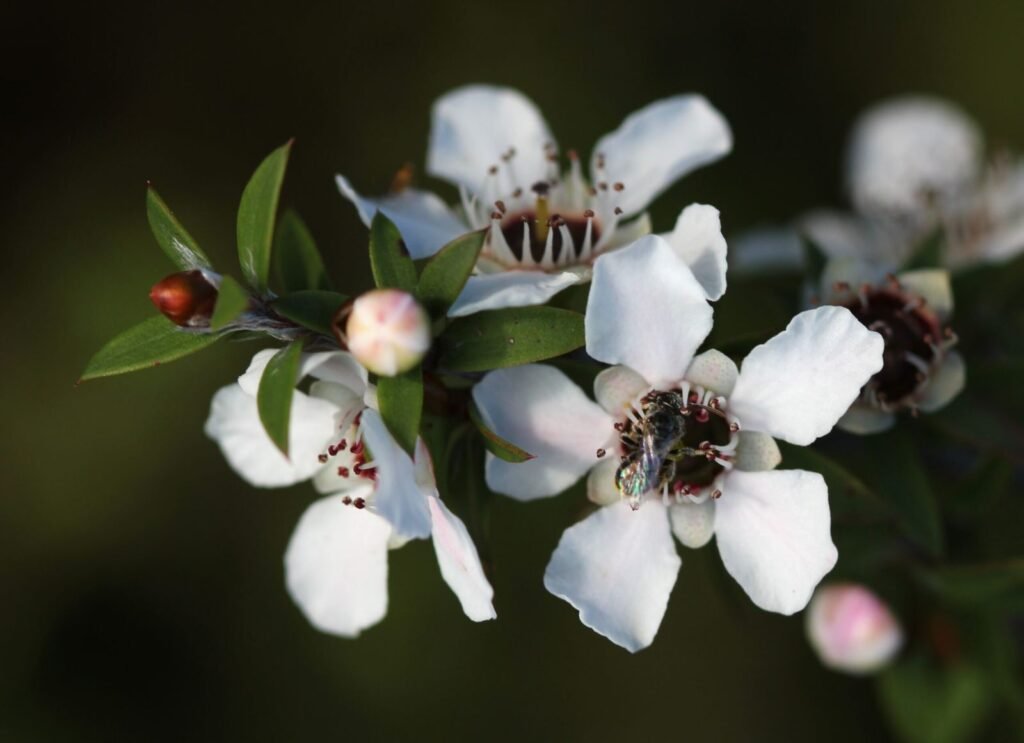
Manuka honey is produced by bees foraging on the manuka bush (Leptospermum scoparium), a plant found almost exclusively in New Zealand and parts of Australia, and it contains a distinctive combination of naturally occurring compounds not found at comparable levels in ordinary honey. Its most notable of these compounds, methylglyoxal (MGO), gives genuine Manuka honey real antibacterial properties beyond what most other honey varieties offer, which is the basis for its reputation and premium pricing.
UMF Ratings Explained
UMF stands for Unique Manuka Factor, a grading system that measures three specific compounds found in genuine Manuka honey: methylglyoxal (MGO), dihydroxyacetone (DHA), and leptosperin, the last of which occurs naturally in Manuka honey and can’t be artificially added, making it a particularly useful authenticity marker. UMF ratings typically range from UMF 5+ up to UMF 20+, with higher numbers indicating both greater potency and, generally, a higher price.
MGO Ratings Explained
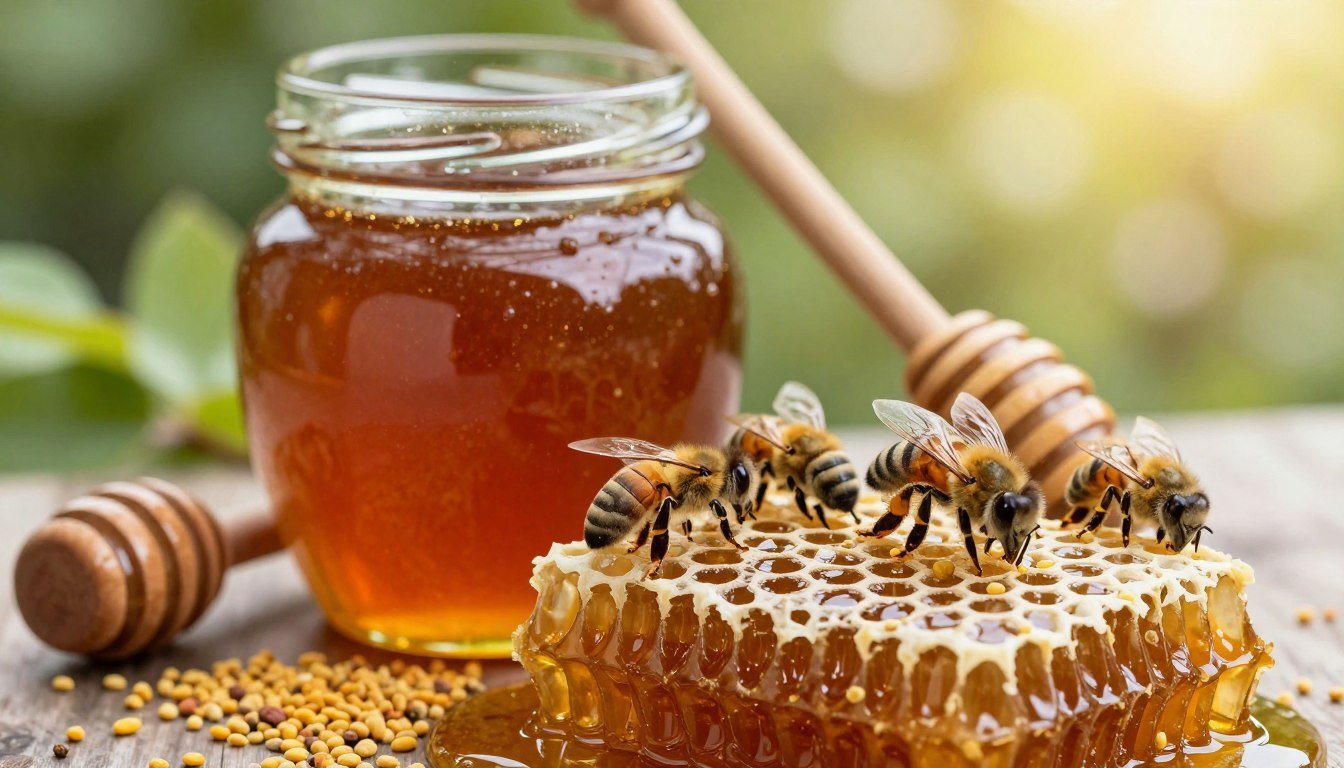
MGO ratings measure only methylglyoxal content directly, expressed in milligrams per kilogram of honey; a product labeled MGO 250+ is certified to contain at least 250mg of methylglyoxal per kilogram. Unlike UMF, which combines three markers into one overall rating, MGO gives a single, narrower potency figure specific to this one antibacterial compound.
UMF vs. MGO: Which Should You Trust?
Neither system is inherently more “correct” than the other; they simply measure different things, with UMF offering a broader authenticity and potency picture across three compounds while MGO offers a narrower, single-compound potency figure that’s often easier for shoppers to directly compare between products. Products certified under the official UMF Honey Association’s licensing system carry an added layer of third-party verification that a standalone MGO number on its own doesn’t guarantee. Because both systems are ultimately built on the same underlying methylglyoxal measurement, a UMF rating and its corresponding minimum MGO level are directly convertible using UMFHA’s published anchor points:
| UMF Rating | Minimum MGO (mg/kg) | Typical Use Case |
|---|---|---|
| UMF 5+ | MGO 83+ | Everyday table honey, mild antibacterial activity |
| UMF 10+ | MGO 263+ | Entry point most sources associate with meaningful antibacterial/prebiotic activity |
| UMF 15+ | MGO 514+ | Higher-potency wellness use, roughly double UMF 10+’s MGO level |
| UMF 20+ and above | MGO 829+ | Maximum documented potency, often used topically; steepest price point |
Worth noting for value comparison: UMF 20+ typically carries roughly ten times the MGO concentration of UMF 5+, yet usually costs only about four to five times as much per jar – meaning on a strict per-milligram-of-MGO basis, a genuinely certified higher grade is often better value than it first appears, not simply more expensive for its own sake.
Why Manuka Honey Costs So Much
Manuka honey routinely costs six to twenty-five times more than ordinary honey, driven by several genuine, well-documented factors: the manuka bush grows almost exclusively in specific New Zealand and Australian regions, its bloom season is short, hives are often placed in remote wilderness areas requiring helicopter access for placement and harvest, and only a small share of any given harvest reaches the highest premium UMF or MGO grades. These are real production and logistics constraints, not arbitrary premium branding.
The video above, from New Zealand producer Egmont Honey, follows helicopter pilot Paul Greene, who spends summer months flying hives into and out of the remote back-country sites where manuka grows wild – a first-hand look at exactly the logistics driving the price premium described above.
The Real Fraud Problem You Should Know About
Here’s the honest, important part many sellers don’t emphasize: roughly 10,000 metric tons of “manuka honey” are sold worldwide each year, while genuine New Zealand production totals only around 1,700 metric tons, meaning a large share of what’s sold under the manuka name globally isn’t authentic at the claimed grade. Fraud takes different forms, from honey containing no meaningful manuka content at all to genuine manuka diluted with cheaper multifloral, European, or Asian honey, and in some cases even synthetic MGO or DHA added to fake a higher rating.
“More manuka is sold in the UK alone than the total actually produced.”
— John Rawcliffe, Unique Manuka Factor Honey Association (UMFHA), quoted by FoodNavigator
Independent lab testing has repeatedly borne this out. Testing commissioned by the UK’s Food and Environment Research Agency found that of 73 manuka honey samples pulled from retail shelves, 41 showed no non-peroxide antibacterial activity at all – the core property genuine manuka is supposed to deliver. Separate testing in Hong Kong found 14 of 55 samples tested were adulterated with syrup. Neither figure is an isolated result; they’re representative of exactly why buying only certified, traceable product matters more with manuka than with almost any other honey category.
How to Verify You’re Buying the Real Thing
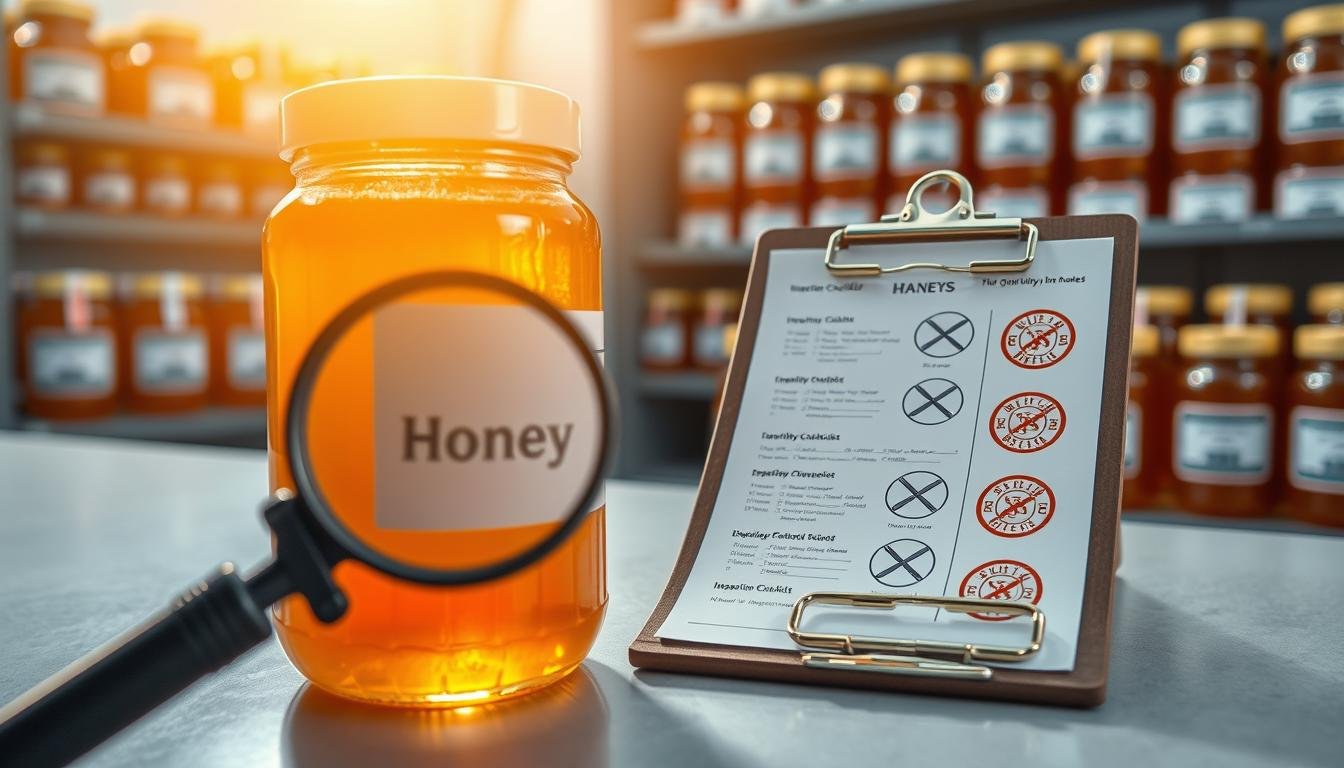
The single most reliable protection is buying from a UMFHA-licensed producer with a verifiable UMF certification number printed on the label, which can typically be checked against the association’s official licensee list. A price that seems unusually low for a high UMF or MGO grade is a genuine red flag rather than a lucky find, since authentic high-grade Manuka honey’s real production costs make steep discounting on premium grades implausible.
The UMFHA also maintains a public interactive UMF grading tool where a shopper can look up whether a specific licensee and UMF grade combination is genuinely registered – a two-minute check worth doing before paying premium prices for a jar with a UMF number that can’t otherwise be independently confirmed. DHA (dihydroxyacetone), the fourth compound the UMF system tracks, is also worth understanding: it occurs naturally in manuka nectar and slowly converts into methylglyoxal inside the honey over time, which is part of why freshly harvested manuka needs an extended maturation/storage period before its final MGO/UMF grade stabilizes enough to be accurately tested and certified.
Is It Actually Worth the Price?
For buyers specifically seeking Manuka honey’s documented antibacterial properties, genuine, properly certified product at an appropriate UMF or MGO grade for the intended use is worth the premium precisely because the compound responsible for that benefit is real and measurable, not marketing fiction. For buyers mainly wanting a good-tasting honey without a specific antibacterial-property goal, ordinary local or regional honey offers excellent flavor and the other well-supported honey benefits covered in our raw honey guide at a fraction of the cost, without needing to navigate the authentication concerns that come with Manuka specifically.
How Manuka Honey Became Famous
Manuka honey’s reputation grew substantially after New Zealand researchers identified and characterized methylglyoxal as the specific compound behind its distinctive antibacterial activity, giving what had previously been anecdotal folk-medicine use a genuine scientific basis worth taking seriously. The foundational work traces to biochemist Peter Molan at the University of Waikato, whose 1988 paper in the Journal of Apicultural Research, “Non-Peroxide Antibacterial Activity in Some New Zealand Honeys,” first documented that certain New Zealand honeys retained antibacterial activity even after their hydrogen peroxide was neutralized – the effect eventually named the Unique Manuka Factor, years before methylglyoxal itself was isolated as its chemical source in 2008. This research, followed by the development of formal grading systems like UMF, transformed manuka from a regional specialty into a globally recognized, heavily marketed premium honey category.
Choosing the Right Grade for Your Purpose
Lower UMF or MGO grades, roughly UMF 5+ to 10+ or MGO 80+ to 250+, are generally suited to everyday culinary use and general wellness purposes where extreme potency isn’t the priority. Higher grades, UMF 15+ to 20+ or MGO 550+ and above, are typically sought by buyers wanting the maximum documented antibacterial activity, often for topical or specific wellness applications, and correspondingly carry the steepest prices.
Storing Manuka Honey Properly
Manuka honey should be stored the same way as any quality honey: in a sealed container at room temperature, away from direct sunlight and excess humidity, since heat and moisture exposure can degrade the specific compounds that give it its rated potency over time. Refrigeration isn’t necessary and can actually accelerate crystallization, though crystallized manuka honey remains safe to eat and can be gently warmed to return it to a liquid state.
How Manuka Compares to Other Specialty Honeys
Manuka honey’s defining feature is its unusually high, independently verifiable antibacterial potency backed by a formal grading system, a combination most other specialty honeys, however good their flavor or regional reputation, generally don’t offer at the same documented level. Other specialty and monofloral honeys can still offer excellent flavor, unique character, and the general benefits of raw honey; they simply don’t carry manuka’s specific antibacterial-potency claim or its corresponding grading infrastructure.
What the Research Does and Doesn’t Actually Support
Laboratory research does support genuine antibacterial activity from methylglyoxal at sufficient concentrations, which is real and measurable rather than a marketing invention. What the research doesn’t support is treating Manuka honey as a general cure-all or a replacement for medical treatment of serious infections; its documented applications tend to be specific (such as topical wound-care contexts studied in clinical settings) rather than the broad, sweeping health claims sometimes attached to it in marketing.
Could This Ever Be Produced Domestically?
Because the manuka bush is native to New Zealand and parts of Australia and doesn’t grow as a naturalized forage plant in most of the United States, domestic Manuka honey production isn’t a realistic option for American beekeepers the way it might be for other specialty honey types tied to plants that do grow locally. Beekeepers interested in producing their own high-value specialty honey are generally better served identifying strong, regionally available monofloral sources in their own area rather than attempting to import or cultivate manuka specifically.
A Beekeeper’s Perspective on the Manuka Premium
From a working beekeeper’s point of view, Manuka honey’s premium pricing reflects genuine costs and genuine, lab-verified potency in properly certified product, not empty marketing the way some premium food branding can be; the fraud problem exists specifically because that legitimate premium creates a strong incentive for counterfeiting, not because the underlying product itself is overhyped. Buyers frustrated by manuka’s price point and authentication hassle shouldn’t necessarily conclude honey generally is overpriced, since most conventional and regional specialty honey remains genuinely affordable and doesn’t carry anything like the same fraud risk.
What to Actually Check on the Label
Beyond the UMF or MGO number itself, look for the country of origin (should specify New Zealand or a legitimate Australian manuka-growing region), a licensed UMFHA trademark or logo if UMF-certified, and a batch or lot number that a buyer could theoretically trace back to verify, all details a fraudulent product is less likely to include accurately. A label with only a vague “manuka blend” description and no verifiable certification number is a meaningfully weaker signal than a label with full, checkable certification details.
Topical and Skincare Uses
Manuka honey’s antibacterial properties have made it a popular ingredient in skincare products and topical wound-care contexts, an application area where clinical research on honey-based dressings has shown genuine promise for certain wound types under medical supervision. Consumer skincare products containing manuka honey vary enormously in their actual concentration and grade, and a product merely listing “manuka honey” as one ingredient among many isn’t equivalent to using pure, high-grade certified honey directly.
Why HMF Matters for Freshness Too
HMF (hydroxymethylfurfural) is a compound the official UMF grading system also tests for, though its role is different from the antibacterial markers: elevated HMF levels generally indicate a honey has been overheated or has aged significantly, making it a useful freshness and processing-quality check alongside the antibacterial-potency markers. A genuinely well-certified Manuka product accounts for HMF as part of ensuring the honey hasn’t been degraded by excess heat during processing, which would otherwise undermine its potency claims regardless of the raw ingredient’s original quality. A shopper comparing two otherwise similar jars should generally favor the one with a specific, checkable HMF figure disclosed over one that only advertises its UMF or MGO number without any supporting freshness data. Reputable sellers generally publish this kind of detailed testing information openly, sometimes with a scannable QR code or batch lookup tool linking directly to an independent lab report, rather than leaving buyers to take potency claims on faith. A seller unwilling or unable to provide this kind of documentation on request is worth treating with real skepticism, regardless of how polished the packaging or marketing copy looks, since genuine quality and genuine confidence in a product tend to go hand in hand, and that pattern holds true across nearly every category of specialty food product, not just honey, and it is a good general rule of thumb worth keeping in mind for any premium specialty product.
Common Mistakes
Buying “manuka honey” based on price and packaging alone, without checking for a verifiable UMF certification number, ignores just how widespread manuka fraud genuinely is in the global market. Assuming a suspiciously low price on a high-UMF-grade product represents a good deal rather than a red flag misunderstands the real, well-documented production costs behind authentic high-grade Manuka honey. Buying Manuka honey specifically for its antibacterial reputation without confirming the actual UMF or MGO grade risks paying a premium price for a product that may not deliver meaningful potency at all.
Sources
UMF and MGO grading details reflect published standards from the UMF Honey Association, and fraud-prevalence figures reflect published food-fraud research and industry reporting on the global manuka honey supply chain. See a peer-reviewed review of medical-grade honey in wound management for additional authoritative detail.
FAQ
What’s the difference between UMF and MGO ratings on Manuka honey?
UMF measures three compounds (MGO, DHA, and leptosperin) for a broader authenticity and potency picture, while MGO measures only methylglyoxal content directly – neither is inherently better, they simply measure different things.
Is most Manuka honey sold today actually fake?
A significant portion of “manuka honey” sold worldwide isn’t authentic at its claimed grade – global sales volumes far exceed genuine New Zealand production, meaning verifying UMF certification before buying is genuinely important.
Why is genuine Manuka honey so expensive?
Real production constraints drive the price: the manuka bush grows in limited regions, has a short bloom season, often requires remote hive placement, and only a small share of any harvest reaches the highest premium grades.
How can I verify Manuka honey is genuine before buying?
Look for a verifiable UMF certification number from a UMFHA-licensed producer, and treat unusually low prices on high UMF or MGO grades as a red flag rather than a good deal.