Last Updated September 15, 2026
Manuka honey isn’t the only honey in the world with genuine, documented antibacterial activity that stands out from ordinary honey. Jarrah honey, produced from the Jarrah tree native to the forests of southwest Western Australia, was identified by University of Sydney researchers as one of the most potent antibacterial honeys ever tested – a genuinely different specialty honey from the same broad category as Manuka honey, but with its own tree source, its own antibacterial mechanism, and its own real market reputation.
Key Takeaways
- A 2011 University of Sydney survey of 477 Australian honeys (Irish, Blair & Carter, published in PLOS ONE) found Jarrah honey had a median antibacterial activity of 25.1% phenol equivalent (max 31.4%) – well above the roughly 18% threshold used to define “active” Manuka at the time – and called Jarrah and Marri “the most potent antibacterial honeys yet reported.”
- Unlike Manuka, Jarrah honey’s antibacterial activity is driven almost entirely by hydrogen peroxide, not the non-peroxide methylglyoxal mechanism that makes Manuka’s activity heat- and light-stable – a real mechanistic difference.
- A 2023 University of Western Australia study found Jarrah honey’s hydrogen peroxide activity declines to negligible levels within about 8 weeks of storage at elevated temperature, meaning proper cool storage matters more for Jarrah than for non-peroxide honeys.
- Jarrah forests face two well-documented, specific pressures: Phytophthora cinnamomi dieback disease, and bauxite mining – Alcoa’s operations are projected to disturb roughly 2.7% of all jarrah forest (5.6% of the northern jarrah forest type) over a 100-year mine life.
Table of Contents
- The Jarrah Tree
- Flavor and Appearance
- The Real Science: Hydrogen-Peroxide-Driven Antibacterial Activity
- Why Jarrah Honey Is Genuinely Unpredictable
- Real Conservation Pressure on Jarrah Forests
- What to Look For When Buying Jarrah Honey
- Culinary Uses
- Jarrah in the Wider World of Antibacterial Honeys
- Jarrah Honey vs. Manuka Honey
- Common Misconceptions
- FAQ
The Jarrah Tree
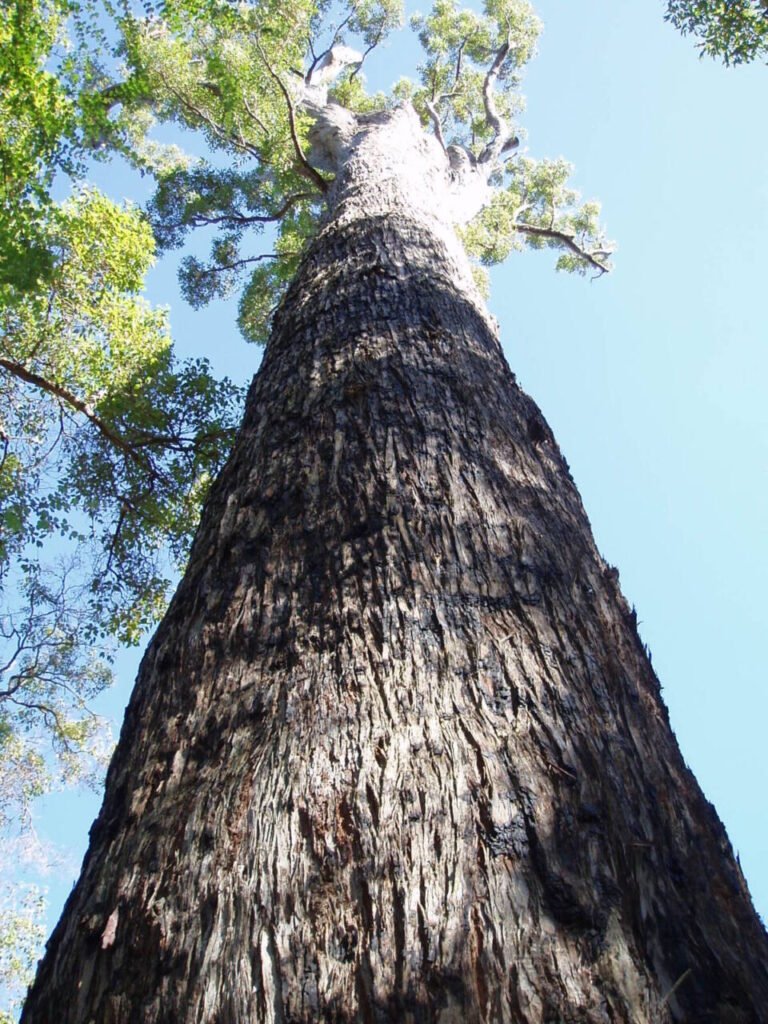
Jarrah (Eucalyptus marginata) is a large eucalyptus species native specifically to the forests of southwest Western Australia, an ecologically distinct region supporting genuine biodiversity found nowhere else, similar in ecological significance to the specific regional forests already documented elsewhere in this site’s coverage of premium regional honey sources. Jarrah forests represent a genuinely important native ecosystem in their own right, meaning Jarrah honey production is directly tied to the health and extent of a specific, geographically limited native forest type rather than a widely distributed agricultural crop.
Flavor and Appearance
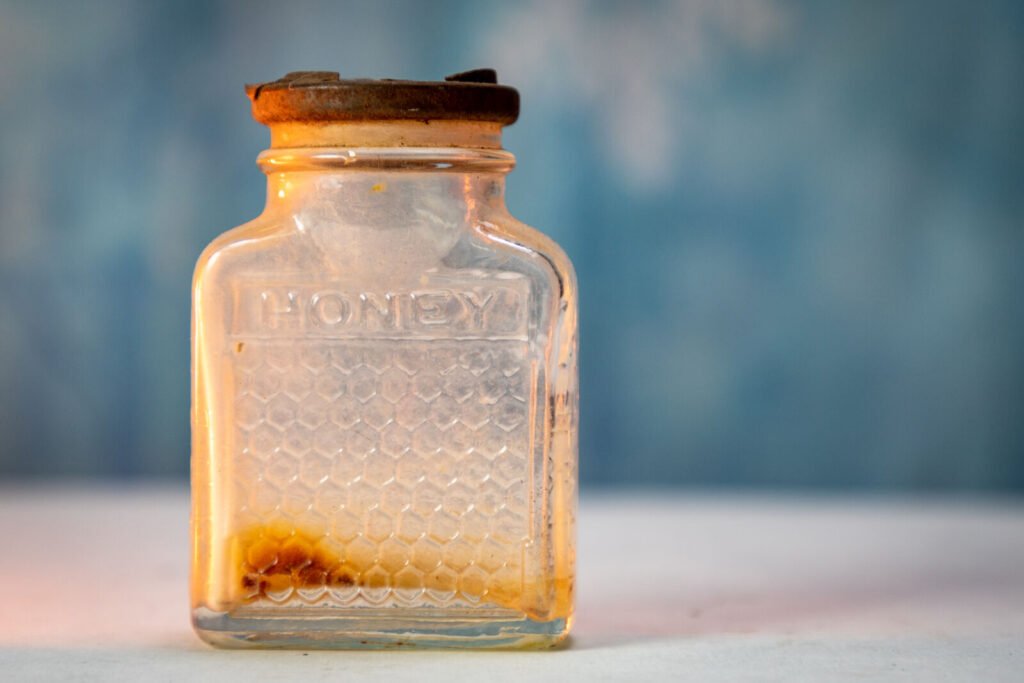
Jarrah honey is generally dark amber in color with a genuinely robust, rich flavor profile, often described as having malty or treacle-like notes with a distinctive, sometimes slightly bitter finish that distinguishes it clearly from lighter, more delicate honey varieties. This bold flavor character is part of what has built Jarrah honey’s genuine culinary reputation in Australia independent of its antibacterial properties – a real dual identity as both a distinctive table honey and a specialty product valued for documented health-related characteristics.
The Real Science: Hydrogen-Peroxide-Driven Antibacterial Activity
It’s worth being precise about the actual mechanism here, since Jarrah honey is often loosely lumped in with Manuka as if they work the same way – they don’t. A landmark 2011 University of Sydney study (Irish, Blair & Carter, published in PLOS ONE, surveying 477 honey samples from across Australian flora) found that Jarrah honey’s antibacterial activity is driven almost entirely by hydrogen peroxide, generated by the bee-derived enzyme glucose oxidase – not the non-peroxide, methylglyoxal-based mechanism that makes Manuka honey’s activity stable to heat and light. The researchers detected essentially no non-peroxide activity in the Jarrah samples they tested. What makes Jarrah genuinely remarkable is the sheer strength of that hydrogen-peroxide activity: a median of 25.1% phenol equivalent (maximum 31.4%), comfortably above the roughly 18% phenol-equivalent threshold used at the time to define “active” Manuka honey – strong enough that the researchers made a striking claim about their own findings.
“To our knowledge these are the most potent antibacterial honeys yet reported.”
The practical tradeoff is real: because Jarrah’s activity is hydrogen-peroxide-based rather than non-peroxide, it is genuinely less stable to heat and storage than Manuka’s. A 2023 University of Western Australia study (Jones, Huang, Green & Hammer, Journal of Applied Microbiology) found Jarrah honey’s hydrogen peroxide content declined to negligible levels within roughly 8 weeks of storage at elevated temperature, with substantial activity loss even at 45°C over 16 weeks. Cool, stable storage genuinely matters more for preserving Jarrah honey’s antibacterial activity than it does for non-peroxide honeys like high-grade Manuka.
Why Jarrah Honey Is Genuinely Unpredictable
Jarrah trees have irregular, unpredictable flowering cycles, sometimes going multiple years between strong nectar-producing bloom events rather than flowering reliably every season the way many commercial honey-source crops do. This creates a genuinely different scarcity dynamic than the narrow-seasonal-window scarcity already documented for Sidr honey – Jarrah honey’s supply constraint isn’t a predictable annual narrow window, but real year-to-year unpredictability, meaning beekeepers cannot reliably plan for consistent Jarrah honey production even within a normal seasonal calendar, adding a genuinely distinct layer of supply uncertainty on top of its geographic limitation to southwest Western Australia specifically.
Real Conservation Pressure on Jarrah Forests
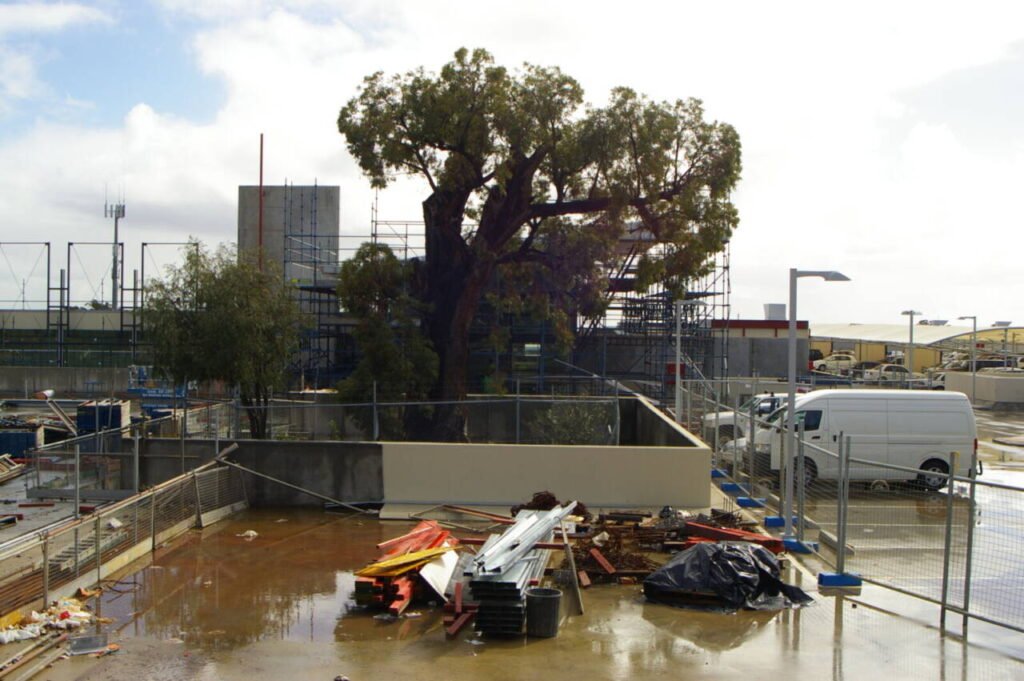
Jarrah forests face two well-documented, specific environmental pressures. The first is Phytophthora cinnamomi, a soil-borne pathogen commonly called “jarrah dieback,” which causes selective plant mortality across infested areas of the forest. The second is bauxite mining: Alcoa of Australia has operated bauxite mines in jarrah forest south of Perth for decades, and over the expected roughly 100-year life of the reserves involved, mining is projected to disturb approximately 2.7% of all jarrah forest, or about 5.6% of the northern jarrah forest type specifically. Both pressures carry real implications for the long-term viability of Jarrah honey production, since it is directly tied to that forest’s health – forest conservation isn’t a separate environmental issue from honey production but a direct precondition for the tradition’s continued viability.
What to Look For When Buying Jarrah Honey
Given real market interest in antibacterial honey varieties generally, buyers seeking genuine Jarrah honey with documented activity levels should look for products with verifiable regional provenance and, where available, activity testing similar in spirit to the UMF certification system already documented for Manuka honey, rather than relying purely on label claims – the same basic authenticity-verification logic covered in our guide to detecting adulterated honey applies directly to any premium honey variety carrying a real price premium tied to specific documented properties. Because Jarrah’s activity is hydrogen-peroxide-based and genuinely storage-sensitive, buyers should also favor cool, well-managed storage and shipping over long shelf time at room temperature.
Culinary Uses
Jarrah honey’s bold, malty flavor makes it a genuinely popular choice for uses where a more assertive honey character is desired – drizzled over strong cheeses, used in glazes and marinades that can stand up to its robust profile, or paired with dark, rich desserts where a lighter, more delicate honey would be overwhelmed rather than complemented. This distinctive culinary identity gives Jarrah honey real value as a table honey independent of its antibacterial reputation, similar to how many of the specialty honey varieties covered elsewhere on this site are valued for genuinely distinctive flavor profiles tied to their specific floral source, not health properties alone.
Jarrah in the Wider World of Antibacterial Honeys
Jarrah honey’s documented, exceptionally high antibacterial activity places it within a small, genuinely notable category of honey varieties worldwide with scientifically verified activity beyond typical honey’s general antimicrobial properties – a category that includes Manuka honey and the related Western Australian Marri honey (also flagged by the same 2011 study as exceptionally potent). This matters for understanding Jarrah honey’s real market position accurately: it is not simply “another Australian eucalyptus honey” competing on flavor and rarity alone, but a genuine member of a specific, scientifically distinguished category of medicinal-grade-relevant honey – even though, working through a different and less storage-stable mechanism than Manuka, it has not achieved the same level of global brand recognition and premium pricing that New Zealand’s coordinated UMF certification system helped build.
Jarrah Honey vs. Manuka Honey
| Aspect | Jarrah Honey | Manuka Honey |
|---|---|---|
| Source tree | Eucalyptus marginata | Leptospermum scoparium |
| Origin | Southwest Western Australia | New Zealand |
| Antibacterial basis | Hydrogen peroxide (glucose oxidase) | Non-peroxide (methylglyoxal) |
| Heat/storage stability | Degrades – negligible H2O2 within ~8 weeks at elevated temp | Stable – MGO does not degrade with heat/light |
| Documented median potency | 25.1% phenol equivalent | ~18%+ phenol equivalent (“active” threshold) |
| Supply predictability | Genuinely irregular, multi-year flowering gaps | More predictable seasonal bloom |
Common Misconceptions
- “Jarrah honey works the same way as Manuka, just from a different tree.” They don’t share a mechanism: Jarrah’s documented activity is hydrogen-peroxide-based, while Manuka’s is the non-peroxide, heat-stable methylglyoxal mechanism – a real, meaningful difference, not just a different source.
- “Jarrah honey is available every year like most commercial honey.” The Jarrah tree’s genuinely irregular flowering cycle means production can be inconsistent from year to year, unlike honey sources with reliable annual blooms.
- “Any dark Australian eucalyptus honey is Jarrah honey.” Jarrah honey specifically comes from Eucalyptus marginata; other eucalyptus species, including the closely related Marri (Corymbia calophylla), produce their own genuinely distinct honey varieties.
Frequently Asked Questions
What tree does Jarrah honey come from?
Eucalyptus marginata, commonly known as Jarrah, a large eucalyptus species native specifically to the forests of southwest Western Australia.
Does Jarrah honey really have antibacterial properties?
Yes – a 2011 University of Sydney study surveying 477 Australian honeys found Jarrah honey had a median antibacterial activity of 25.1% phenol equivalent (max 31.4%), describing it and the related Marri honey as “the most potent antibacterial honeys yet reported.”
Is Jarrah honey’s antibacterial mechanism the same as Manuka’s?
No – Jarrah’s activity is driven almost entirely by hydrogen peroxide from the enzyme glucose oxidase, while Manuka’s comes from non-peroxide methylglyoxal, which is far more stable to heat and light. This is a real mechanistic difference, not just a different plant source.
Why is Jarrah honey sometimes hard to find?
Jarrah trees have irregular, unpredictable flowering cycles, sometimes going multiple years between strong nectar-producing blooms, creating real year-to-year supply unpredictability beyond typical seasonal scarcity.
Does storage affect Jarrah honey’s antibacterial activity?
Yes, significantly – a 2023 University of Western Australia study found Jarrah honey’s hydrogen peroxide activity declined to negligible levels within about 8 weeks of storage at elevated temperature, so cool storage matters more for Jarrah than for non-peroxide honeys like Manuka.
Are Jarrah forests facing environmental threats?
Yes – Phytophthora cinnamomi dieback disease and bauxite mining are two well-documented pressures; Alcoa’s mining is projected to disturb roughly 2.7% of all jarrah forest over a 100-year mine life, directly affecting the long-term viability of Jarrah honey production.
Is Jarrah honey as strong as Manuka honey?
By the 2011 University of Sydney measurements, Jarrah honey’s median potency (25.1% phenol equivalent) actually exceeded the roughly 18% threshold used to define “active” Manuka at the time – but because its hydrogen-peroxide mechanism degrades faster in storage, real-world potency depends heavily on freshness and handling in a way Manuka’s does not.
Further Reading
- Manuka Honey Explained: UMF Ratings and Whether It’s Worth the Price
- How to Spot Fake Honey: Complete Guide to Detecting Adulterated Honey
Primary sources: Irish, Blair & Carter, “The Antibacterial Activity of Honey Derived from Australian Flora,” PLOS ONE (2011); Jones et al., Journal of Applied Microbiology (2023); botanical reference on the jarrah tree.