Last Updated September 15, 2026
Ounce for ounce, Sidr honey is consistently ranked among the most expensive honey varieties in the world, and its price reflects genuine, longstanding scarcity rather than pure marketing: it comes from the nectar of the Sidr tree, blooms in a narrow seasonal window, and has traditionally been harvested in Yemen using distinctive cylindrical hive technology that looks nothing like the frame hives most beekeeping content, including most of this site, is built around. This article covers Sidr honey and traditional Yemeni beekeeping on their own terms – the tree, the hive technology, the harvest, the honey’s cultural and religious significance, and an honest look at the real, serious challenges the industry faces today.
Key Takeaways
- Sidr honey commonly sells for $100-300 per kilogram wholesale and $400-500+ at retail in Gulf markets – with rare, small-batch Wadi Do’an honey reportedly reaching as much as $1,000 per kilogram.
- Wadi Do’an in Hadhramaut, considered the source of the finest Sidr honey, produces only an estimated 5-7 tons of it per year – a genuinely small harvest driving much of the price.
- Around 100,000 Yemeni households depend on beekeeping as their sole source of income, according to UN and ICRC figures, and the country’s honey exports have fallen by more than half since the war began, from an estimated 50,000 tons a year beforehand.
- Ongoing conflict has created real, documented safety risks for beekeepers moving hives across frontlines – this article covers that honestly but does not attempt full humanitarian or political analysis, which falls outside a beekeeping-focused overview.
Table of Contents
- Key Takeaways
- The Sidr Tree and Its Narrow Bloom Window
- Traditional Yemeni Hive Technology
- Why Sidr Honey Is Genuinely This Expensive
- Cultural and Religious Significance
- Regional Production: Hadhramaut and Doan Valley
- Real Modern Challenges Facing the Industry
- Authenticity and Fraud Concerns
- Harvest Timing and Yield
- Sidr Honey in the Wider World of Premium Honey
- Sidr Honey vs. Manuka Honey
- Common Misconceptions
- FAQ
The Sidr Tree and Its Narrow Bloom Window
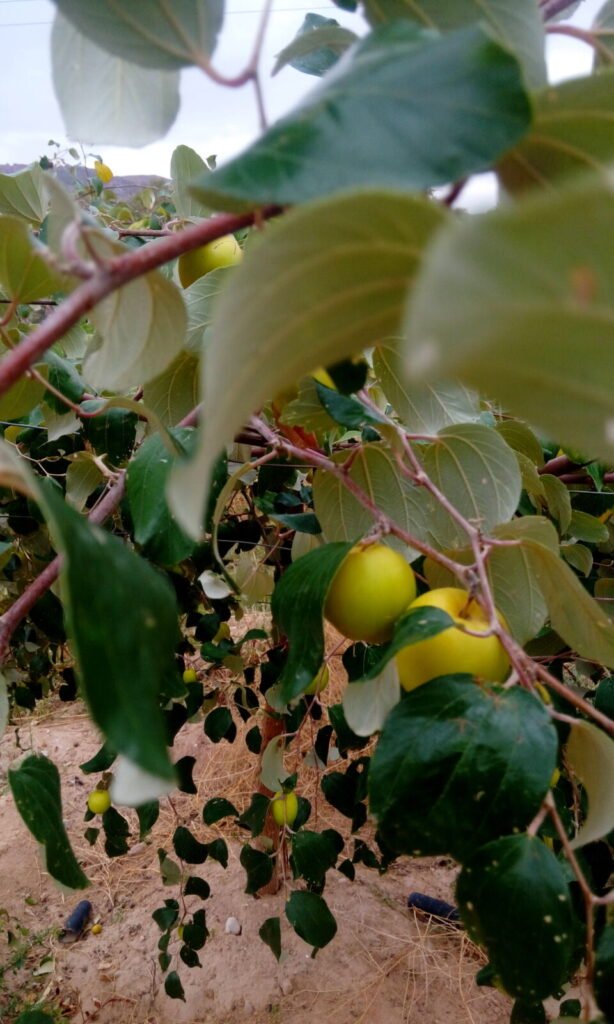
Sidr honey comes from the nectar of Ziziphus spina-christi, commonly known as the Sidr or lote tree, a species with real cultural and religious significance across the Middle East that also happens to produce a distinctive, highly sought-after honey when bees forage its blossoms. The tree’s bloom window is genuinely narrow, and beekeepers depend on bees successfully foraging that specific, limited flowering period to produce true Sidr honey – a real biological constraint that directly limits total production volume no matter how much market demand exists, which is part of the honest, structural reason behind the honey’s high price rather than that price being purely a marketing construction.
Traditional Yemeni Hive Technology
Traditional Yemeni beekeeping uses cylindrical hives, often constructed from mud, clay, or hollowed palm trunks, a fixed-comb hive design conceptually related to other Old World cylinder and log hive traditions covered elsewhere in this series, including Ethiopia’s traditional log hives and ancient Chinese cylindrical hives, despite all three traditions developing independently in different regions with different local bee populations. This shared basic cylinder-hive logic across otherwise unconnected traditions is a genuinely recurring pattern worth noting: a simple, locally sourced hollow-vessel design solving the same basic sheltered-cavity problem for bee colonies across very different cultures and climates.
Why Sidr Honey Is Genuinely This Expensive
Multiple real, compounding factors drive Sidr honey’s price well above typical commercial honey: the narrow Sidr bloom season limits total harvestable volume, traditional harvesting and production methods do not scale the way large commercial Apis mellifera operations elsewhere do, and genuine, longstanding international demand – driven partly by the honey’s distinctive flavor and partly by its traditional medicinal reputation – continues outpacing available supply. The numbers reflect it directly: Sidr honey commonly sells for $100-300 per kilogram wholesale and $400-500 or more at retail in Gulf markets, with rare, small-batch honey from Wadi Do’an – which produces only an estimated 5-7 tons a year – reportedly reaching as much as $1,000 per kilogram. It is honest to note this combination of real scarcity and real demand is a fundamentally different price-driver than the specific, scientifically documented antibacterial-compound story behind Manuka honey’s premium pricing, discussed in more depth in our existing Manuka honey guide – two genuinely premium honeys commanding high prices for meaningfully different underlying reasons.
Cultural and Religious Significance
Honey holds documented significance within Islamic tradition, referenced in religious texts in connection with health and healing, and Sidr honey specifically carries additional cultural weight in Yemen and the broader region given the Sidr tree’s own separate religious and cultural significance across Middle Eastern tradition. This dual layer of significance – honey generally, and the Sidr tree specifically – gives Sidr honey a genuinely deeper cultural resonance in its region of origin than a typical premium honey variety marketed primarily on flavor or rarity alone elsewhere in the world.
Regional Production: Hadhramaut and Doan Valley
Yemen’s Hadhramaut region, including areas like the Doan Valley (Wadi Do’an), is widely recognized as a center of traditional Sidr honey production, where beekeeping has been practiced as a genuine, sustained regional livelihood and cultural practice for a long documented period. This regional concentration matters practically: production is not evenly distributed across the entire country, but centered in specific areas where Sidr trees, traditional beekeeping knowledge, and suitable growing conditions come together, similar to how many premium honey varieties worldwide are tied to specific, geographically limited production regions rather than being produced uniformly across an entire country.

Real Modern Challenges Facing the Industry
It would be dishonest to cover Yemeni beekeeping today without acknowledging the real, serious challenges the country’s prolonged conflict has created for beekeepers and the broader honey trade. According to figures cited by the International Committee of the Red Cross and the United Nations, roughly 100,000 Yemeni households depend on beekeeping as their sole source of income, and honey exports – an estimated 50,000 tons annually before the war – have fallen by more than half since. Active frontlines have restricted beekeepers’ ability to move hives to seasonal forage, a real constraint on an industry that has always depended on tracking specific, narrow flowering windows across different regions. As one Taiz beekeeper, identified only as Amin, told the ICRC:
The worst day of my life was when a rocket landed on my bee colony. Since then, the situation has worsened; the business is no longer lucrative.
This article does not attempt to provide detailed current humanitarian or political analysis, which falls outside what a beekeeping-focused overview can responsibly cover, but it would be a significant omission to describe Yemen’s honey industry today without acknowledging that beekeepers there have been operating under genuinely difficult and often dangerous conditions.
Authenticity and Fraud Concerns
Sidr honey’s high price and strong international demand make it a genuine target for adulteration and mislabeling fraud, the same basic economic dynamic already documented in our guide to detecting adulterated honey and in the counterfeit-Manuka problem covered in our New Zealand beekeeping history article – whenever a honey variety commands a significant price premium, the financial incentive for fraud rises accordingly, and Sidr honey is a clear real-world example of that broader pattern rather than an exception to it.
Harvest Timing and Yield
Traditional Sidr honey harvest is tied directly to the tree’s narrow flowering season, meaning beekeepers have a genuinely limited window each year to time harvest correctly – too early and the honey has not fully developed the characteristics that define authentic Sidr honey, too late and the opportunity for that season’s harvest may be lost. This tight seasonal dependency is a real, structural feature of the production system, not an incidental detail, and it stands in real contrast to beekeeping operations built around more flexible, multi-source forage availability across a longer season.
Sidr Honey in the Wider World of Premium Honey
Sidr honey takes its place among a genuine global category of premium, regionally distinctive honey varieties this site has documented – Manuka from New Zealand, and the broader pattern of specific, geographically limited honey varieties commanding real market premiums for real, verifiable reasons rather than pure marketing invention. What ties these varieties together as a category is that each one’s premium status rests on some combination of genuine scarcity, distinctive documented properties, or deep cultural significance specific to its region of origin – Sidr honey genuinely embodies all three simultaneously, which is part of why it commands such a consistently high position among the world’s most expensive honey varieties.
Sidr Honey vs. Manuka Honey
| Aspect | Sidr Honey | Manuka Honey |
|---|---|---|
| Source tree/plant | Ziziphus spina-christi (Sidr/lote tree) | Leptospermum scoparium (Manuka shrub) |
| Primary origin | Yemen (Hadhramaut, Wadi Do’an) | New Zealand |
| Typical price range | $100-300/kg wholesale; up to $1,000/kg for rare batches | Varies by UMF grade, generally lower than top-tier Sidr |
| Primary premium driver | Scarcity from narrow bloom window plus cultural demand | Documented methylglyoxal antibacterial content |
| Traditional hive type | Mud/clay/log cylinder hives | Modern frame hives (post-colonial introduction) |
Common Misconceptions
- “Sidr honey’s price is purely a marketing story.” Real, structural scarcity – Wadi Do’an alone produces an estimated 5-7 tons a year – and traditional non-scaled production methods are genuine, verifiable drivers of the price, not manufactured hype.
- “Sidr and Manuka honey are premium for the same reason.” Manuka’s premium rests on a specific documented antibacterial compound; Sidr’s rests on genuine scarcity and cultural/religious significance – different underlying mechanisms.
- “Yemen’s honey industry is unaffected by the country’s broader situation.” Yemen’s honey exports have fallen by more than half since the war began, and roughly 100,000 beekeeping-dependent households face real, documented disruption – a genuine modern challenge this article does not minimize.
Frequently Asked Questions
What tree does Sidr honey come from, and why is it so narrow a season?
Ziziphus spina-christi, commonly known as the Sidr or lote tree, blooms in a genuinely narrow seasonal window that directly limits how much true Sidr honey can be produced each year, regardless of market demand.
Why is Sidr honey so expensive?
A combination of genuine scarcity from the Sidr tree’s narrow bloom window (Wadi Do’an, the source of the finest grade, produces only an estimated 5-7 tons a year), traditional non-industrial-scale production methods, and strong, sustained cultural and international demand. Prices commonly run $100-300 per kilogram wholesale and $400-500+ at retail, with rare batches reportedly reaching $1,000 per kilogram.
What kind of hives do traditional Yemeni beekeepers use?
Cylindrical hives, often made from mud, clay, or hollowed palm trunks – a fixed-comb design conceptually related to other traditional cylinder and log hive traditions found independently in other regions of the world.
Where in Yemen is Sidr honey primarily produced?
The Hadhramaut region, including Wadi Do’an (the Doan Valley), is widely recognized as a center of traditional Sidr honey production and beekeeping practice.
Has Yemen’s conflict affected the honey industry?
Yes, significantly. According to ICRC and UN figures, honey exports have fallen by more than half from an estimated 50,000 tons a year before the war, and roughly 100,000 Yemeni households that depend on beekeeping as their sole income face real, documented disruption, including restricted movement of hives across frontlines and direct safety risks.
Is fake Sidr honey a real problem?
Yes, its high price and strong demand make it a genuine target for adulteration and mislabeling, the same economic dynamic that drives fraud risk for other premium honey varieties like Manuka.
How can buyers try to verify authentic Sidr honey?
Purchasing from reputable, traceable sources with verifiable regional provenance is the most practical general safeguard, consistent with the same authenticity-verification logic covered in our broader fake honey detection guide – genuine Sidr honey’s real production constraints mean an unusually low price relative to typical market rates is itself a reasonable warning sign worth taking seriously.
For more on this topic, see the UN Food and Agriculture Organization’s Yemen country page and the ICRC’s report on Yemen’s honey production under conflict and climate pressure.