
Iceland’s Beekeeping: A Small, Isolated Apiary Culture Built From Scratch
Iceland has no native honeybees. Every colony there today descends from bees deliberately imported since 1998, in a small apiary culture unusually free of Varroa.

Beekeeping and honey-hunting traditions from around the world, past and present, including stingless bee keeping, folklore, and practices distinct from mainstream Langstroth-hive beekeeping. Long before the movable frame, people kept bees in hollow logs, cork bark, clay cylinders, woven skeps and living trees, and many are still in use because they suit local bees and forests better than a standardized box.
The articles group naturally. Honey hunting covers the Gurung cliff harvests in Nepal, the Kadar and Irula of the Western Ghats, the Sundarbans harvesters in tiger country, and the rock painting at Cuevas de la Araña. Tree beekeeping covers bartnictwo in Poland and bortnichestvo in Russia, with nest cavities cut into living pines. Stingless bee keeping covers Maya meliponiculture and the sugarbag bees of Australia, harvested from pots rather than combs. Regional traditions include the native Japanese bee, Yemen and its Sidr honey, Ethiopia, Iceland, Mount Athos and the log gums of Appalachia. Folklore rounds it out: the Barberini bees, the Manchester bee, telling the bees, and honey in world religions.
It is for readers who want to see how differently beekeeping can be done, and for beekeepers who suspect, correctly, that a Kenyan beehive fence or a Slovenian painted hive panel has something to teach them.
Start here:
Iceland has no native honeybees. Every colony there today descends from bees deliberately imported since 1998, in a small apiary culture unusually free of Varroa.

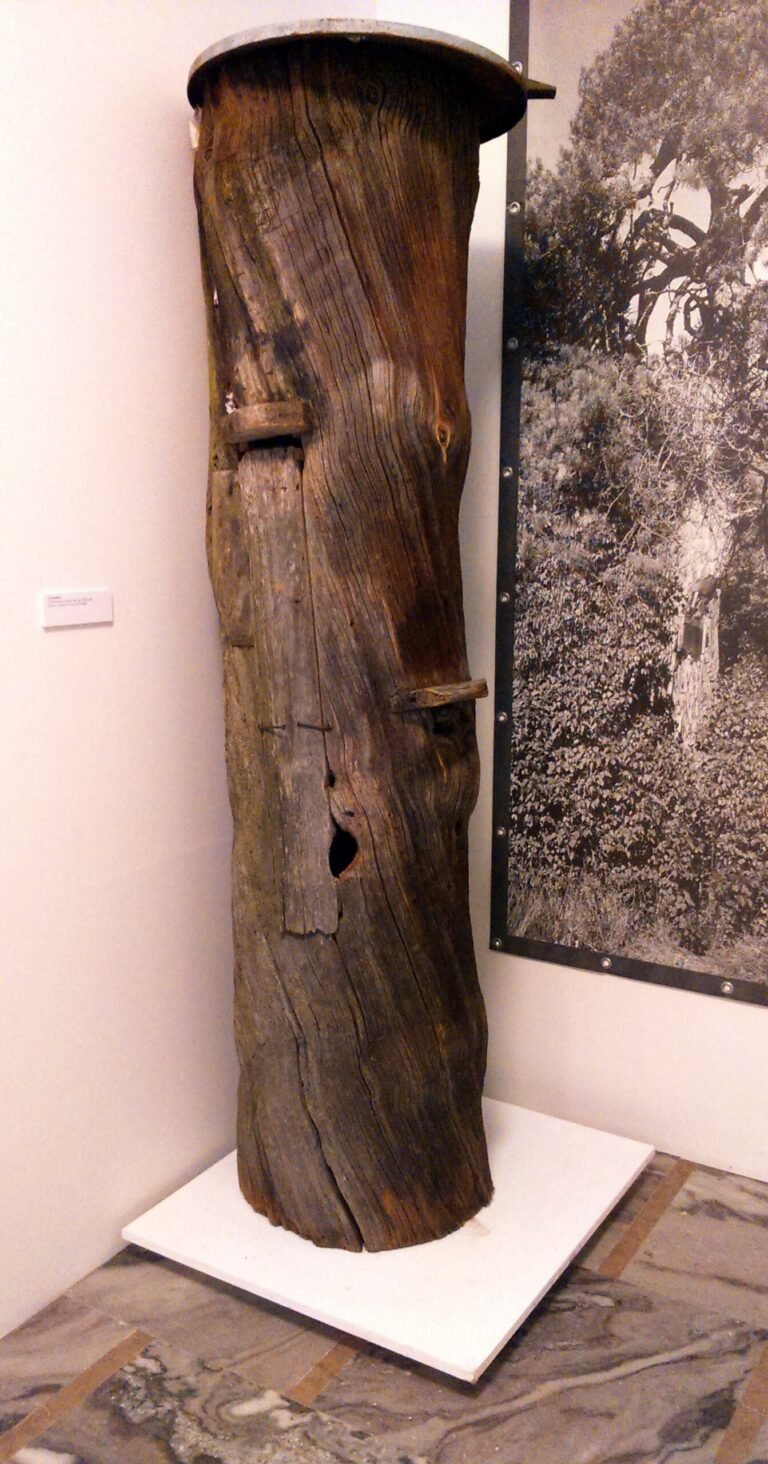
Cortiços are Portugal's traditional cylindrical beehives made from harvested cork bark, used since the Roman era and still kept today in the Barroso highlands.
Bartnictwo is Poland's centuries-old tradition of tending bees in cavities carved into living trees, documented since the 13th century and inscribed on UNESCO's Representative List of Intangible Cultural Heritage in December 2020.

The Greek god credited with founding beekeeping has a myth that's really about losing every bee he owned overnight — and how he got them back.
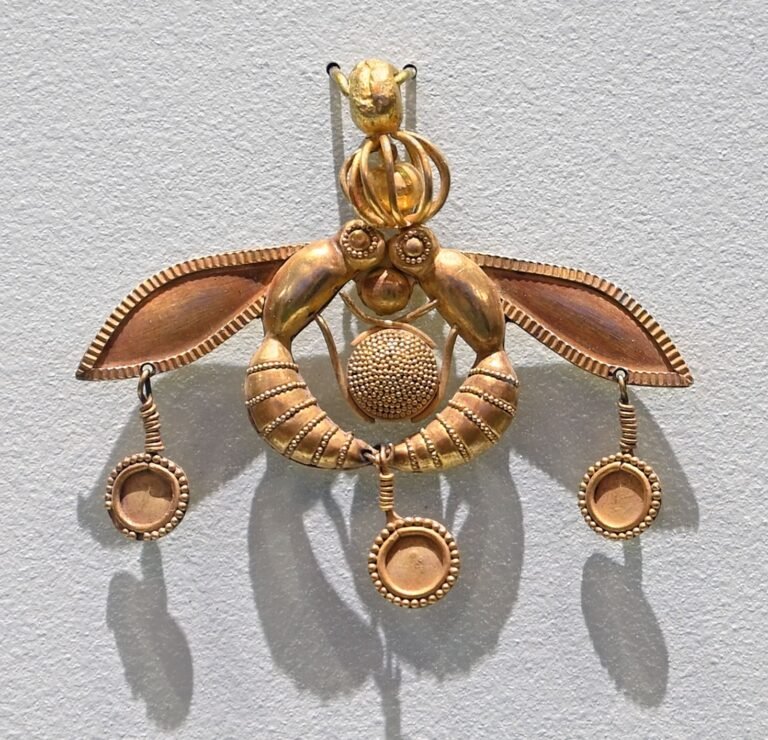
A gold Minoan pendant found at Chrysolakkos, Malia, in 1930 and now in the Heraklion Archaeological Museum. Scholars still argue over whether its two insects are bees or wasps.
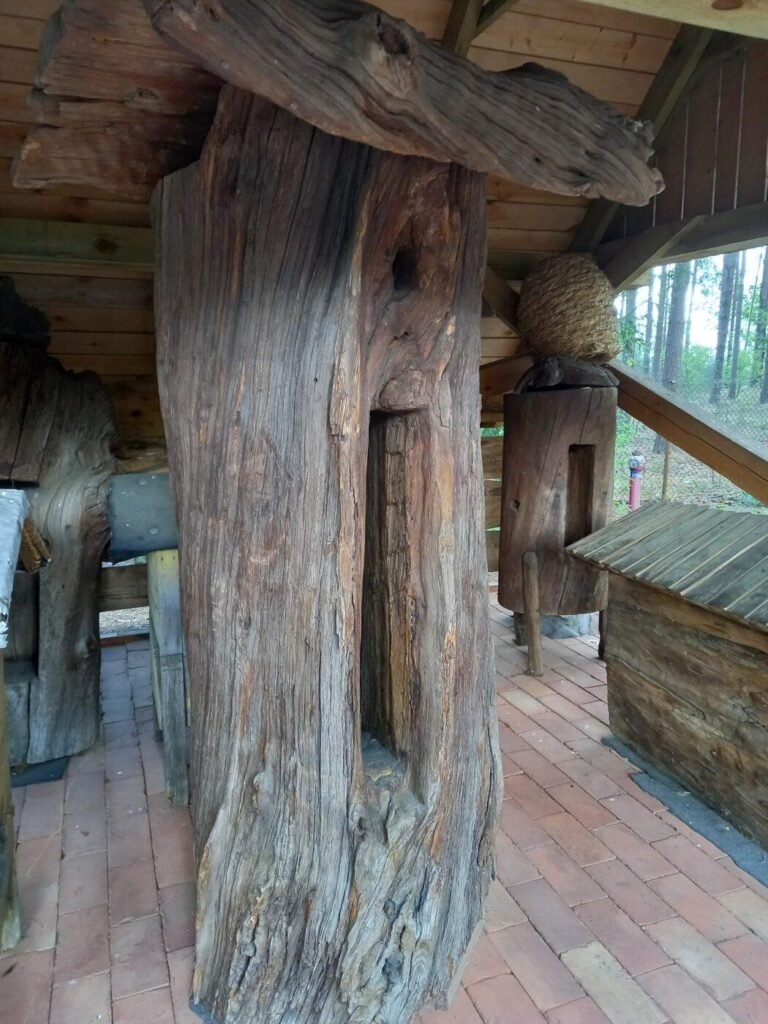
Before modern hives, Appalachian beekeepers housed colonies in hollowed-out black gum tree trunks. Here's how bee gums were built, populated, and harvested — and why the practice eventually faded.
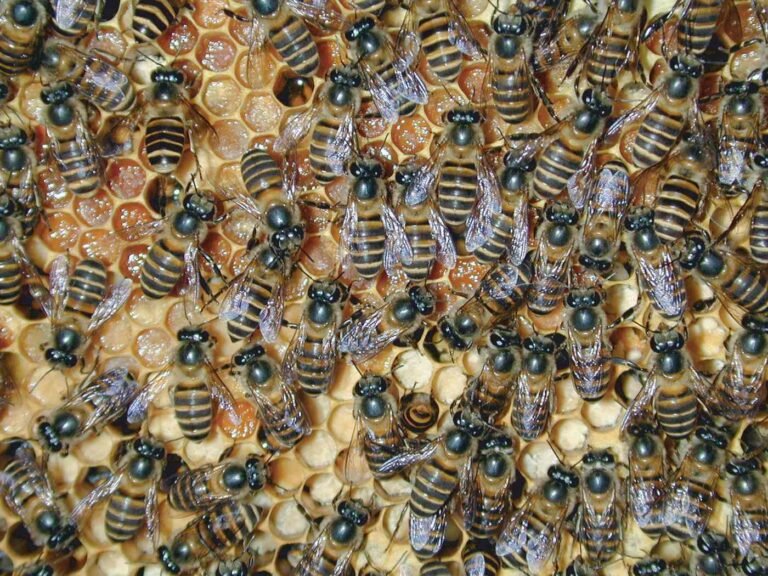
A virulent sacbrood virus strain has caused over 90% mortality in Korea's native Apis cerana since 2008, reshaping the country's beekeeping industry.
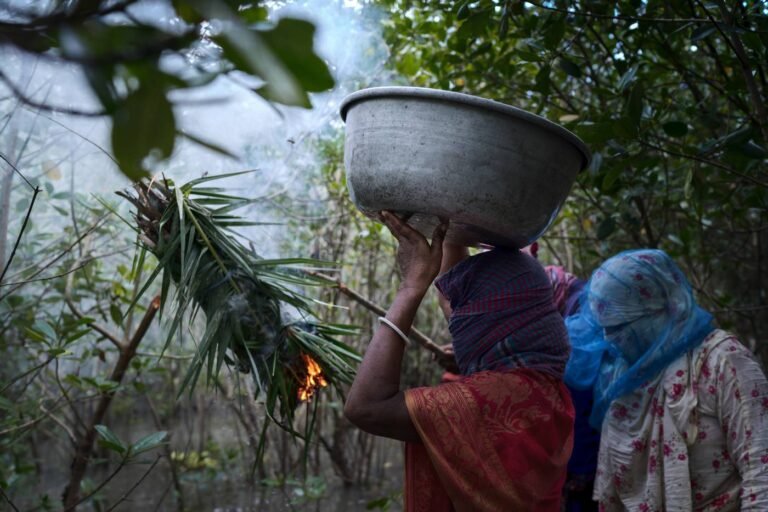
The Mawalis of the Sundarbans harvest wild honey from giant honey bee combs in mangrove forest shared with Bengal tigers — a documented, genuinely dangerous tradition.

Mount Athos's Greek Orthodox monasteries have kept bees for centuries, producing honey that plays a real role in the fasting calendar. Here's how this tradition compares to Buckfast Abbey's.
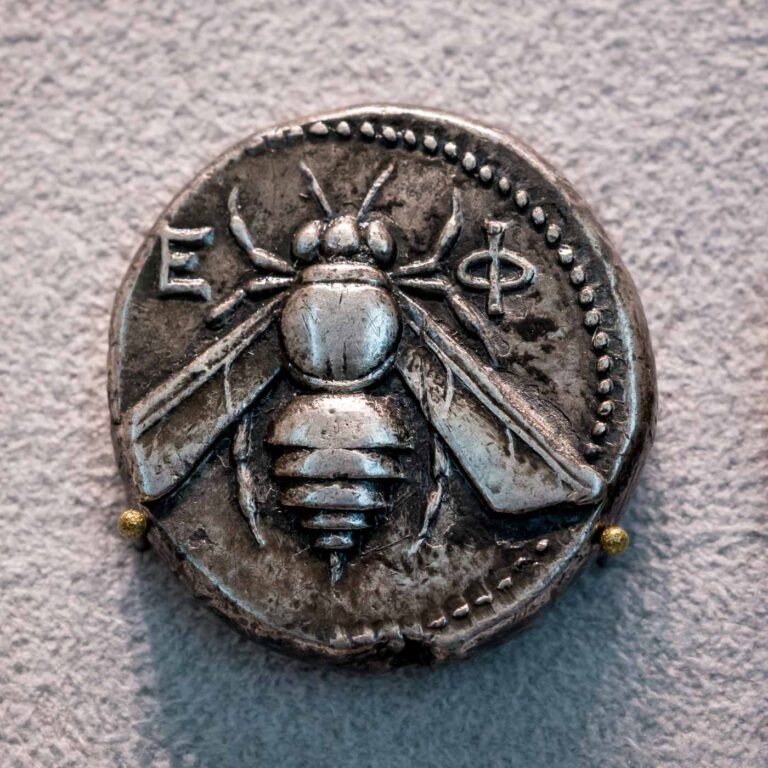
For nearly six centuries, Ephesus minted coins bearing a bee tied to Artemis and her temple priestesses. Here's the real history behind one of antiquity's longest-running civic symbols.
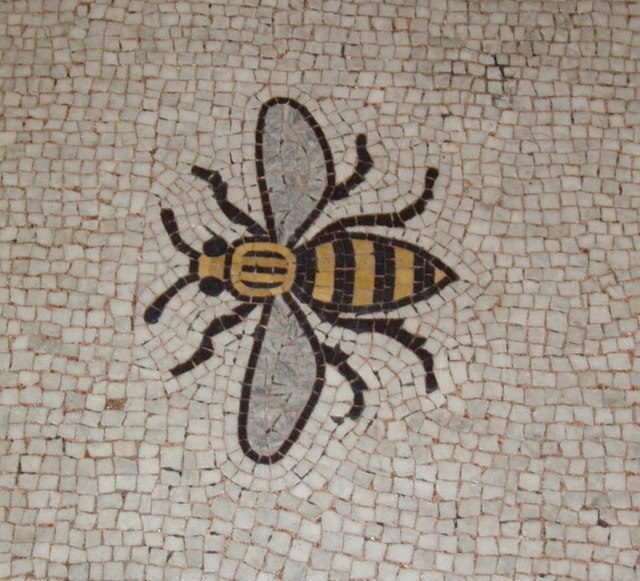
How Manchester's 1842 worker-bee coat of arms, born from cotton-mill imagery, became a citywide symbol of unity after the 2017 Arena bombing.
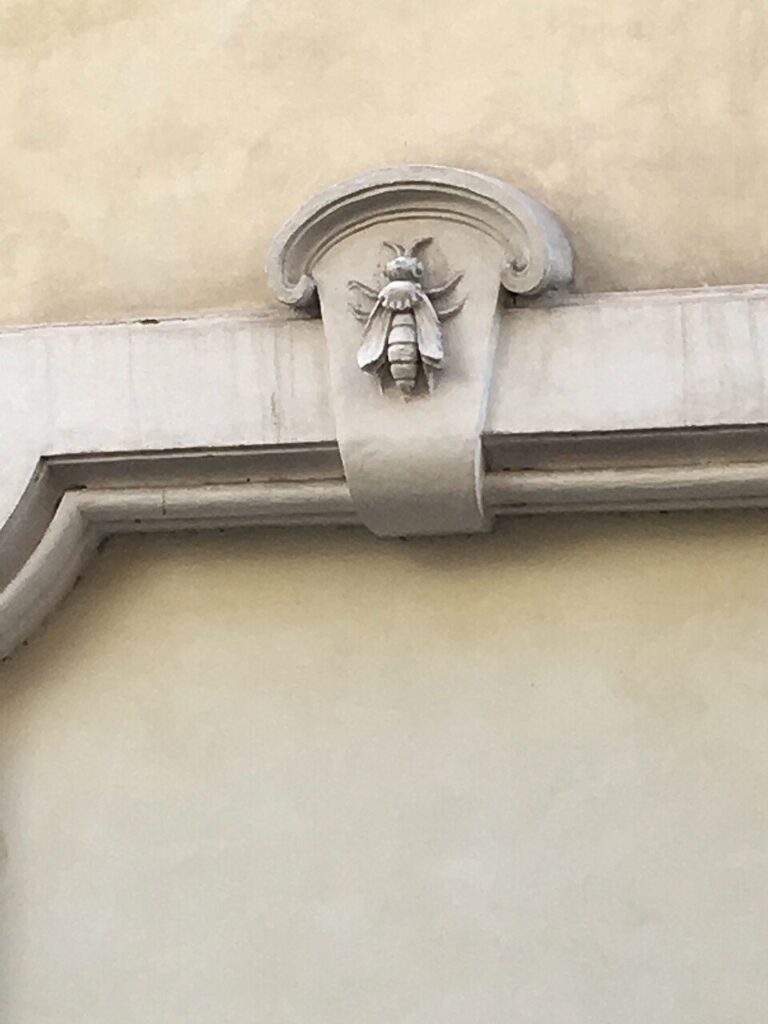
The three bees on Bernini's baldachin are the Barberini family arms, because Pope Urban VIII was born a Barberini. This guide sources where to spot them in Rome and separates documented facts from myths.
How bees and honey are portrayed across major world religions and mythologies, from the Quran and Bible to Norse legend.
Most bee-related idioms have a real, traceable history — but the popular origin stories people repeat for them are often wrong, including one debunked myth that a chain email invented…
Elephants, it turns out, are genuinely afraid of bees. That real, documented behavioral fact – elephants reliably avoid areas with active beehives and flee from the sound of disturbed bees,…
Japan maintains two genuinely distinct honeybee traditions side by side: large-scale commercial beekeeping using Apis mellifera, introduced from the West during the Meiji era, and a smaller-scale, culturally beloved traditional…
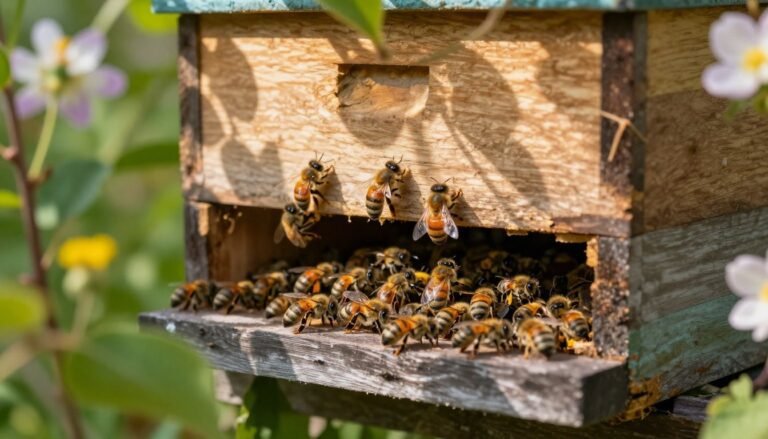
Turkey occupies a genuinely unusual position in the world of beekeeping: it is the world’s third-largest honey producer by volume, behind only China and India, it hosts a remarkable diversity…
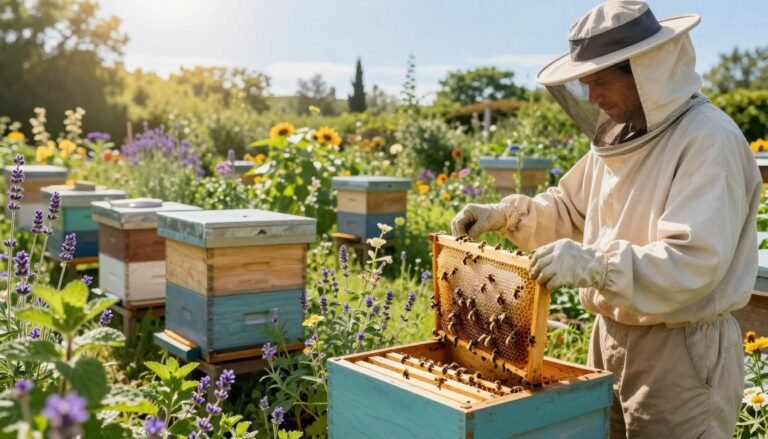
Ounce for ounce, Sidr honey is consistently ranked among the most expensive honey varieties in the world, and its price reflects genuine, longstanding scarcity rather than pure marketing: it comes…

In the forested mountains of southern India’s Western Ghats – a UNESCO World Heritage Site since 2012, inscribed as a serial listing of 39 component sites across six Indian states…
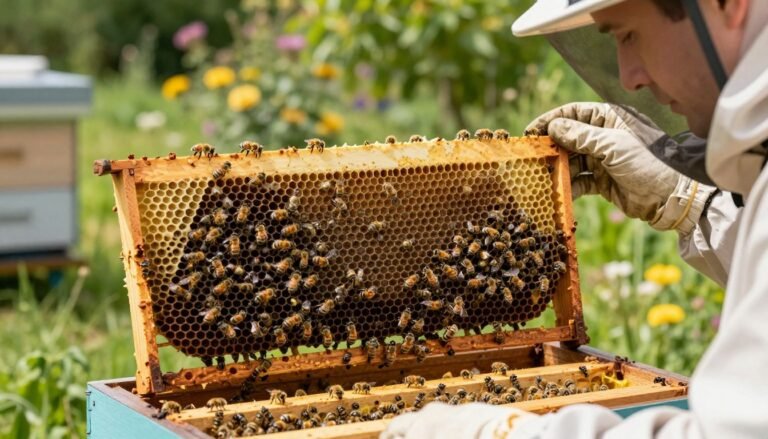
High on a rock wall near Bicorp, in the Valencia region of eastern Spain, a prehistoric artist painted a scene that still resonates with anyone who has ever climbed toward…
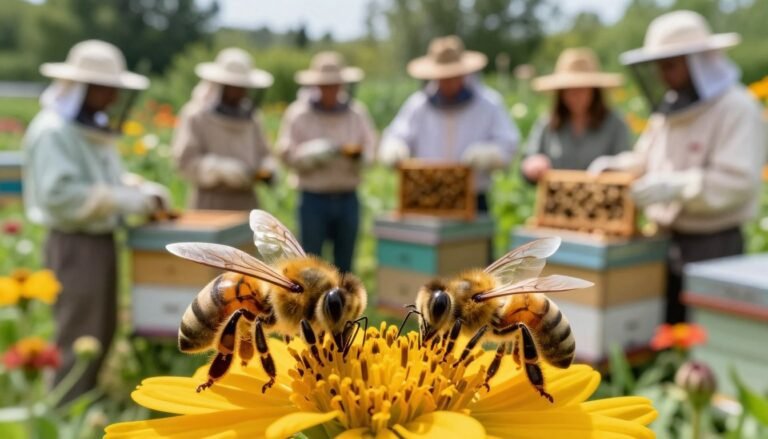
Walk through a traditional Slovenian apiary and you won’t just see rows of identical hive boxes – you’ll see a gallery. On the front of each compartment in a traditional…
Few insects have carried as much symbolic weight across as many unrelated cultures as the honeybee. From ancient Greek priestesses who took their very name from bees, to a Pope…
In rural England, Germany, Wales, and later New England, families kept a custom that sounds almost like superstition today but was, for centuries, treated as a genuine household obligation: when…
China has one of the longest continuously documented beekeeping histories in the world, and today it is also the world’s largest honey producer by volume – a genuinely striking combination…
In the tropical and subtropical woodlands of northern Australia, Aboriginal Australians have gathered “sugarbag” – the honey and nest contents of native stingless bees – for an extraordinarily long span…