Last Updated September 15, 2026
In the forested mountains of southern India’s Western Ghats – a UNESCO World Heritage Site since 2012, inscribed as a serial listing of 39 component sites across six Indian states for its exceptional biodiversity – indigenous forest communities including the Kadar and Irula peoples have practiced wild honey hunting for generations, climbing tall trees and cliff faces to reach colonies of Apis dorsata, the giant honey bee already profiled in our existing species guide. This is a genuinely distinct tradition from the Himalayan Apis laboriosa cliff hunting practiced by Nepal’s Gurung communities covered elsewhere on this site – different mountain range, different tribes, different specific bee species, and a different ecological and economic context entirely.
Key Takeaways
- The Western Ghats were inscribed as a UNESCO World Heritage Site in 2012, as a serial listing of 39 protected areas spanning Gujarat, Goa, Maharashtra, Karnataka, Tamil Nadu, and Kerala.
- Keystone Foundation, an NGO founded in 1993 and based in the Nilgiris, has documented and supported indigenous honey-hunting communities in the region for over three decades.
- Since April 2013, the Aadhimalai Pazhangudiyinar Producer Company – a tribal-owned cooperative working with Keystone Foundation – has given more than 4,500 indigenous producers across the Nilgiri Biosphere Reserve a formal market channel, selling wild honey under the Last Forest brand.
- Western Ghats honey hunters primarily target Apis dorsata, the giant honey bee – a genuinely different species and tradition from the Apis laboriosa hunted by Nepal’s Gurung communities.
Table of Contents
- Key Takeaways
- The Western Ghats: A Biodiversity Hotspot
- The Kadar People
- The Irula People
- The Bee and the Climbing Technique
- Deep Forest Ecological Knowledge
- Modern Cooperative Economics
- Conservation Pressure and Livelihood Risk
- Ritual and Spiritual Elements
- Western Ghats Honey Hunting in the Wider World
- Western Ghats vs. Himalayan Honey Hunting
- Common Misconceptions
- FAQ
The Western Ghats: A Biodiversity Hotspot
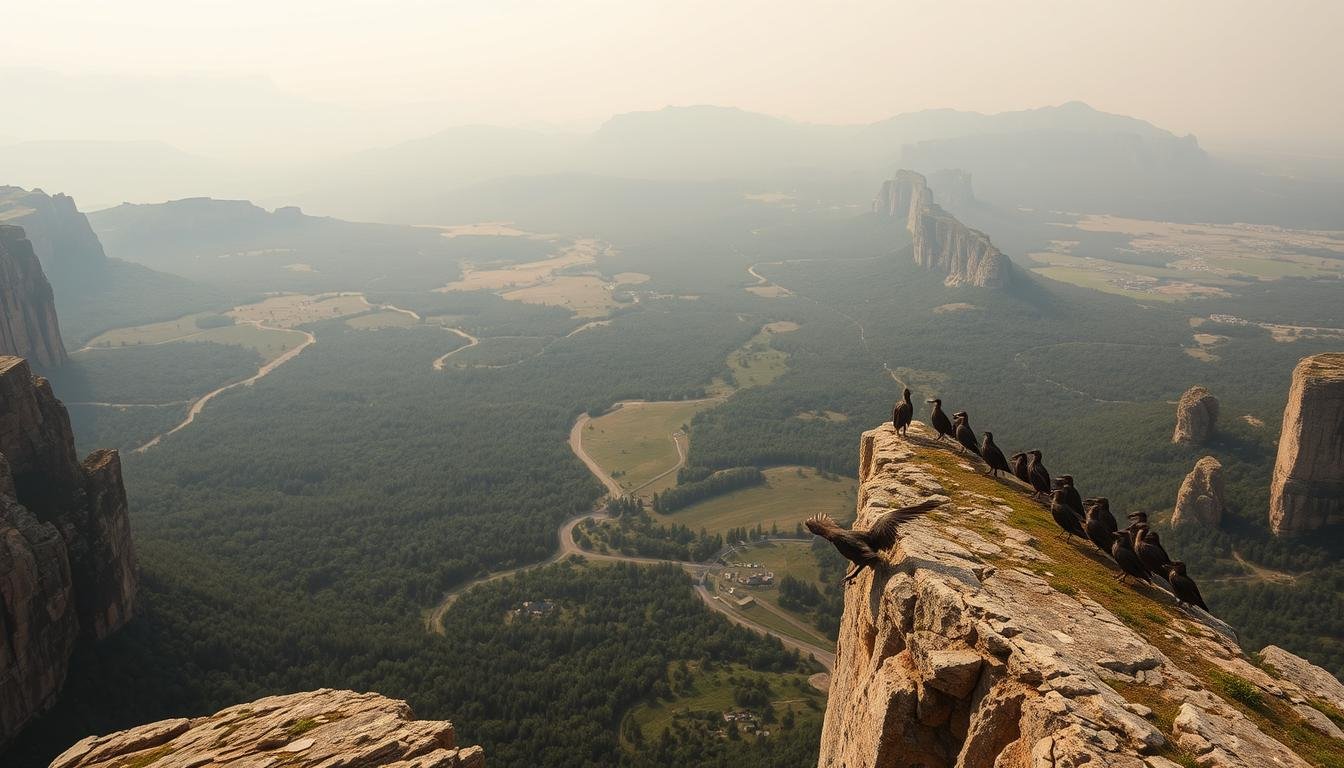
The Western Ghats mountain range runs along India’s southwestern coast through Gujarat, Goa, Maharashtra, Karnataka, Tamil Nadu, and Kerala, recognized internationally as one of the world’s genuinely significant biodiversity hotspots. In 2012, UNESCO inscribed the range as a World Heritage Site through a serial listing of 39 individual protected component sites – national parks and wildlife sanctuaries – rather than certifying the entire mountain range as one single unbroken designation. This ecological richness directly supports the wild Apis dorsata populations that Western Ghats honey-hunting traditions depend on – a genuinely healthy, diverse forest ecosystem is not incidental background to this tradition but a direct precondition for it, since wild giant honey bee colonies require substantial, undisturbed forest habitat to thrive at meaningful scale.

The Kadar People
The Kadar are an indigenous forest community traditionally based in the Anamalai hills region spanning parts of Kerala and Tamil Nadu, historically practicing a forest-based livelihood that includes hunting-gathering traditions alongside honey collection as one of several significant traditional forest resource activities. Kadar communities carry genuine, deep, generationally transmitted ecological knowledge of their forest environment – knowledge of seasonal bee activity, nest locations, and safe collection timing that represents exactly the kind of accumulated practical expertise this site has documented in other indigenous honey-hunting traditions, developed independently but following broadly similar patterns of deep, sustained forest-specific knowledge.
The Irula People
The Irula are another indigenous community of Tamil Nadu and parts of Kerala, traditionally known for a range of forest-based livelihood activities, with honey collection representing one genuine, documented component of Irula traditional forest resource use alongside other well-known traditional skills. Further north in the Nilgiris specifically, Irula honey hunters are among the tribal producers working with the Keystone Foundation and its Aadhimalai cooperative, discussed in more detail below. As with the Kadar, Irula honey collection reflects sustained, place-specific ecological knowledge built up over generations of direct forest engagement, rather than a casual or occasional activity – real subsistence and economic significance attached to successfully and safely harvesting wild colonies.
The Bee and the Climbing Technique
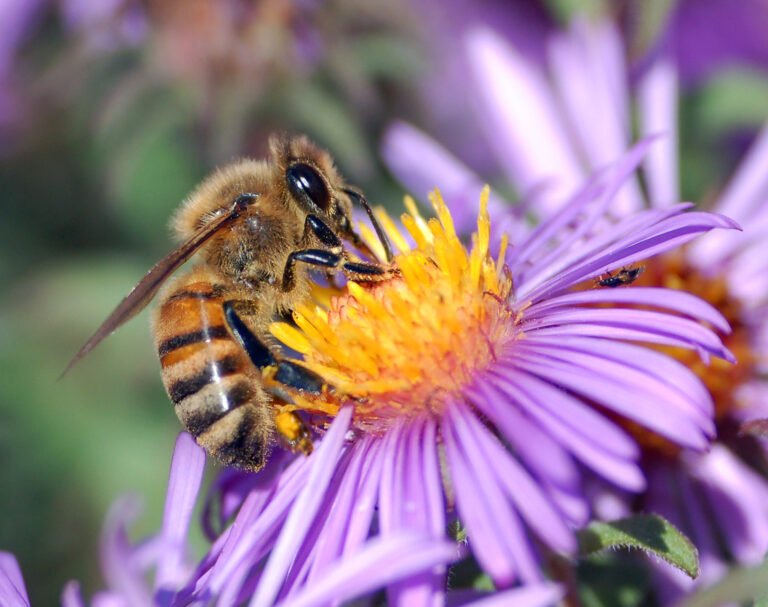
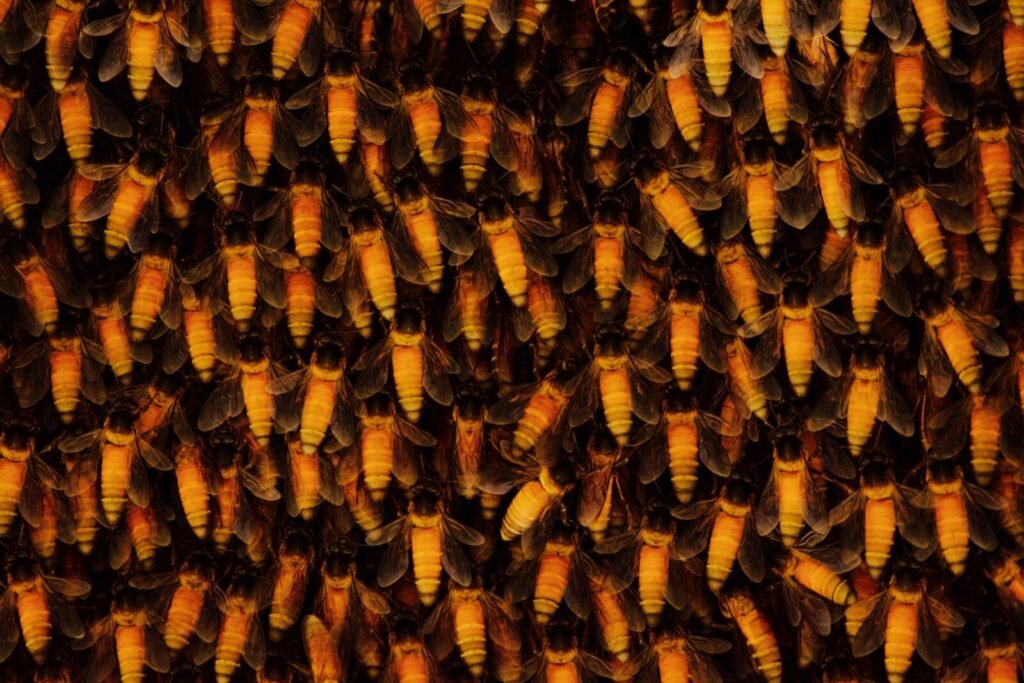
Western Ghats honey hunters primarily target Apis dorsata, which builds large, single-comb, exposed nests on tall trees and cliff faces throughout its South and Southeast Asian range – the same general undomesticated, wild-nesting biology described in our existing species profile. Climbing and harvesting technique shares the same basic underlying challenge documented in Himalayan and other cliff-and-tree honey-hunting traditions worldwide: reaching an exposed wild nest built specifically out of easy predator reach, using smoke to calm the defensive colony, and safely cutting and lowering comb sections – the same fundamental problem independently solved through broadly similar, though locally distinct, techniques across multiple unrelated honey-hunting cultures this site has now documented.
Deep Forest Ecological Knowledge
Successful, sustainable honey hunting in this tradition depends on genuine, sophisticated ecological knowledge: understanding seasonal bee activity and colony strength, recognizing which nests are ready for harvest without destroying the colony’s long-term viability, and navigating dense forest terrain safely to locate and reach nests in the first place. This body of traditional ecological knowledge is worth taking seriously on its own terms – not folklore or superstition, but a genuine, functional body of practical expertise built through sustained direct engagement with a specific forest ecosystem across many generations, the same kind of knowledge this site has emphasized as genuinely valuable in its coverage of other indigenous honey-hunting traditions.
Modern Cooperative Economics
Wild honey collected through Western Ghats tribal honey-hunting traditions is, in the Nilgiris specifically, channeled through a real, named institutional structure: Keystone Foundation, an NGO founded in 1993, has worked for over three decades to document and support indigenous forest livelihoods in the region. In April 2013, that work led to the formation of the Aadhimalai Pazhangudiyinar Producer Company – a cooperative owned and operated entirely by tribal producers, now working with more than 4,500 indigenous farmers, foragers, and honey hunters across the Nilgiri Biosphere Reserve. Honey sourced through this cooperative reaches consumers under the Last Forest brand, which sells more than a dozen distinct wild honey varieties. This kind of cooperative economic structure gives traditional honey hunting genuine modern economic relevance beyond pure subsistence use, similar in spirit to the cooperative and provenance-branded marketing arrangements already documented for Maya meliponiculture elsewhere in this series, even though the specific institutional structures and bee species involved are entirely different.
Conservation Pressure and Livelihood Risk
Habitat loss, deforestation pressure, and broader environmental change affecting the Western Ghats ecosystem pose genuine, documented risks to both wild Apis dorsata populations and the indigenous communities whose traditional livelihoods depend directly on those populations remaining healthy. This creates a real, direct link between forest conservation and indigenous economic and cultural survival – protecting Western Ghats forest habitat is not a separate environmental concern from protecting Kadar and Irula honey-hunting traditions, but two sides of the same underlying conservation challenge.
Ritual and Spiritual Elements
As with other indigenous honey-hunting traditions documented across this site, Western Ghats honey collection is generally understood to carry ritual and spiritual dimensions connected to forest deities and traditional beliefs specific to Kadar and Irula cultural practice, rather than being treated as a purely mechanical resource-extraction activity. It is honest to note that this article does not have detailed, specific ritual documentation to report with full confidence beyond this general pattern, consistent with the same honest limits on ritual-detail claims already applied to other indigenous honey-hunting traditions covered in this series, including Nepal’s Gurung communities.
Western Ghats Honey Hunting in the Wider World
This tradition takes its place alongside several other indigenous wild-honey-harvesting cultures this site has now documented – Nepal’s Gurung cliff hunters, Australia’s Aboriginal sugarbag tradition, and the prehistoric evidence at Cuevas de la Araña. What ties these otherwise unrelated traditions together is a shared underlying pattern: indigenous and traditional communities developing sophisticated, place-specific ecological knowledge to safely and sustainably harvest wild bee colonies, independently, across radically different bee species, terrains, and cultures – a recurring human response to the same basic opportunity wild honey represents wherever it is found.
Western Ghats vs. Himalayan Honey Hunting
| Aspect | Western Ghats (India) | Nepal Himalayas (Gurung) |
|---|---|---|
| Primary bee species | Apis dorsata | Apis laboriosa |
| Communities involved | Kadar, Irula, and other indigenous groups | Gurung, Kulung, and related communities |
| Terrain | Tropical/subtropical forest, moderate elevation | High-altitude Himalayan cliffs |
| Modern economic channel | Aadhimalai tribal cooperative (Nilgiris), Last Forest brand | Direct sale plus growing honey-hunting tourism |
Common Misconceptions
- “All South Asian cliff honey hunting is the same tradition.” Western Ghats honey hunting (primarily targeting Apis dorsata) and Himalayan Gurung honey hunting (primarily targeting Apis laboriosa) are genuinely distinct traditions with different communities, terrain, and bee species.
- “Kadar and Irula communities only practice honey hunting.” Honey collection is one significant component of broader traditional forest-based livelihoods that include various other activities, not the sole defining occupation of these communities.
- “This is a purely subsistence activity with no modern economic structure.” The Aadhimalai cooperative, working with over 4,500 tribal producers since 2013, gives this traditional practice real, documented modern economic relevance beyond pure subsistence use.
Frequently Asked Questions
Who are the Kadar and Irula peoples?
Indigenous forest communities of the Western Ghats region in southern India – the Kadar traditionally based in the Anamalai hills, the Irula across Tamil Nadu and parts of Kerala – both practicing forest-based livelihoods that include wild honey collection as one significant component, alongside deep generational ecological knowledge of their forest environment.
What bee species do Western Ghats honey hunters target?
Primarily Apis dorsata, the giant honey bee, which builds large exposed nests on tall trees and cliff faces throughout its South and Southeast Asian range.
How is honey from this tradition sold today?
In the Nilgiris, through the Aadhimalai Pazhangudiyinar Producer Company, a tribal-owned cooperative formed in April 2013 with support from Keystone Foundation (founded 1993), now working with more than 4,500 indigenous producers and selling honey under the Last Forest brand.
Is the Western Ghats region ecologically significant beyond its bee populations?
Yes – it was inscribed as a UNESCO World Heritage Site in 2012, as a serial listing of 39 protected component sites across six Indian states, recognized as one of the world’s significant biodiversity hotspots.
Is Western Ghats honey hunting the same as Nepal’s Gurung tradition?
No, they are distinct traditions – Western Ghats hunters primarily target Apis dorsata while Gurung hunters primarily target the Himalayan Apis laboriosa, and the two involve different communities, mountain ranges, and terrain.
Are Western Ghats honey-hunting communities facing real threats today?
Yes, habitat loss and environmental change affecting the Western Ghats ecosystem pose genuine risks to both wild bee populations and the indigenous livelihoods that depend directly on them remaining healthy.
Is meliponiculture, the stingless-bee tradition, also practiced in this region?
The Western Ghats honey-hunting tradition covered in this article centers specifically on the giant honey bee, Apis dorsata, rather than stingless bee species – readers interested in stingless bee traditions can find a genuinely distinct example in this site’s coverage of Maya meliponiculture, a separate tradition developed independently on a different continent with entirely different bee species.
Further Reading
- Painted Beehive Panels: Slovenia’s Unique Folk Art Tradition
- Anatolian Beekeeping: Turkey’s Ancient and Modern Tradition
- Beehive Fences: How Kenyan Farmers Use Bees to Stop Elephants
For more on this topic, see the Keystone Foundation, which documents and supports indigenous honey-hunting practices in the Western Ghats.