Last Updated September 15, 2026
Twice a year, in the foothills of central Nepal, men from Gurung communities climb hand-woven bamboo and rope ladders hundreds of feet up sheer cliff faces to harvest honey from the world’s largest honey bee, Apis laboriosa. It is one of the most physically dangerous forms of honey harvesting still practiced anywhere on earth, carried out with techniques passed down through generations rather than commercial equipment, and it produces something genuinely unusual: in certain seasons, a red-tinted “mad honey” containing a natural neurotoxin strong enough to cause real, documented poisoning in people who eat too much of it.
This article looks specifically at the human tradition behind that harvest – who the Gurung honey hunters are, how an expedition actually works, the ritual and spiritual practice surrounding it, and the real chemistry behind mad honey – as a complement to our existing species profile of the giant honey bee, which covers the biology of Apis dorsata and its close relative Apis laboriosa in more depth than this article will.
Key Takeaways
- Gurung communities in Nepal’s Lamjung and Kaski districts harvest wild honeycombs from sheer cliff faces twice a year using hand-woven bamboo-and-rope ladders – one of the most physically dangerous traditional food-harvesting practices still active today.
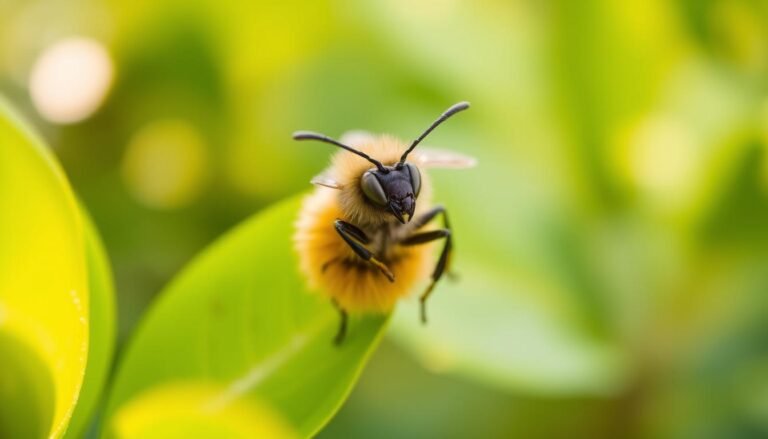
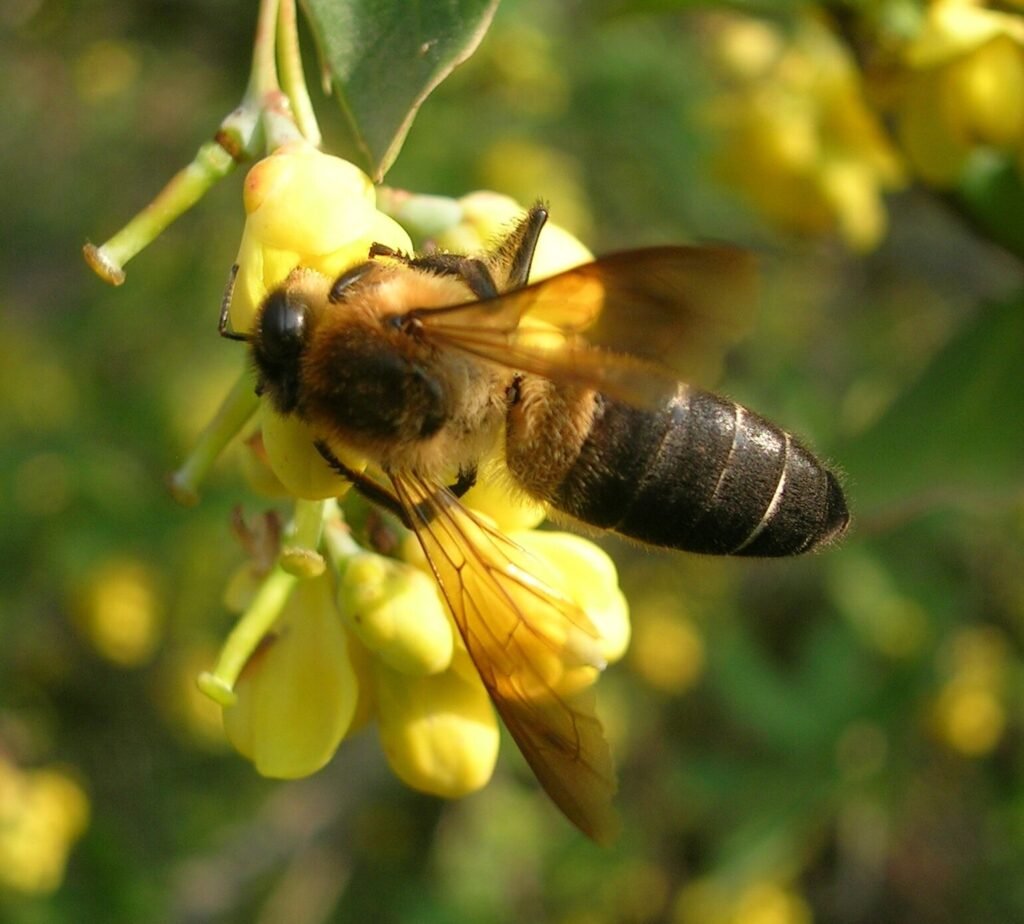
- The bee involved is Apis laboriosa, the Himalayan giant honey bee. According to the nonprofit Pollinator Partnership, individual bees can reach roughly 3 cm in length, colonies can exceed 100,000 bees, and nests sit between about 2,500 and 4,100 meters elevation.
- “Mad honey” is not myth: honey made from certain rhododendron nectar contains grayanotoxin, a compound that causes genuine, medically documented poisoning in humans, though only in specific seasonal batches.
- The tradition is genuinely declining. Surendra Raj Joshi, a researcher at the International Centre for Integrated Mountain Development (ICIMOD), links the drop in wild Apis laboriosa colonies to climate change and habitat loss.
- Growing honey-hunting tourism offers a modest economic offset, but it has not reversed the underlying colony decline.
Table of Contents
- Who Are the Gurung Honey Hunters?
- The Bee: Apis laboriosa, Not Apis dorsata
- The Expedition: Ladders, Smoke, and Bamboo Poles
- Ritual and Spiritual Practice
- Mad Honey and Grayanotoxin: The Real Chemistry
- The Real Dangers of the Hunt
- The Modern Decline of the Tradition
- Honey Hunting Tourism
- Where This Fits in the Wider World of Honey Bees
- Honey Hunting vs. Conventional Beekeeping
- Common Misconceptions
- FAQ
Who Are the Gurung Honey Hunters?
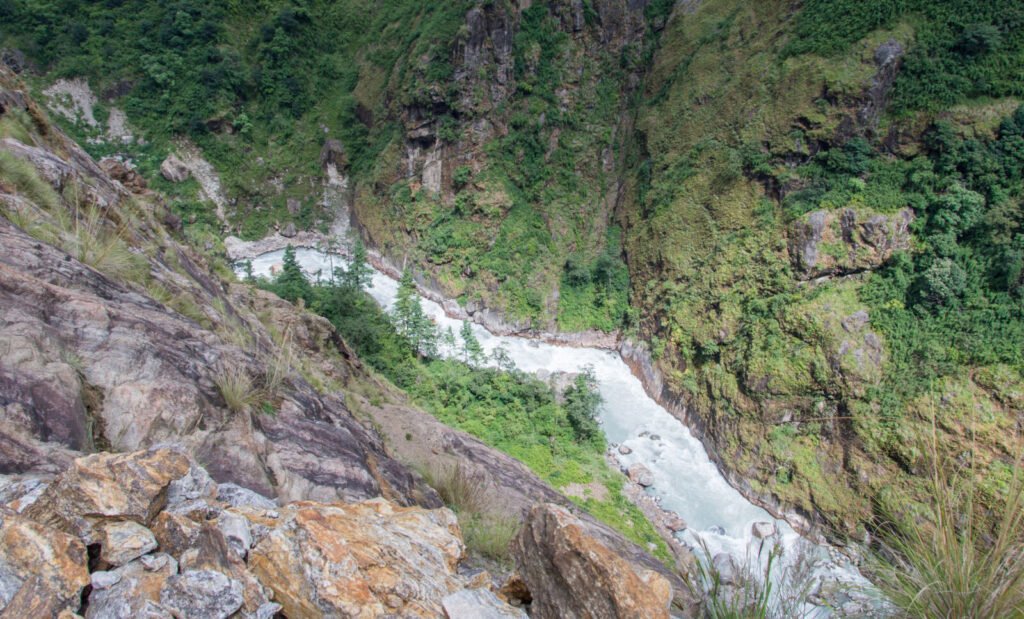
The Gurung are an ethnic community concentrated in the hill and mountain districts of central Nepal, including Lamjung and Kaski, where the practice of cliff honey hunting has been documented for generations as part of a broader regional tradition also carried on by related ethnic groups, including Kulung and Rai communities further east. Honey hunting is typically organized around a small group led by an experienced senior hunter, with roles divided between the person who climbs the rope ladder to reach the nest and those on the ground managing the fire, smoke, and collection baskets. It is not a solo undertaking, and the coordination between climber and ground crew is itself part of the accumulated, generationally transmitted skill involved.
“I consume a spoonful of honey daily. It helps sustain me through the challenges of remote village life.”
The Bee: Apis laboriosa, Not Apis dorsata
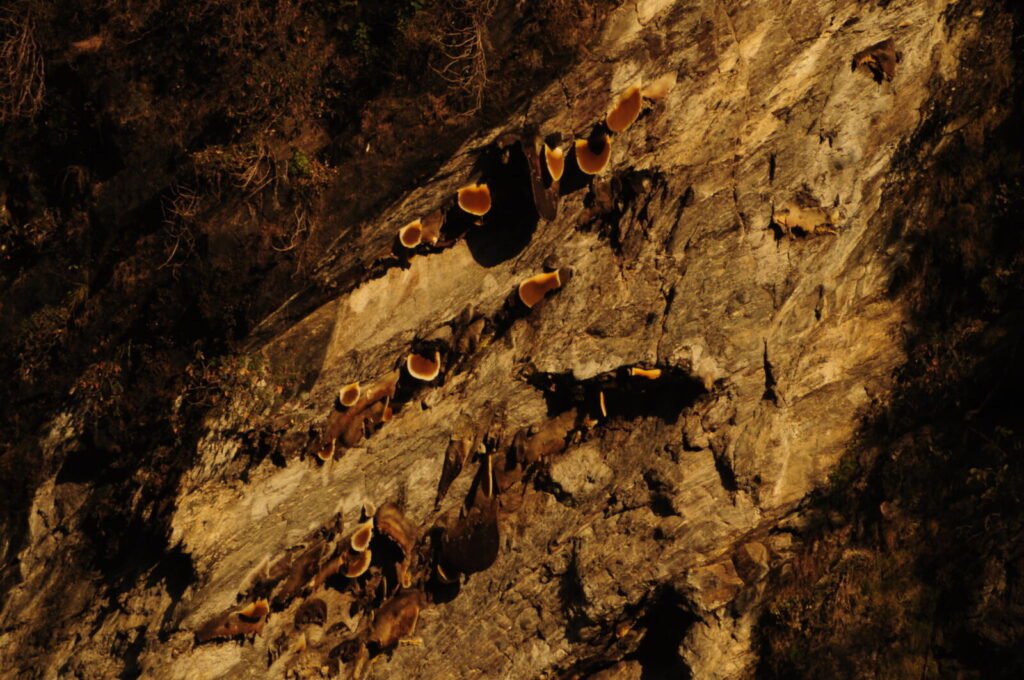
It is worth being precise here, since the two species are frequently confused. Gurung honey hunters primarily target Apis laboriosa, the Himalayan giant honey bee, a distinct species from the more widely distributed Apis dorsata covered in our giant honey bee species profile, though the two share the same general undomesticated, single-comb, cliff-and-tree-nesting lifestyle. Apis laboriosa is adapted specifically to high-altitude Himalayan conditions, nesting on sheer rock faces at elevations that put its colonies largely out of reach of most natural predators – which is precisely why human honey hunters developed rope-and-ladder techniques in the first place, rather than simpler ground-level harvesting methods used elsewhere in the world.
The Expedition: Ladders, Smoke, and Bamboo Poles
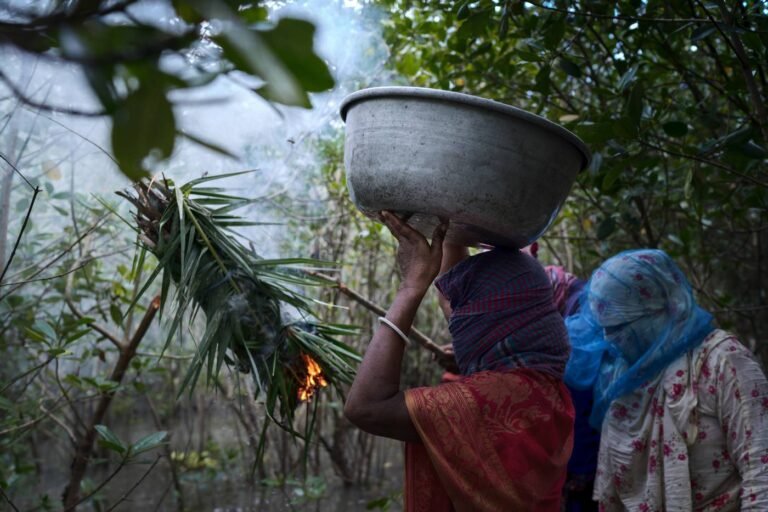
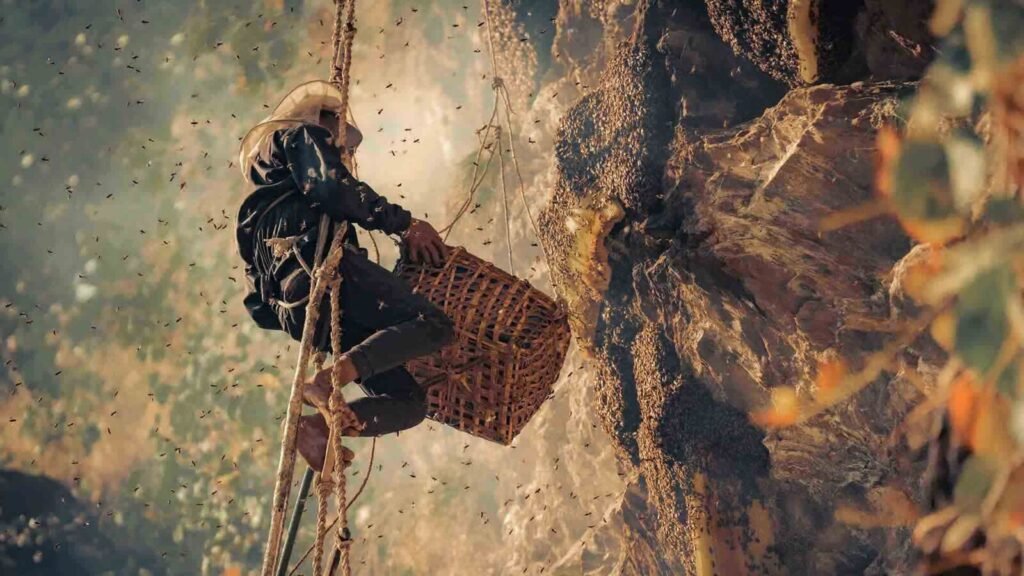
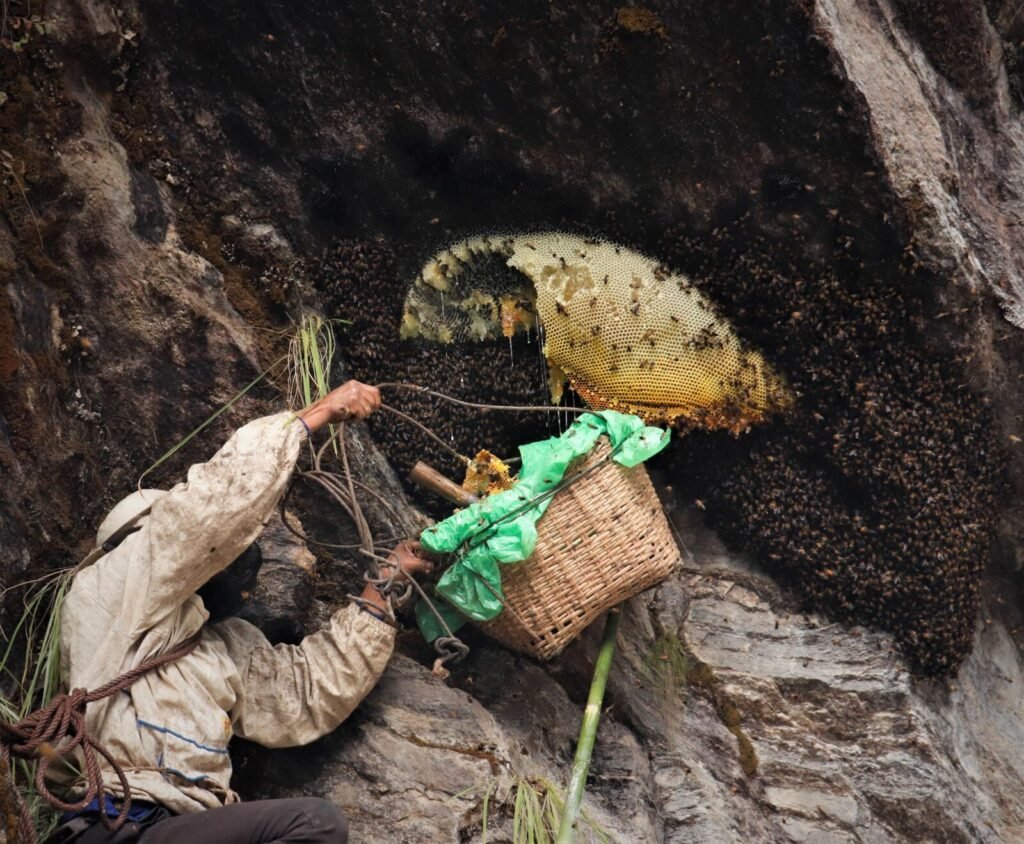
A honey hunting expedition typically begins with scouting a cliff face for active combs, often located on overhangs that offer the colony natural protection from rain and most predators. The climbing ladder itself is traditionally hand-woven from bamboo and rope, anchored at the top of the cliff and unrolled down the rock face, with the climber ascending while colleagues below build a smoky fire to help calm the colony – the same basic principle behind the modern bee smoker covered in our history of the smoker, though the field conditions here are considerably more extreme than anything a backyard beekeeper faces. Once in position, the climber uses a long bamboo pole, often fitted with a blade or hook, to cut sections of comb free, lowering them to the ground crew in baskets while the group manages a colony capable of mounting a serious collective defense.
Ritual and Spiritual Practice
Honey hunting expeditions are traditionally preceded by ritual observance rather than treated as a purely technical harvesting operation. Documented accounts describe offerings and prayers made before a climb, intended to secure a safe hunt and a good yield, along with specific customs around which days or lunar phases are considered appropriate for hunting. As with comparable ritual practices in other beekeeping traditions – including the religious dimension of Maya meliponiculture covered elsewhere in this series – it is honest to note that the full scope and regional variation of these rituals is not exhaustively documented in available English-language sources, and specific practices vary between communities and even between individual hunting groups, so this article describes a general, well-attested pattern rather than a single fixed ritual script.
Mad Honey and Grayanotoxin: The Real Chemistry
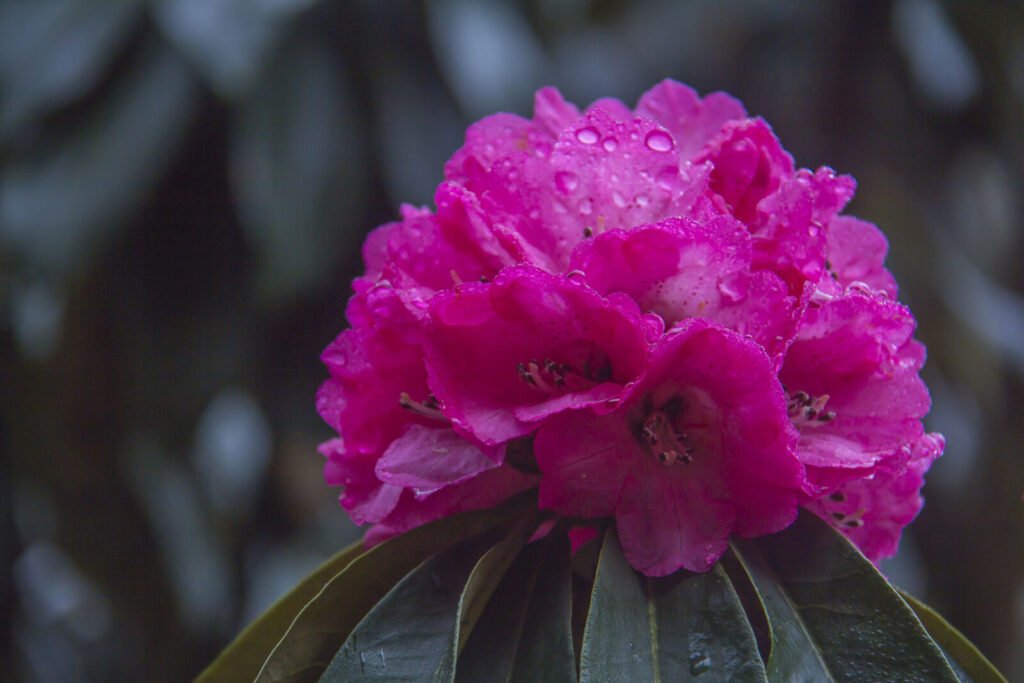
“Mad honey” refers to honey produced when bees forage heavily on certain rhododendron species whose nectar contains grayanotoxins, naturally occurring compounds that remain biologically active in the resulting honey. In sufficient quantity, grayanotoxin causes genuine, medically documented poisoning in humans – symptoms can include dizziness, low blood pressure, an irregular heartbeat, and in more severe cases loss of consciousness – which is why mad honey has a real, if usually non-fatal, toxicology profile rather than being purely a folk legend. It is also seasonal and regional rather than a constant property of all honey these bees produce: grayanotoxin concentration depends heavily on which rhododendron species are in bloom and being foraged at a given time, which is part of why traditional honey hunters distinguish between honey harvested in different seasons, treating some batches as ordinary honey and others as the more potent, traditionally medicinal or recreational “mad honey” specifically sought by some buyers.
The Real Dangers of the Hunt
Cliff honey hunting carries genuine physical risk that should not be understated. Falls from height are a documented cause of serious injury and death among honey hunters, and mass stinging from a defensive colony of large, aggressive Apis laboriosa bees is a real hazard even for experienced climbers wearing minimal protective gear by Western beekeeping standards. Precise, reliable fatality statistics are difficult to state with confidence, since honey hunting deaths are not consistently tracked in a centralized public dataset, so this article deliberately avoids citing a specific casualty figure that cannot be verified – what is well documented, including in field research and photojournalism covering the practice, is that both falls and stings are recognized, recurring risks inherent to the activity, not a hypothetical concern.
The Modern Decline of the Tradition
Gurung honey hunting is a genuinely declining practice. Colony numbers on traditionally hunted cliffs have reportedly dropped in various documented locations, attributed to a combination of habitat and climate pressures affecting Apis laboriosa populations, while younger generations increasingly move toward other livelihoods, including migration to cities or abroad for work, rather than continuing the physically demanding, low and unpredictable-yield tradition. This mirrors the same generational knowledge-transfer pressure described in our meliponiculture article – a pattern worth noting because it recurs across multiple traditional beekeeping practices covered in this series, suggesting a broader, shared challenge facing indigenous and traditional honey-harvesting knowledge globally rather than an isolated case.
“Climate change and habitat loss are among the primary factors contributing to the decline in the population of Apis laboriosa.”
The scale of the decline shows up in reported yields: some Nepali honey-hunting communities that once collected more than 1,000 litres of honey in a season now report closer to 250 litres, according to the same reporting.
Honey Hunting Tourism
Documented honey hunting expeditions have increasingly become a subject of adventure tourism and documentary filmmaking, with some communities organizing viewing treks or guided access for visitors interested in witnessing the harvest. This has created a real, if modest, additional economic incentive to keep the tradition active, alongside continued demand for mad honey itself in regional and, increasingly, international markets willing to pay a premium for its rarity and reputed effects. Whether tourism revenue can meaningfully offset the broader decline driven by colony loss and generational change is not something this article can responsibly claim to know with confidence – it is one documented countervailing pressure, not a guaranteed solution.
Where This Fits in the Wider World of Honey Bees
Gurung honey hunting is one of several genuinely distinct traditional beekeeping and honey-harvesting practices this site now covers as part of its broader look at global beekeeping traditions – alongside Maya meliponiculture, which manages an entirely different, stingless bee lineage using log hives rather than wild-nest harvesting. Readers curious about the wider diversity of honey bee species involved in traditions like this one may also find our comparison of Apis cerana and Apis mellifera useful background, since Apis cerana, the Asian honey bee, is also native to much of the same broader region as Apis laboriosa and is separately managed in more conventional hive-based Himalayan and South Asian beekeeping, distinct from the wild-nest cliff hunting this article covers. Together, these traditions make clear that “beekeeping” globally spans everything from fully wild, opportunistic harvesting like the Gurung tradition to fully managed, hive-based systems – with a great deal of meaningful variation in between.
Honey Hunting vs. Conventional Beekeeping
| Aspect | Gurung Cliff Honey Hunting | Conventional Apiculture |
|---|---|---|
| Bee species | Apis laboriosa, entirely wild/undomesticated | Apis mellifera, managed colonies |
| Nest location | Wild cliff-face combs, single exposed comb per colony | Managed hive boxes with multiple frames |
| Colony ownership | None – wild colonies harvested opportunistically | Beekeeper owns and manages the colony year-round |
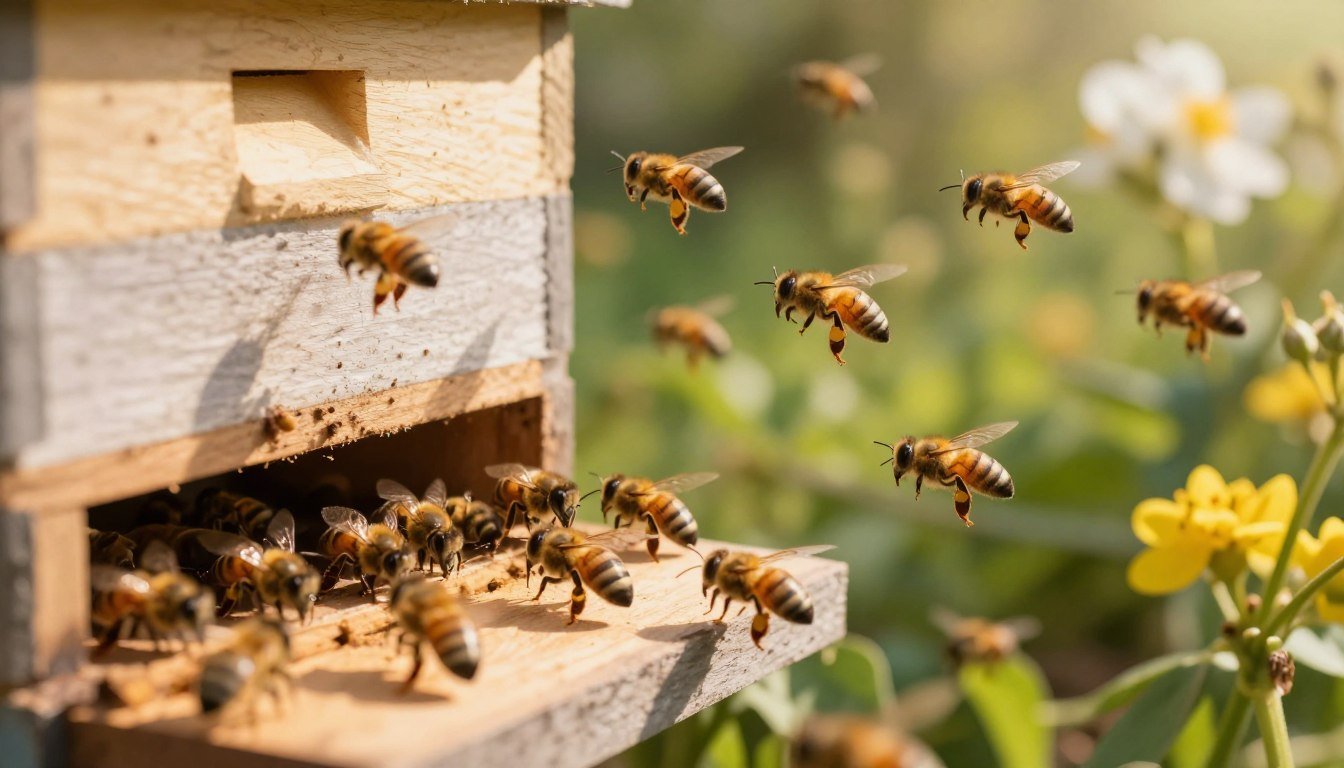
| Harvest frequency | Typically twice yearly, tied to seasonal bloom | Multiple harvests possible depending on region/flow |
| Primary risk | Falls from significant height, mass stinging | Stinging, manageable with standard protective gear |
Common Misconceptions
- “All honey from these hunts is ‘mad honey.'” Grayanotoxin content depends on seasonal rhododendron bloom and foraging patterns – much of the honey harvested is ordinary honey, not the more potent variety.
- “Gurung honey hunters keep or domesticate the bees they harvest from.” The colonies are entirely wild. Nothing about the practice resembles managed apiculture – hunters locate, harvest from, and leave wild nests rather than maintaining ongoing colonies.
- “Apis dorsata and Apis laboriosa are the same species.” They are closely related and share a similar undomesticated, cliff-and-tree-nesting lifestyle, but they are genuinely distinct species with different typical ranges and altitude adaptations.
Frequently Asked Questions
What bee species do Gurung honey hunters harvest from?
Primarily Apis laboriosa, the Himalayan giant honey bee, a species distinct from but closely related to Apis dorsata, adapted specifically to high-altitude cliff nesting in the Himalayan region.
Is mad honey actually dangerous?
It can cause genuine, medically documented poisoning from grayanotoxin in sufficient quantity, with symptoms including dizziness, low blood pressure, and irregular heartbeat. It is not a myth, though severity depends heavily on the dose consumed and the honey’s specific grayanotoxin concentration, which varies seasonally.
How dangerous is cliff honey hunting itself?
Genuinely dangerous. Falls from significant height and mass stinging from defensive colonies are both real, recurring, well-documented risks, though reliable centralized fatality statistics are not consistently available.
Is Gurung honey hunting still practiced today?
Yes, though the tradition is documented as declining in various locations due to reduced wild colony numbers and younger generations moving toward other livelihoods, partially offset by growing tourism and mad honey market interest.
Do Gurung honey hunters wear protective gear?
Not the way Western beekeepers typically do. Protective equipment used varies by expedition and community, and traditional practice generally relies on smoke, timing, and coordinated technique rather than the full veil-suit-and-glove setup standard in managed apiculture, which is part of why the stinging risk during a hunt is treated as a genuine, expected hazard rather than something fully mitigated by gear.
Why do honey hunters climb rather than use ground-based methods?
Because Apis laboriosa nests specifically on high, sheer cliff overhangs largely inaccessible from the ground, an adaptation that keeps colonies safer from most natural predators. Reaching those nests requires climbing by rope ladder, which is precisely why Himalayan honey hunting developed such a distinct, high-risk technique compared to ground-level or tree-based wild honey harvesting practiced elsewhere in the world.
Can anyone buy mad honey?
It is sold in some regional and international specialty markets, generally at a premium price, though buyers should be aware of its genuine, documented grayanotoxin content and the real risk of overconsumption rather than treating it as a novelty with no actual physiological effect.
For more on this topic, see a documented feature on Nepal's cliff honey-hunting tradition.
Image credits: Photo: Sergey Ashmarin, Wikimedia Commons, CC BY-SA 3.0; Photo: L. Shyamal, Wikimedia Commons, CC BY-SA 3.0; Photo: Kandelrashmi, Wikimedia Commons, CC BY-SA 4.0; Photo: Saroj Pandey, Wikimedia Commons, CC BY-SA 3.0; Photo: Sudan Shrestha, Wikimedia Commons, CC BY-SA 3.0; Photo: Aerackkkkk, Wikimedia Commons, CC BY-SA 4.0.