Last Updated September 15, 2026
In rural England, Germany, Wales, and later New England, families kept a custom that sounds almost like superstition today but was, for centuries, treated as a genuine household obligation: when someone in the family died, a member of the household walked out to the hives and told the bees. The custom – “telling the bees” – held that if the colony wasn’t informed of a death, and properly included in the household’s mourning, the bees might sicken, stop producing honey, or abandon the hive entirely. It is one of the best-documented pieces of English-language beekeeping folklore, referenced directly in 19th-century literature, and it reveals something genuinely interesting about how earlier beekeeping households understood their relationship to their colonies.
This article covers what telling the bees actually involved, where and when it was practiced, its most famous literary reference, and what the custom reveals about the historical relationship between beekeepers and their bees – going considerably deeper than the brief, unspecific “folklore and superstitions” mention in our existing overview of medieval beekeeping.
Key Takeaways
- “Telling the bees” was a real household custom in England, Wales, Germany, and later New England: when a family member died, someone went to the hives, knocked, and told the bees – often draping the hive in black mourning cloth.
- The belief held that an uninformed colony might sicken, stop making honey, or abandon the hive – folklorists read this as evidence that pre-modern households saw bees as quasi-members of the family, not mere livestock.
- The custom’s best-known record is John Greenleaf Whittier’s 1858 poem “Telling the Bees,” published in the Atlantic Monthly.
- The tradition never fully vanished: in 2022, royal beekeeper John Chapple formally told Buckingham Palace’s hives of Queen Elizabeth II’s death, tying black ribbon to each one – a rare, well-documented modern instance of the exact same custom.
- There is no credible biological mechanism behind the belief; its real value is what it reveals about historical attitudes toward bees, not an accurate claim about bee behavior.
Table of Contents
- What Was “Telling the Bees”?
- How the Ritual Was Actually Performed
- Where and When It Was Practiced
- Whittier’s 1858 Poem
- Beyond Death: Births, Weddings, and Departures
- Why This Custom Existed
- The Custom’s Decline
- Telling the Bees in the Wider World of Bee Folklore
- Telling the Bees vs. Other Bee Folk Customs
- Common Misconceptions
- FAQ
What Was “Telling the Bees”?
Telling the bees was a folk custom in which a household member formally informed the family’s beehives of a death, typically the death of the household head or a close family member, out of a belief that the bees needed to be included in the family’s news and mourning. The underlying belief varied somewhat by region, but the common thread was consistent: bees were treated less like livestock and more like quasi-members of the household, with their own awareness of family events and their own emotional stake in being respected and informed.
How the Ritual Was Actually Performed
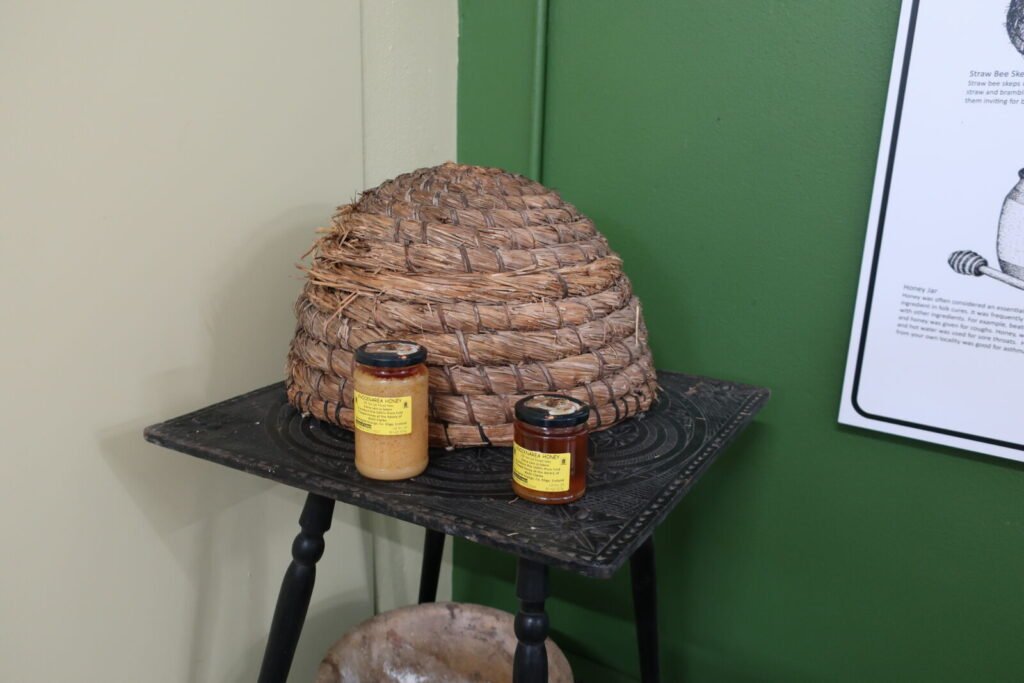
Documented versions of the custom typically involved someone – often the widow or a designated family member – going out to each hive, knocking gently, and speaking the news aloud, sometimes with a specific formula such as telling the bees “the master is dead, but don’t you go; your mistress will be a good mistress to you.” Other documented variations included draping a small piece of black mourning cloth or crepe over the hive, turning the hive slightly to mark the household’s changed circumstances, and in some accounts, leaving a portion of funeral food – cake or wine – near the hive as a further gesture of inclusion. Which specific version was practiced varied by region and family, and this article does not claim a single universal script existed everywhere the custom appeared.
Where and When It Was Practiced
Telling the bees is most thoroughly documented in England, particularly in rural counties, and closely related versions of the custom are also documented in Wales, Germany, and other parts of continental Europe, later carried to New England by English and European settlers where it continued to be practiced into the 19th century. It is worth being precise about the historical record here: 19th-century folklore collectors treated the custom as a real, actively observed practice at the time they documented it, not a purely antiquarian curiosity even then, though by the time of much of that documentation the custom was already understood to be declining rather than universal.
Whittier’s 1858 Poem
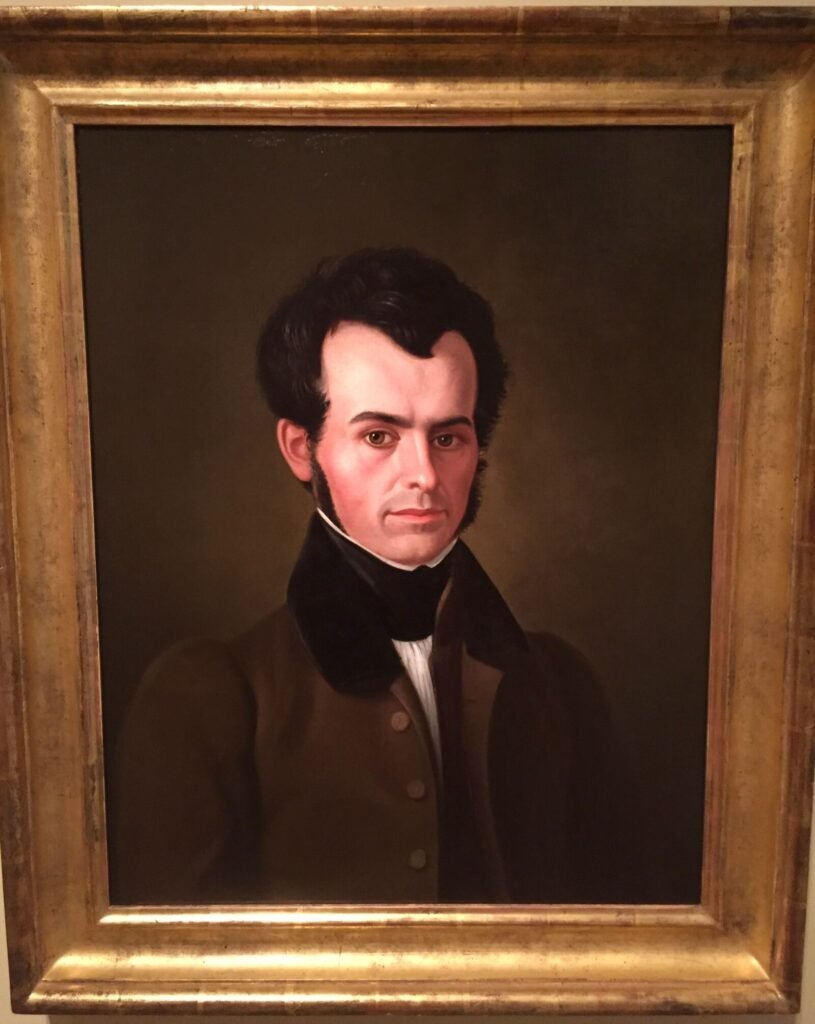
The custom’s best-known literary reference is American poet John Greenleaf Whittier’s 1858 poem “Telling the Bees,” which describes a man returning home to learn of his beloved’s death specifically through the ritual of the household’s bees being told, the hives already draped in mourning cloth by the time he arrives. The poem is frequently cited as evidence of how familiar and evocative the custom was to a 19th-century American audience – Whittier could reference it as an understood, resonant cultural touchstone rather than needing to explain an obscure practice to his readers, which is itself a meaningful piece of evidence for how widespread the custom’s cultural recognition was at the time, independent of how many households still actively practiced it.
“Before them, under the garden wall, / Forward and back, / Went drearily singing the chore-girl small, / Draping each hive with a shred of black. / … / ‘Stay at home, pretty bees, fly not hence! / Mistress Mary is dead and gone!’”
Beyond Death: Births, Weddings, and Departures
While death is the most documented occasion for telling the bees, some regional accounts extend the custom to other major household events, including births, weddings, and even a family member’s extended departure from home, reflecting the same underlying idea that the bees were entitled to be kept informed of significant household news generally, not solely mourning-related news. This broader version of the custom is less consistently documented across sources than the death-focused ritual, and this article treats the death-telling version as the best-attested core of the practice while noting the broader variant honestly rather than asserting it was equally universal.
Why This Custom Existed
Folklorists generally interpret telling the bees as reflecting a genuine historical view of bees as quasi-sentient, socially organized members of the household rather than mere livestock – bees were understood to have their own internal social order, long described in terms of a monarchy, which made them a natural subject for inclusion in family ritual in a way other kept animals typically were not. This view connects to a broader pattern of bees occupying an unusually significant symbolic and social position in pre-modern European culture – a pattern documented much more fully in our wider look at bee symbolism across cultures, spanning Greek priestesses, papal heraldry, and imperial French iconography – worth noting as consistent with the kind of respectful, almost co-equal household role bees held across multiple documented folk traditions rather than being an isolated eccentricity specific to this one custom.
The Custom’s Decline
Telling the bees declined significantly through the 19th and into the 20th century, alongside broader changes in beekeeping practice, rural social structure, and the general secularization and modernization of household folk custom in England, Europe, and America. Scattered, mostly anecdotal accounts describe isolated individual households continuing some version of the practice well into the 20th century, but by the time it was being actively documented by folklorists, it was already understood as a fading rather than a thriving tradition – part of why written 19th-century sources like Whittier’s poem are so valuable as documentation of the custom while it was still culturally legible.
The custom has not entirely disappeared, though. When Queen Elizabeth II died in September 2022, royal beekeeper John Chapple traveled to the hives at Buckingham Palace and Clarence House to perform the ritual himself.
“You knock on each hive and say, ‘The mistress is dead, but don’t you go. Your master will be a good master to you.'”
Chapple also tied black ribbon around each hive – a direct continuation of the same mourning-cloth practice documented above, carried out on the grounds of a royal residence roughly 165 years after Whittier’s poem was published.
Telling the Bees in the Wider World of Bee Folklore
Telling the bees is one example of a much broader, worldwide pattern in which bees hold an unusually elevated symbolic and social position across very different cultures, a pattern this site has begun documenting more fully in its look at global beekeeping traditions. The religious and ceremonial dimension of Maya meliponiculture, tied to the bee deity Ah-Muzen-Cab, and the ritual observance preceding Gurung honey-hunting expeditions in Nepal both reflect a similar underlying pattern to telling the bees, even though the three customs developed entirely independently on different continents with no shared origin: bees, across a remarkable range of unrelated cultures, have repeatedly been treated as more than simple livestock, worthy of ritual respect, inclusion, or reverence beyond their purely economic value as honey producers.
Telling the Bees vs. Other Bee Folk Customs
| Aspect | Telling the Bees | Ah-Muzen-Cab Beliefs (Maya) |
|---|---|---|
| Core belief | Bees as quasi-family members entitled to household news | Bees as sacred, connected to a specific deity |
| Primary occasion | Death, sometimes births/weddings/departures | General religious/ceremonial practice, harvest ritual |
| Geographic core | England, Wales, Germany, later New England | Yucatan Peninsula, Maya communities |
| Best documentation | 19th-century folklore collections, Whittier’s poem | Madrid Codex and other surviving Maya texts |
Common Misconceptions
- “Telling the bees is a purely modern, invented tradition.” It is well documented in 19th-century folklore collections and literature, including Whittier’s 1858 poem, as a real, actively observed custom of the period, not a modern romanticized invention.
- “The custom was only ever about death.” Death is the best-documented occasion, but some regional accounts extend the custom to births, weddings, and departures, reflecting a broader belief that bees deserved to be kept informed of major household news generally.
- “This was a single, standardized ritual everywhere it appeared.” Documented versions varied by region and family – some involved spoken formulas, others mourning cloth, hive-turning, or offerings of funeral food – without one single universal script.
Frequently Asked Questions
What is “telling the bees”?
A folk custom, primarily documented in England, Wales, Germany, and later New England, in which a household member formally informed the family’s beehives of a death, out of belief that failing to do so could cause the bees to sicken, stop producing honey, or leave the hive.
Who typically performed the ritual?
Documented accounts often describe the widow, another close family member, or occasionally a household servant as the one who went to tell the bees, though the specific person varied by family and circumstance rather than following one fixed rule everywhere the custom was practiced.
How was the bees actually “told”?
Documented methods varied by region, including speaking the news aloud at the hive, sometimes with a specific formula, draping the hive in black mourning cloth, turning the hive, or leaving funeral food such as cake or wine nearby.
Are there other literary or artistic references to telling the bees besides Whittier?
Whittier’s poem is the most frequently cited literary reference, but the custom appears more broadly across 19th-century English and American regional writing and folklore collections documenting rural customs, reflecting how familiar and geographically widespread the practice was understood to be at the time, rather than being a single isolated literary invention specific to one poet.
Did failing to tell the bees actually cause colonies to fail?
There is no credible biological mechanism by which a colony would be affected by whether a human household informed it of a death, and this article treats the custom as a genuine historical folk belief rather than an assertion of any real causal effect. Any documented cases of a colony declining or absconding around the time of a household death almost certainly reflect coincidence or unrelated colony stressors rather than the custom’s underlying belief being biologically accurate – the value of studying the custom is what it reveals about historical human belief and household culture, not a claim about actual bee behavior.
Was telling the bees only practiced after a death?
Death is the best-documented occasion, though some regional accounts describe the custom extending to births, weddings, and a family member’s extended departure, reflecting a broader belief that bees deserved to be kept informed of significant household news.
Is telling the bees still practiced today?
The custom declined significantly through the 19th and 20th centuries and is not a widespread living tradition, but it has not vanished entirely – Buckingham Palace’s royal beekeeper formally told the palace hives of Queen Elizabeth II’s death in 2022, one of the best-documented modern instances of the same ritual described above.
For more on this topic, see a Smithsonian Magazine feature on the folk custom.
Image credits: Photo: Michael Reeve, Wikimedia Commons, CC BY-SA 3.0; Photo: Gaius Cornelius, Wikimedia Commons, CC BY-SA 4.0.