Long before the wooden box hive most beekeepers picture today, honey across much of Eastern Europe came from cavities carved directly into living trees, tended by climbers who scaled the trunk on ropes and spurs. In Poland this tradition is called bartnictwo, and it’s old enough that written records of it stretch back to the 13th century — old enough that on December 17, 2020, UNESCO inscribed it, jointly with Belarus, on the Representative List of the Intangible Cultural Heritage of Humanity as “Tree beekeeping culture.”
Key Takeaways
- Bartnictwo is Poland’s traditional practice of keeping bees in cavities carved into living forest trees, with written records dating to the 13th century.
- UNESCO’s Intergovernmental Committee inscribed “Tree beekeeping culture,” a joint Poland-Belarus nomination, on the Representative List of the Intangible Cultural Heritage of Humanity on December 17, 2020.
- Bartnictwo was the dominant beekeeping method across the former Polish–Lithuanian Commonwealth until the 19th century, when box and frame hives gradually displaced it.
- Poland’s Kurpie region remains a living-history center for the practice, with active bartnik (tree-beekeeper) traditions and museum collections of historic log hives.
- This is a separate UNESCO inscription from Russia’s Bashkir tree-beekeeping tradition, which was recognized in the same year but is a distinct nomination covering a different country and bee population.
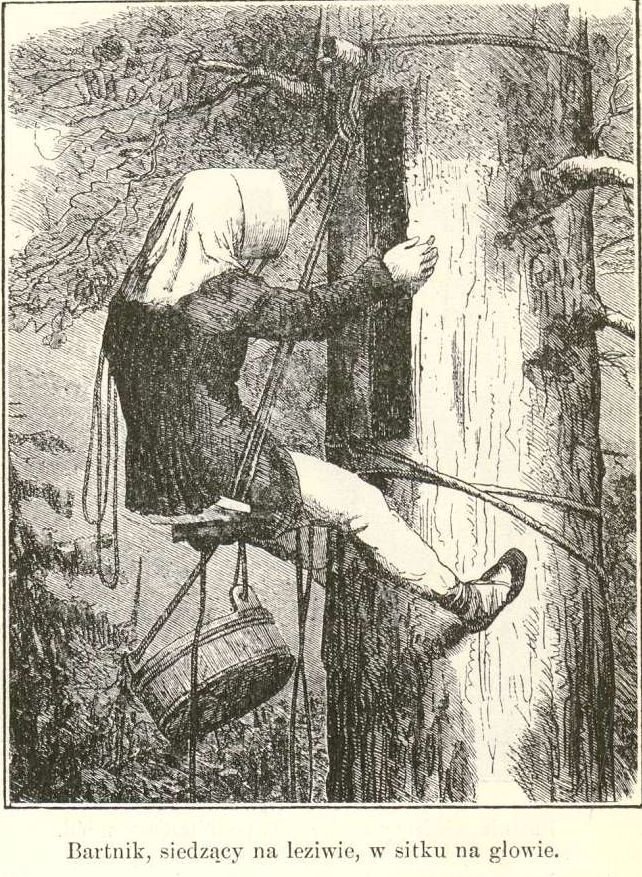
What Bartnictwo Actually Is
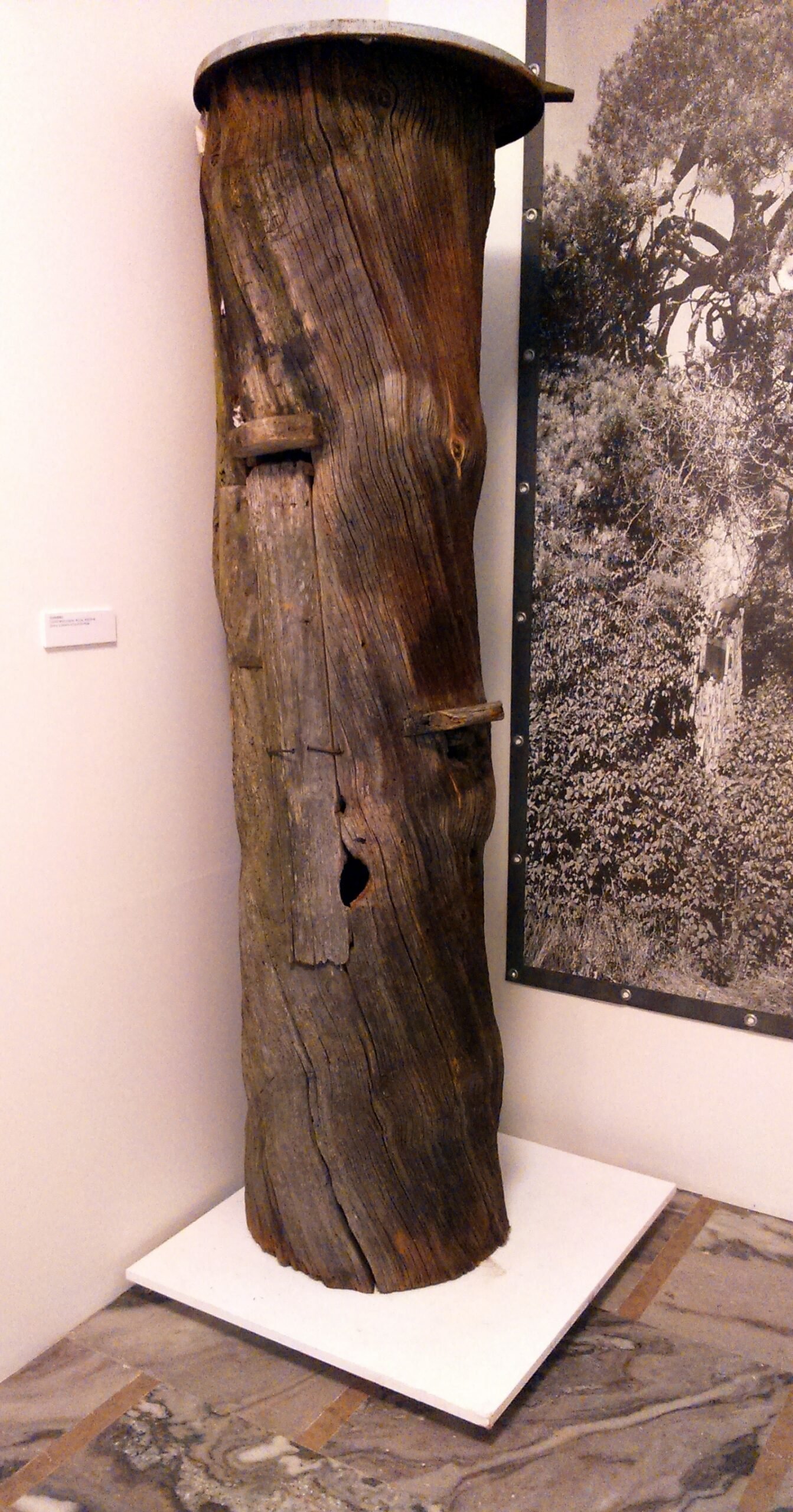
Bartnictwo refers to the practice of creating and tending “barcie” — cavities either carved directly into a living tree’s trunk high above the ground, or made from a hollowed section of log and mounted in a tree or forest clearing. A bartnik, the traditional Polish term for a tree-beekeeper, climbed to the cavity using a rope harness and metal climbing spikes, working the colony and harvesting honey and wax without felling the tree or removing the hive to ground level. The practice depended on genuinely deep forest knowledge — recognizing which tree species and cavity orientations bees preferred, protecting bort trees from bears and human thieves, and managing colonies that were, in a real sense, still wild animals living in a human-maintained home rather than domesticated stock in the modern sense.
A Tradition Documented Since the 13th Century
Written references to bartnictwo appear in Polish records dating back to the 13th century, making it one of the longest continuously documented beekeeping traditions in Europe. For centuries afterward, it was not a marginal or folk curiosity but the dominant form of beekeeping across the former Polish–Lithuanian Commonwealth — the honey and wax bartnicy produced were significant enough commodities that dedicated bartnik law codes existed to regulate tree ownership, honey rights, and disputes between different forest beekeepers working the same woodland. That legal infrastructure is itself a sign of how economically important the practice once was, comparable to the role guild law played in other medieval trades. Tree and log-cavity beekeeping wasn’t unique to Poland’s forests, either — this site’s coverage of Appalachian “bee gums,” hollow-log hives used by early American settlers, shows a strikingly similar solution arrived at independently on another continent, using the same basic insight that a hollowed log makes a serviceable, low-cost hive. Bartnictwo’s decline through the 19th century tracked the broader European shift toward the moveable-frame hive, which let beekeepers inspect, manage, and harvest colonies at ground level without the specialized climbing skill and physical risk tree beekeeping demanded.
The 2020 UNESCO Inscription
On December 17, 2020, during the 15th session of the Intergovernmental Committee for the Safeguarding of the Intangible Cultural Heritage, UNESCO formally inscribed “Tree beekeeping culture” — a joint nomination submitted by Poland and Belarus — on the Representative List of the Intangible Cultural Heritage of Humanity. The inscription recognizes not just the physical technique of carving and tending tree cavities, but the fuller cultural picture around it: the knowledge passed down within bartnik families, the specific climbing and woodworking skills involved, and the culinary and medicinal traditions built around the honey and wax the practice produces. It became, according to reporting at the time, the second Polish tradition ever recognized on the list. UNESCO’s own listing for the inscription, “Tree beekeeping culture,” is publicly viewable on the Intangible Cultural Heritage website.
Worth being precise about here: this is a distinct UNESCO inscription from Russia’s Bashkir tree-beekeeping tradition, which this site has covered separately. Both were recognized by UNESCO around the same period and both involve the same broad family of tree-cavity beekeeping techniques found across the historic forests of Eastern Europe, but they cover different countries, different specific nominations, and — in the Bashkir case — a genetically distinct wild bee population native to the southern Ural forests rather than the Central European bee populations bartnictwo traditionally worked with.
Kurpie: Where the Tradition Still Lives
Poland’s Kurpie region, a historically forested area northeast of Warsaw, is the country’s clearest living-history center for bartnictwo today. Log hives of the kind still displayed in Polish ethnographic museums came out of this region’s specific building tradition, and Kurpie remains where reenactors, cultural heritage groups, and a small number of practicing bartnicy keep the skill set alive through demonstrations, festivals, and hands-on instruction rather than letting it survive only as a museum exhibit. That distinction matters for how UNESCO’s Intangible Cultural Heritage designation actually works — the list exists specifically to recognize traditions that communities are actively practicing and transmitting, not simply preserving as static historical record.
Frequently Asked Questions
What does “bartnictwo” mean?
Bartnictwo is the Polish term for traditional tree beekeeping — the practice of keeping bees in cavities carved into living trees or in hollowed log hives, tended by a climbing tree-beekeeper known as a bartnik.
When was bartnictwo recognized by UNESCO?
UNESCO’s Intergovernmental Committee inscribed “Tree beekeeping culture,” a joint Poland-Belarus nomination, on the Representative List of the Intangible Cultural Heritage of Humanity on December 17, 2020.
Is bartnictwo still practiced today?
Yes, though on a small scale compared to its historical peak. Poland’s Kurpie region is the main living-history center, where reenactors and a small number of practicing bartnicy keep the tradition active through demonstrations and hands-on instruction.
Is bartnictwo the same as Russia’s bortnichestvo tradition?
They’re related but distinct traditions. Both involve tree-cavity beekeeping, but bartnictwo is specifically Poland and Belarus’s joint UNESCO-recognized tradition, while bortnichestvo refers to Russia’s separate, also UNESCO-recognized Bashkir tree-beekeeping practice with its own distinct wild bee population.
Why did bartnictwo decline?
The rise of the moveable-frame hive in the 19th century let beekeepers manage colonies at ground level without the specialized tree-climbing skill and physical danger that tree beekeeping required, gradually displacing bartnictwo as the dominant method.