A basic natural beeswax deodorant is just four ingredients — beeswax, coconut oil, a starch (arrowroot or cornstarch), and baking soda — melted together and poured into a container, with beeswax doing the specific job of keeping the finished product solid at room temperature instead of melting into a puddle of coconut oil on a warm day. It’s a craft recipe, not a medical product: this is about making a solid, natural-ingredient personal-care item at home, the same category as this site’s existing lip balm and soap guides, not a claim that it treats or prevents any medical condition.
Key Takeaways
- The base ratio most home recipes converge on is roughly equal parts beeswax and coconut oil, with smaller amounts of arrowroot (or cornstarch) and baking soda stirred in once melted.
- Beeswax’s job is temperature stability — coconut oil alone is solid in a cool room but turns to liquid oil above roughly 24°C (76°F), and beeswax raises the melting point so the stick or jar holds its shape.
- Baking soda is the ingredient most likely to irritate sensitive underarm skin; a lower-baking-soda or baking-soda-free, arrowroot-heavy version is the standard fix, not a different recipe entirely.
- This is a cosmetic DIY craft, in the same category as this site’s beeswax lip balm and soap guides — not a medical claim, and not a substitute for seeing a doctor about excessive sweating or skin reactions.
- Essential oil is optional and purely for scent; it adds no functional property to how the deodorant performs.
Table of Contents
- Why Beeswax Specifically, Not Just Coconut Oil
- The Basic Recipe
- Recipe Variants by Skin Type
- Frequently Asked Questions
Why Beeswax Specifically, Not Just Coconut Oil
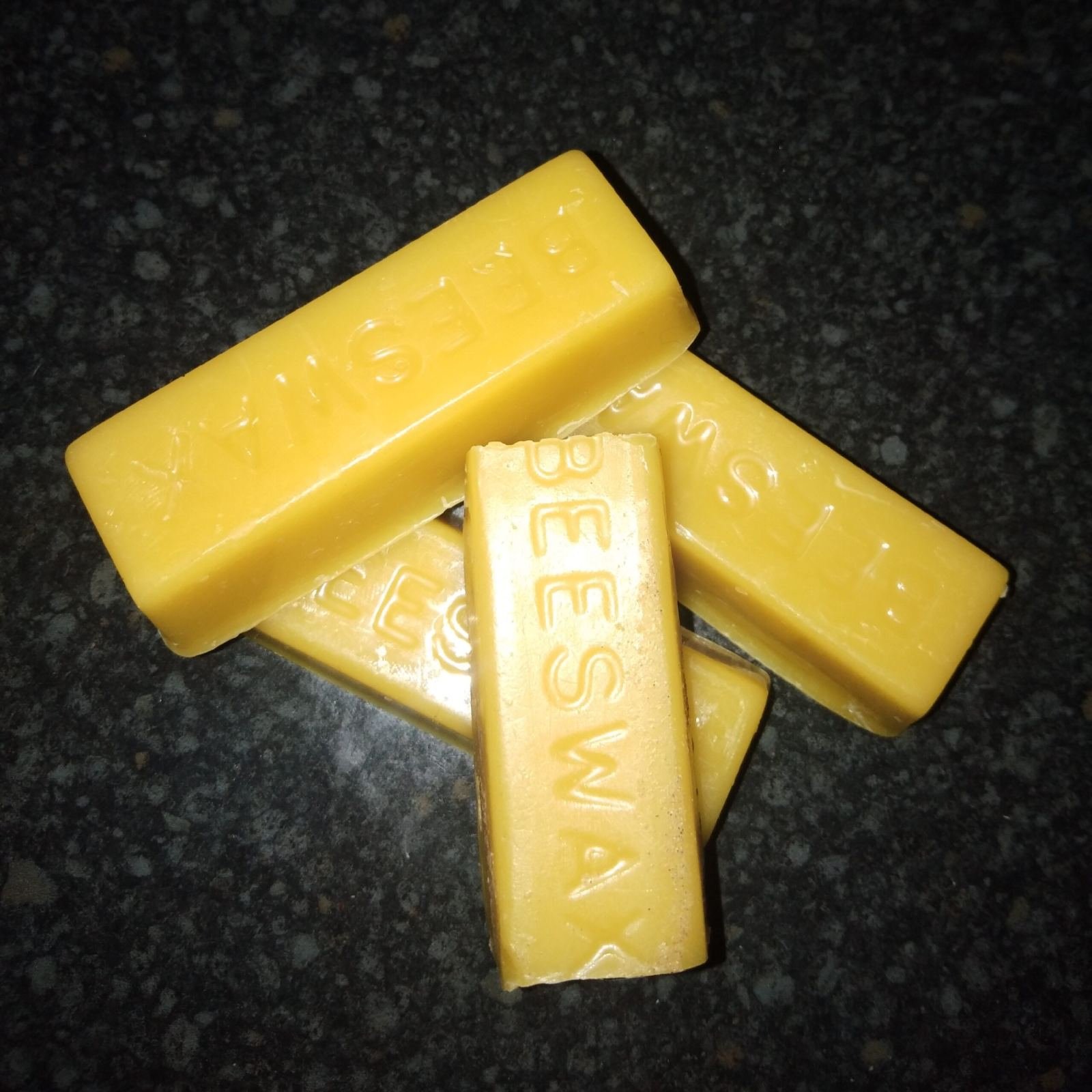
Coconut oil is the main ingredient by volume in almost every natural deodorant recipe, but it has one practical problem on its own: it’s solid at cool room temperature and melts into a thin liquid oil once the room warms up past roughly 24°C (76°F) — which is exactly the temperature range a bathroom counter or a gym bag reaches in warm weather. Beeswax has a much higher melting point, around 62–64°C (144–147°F), and adding even a modest proportion to a coconut-oil-based recipe raises the overall mixture’s melting point enough that the finished deodorant stays solid at normal indoor and body temperatures instead of liquefying. That’s the entire functional reason beeswax appears in these recipes: it’s a structural ingredient that keeps the product in stick or solid-jar form, the same role it plays in this site’s beeswax lip balm recipe and beeswax soap guide.
The Basic Recipe
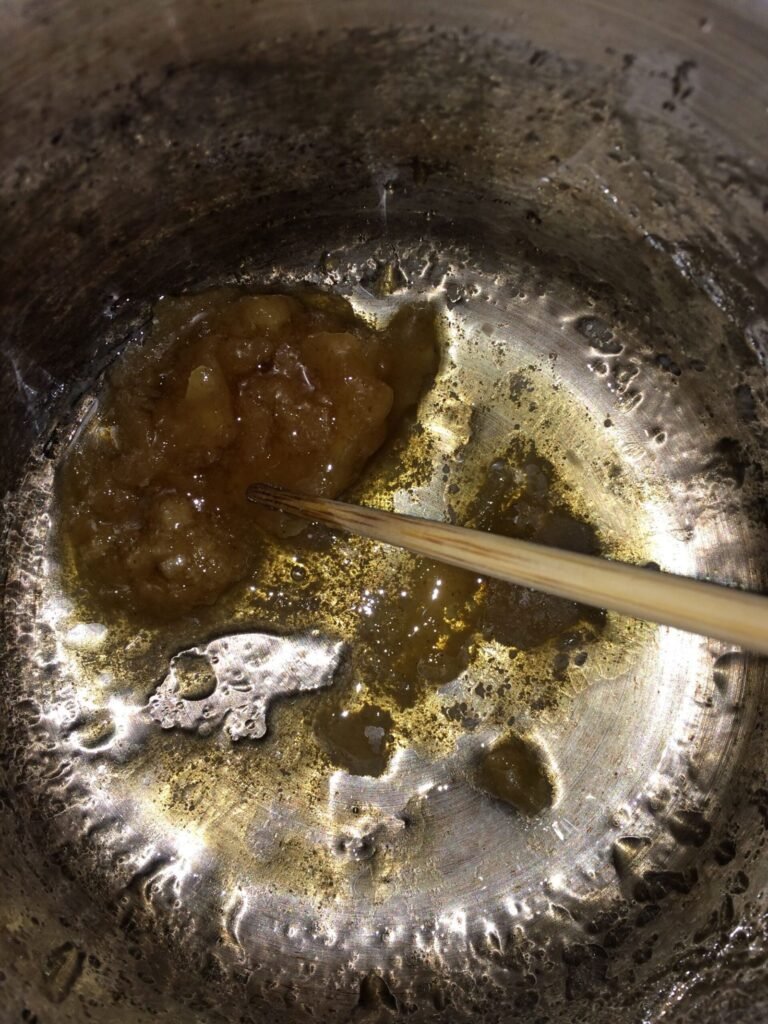
The recipe converged on by most home crafters — including the versions published by natural-living sites like Chocolate & Zucchini and Live Simply — uses roughly equal parts beeswax and coconut oil as the base, melted gently together (a double boiler or a heatproof bowl set over a pan of simmering water works, since direct heat can scorch beeswax), then combined with smaller measured amounts of arrowroot powder or cornstarch and baking soda once the wax and oil are fully melted and off the heat. A typical small-batch ratio is about 2 tablespoons each of beeswax and coconut oil, 1–2 tablespoons of arrowroot or cornstarch, and 1 tablespoon of baking soda, with a few drops of essential oil stirred in at the end purely for scent. Pour the warm mixture into an empty deodorant stick container, a small tin, or a jar, then let it set at room temperature or speed things up in the fridge for 15–20 minutes.
This video from sustainable-living creator Hannah Gravelle walks through a comparable homemade deodorant recipe start to finish, useful as a visual reference for the melting and pouring steps described above.
Recipe Variants by Skin Type
Baking soda is alkaline and, for some people, using it directly against underarm skin every day causes redness or irritation over time — by far the most common complaint about homemade baking-soda deodorants generally, beeswax-based or not. The standard fix isn’t a different recipe, just a different ratio within the same four ingredients:
| Version | Beeswax | Coconut Oil | Arrowroot/Cornstarch | Baking Soda | Best for |
|---|---|---|---|---|---|
| Standard | 2 tbsp | 2 tbsp | 1–2 tbsp | 1 tbsp | Most people, first batch |
| Sensitive-skin | 2 tbsp | 2 tbsp | 3 tbsp | 1–2 tsp | Skin that reacts to standard version |
| Baking-soda-free | 2 tbsp | 2 tbsp | 4 tbsp | None | Known baking-soda sensitivity |
The baking-soda-free version trades away some of the odor-absorbing effect baking soda provides in exchange for skin comfort — a genuine trade-off, not a strictly better option, which is why most guides suggest starting with the standard ratio and only stepping down if irritation actually shows up.
Frequently Asked Questions
Does homemade beeswax deodorant actually stop odor?
It functions as a natural antiperspirant-free deodorant: baking soda helps absorb moisture and odor, and coconut oil has some natural antimicrobial properties, but this is a cosmetic DIY product, not a medically tested antiperspirant, and results vary by person.
Why did my homemade deodorant turn out too soft or too hard?
Too soft usually means not enough beeswax relative to coconut oil; too hard (crumbly, hard to apply) usually means too much. Adjust the beeswax-to-coconut-oil ratio slightly and re-melt rather than starting over.
Can I leave out the baking soda?
Yes — use the baking-soda-free variant with extra arrowroot or cornstarch in its place. It won’t absorb odor quite as effectively, but it avoids the skin irritation some people get from daily baking-soda contact.
How long does homemade beeswax deodorant last before spoiling?
With no water content, these recipes are shelf-stable for several months at room temperature; discard if the smell, color, or texture changes noticeably.
What container should I use?
An empty, cleaned-out commercial deodorant stick container works if you want a twist-up stick; a small metal tin or glass jar works just as well if you’re applying with fingers.