Waxed Canvas: How Beeswax Waterproofs Fabric
How beeswax has waterproofed cotton canvas for centuries, with real ratio comparisons, a step-by-step DIY method, and how to tell when it needs reproofing.

Beeswax is the second crop from a hive, and a few pounds of clean cappings wax a year covers a surprising range of projects. The recipes here include food wraps, lip balm, deodorant, soap, wood polish, wax seals, waxing cheese for storage and candles, with a comparison of beeswax against paraffin and soy. Each gives real quantities and says what the finished item can and cannot do.
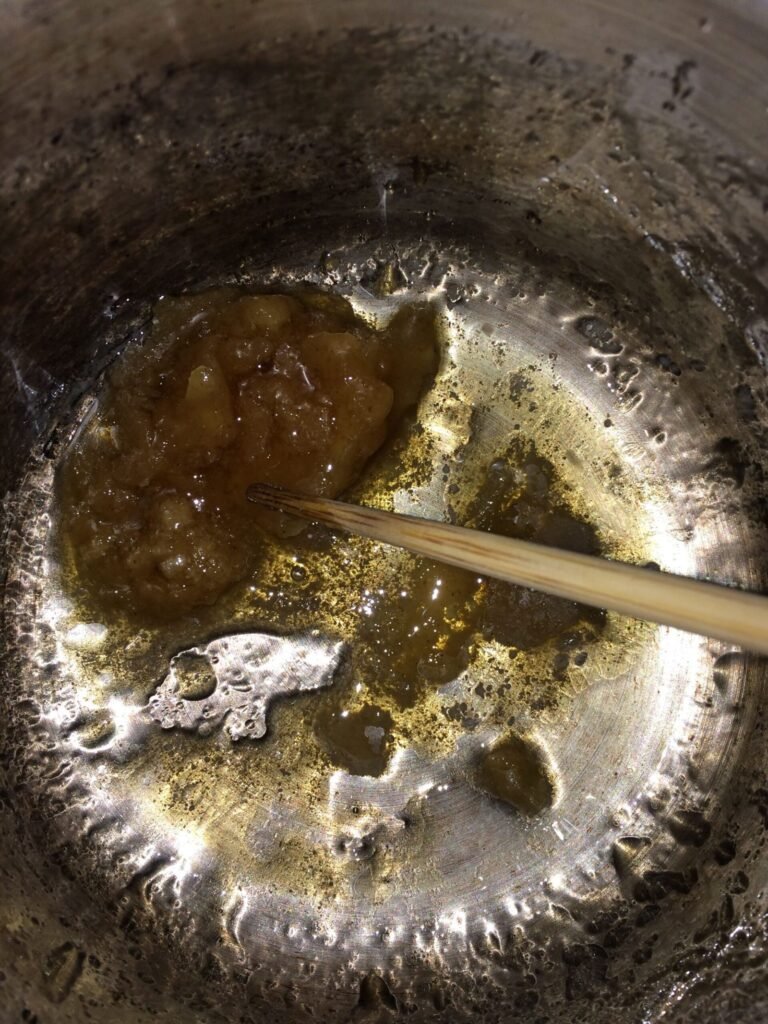
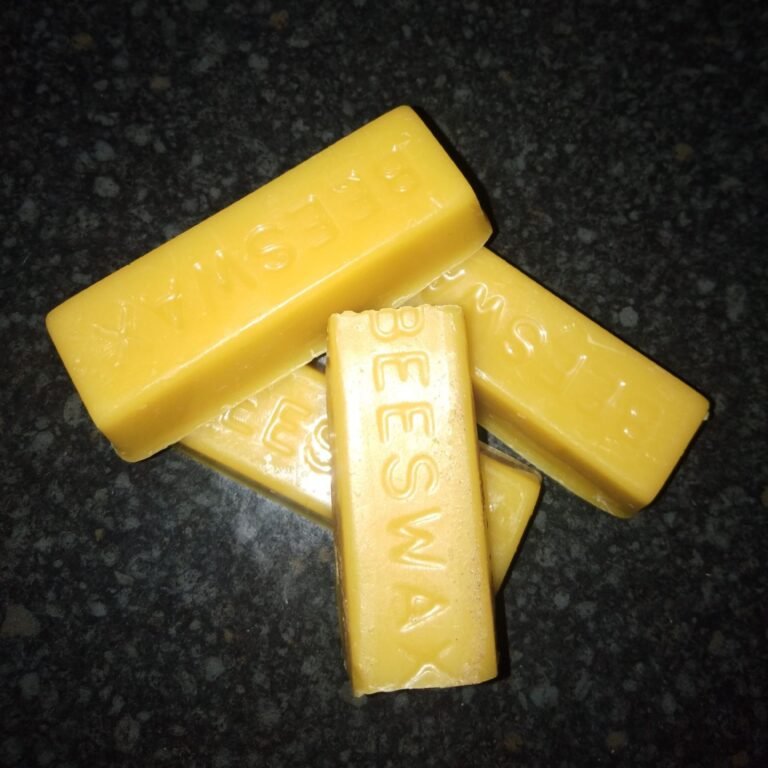
Two things decide whether a project works. The first is the wax itself: render and filter it before it goes near food or skin, because dark brood wax will stain fabric and carry old propolis into a balm. Cappings wax strained through a paint filter bag is the right starting point. The second is the extra ingredient. Plain beeswax on cotton dries stiff and cracks, which is why wrap recipes add pine resin for tack and jojoba oil for flexibility; balms and deodorants depend on the wax-to-oil ratio to set firm without feeling waxy. Melt in a double boiler with a thermometer; wax that smokes has been overheated.
Start with wraps or lip balm, which are cheap to get wrong, before soap or a big batch of candles.
Start here:
How beeswax has waterproofed cotton canvas for centuries, with real ratio comparisons, a step-by-step DIY method, and how to tell when it needs reproofing.
A simple four-ingredient DIY beeswax deodorant recipe, with the real reason beeswax matters for texture and a sensitive-skin variant that skips baking soda.
A simple way to turn leftover or lower-grade beeswax into reliable, long-storing fire starters for camping or a wood stove.

A modern DIY “wax seal” is almost always a soft beeswax-and-resin blend, not the hard, glossy shellac stick most people picture when they hear “sealing wax” — and that distinction…

Waxing cheese with beeswax means brushing or dipping a fully dried, properly aged hard cheese in melted wax to seal out air and mold while it continues to age —…

Beeswax, paraffin, and soy wax differ mainly in source (animal, petroleum, and plant, respectively), melting point, cost, and how they burn — beeswax runs hottest-melting and longest-burning but costs the…

Beeswax ornaments are made by melting pure beeswax to around 185°F and pouring it into a mold — anything from a dedicated ornament mold to a repurposed candy, soap, or…

“Beeswax soap” doesn’t mean soap made purely from wax — beeswax can’t function as a standalone soap base — it means a small amount of beeswax (typically 1–3% of the…

Homemade beeswax wood polish is just melted beeswax combined with an oil — food-grade mineral oil for cutting boards and butcher blocks, or traditionally gum turpentine (sometimes with linseed oil)…

A basic beeswax lip balm is just melted beeswax combined with a carrier oil and often a butter like shea or cocoa, poured into tubes or tins while warm —…

Beeswax food wraps are reusable cloth covers made by melting beeswax—usually blended with jojoba oil and pine resin—into cotton fabric, and you can make a working batch at home with…

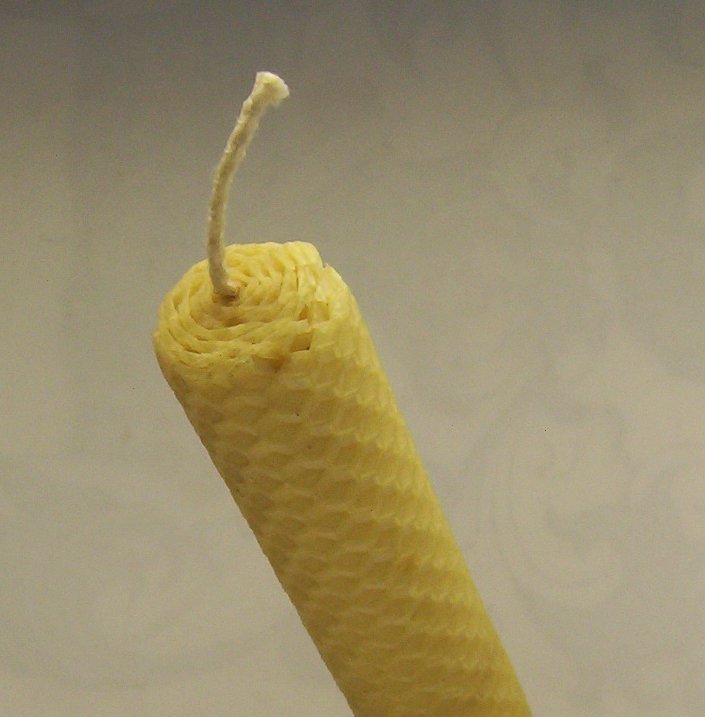
Learn how to make beeswax candles from your hive with our step-by-step DIY guide. Get started today!
Get started with natural dyes from propolis. Our comprehensive guide covers the techniques and advantages of using propolis for sustainable coloring options.

A beginner hub for beeswax crafts: candles, lip balm, food wraps, polish, ornaments and dye-resist art, with sourced melting temperatures and fire-safety rules. It also shows how much craft wax a hive yields and links to a full guide for each project.