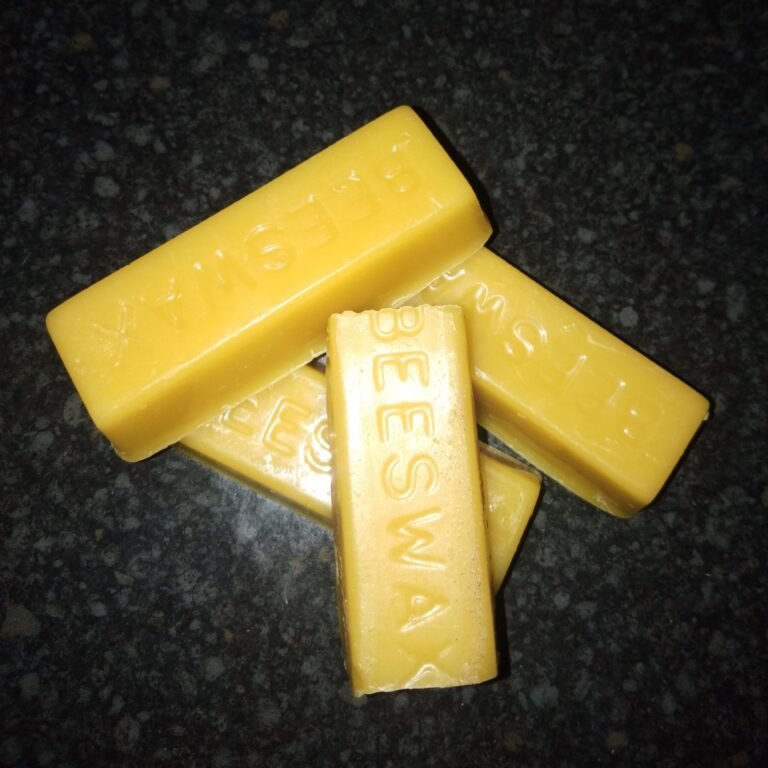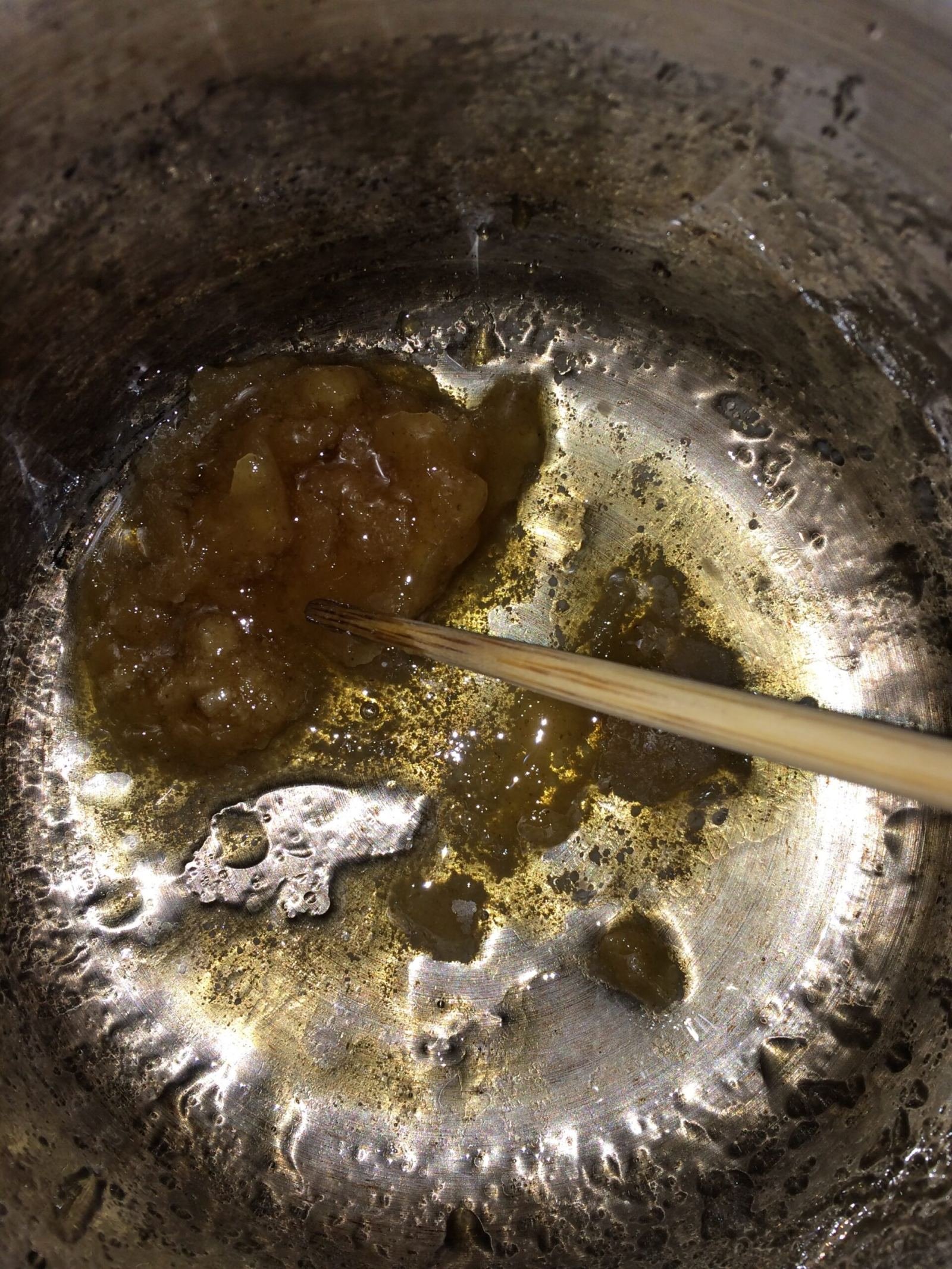
Long before synthetic waterproofing sprays existed, sailors, farmers, and fishermen made their own weather gear by working melted beeswax directly into plain cotton canvas — the same basic technique behind the waxed cotton jackets still sold today. It’s also one of the more approachable beeswax crafts a home beekeeper can actually do with a double boiler, a brush, and fabric already sitting in a closet.
Key Takeaways
- Waxed canvas is plain cotton fabric with melted wax worked into the weave, making it genuinely water-resistant and more wind-resistant without a synthetic coating.
- Traditional recipes commonly combine beeswax with linseed oil, sometimes with a little turpentine, in ratios ranging roughly from 2 parts beeswax to 1 part oil, up to a softer 1:2 oil-to-wax blend depending on how stiff or pliable the final fabric should be.
- Historic British waxed-cotton outerwear brands like Barbour, founded in 1894, originally used beeswax-based formulas before the industry widely shifted to paraffin wax in the 1920s.
- DIY waxed canvas is a genuinely practical use for beeswax that’s been damaged, discolored, or otherwise unsuitable for candles or cosmetic use, since fabric-waxing doesn’t require cosmetic-grade wax.
- The technique works on cotton canvas, cotton duck, and similar tightly-woven natural fabrics — it doesn’t work on synthetic fabrics, which don’t absorb wax the same way.
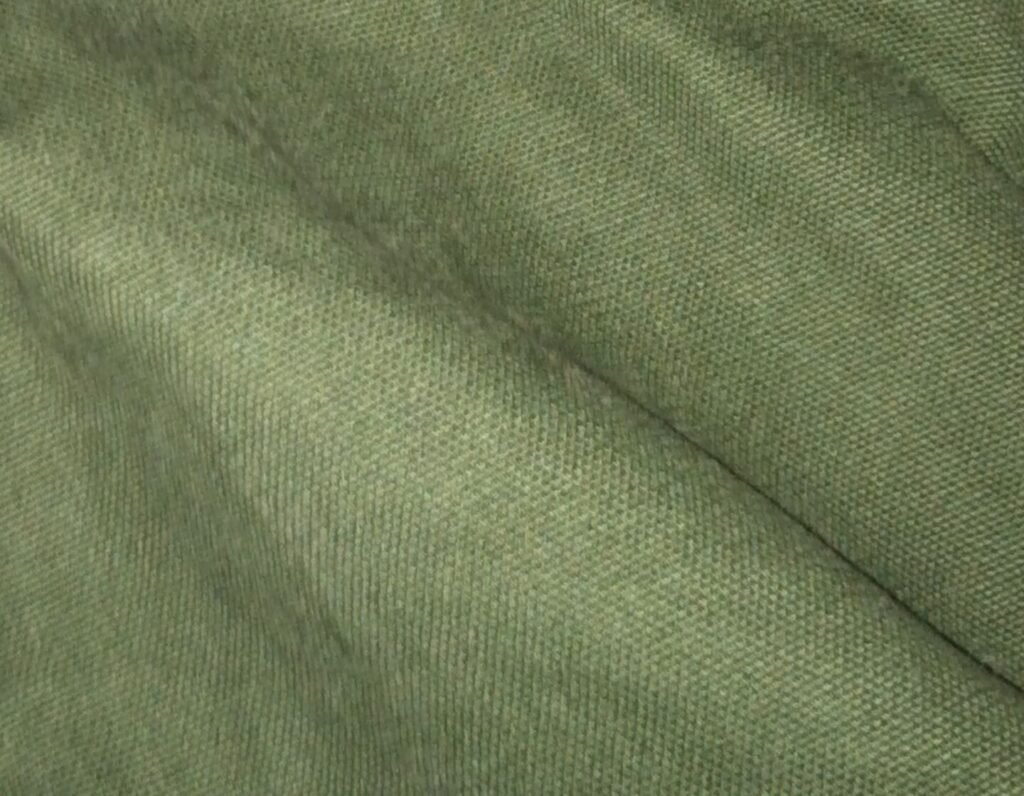
Table of Contents
- Why Beeswax Actually Waterproofs Fabric
- A Real Historical Craft, Not a Modern Reinvention
- Comparing the Real Recipe Ratios
- A Real DIY Recipe to Try
- What Waxed Canvas Is Actually Good For
- Reproofing and Maintenance
- Frequently Asked Questions
Why Beeswax Actually Waterproofs Fabric
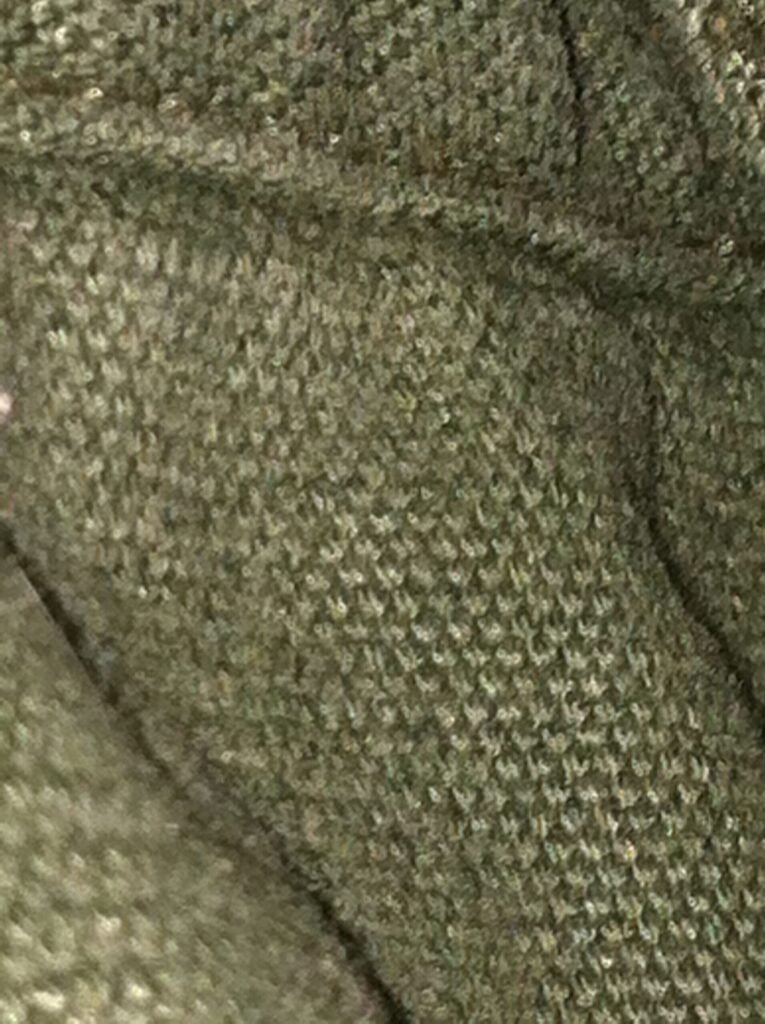
Cotton canvas is naturally absorbent, which is exactly the problem beeswax solves: melted wax worked into the weave fills the tiny gaps between individual cotton fibers, physically blocking water from soaking through while still letting the fabric flex and breathe far better than a fully synthetic waterproof coating does. This is a genuinely different mechanism than a modern waterproof membrane — it’s not a barrier layer sitting on top of the fabric, it’s the wax actually impregnating the weave itself, which is part of why waxed canvas develops its distinctive stiff, slightly tacky hand-feel and needs periodic reproofing as the wax wears thin from use and flexing.
A Real Historical Craft, Not a Modern Reinvention
Waxed cotton has genuine maritime and working-class roots — sailors in the 15th through 19th centuries treated sailcloth with fish oil and later wax-based mixtures to shed water, and that same basic approach eventually moved onto workwear and outdoor clothing. Heddels’ detailed history of waxed cotton traces that lineage from sail treatment through to the modern waxed jacket. Barbour, the British outerwear brand founded in 1894 by John Barbour in South Shields, is probably the best-known name in the space today — its earliest waxed-cotton formulas were beeswax-based before the wider industry shifted toward paraffin wax in the 1920s, largely pioneered by British Millerain, since paraffin resisted cracking in cold weather better than the earlier oil-and-wax blends. Beeswax hasn’t disappeared from the category entirely — Martexin, a heavy-duty fabric wax still used today, blends beeswax with plant-based waxes and oils rather than relying on paraffin alone.
Comparing the Real Recipe Ratios
There’s no single “correct” ratio — published DIY sources land on genuinely different blends depending on how stiff, soft, or fast-drying the result should be. Here’s how the commonly cited approaches actually compare:
| Blend | Ratio | Result | Best suited for |
|---|---|---|---|
| Traditional 3-part | 2 parts beeswax : 1 part boiled linseed oil : 1 part turpentine | Thinner, easier to brush on; turpentine speeds drying | Larger pieces, tool rolls, outdoor gear |
| Simple 2-part (softer) | 1 part linseed oil : 2 parts beeswax | More pliable, less rigid | Bags, clothing, anything that needs to flex |
| Bar-wax method | Beeswax (often blended with paraffin) rubbed on directly, no oil | Stiffer, more traditional “waxed jacket” hand-feel | Quick spot-reproofing, smaller items |
As a rule of thumb: more oil relative to wax gives a softer, more flexible fabric that suits clothing and bags; more wax relative to oil gives the stiffer, more traditional waxed-jacket feel that holds its shape better on structured items.
A Real DIY Recipe to Try
Home recipes for waxing canvas vary in exact ratio depending on how stiff or flexible the finished fabric should be, but they consistently combine beeswax with a drying oil like linseed oil. A traditional multi-ingredient version uses roughly 2 parts beeswax to 1 part boiled linseed oil to 1 part turpentine, which the turpentine helps thin for easier application. A simpler two-ingredient approach — 1 part linseed oil to 2 parts beeswax — produces a more pliable, less rigid result, which tends to suit clothing and bags better than a stiffer, higher-wax ratio that’s more common on rugged outdoor gear. The Rugged Soul’s own DIY waterproofing wax writeup walks through a similar home-scale version of this process step by step.
The general process: melt the beeswax and oil together using a double boiler (a heatproof bowl over simmering water works fine at home scale, never direct heat on wax), brush the melted mixture evenly onto dry canvas with a natural-bristle brush, then use a heat gun or hair dryer on a medium setting to help the wax melt evenly into the weave rather than sitting on the surface as a visible coating. Letting the fabric cure for a day or two before handling gives the wax time to fully set into the fibers.
Homemade on our Homestead’s video above walks through the full brush-and-heat-gun process start to finish, if you’d rather watch the technique than just read it.
What Waxed Canvas Is Actually Good For
This isn’t a craft limited to full jackets — waxed canvas at home scale works well for smaller, more achievable projects: a tool roll or apron, a simple tote or drawstring bag, a rain cover for outdoor gear, or a patch repair on an existing waxed jacket that’s worn thin in one spot. It’s also a genuinely practical use for beeswax that isn’t good enough for other purposes — wax that’s picked up off-flavors, discoloration, or debris that would matter for candles or lip balm generally doesn’t matter at all once it’s worked into fabric, similar in spirit to how this site’s guide to beeswax food wraps also puts a fabric-plus-wax combination to practical use, though food wraps use a food-safe application rather than the linseed-oil blend covered here.
Reproofing and Maintenance
Waxed canvas isn’t a one-and-done treatment — the wax layer thins with regular flexing, folding, and abrasion, and water resistance drops off noticeably once that happens. The usual signs it’s time to reproof: water starts soaking in rather than beading up, and the fabric feels dry or papery in high-wear spots like folds and seams rather than its usual slightly tacky hand-feel. Reproofing is simply repeating the original process — a light, even reapplication of the same wax blend over the worn area (or the whole piece), followed by the same heat-gun or hair-dryer step to melt it back into the weave. Most home-waxed items need a touch-up every six months to a year with regular outdoor use; a piece stored indoors and used occasionally can go considerably longer.
Frequently Asked Questions
Does waxed canvas actually waterproof fabric?
Yes — melted wax fills the gaps between cotton fibers, physically blocking water while still allowing the fabric to breathe and flex, unlike a fully synthetic waterproof coating.
What’s a basic recipe for DIY waxed canvas?
A common approach uses roughly 2 parts beeswax to 1 part boiled linseed oil, melted together and brushed onto dry cotton canvas, then set with gentle heat. Adding a small amount of turpentine helps thin the mixture for easier application.
Can I use any beeswax for this project?
Yes, and it’s actually a good use for beeswax with off-color or debris issues that would rule it out for candles or cosmetics, since those cosmetic concerns don’t matter once the wax is worked into fabric.
Does waxed canvas need to be redone over time?
Yes — the wax wears thin from flexing and use, so waxed canvas items are typically reproofed every six months to a year with regular use, the same basic maintenance commercial waxed-cotton jackets require.
Can I wax synthetic fabric the same way?
No — this technique relies on wax absorbing into natural fiber weaves like cotton canvas or cotton duck. Synthetic fabrics don’t absorb wax the same way and aren’t a good candidate for this method.