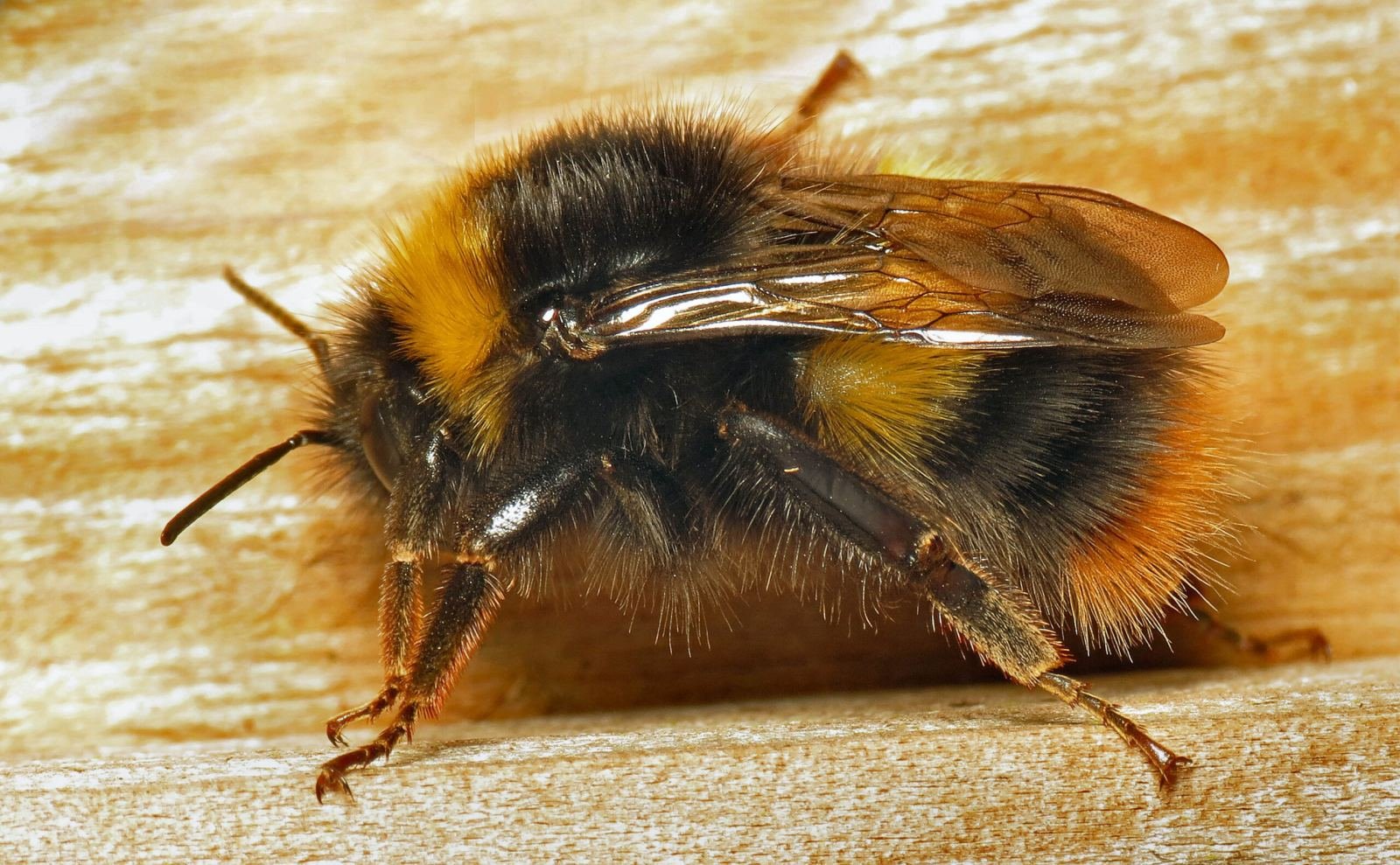
Warmer springs are waking bees and wasps up earlier — but a 2026 University of Würzburg study found that “earlier” isn’t automatically better, and for some populations it comes with a real, measurable energy cost. Researchers reared nearly 15,000 hibernating bees and wasps from across Bavaria under simulated cold, warm, and hot spring conditions, and found that while every species emerged sooner as temperatures rose, insects from naturally cooler regions paid for that earlier start with lost body mass and worse odds of successful reproduction.
Key Takeaways
- Dr. Cristina Ganuza and Prof. Ingolf Steffan-Dewenter (University of Würzburg Biocenter) collected almost 15,000 hibernating bees and wasps from more than 160 regions across Bavaria.
- The insects were reared under controlled cold, warm, and hot spring conditions to simulate different climate-warming scenarios.
- All 5 species studied emerged earlier as temperatures warmed — but populations from naturally cooler origin regions paid a real fitness cost for it.
- Females of summer species lost body mass more rapidly under warmer conditions, in some cases up to 34%.
- Published in Functional Ecology in April 2026.
How the Study Worked
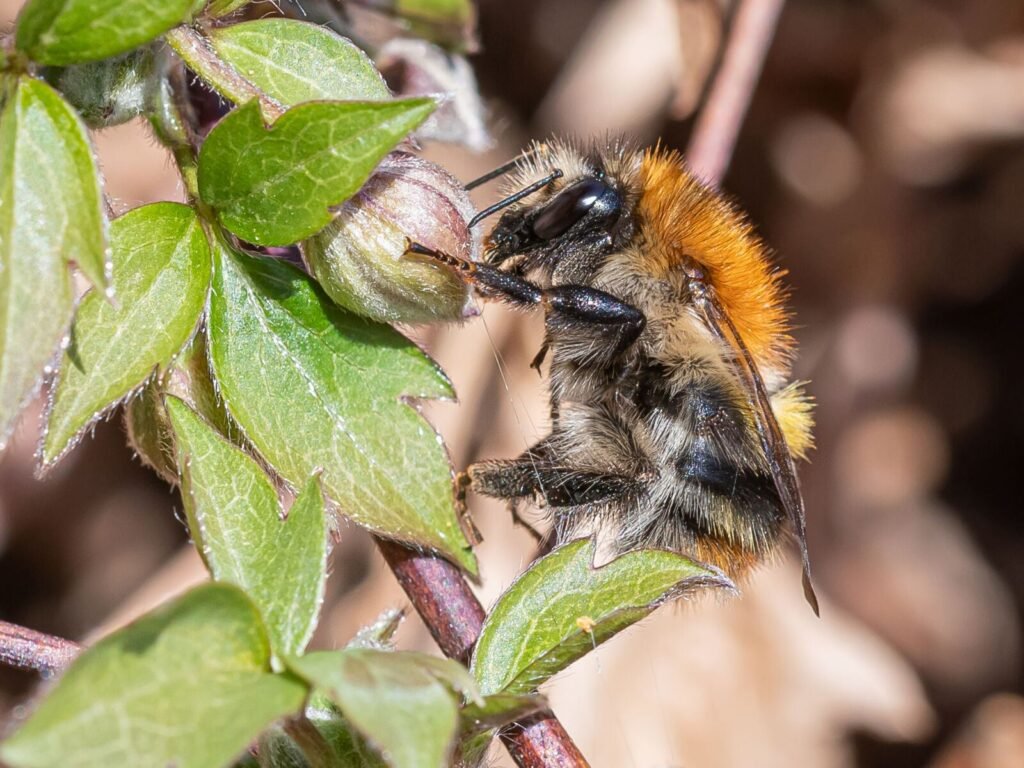
Rather than simply observing insects in the wild across a single warm or cool year, Ganuza and Steffan-Dewenter’s team took a more controlled approach: they collected close to 15,000 individual bees and wasps in hibernation from over 160 different regions spanning Bavaria’s real climate diversity, from the relatively warm Lower Franconia to the cooler Bavarian Forest. Back at the university, those insects were reared under three simulated spring conditions — cold, warm, and hot — letting the researchers isolate exactly how emergence timing and body condition responded to temperature, independent of whatever weather happened to occur in any single real year. The study is described in full in the University of Würzburg’s official release and in independent science coverage from phys.org.
Earlier Isn’t Free
Every one of the five species studied emerged earlier as the simulated spring got warmer — that part matched what researchers already expected from a warming climate. What the experimental setup revealed that field observation alone couldn’t was the cost side of the ledger: insects originally from cooler regions, the ones naturally active earliest in the year, fared worst under warm and hot conditions. Emerging too early relative to their evolved timing left them with less stored energy and generally poorer starting conditions heading into the rest of the season.
The clearest single number from the study is the body-mass finding: females of summer-active species lost body mass more rapidly under warmer rearing conditions, by as much as 34% in some cases. By contrast, spring-active insects that originated from naturally warmer regions like Lower Franconia handled warm conditions better, emerging early but retaining more of their body mass than their cooler-region counterparts. The pattern the researchers describe is essentially a mismatch between an insect’s evolved internal clock and the climate it now finds itself hibernating in — populations adapted to a cooler, slower spring are the ones least equipped to handle an earlier, warmer one.
Why This Matters Beyond One Study
Body mass at emergence isn’t a cosmetic detail for a bee or wasp — it’s directly tied to how much energy a queen or foundress has available to establish a nest, survive early-season food gaps, and successfully rear the first generation of offspring. A population that consistently emerges underweight, year after year as the climate keeps warming, faces a compounding reproductive disadvantage rather than a one-time inconvenience. That’s a mechanistic, experimentally demonstrated explanation for a pattern already visible in the population data behind the 2026 European Red List of Bees assessment, which found bumblebees among the groups facing the steepest extinction risk on the continent — climate-driven phenology mismatches like the one this study documents are a plausible contributing mechanism behind those broader population declines, not just a separate, unrelated finding.
Frequently Asked Questions
Do all bees and wasps benefit from emerging earlier in a warmer spring?
No. The Würzburg study found that while all five species studied emerged earlier under warming, populations from naturally cooler regions lost body mass and fitness as a result, rather than benefiting from the earlier start.
How much body mass did the affected insects lose?
Females of summer-active species lost body mass more rapidly under warmer conditions, by as much as 34% in some cases, compared with insects reared under cooler conditions.
Where did the researchers collect their samples?
From more than 160 regions across Bavaria, Germany, spanning a real range of local climates from the cooler Bavarian Forest to the warmer Lower Franconia region.
Is this the same as colony collapse or Varroa-driven honeybee losses?
No — this study focused on wild, hibernating bee and wasp species and their emergence timing, a separate mechanism from Varroa mites or colony collapse disorder in managed honeybee colonies.